

Toyota became a global empire because of a single rope.
If you pulled it, you cost the company $10,000 a minute.
But if you didn't, you cost them Billions.
This is the legend of the Andon Cord:
If you pulled it, you cost the company $10,000 a minute.
But if you didn't, you cost them Billions.
This is the legend of the Andon Cord:

In the 1950s, The common factory rule was: Never stop the line.
Faulty engine? Missing bolt? Keep going.
You “fix it later” in the repair lot.
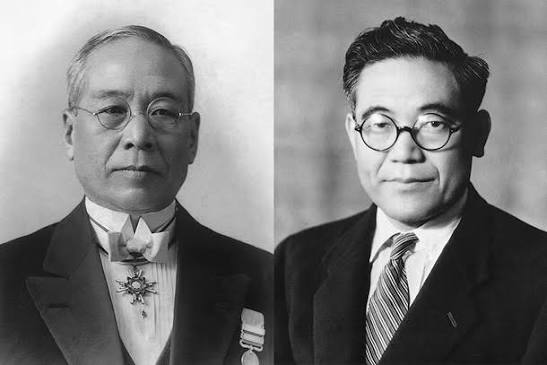
But Toyota’s Taiichi Ohno realized “fixing it later” was a lie.
It was just hiding waste.
Stopping was the only way to survive.
Faulty engine? Missing bolt? Keep going.
You “fix it later” in the repair lot.
But Toyota’s Taiichi Ohno realized “fixing it later” was a lie.
It was just hiding waste.
Stopping was the only way to survive.

He installed the Andon Cord—a physical rope above every station.
If a worker saw a defect, they were obligated to pull it.
But when they brought this to the US in 1984, there was a problem:
The Americans were too terrified to pull it.
Decades of US car culture taught workers that stopping the line equals getting fired.
If a worker saw a defect, they were obligated to pull it.
But when they brought this to the US in 1984, there was a problem:
The Americans were too terrified to pull it.
Decades of US car culture taught workers that stopping the line equals getting fired.
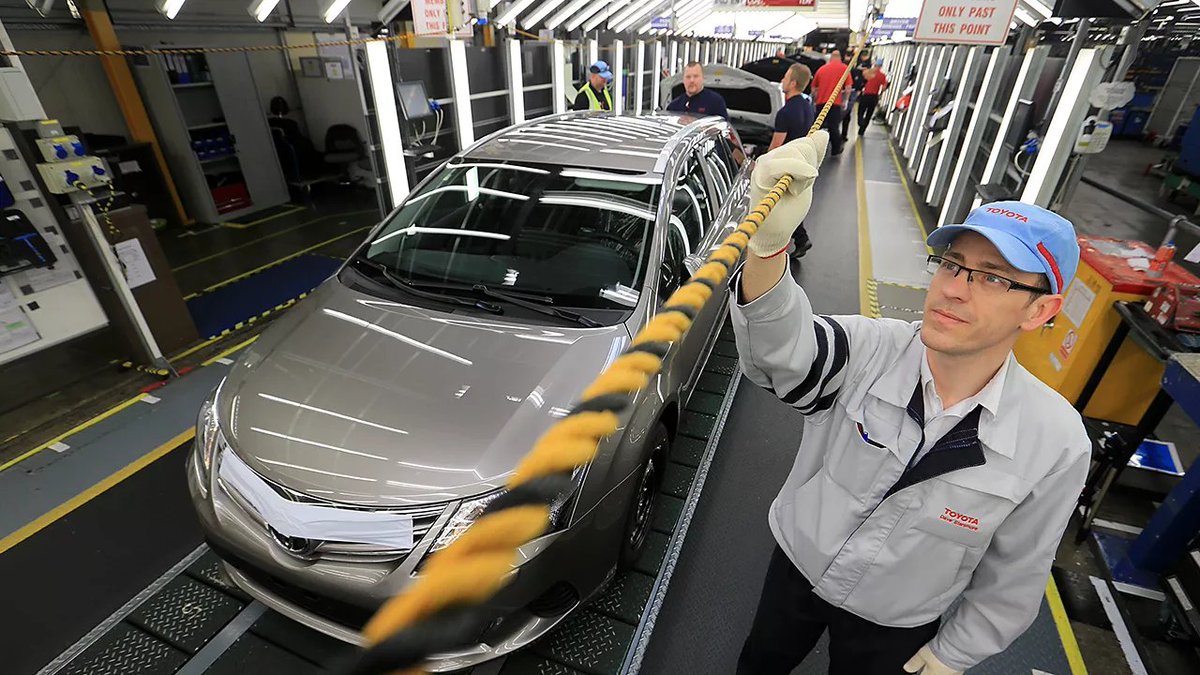
Then, CEO Tetsuro Toyoda saw a man struggling. “Pull it,” he urged.
The worker refused: “I can fix it, sir.”
Toyoda didn't argue.
He grabbed the man’s hand and pulled the cord with him.
Silence. Alarms flashed. $15,000/minute burning.
Toyoda bowed to the worker:
“Forgive me. I failed to show you that only YOU can make the best cars.”
The worker refused: “I can fix it, sir.”
Toyoda didn't argue.
He grabbed the man’s hand and pulled the cord with him.
Silence. Alarms flashed. $15,000/minute burning.
Toyoda bowed to the worker:
“Forgive me. I failed to show you that only YOU can make the best cars.”

By the next day, pulls went from 0 to 10.
A month later? 100/day.
GM’s worst factory became its best.
Most managers thought Ohno and Toyoda were insane.
But their logic was ironclad:
“Having no problems is the biggest problem of all.”
By stopping, you forced the team to find the root cause now.
A month later? 100/day.
GM’s worst factory became its best.
Most managers thought Ohno and Toyoda were insane.
But their logic was ironclad:
“Having no problems is the biggest problem of all.”
By stopping, you forced the team to find the root cause now.
You didn't just fix a car; you fixed the system.
While Detroit spent 25% of its budget on "rework,"
Toyota’s defect rate hit near zero.
They weren't just faster; they were better and cheaper.
But the Andon Cord didn't only exist in factories.
Decades later, Jeff Bezos created the “customer service andon cord.”
While Detroit spent 25% of its budget on "rework,"
Toyota’s defect rate hit near zero.
They weren't just faster; they were better and cheaper.
But the Andon Cord didn't only exist in factories.
Decades later, Jeff Bezos created the “customer service andon cord.”
If a support agent saw a recurring defect, like a misleading product description
They could pull a product off the site instantly.
No manager needed.
The agent had the power to protect the customer.
Elon Musk took it further.
At Tesla, tiny errors in high-speed automation are catastrophes.
They could pull a product off the site instantly.
No manager needed.
The agent had the power to protect the customer.
Elon Musk took it further.
At Tesla, tiny errors in high-speed automation are catastrophes.
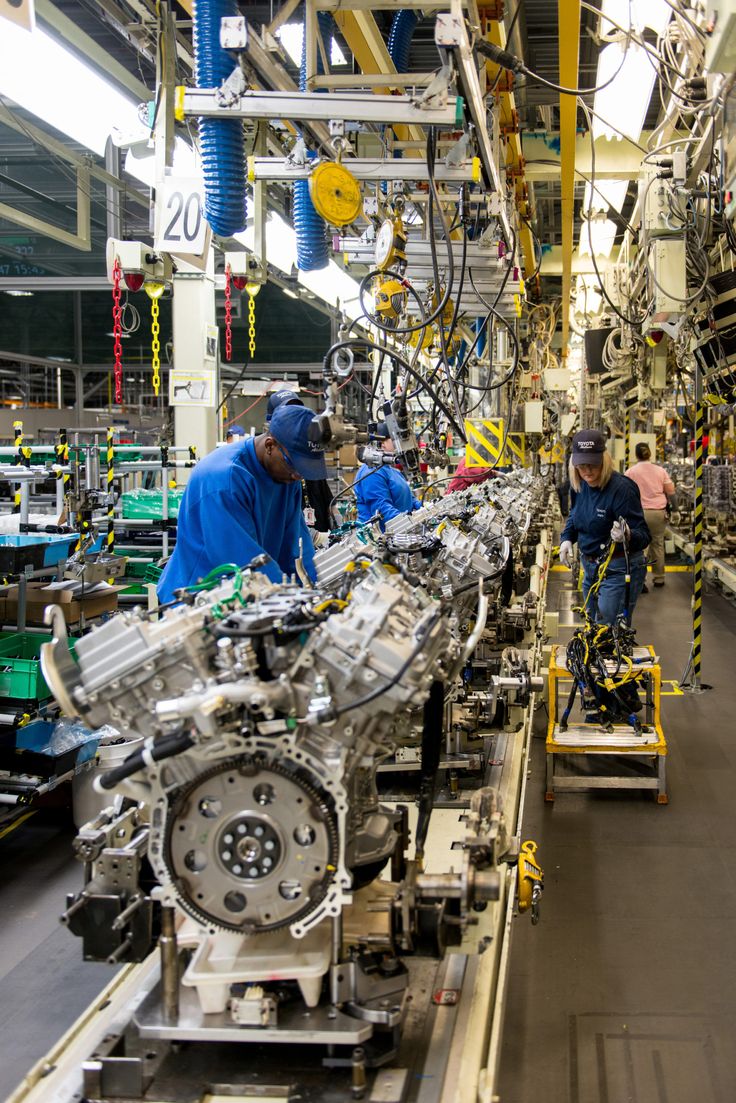
Tesla uses a Digital Andon Cord.
If sensors detect a 1mm deviation, the robots halt.
As Musk says: “You need a constant feedback loop of how you could be doing it better.”
But copying the cord doesn't guarantee success.
If sensors detect a 1mm deviation, the robots halt.
As Musk says: “You need a constant feedback loop of how you could be doing it better.”
But copying the cord doesn't guarantee success.
In the 90s, GM spent $80M installing cords.
5 years later? Workers pulled them less than once a week.
Why? GM still punished those who stopped. Toyota thanked them.
You can't copy culture with a rope.
The data doesn't lie:
5 years later? Workers pulled them less than once a week.
Why? GM still punished those who stopped. Toyota thanked them.
You can't copy culture with a rope.
The data doesn't lie:

•Toyota: Became the #1 automaker globally.
•Amazon: Owns nearly 40% of US e-commerce.
•Tesla: Achieved the highest margins in the industry.
They all realized the same truth: To go fast, you must be willing to stop.
•Amazon: Owns nearly 40% of US e-commerce.
•Tesla: Achieved the highest margins in the industry.
They all realized the same truth: To go fast, you must be willing to stop.
The Andon Cord teaches 3 vital lessons for the 21st century:
• The person closest to the work knows the problems best.
• It’s the mistakes, the rework, and the lost trust that are expensive.
• A "quick fix" is just debt you'll pay later with interest.
• The person closest to the work knows the problems best.
• It’s the mistakes, the rework, and the lost trust that are expensive.
• A "quick fix" is just debt you'll pay later with interest.
جاري تحميل الاقتراحات...