

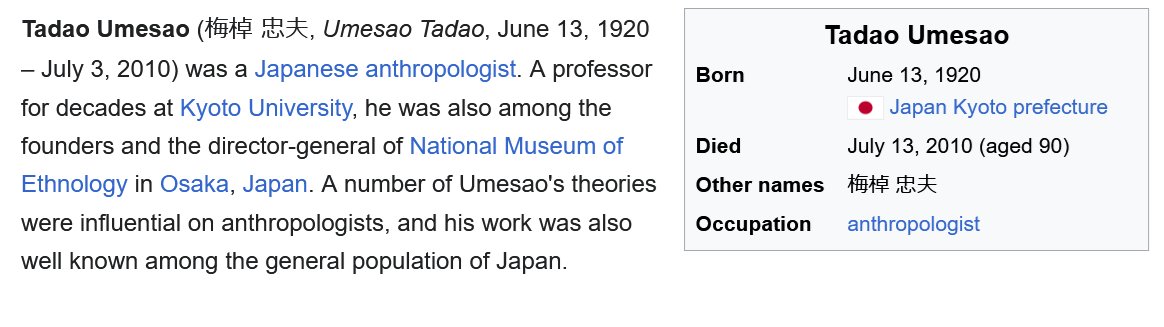
Have you ever read any books by Tadao Umesao? He provides fascinating insights into Japanese and European civilizations, so let me introduce his ideas. His observations are reminiscent of Jared Diamond's analysis in Guns, Germs, and Steel. Umesao suggests that Japan's development factors are geographical, much like those of Europe.
en.wikipedia.org
en.wikipedia.org
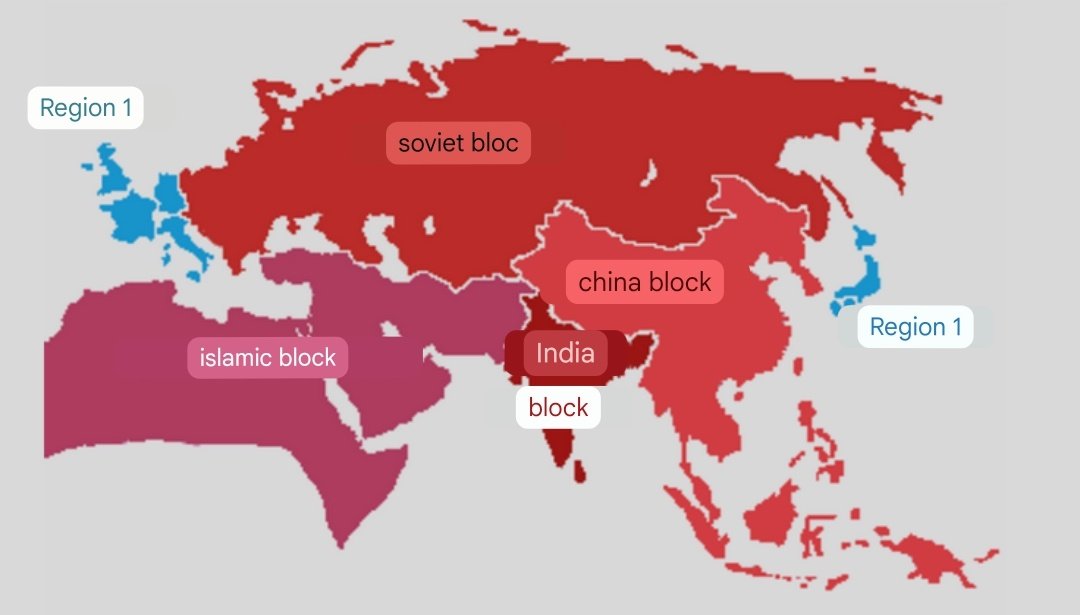
He modeled the Eurasian continent with Europe on one end, Japan on the other, and blocks like China, Russia, India, and the Islamic world in the middle.
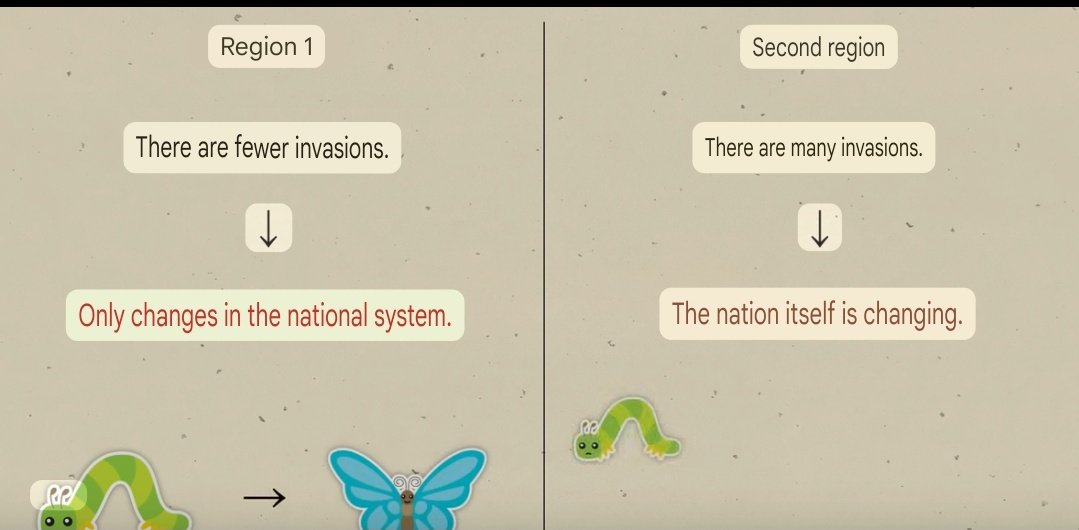
Among these central blocks, civilization first developed in China, India, and the Islamic regions. However, these areas, with their vast plains, often saw invasions and violent power shifts due to nomadic and horseback-riding tribes.
apjjf.org
Among these central blocks, civilization first developed in China, India, and the Islamic regions. However, these areas, with their vast plains, often saw invasions and violent power shifts due to nomadic and horseback-riding tribes.
apjjf.org
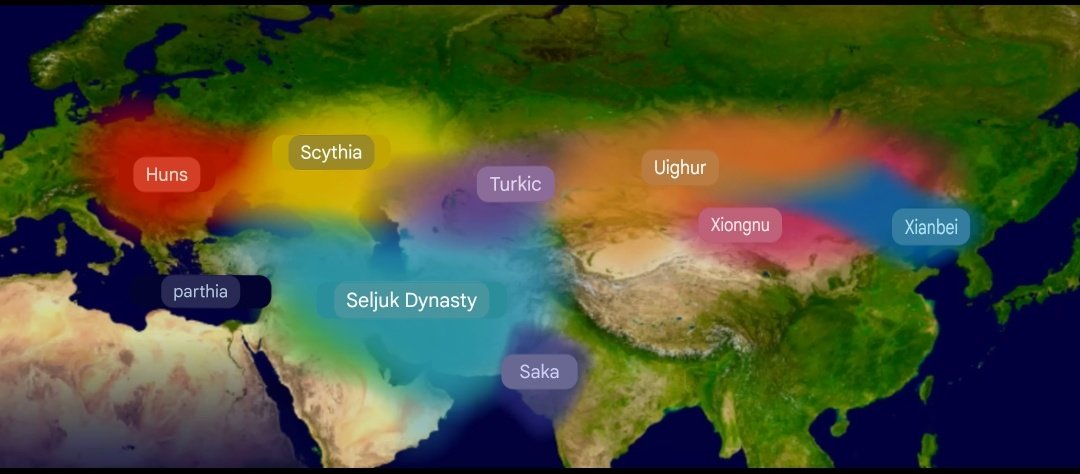
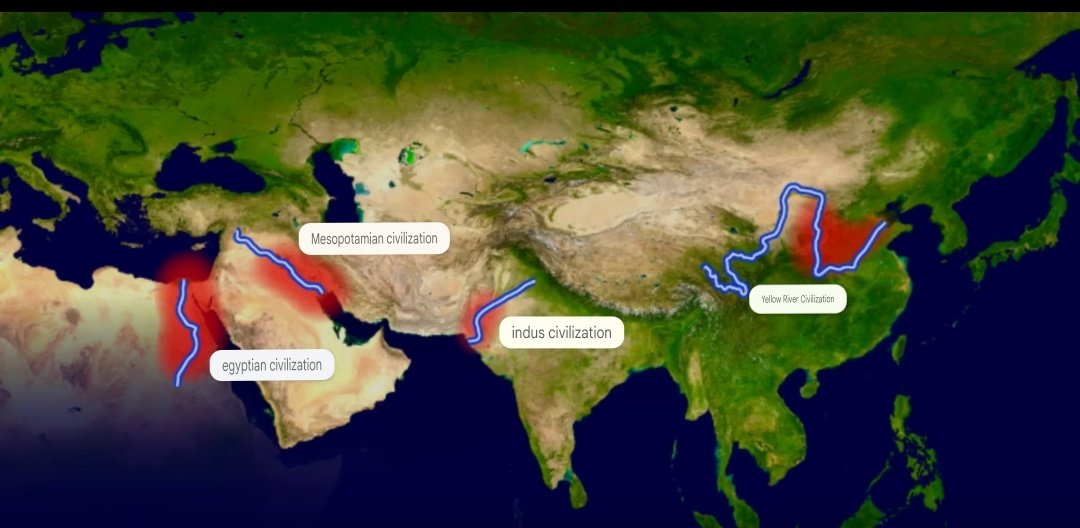
Nomadic tribes destroyed entire civilizations, like the Indus, Mesopotamian, Yellow River, and Egyptian ones. But between Europe and Central Asia, there were dense forests, which acted as a barrier. (This is why even Genghis Khan didn’t make it to Western Europe.)
Japan, on the other hand, was separated from China by the sea. Because of this, the destruction was never total—states might collapse, but it was more about changes in governance than complete annihilation.
He also pointed out that Japan and Europe weren’t as far from the major civilizations as places like the Americas or South Africa. This allowed them to adopt things like the alphabet, Chinese characters, and religions from those ancient civilizations.
Japan, on the other hand, was separated from China by the sea. Because of this, the destruction was never total—states might collapse, but it was more about changes in governance than complete annihilation.
He also pointed out that Japan and Europe weren’t as far from the major civilizations as places like the Americas or South Africa. This allowed them to adopt things like the alphabet, Chinese characters, and religions from those ancient civilizations.
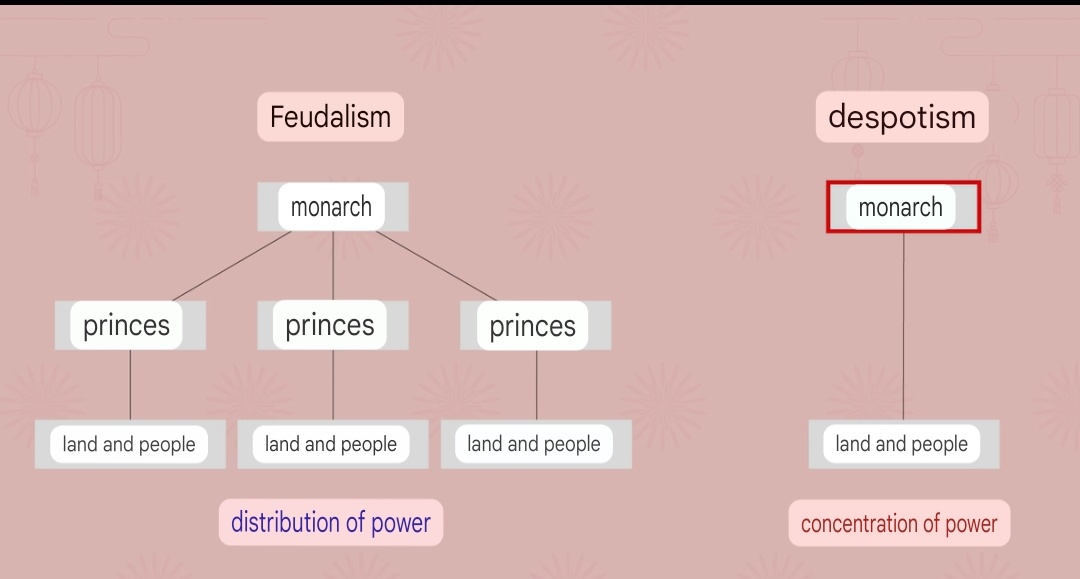
He also pointed out a shared trait between Japan and Europe: both had decentralized feudal systems rather than absolute monarchies.
While absolute monarchy was effective for ruling over diverse peoples by force, it made things like capitalism and democratization much harder to achieve.
This was one of Umesao’s key observations about the similarities between Japan and Europe.
While absolute monarchy was effective for ruling over diverse peoples by force, it made things like capitalism and democratization much harder to achieve.
This was one of Umesao’s key observations about the similarities between Japan and Europe.
【References】
Why Did Only Japan and Western Europe Prosper? [Civilizational Ecology Perspective] (in Japanese)
youtube.com
Civilizational Ecology Perspective: Revised Edition (in Japanese)
amazon.co.jp
Why Did Only Japan and Western Europe Prosper? [Civilizational Ecology Perspective] (in Japanese)
youtube.com
Civilizational Ecology Perspective: Revised Edition (in Japanese)
amazon.co.jp
People like 劉仲敬 (Liu Zhongjing, William Liu) and 高坂正堯 (Masataka Kosaka) have shared a lot of fascinating insights about the similarities and differences between Asia and Europe, but there's hardly any literature about their ideas in English.
Liu Zhongjing
ja.wikipedia.org
thinkingtaiwan.com
Masataka Kosaka
amazon.co.jp
youtube.com
Liu Zhongjing
ja.wikipedia.org
thinkingtaiwan.com
Masataka Kosaka
amazon.co.jp
youtube.com
جاري تحميل الاقتراحات...