

What we do in life, echoes in eternity.
Thread of architectural wonders that have withstood the relentless passage of time 🧵
1. Pantheon, Rome (almost 2000 years old) x.com
Thread of architectural wonders that have withstood the relentless passage of time 🧵
1. Pantheon, Rome (almost 2000 years old) x.com

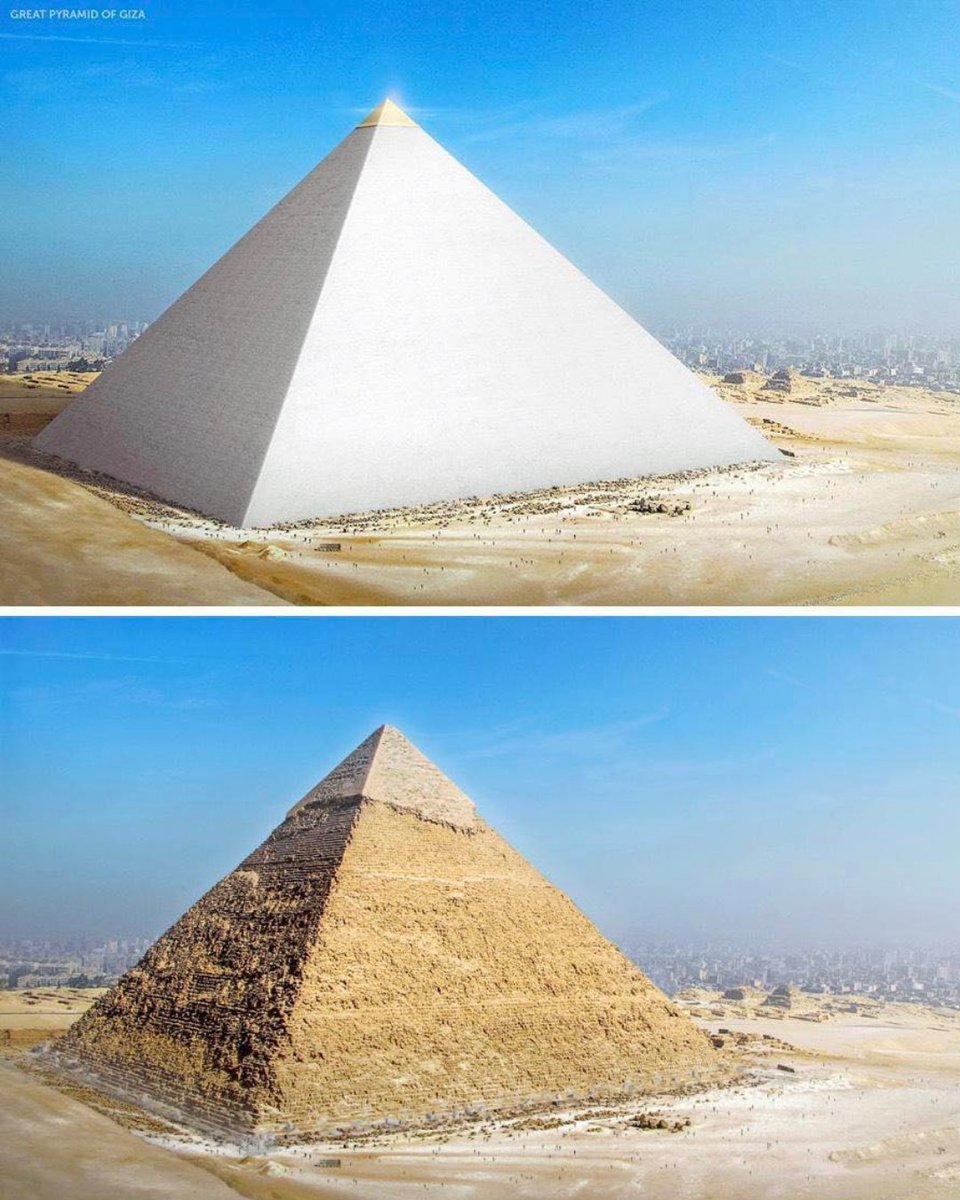
2. Built from stones weighing between 2.5 and 70 tons each, the Great Pyramid remained the world's tallest man-made structure for thousands of years.
Of the seven wonders of the Ancient World, only the Pyramid, which is also by far the oldest, still remains standing. x.com
Of the seven wonders of the Ancient World, only the Pyramid, which is also by far the oldest, still remains standing. x.com
3. Temple of Jupiter, Baalbek
At the base of the ruins of the Temple of Jupiter, one of the largest in the Roman world, lie three giant stones known collectively as the "trilithon."
Each one of these stones is about 20 metres long, 4.2 metres high, and weighs 750–800 tonnes. x.com
At the base of the ruins of the Temple of Jupiter, one of the largest in the Roman world, lie three giant stones known collectively as the "trilithon."
Each one of these stones is about 20 metres long, 4.2 metres high, and weighs 750–800 tonnes. x.com

4. The Parthenon, Greece
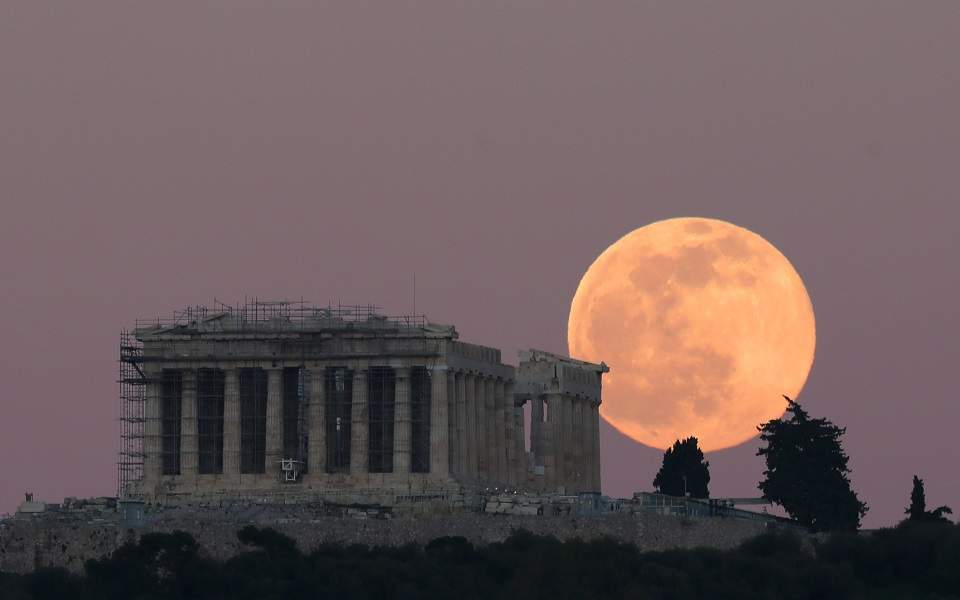
Built in the 5th century BC to celebrate the Hellenic victory over the Persian Empire, the Parthenon on the Athenian Acropolis is dedicated to Athena.
To this day, it is considered a symbol of Ancient Greece, democracy, and Western civilization. x.com
Built in the 5th century BC to celebrate the Hellenic victory over the Persian Empire, the Parthenon on the Athenian Acropolis is dedicated to Athena.
To this day, it is considered a symbol of Ancient Greece, democracy, and Western civilization. x.com
5. Colosseum, Rome
Completed in AD 80, the Colosseum is still a renowned symbol of Imperial Rome and was listed as one of the New 7 Wonders of the World.
x.com
Completed in AD 80, the Colosseum is still a renowned symbol of Imperial Rome and was listed as one of the New 7 Wonders of the World.
x.com

6. The Great Wall of China
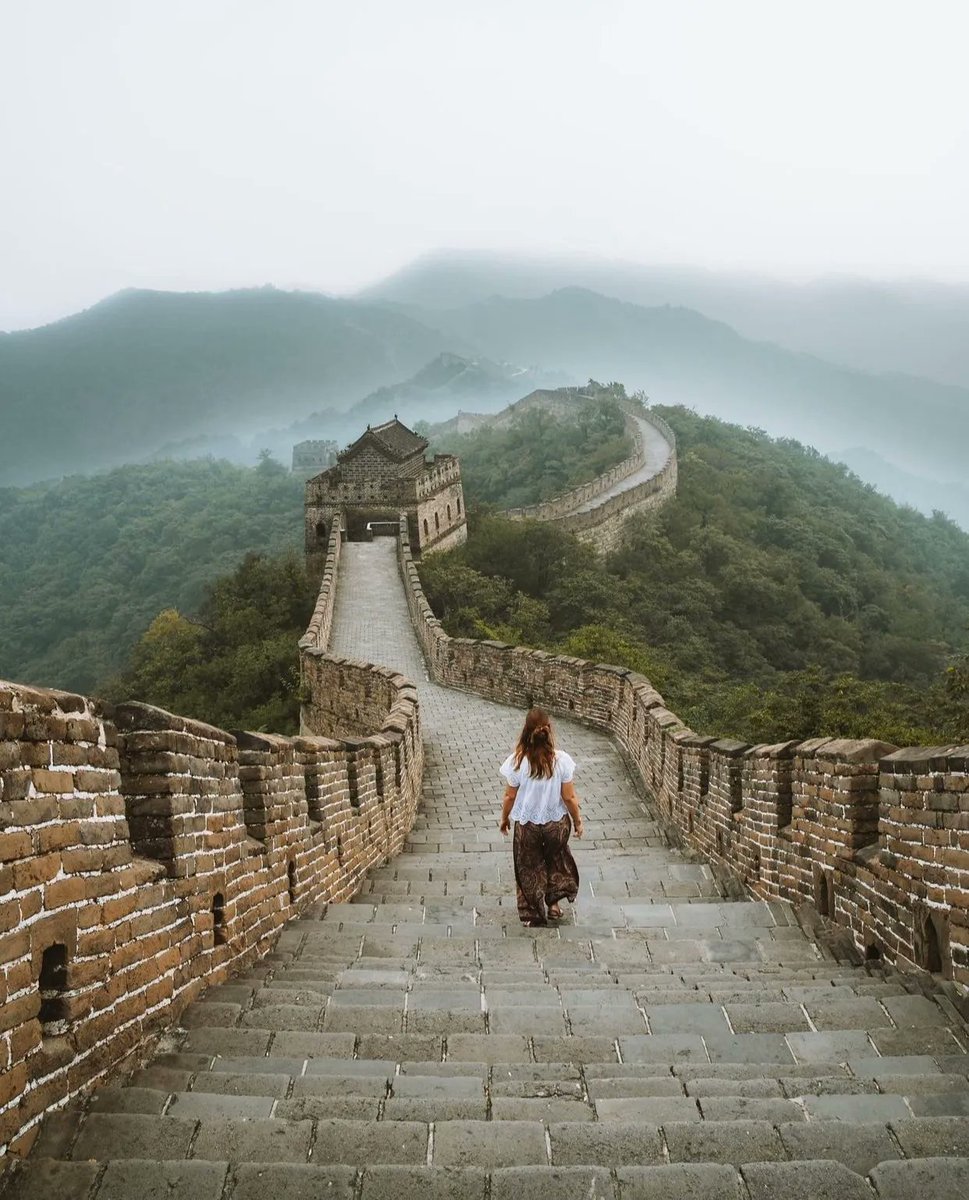
Built from the 7th century BC for protection against nomads, the wall was expanded by Qin Shi Huang and later dynasties, especially the Ming.
Today, it is generally recognized as one of the most impressive architectural feats in history. x.com
Built from the 7th century BC for protection against nomads, the wall was expanded by Qin Shi Huang and later dynasties, especially the Ming.
Today, it is generally recognized as one of the most impressive architectural feats in history. x.com
7. Petra, Jordan
Carved into rose-red sandstone cliffs, Petra was the capital of the Nabataean Kingdom and dates back to around 300 BC.
x.com
Carved into rose-red sandstone cliffs, Petra was the capital of the Nabataean Kingdom and dates back to around 300 BC.
x.com

8. Karnak Temple Complex, Egypt
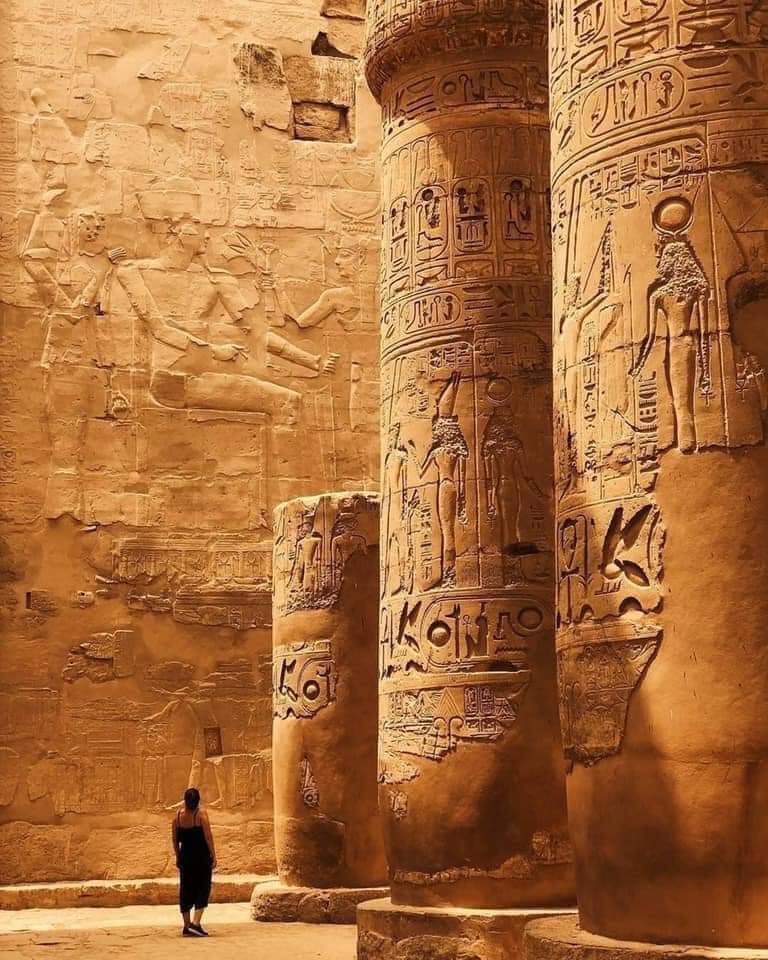
Construction at the complex began during the reign of Senusret I (reigned 1971–1926 BC) in the Middle Kingdom (c. 2000–1700 BC) and continued into the Ptolemaic Kingdom (305–30 BC). x.com
Construction at the complex began during the reign of Senusret I (reigned 1971–1926 BC) in the Middle Kingdom (c. 2000–1700 BC) and continued into the Ptolemaic Kingdom (305–30 BC). x.com
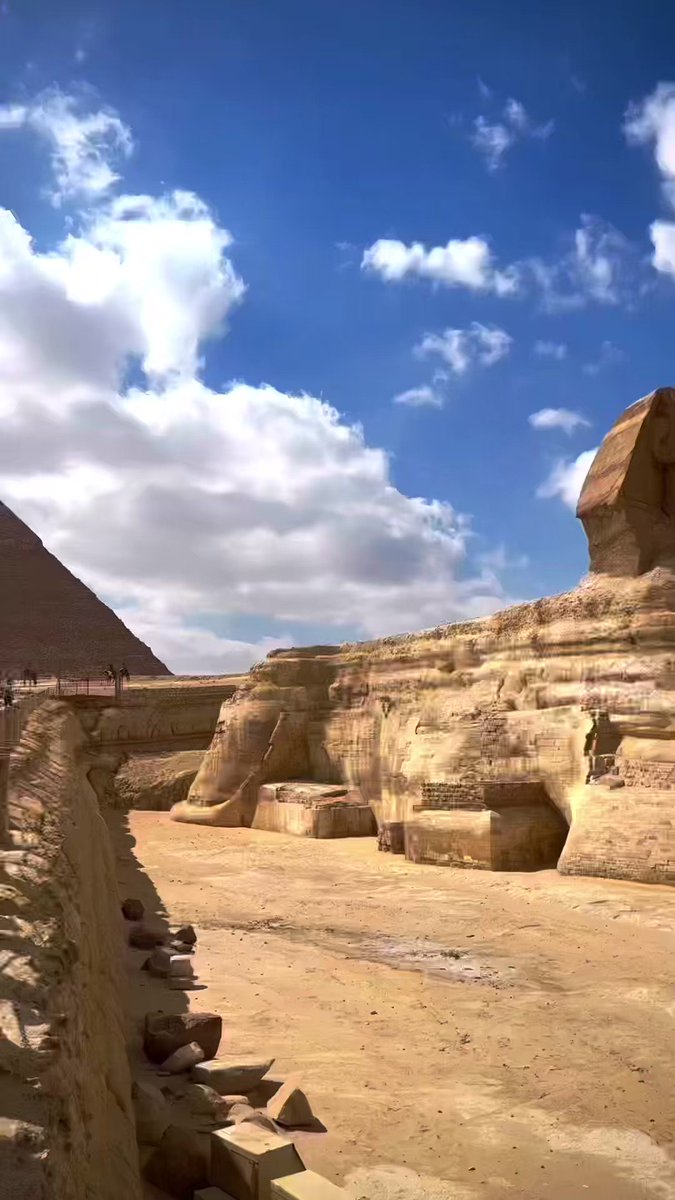
9. Great Sphinx of Giza
Attributed to Khafre's reign (c. 2558–2532 BC), the Sphinx is the oldest known monumental sculpture in Egypt.
x.com
Attributed to Khafre's reign (c. 2558–2532 BC), the Sphinx is the oldest known monumental sculpture in Egypt.
x.com
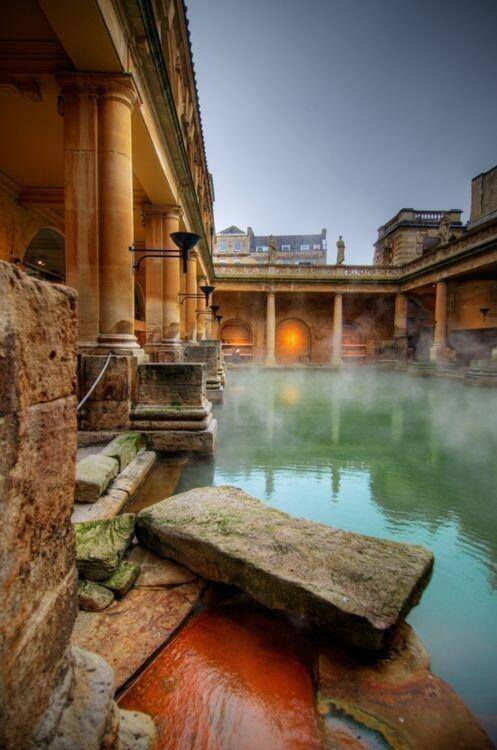
10. Roman Baths, Bath, England
These well-preserved thermae — designed for public bathing — were used until the end of Roman rule in Britain in the 5th century AD. x.com
These well-preserved thermae — designed for public bathing — were used until the end of Roman rule in Britain in the 5th century AD. x.com
11. Ziggurat of Ur
Built around the 21st century BC, this structure is one of the best-preserved ziggurats from ancient Mesopotamia.
x.com
Built around the 21st century BC, this structure is one of the best-preserved ziggurats from ancient Mesopotamia.
x.com

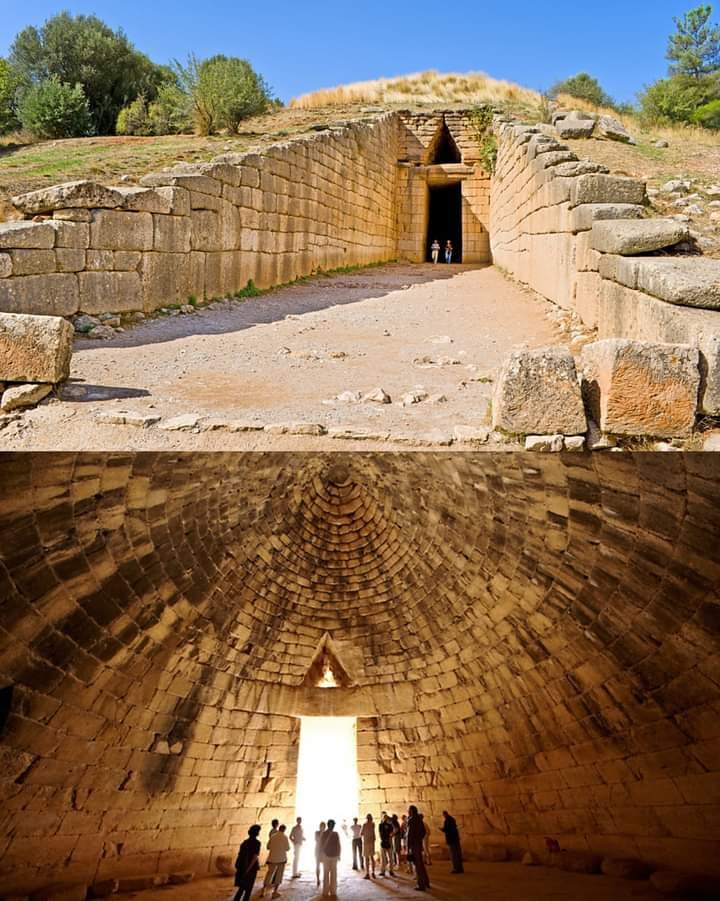
12. Tomb of Agamemnon
Also known as the Treasury of Atreus, this massive tholos tomb was constructed between 1300 and 1250 BC in Mycenae, Greece. x.com
Also known as the Treasury of Atreus, this massive tholos tomb was constructed between 1300 and 1250 BC in Mycenae, Greece. x.com
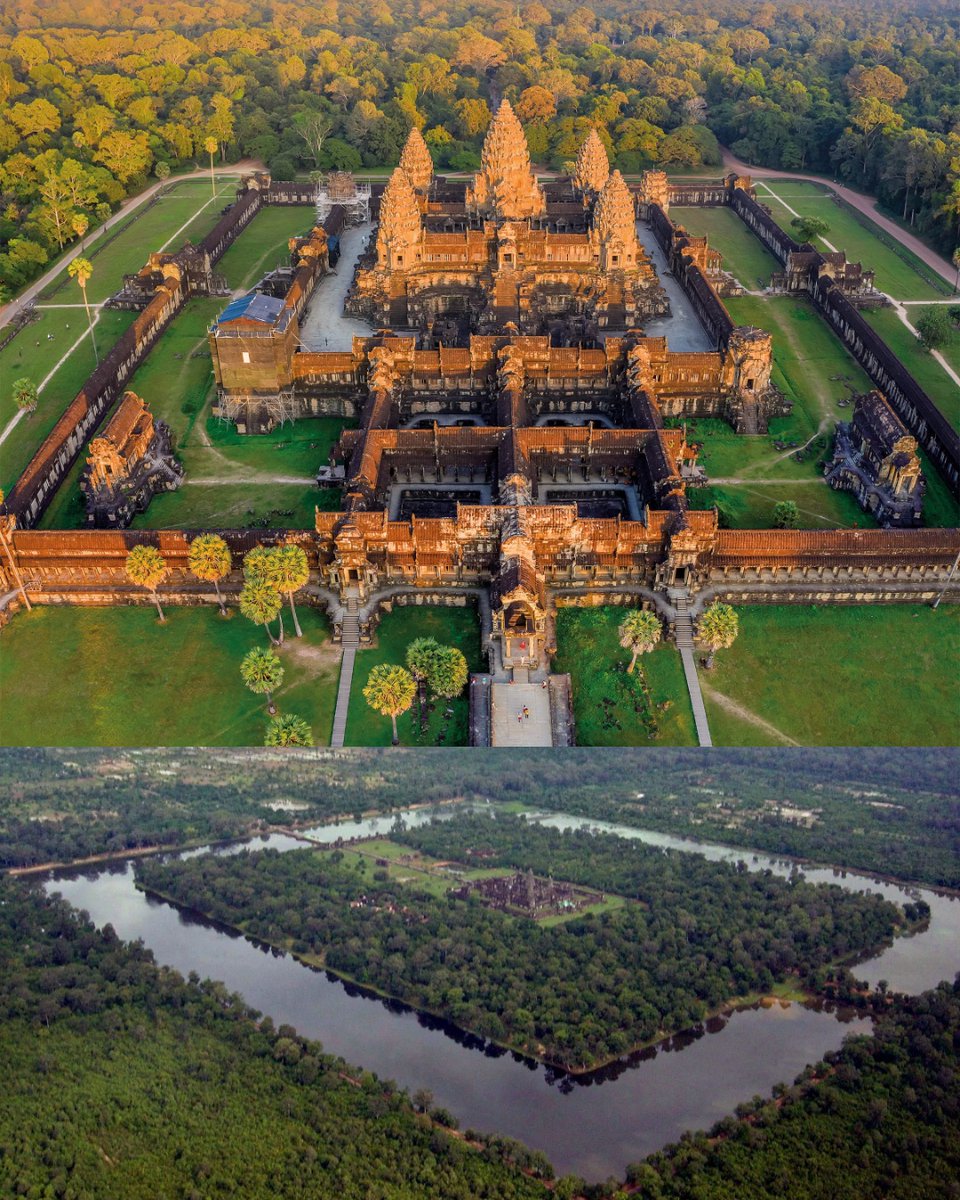
13. Angkor Wat, Cambodia
Listed by Guinness World Records as the largest religious structure on Earth, the temple is surrounded by a vast artificial moat 190 meters wide, which forms a rectangle 1.5 kilometers long and 1.3 kilometers wide. x.com
Listed by Guinness World Records as the largest religious structure on Earth, the temple is surrounded by a vast artificial moat 190 meters wide, which forms a rectangle 1.5 kilometers long and 1.3 kilometers wide. x.com
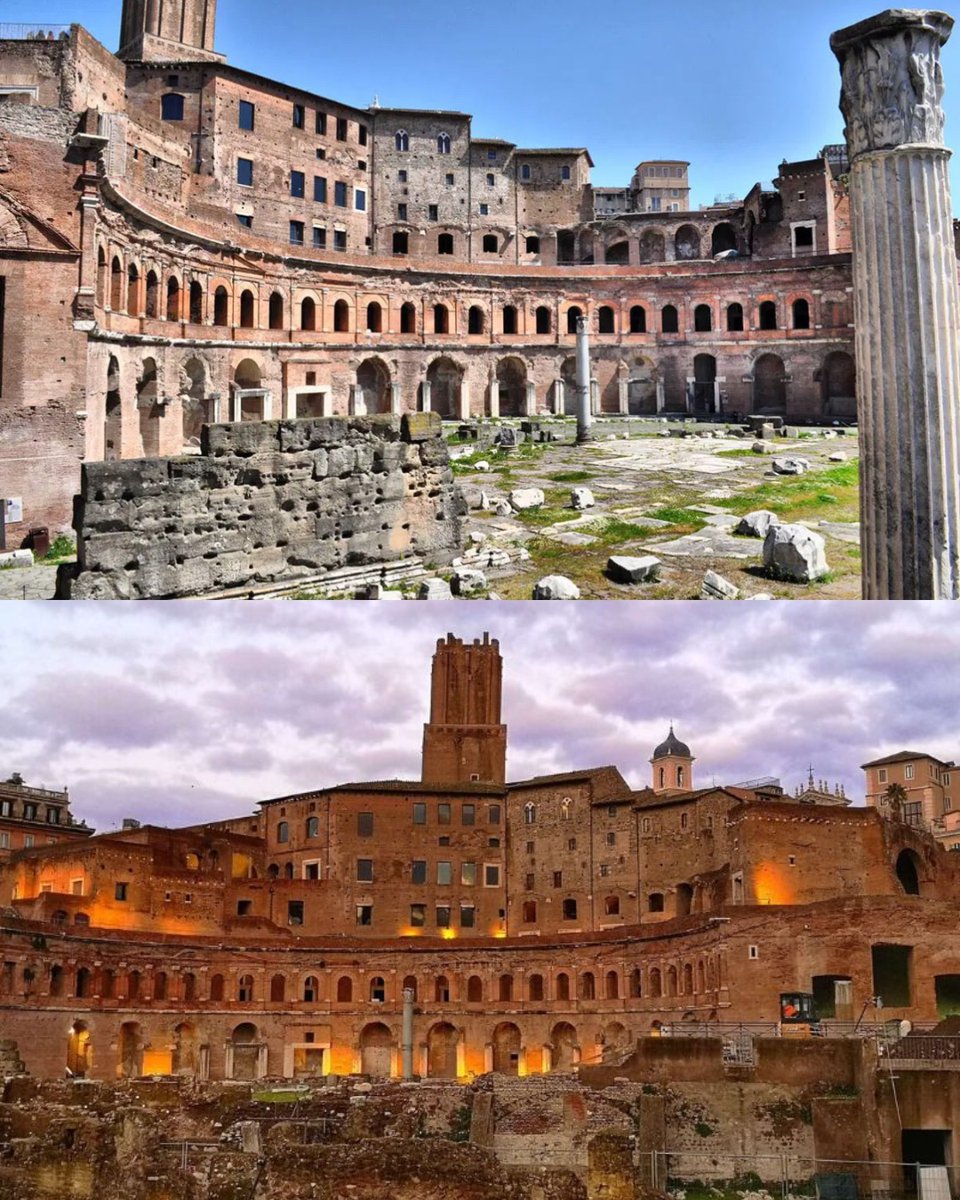
14. Trajan’s Market, Rome
Constructed around 110 AD by Apollodorus of Damascus, it is considered the oldest shopping mall in the world. x.com
Constructed around 110 AD by Apollodorus of Damascus, it is considered the oldest shopping mall in the world. x.com
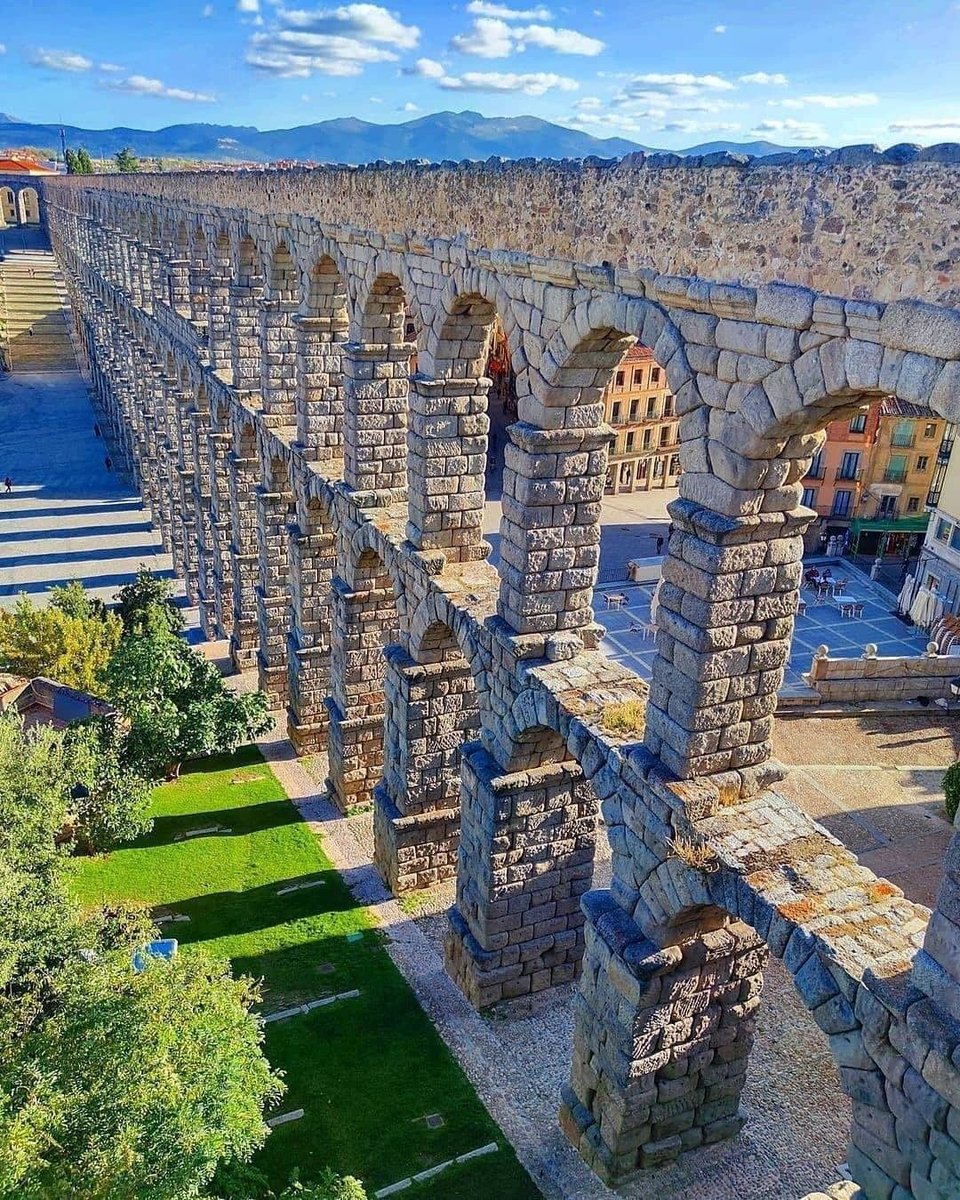
15. Aqueduct of Segovia
Built around the first century AD and consisting of over 25,000 granite blocks held together without mortar, the aqueduct is undoubtedly one of the best-preserved works of Roman engineering in the world. x.com
Built around the first century AD and consisting of over 25,000 granite blocks held together without mortar, the aqueduct is undoubtedly one of the best-preserved works of Roman engineering in the world. x.com
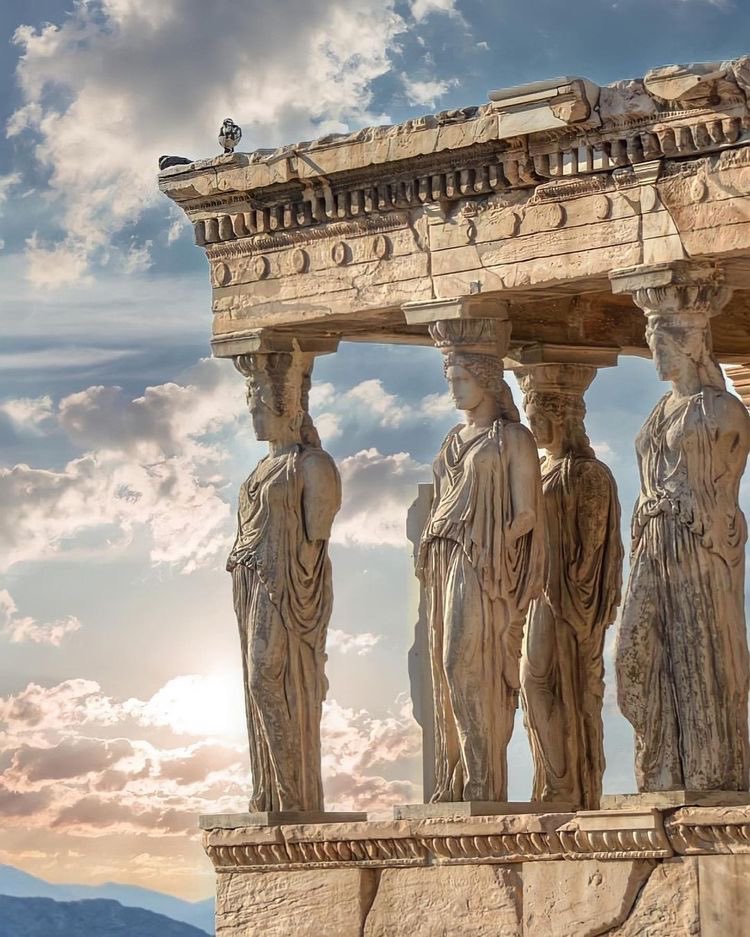
16. The Erechtheion, Acropolis of Athens, Greece (c.406 BC)
Built around 421 BC, this ancient Greek Ionic temple is mostly known for the famous Porch of the Caryatids (or Porch of the Maidens), where six sculpted female figures serve as supporting columns. x.com
Built around 421 BC, this ancient Greek Ionic temple is mostly known for the famous Porch of the Caryatids (or Porch of the Maidens), where six sculpted female figures serve as supporting columns. x.com
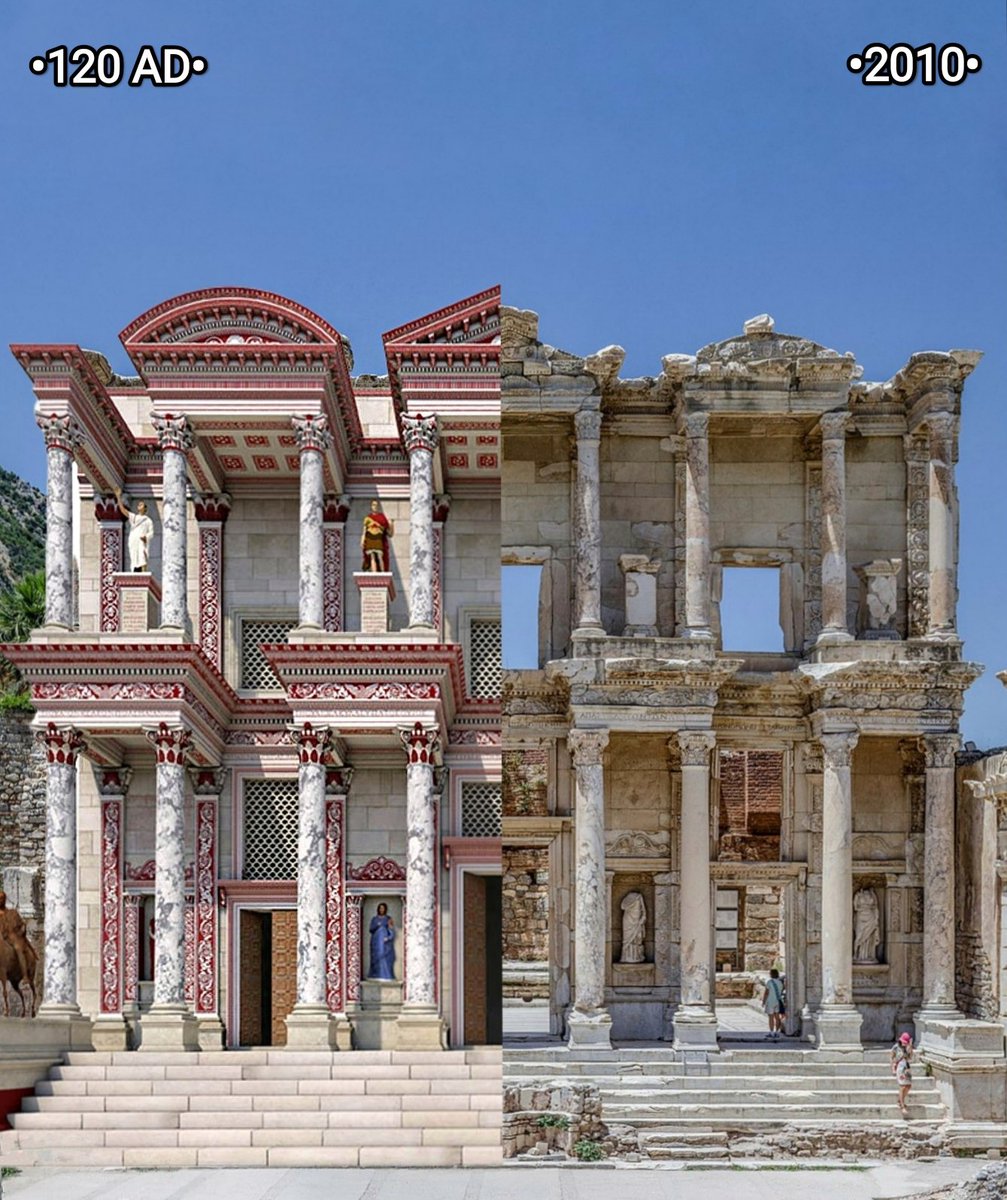
17. The Library of Celsus, Ephesus
This magnificent structure was the third-largest library in the Greco-Roman world and remains one of the few surviving examples of great libraries from the Roman Empire. x.com
This magnificent structure was the third-largest library in the Greco-Roman world and remains one of the few surviving examples of great libraries from the Roman Empire. x.com
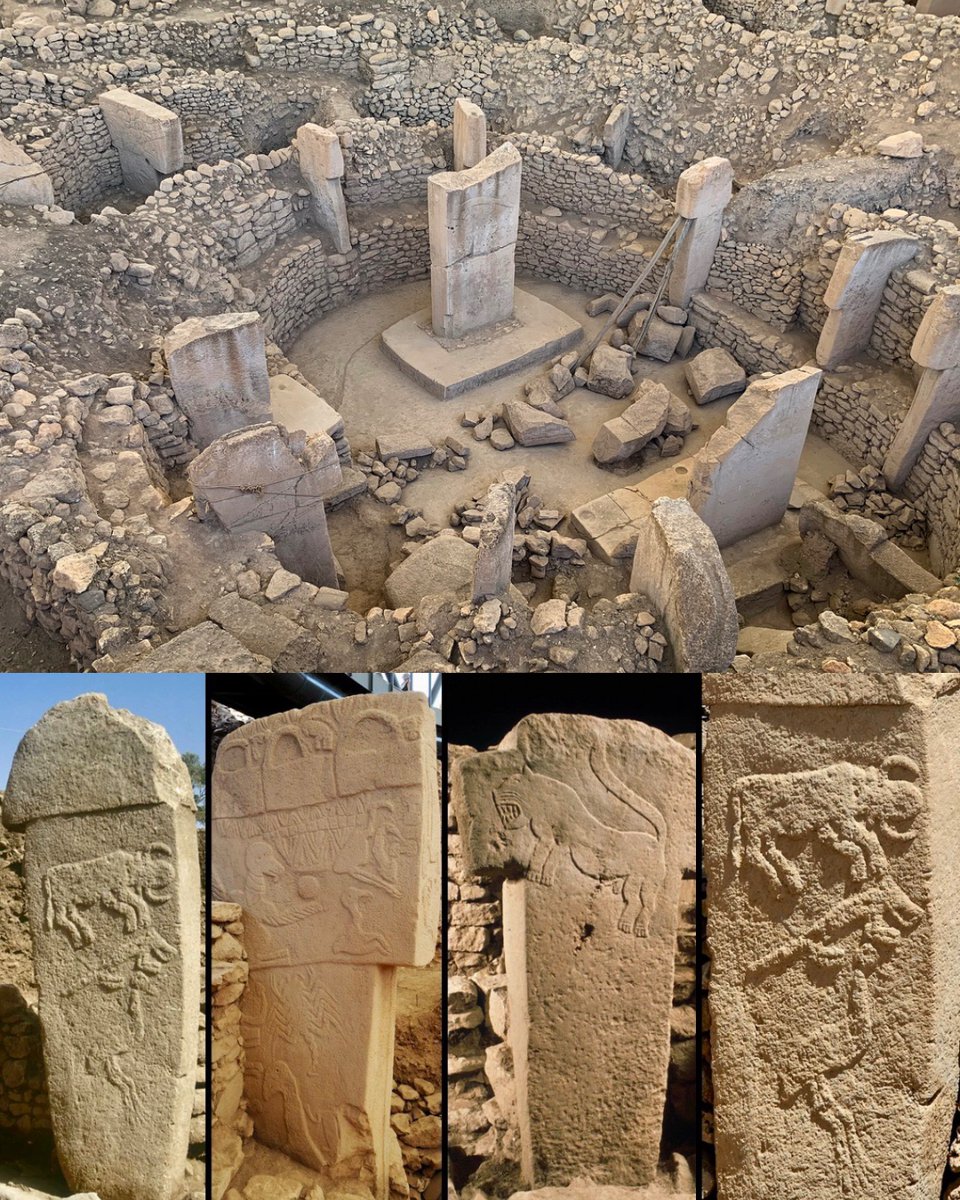
18. Göbekli Tepe, Turkey
This Neolithic archaeological site is considered to be the oldest structure in the world made by humans that’s still standing today.
It was built in 9500 B.C, which makes it twice as old as Stonehenge. x.com
This Neolithic archaeological site is considered to be the oldest structure in the world made by humans that’s still standing today.
It was built in 9500 B.C, which makes it twice as old as Stonehenge. x.com
19. The Mausoleum of Hadrian (123–139 AD)
Also known as Castel Sant'Angelo, this stunning cylindrical building was commissioned by the Roman Emperor Hadrian as a mausoleum for himself and his family.
It was once the tallest building in Rome.
x.com
Also known as Castel Sant'Angelo, this stunning cylindrical building was commissioned by the Roman Emperor Hadrian as a mausoleum for himself and his family.
It was once the tallest building in Rome.
x.com

20. The Gate of All Nations, Iran
Its construction was ordered by the Achaemenid king Xerxes I (486–465 BC), the successor of the founder of Persepolis, Darius I the Great.
The name of the monument was derived from an inscription engraved on the gate. x.com
Its construction was ordered by the Achaemenid king Xerxes I (486–465 BC), the successor of the founder of Persepolis, Darius I the Great.
The name of the monument was derived from an inscription engraved on the gate. x.com

Thanks for reading till the end! If you enjoyed this thread and would like to support the mission of spreading beauty on X, please share the first post and follow me for more content: @JamesLucasIT
The link in post #9 isn’t working for some reason. Here’s the video of the Sphinx by Ahmed Sameh:
x.com
x.com
جاري تحميل الاقتراحات...