

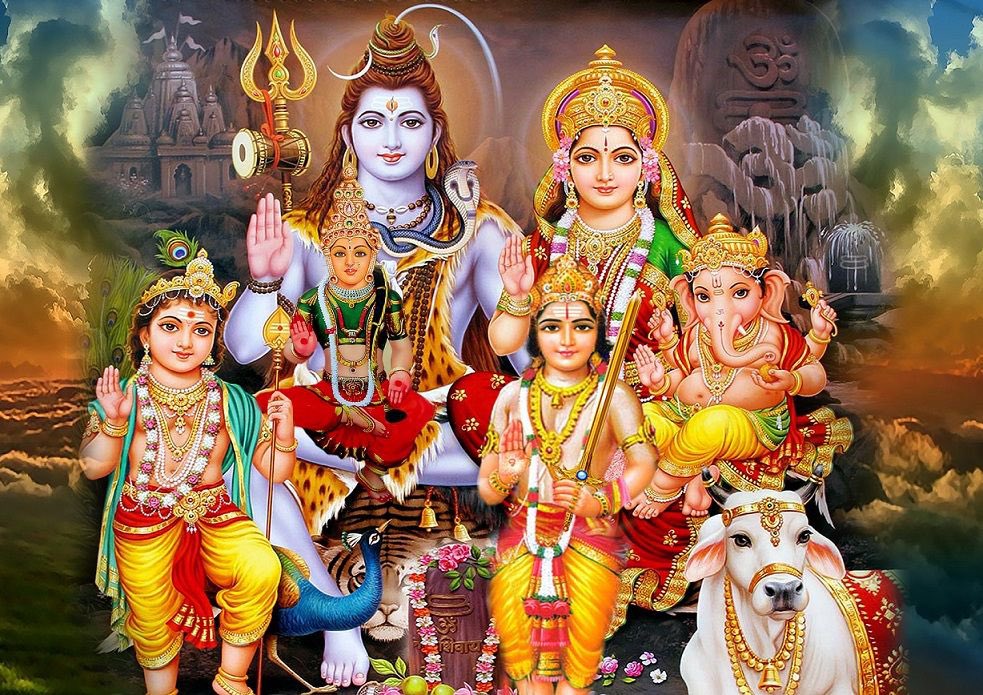
when we viewing depictions of bhagwan Shiva’s family, you’ll often encounter four central figures which Bhagwan Shiva himself, his beloved consort Goddess Parvati, and their two sons, Kartikeya and Ganesh. Bhagwan Shiva has a total of six children. In addition to his two well-known sons, Kartikeya and Ganesh, there are two more sons — Andhakasura, who is often portrayed as a demon, and Lord Ayyapan, also commonly referred to as Hariharan.
Furthermore, Bhagwan Shiva also has two daughters Devi Mansa and Devi Ashoksundari, the latter also being known as Devi Viraja.
Furthermore, Bhagwan Shiva also has two daughters Devi Mansa and Devi Ashoksundari, the latter also being known as Devi Viraja.
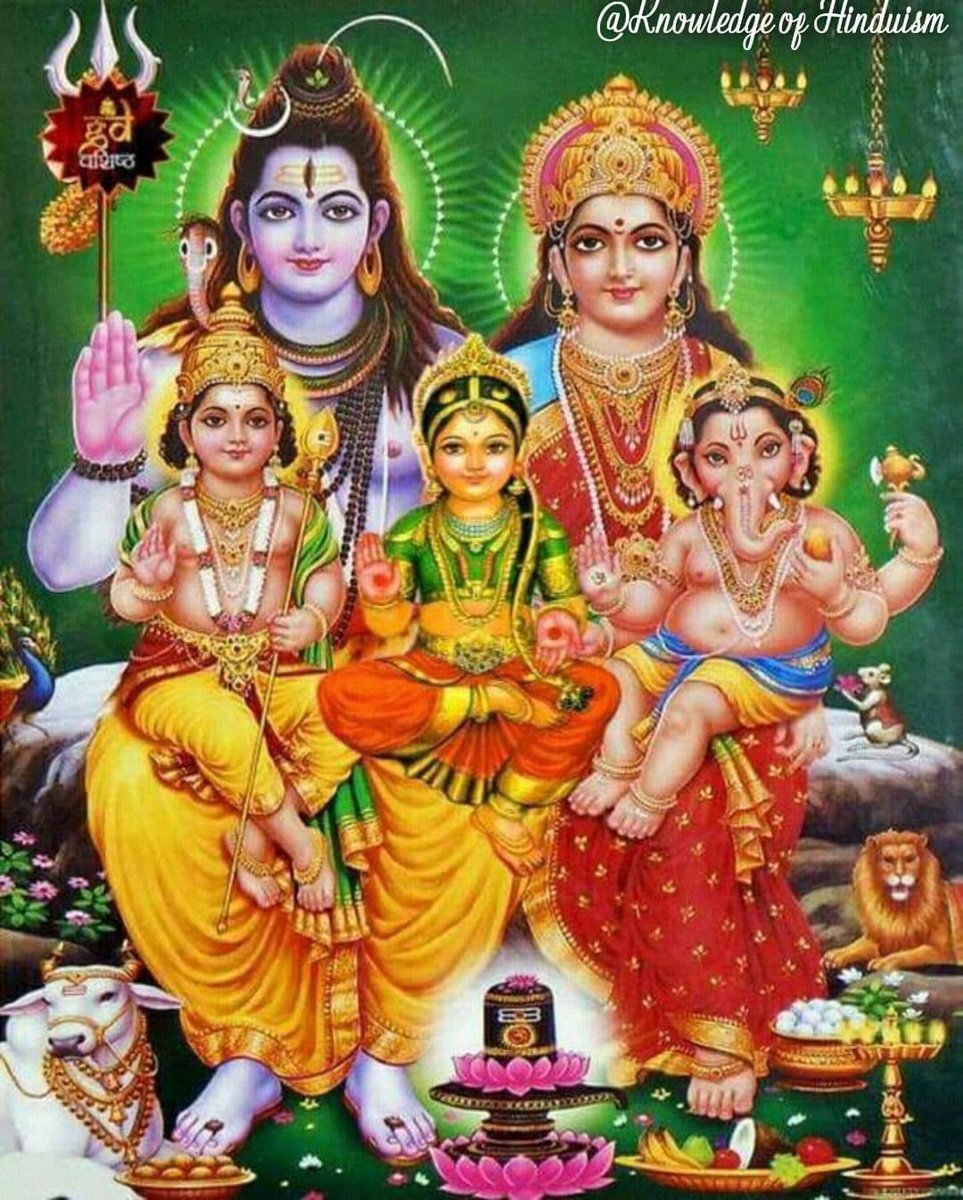
Devi Mansa holds a revered position as the goddess of snakes, presiding over the serpent kingdom. Her worship is widespread extending to regions like Himachal Pradesh. On the other hand, Ashoksundari remains relatively obscure and lacks a significant following. delve into the enigmatic figure of Ashoksundari, also known as Viraja.
The Birth of Ashoksundari
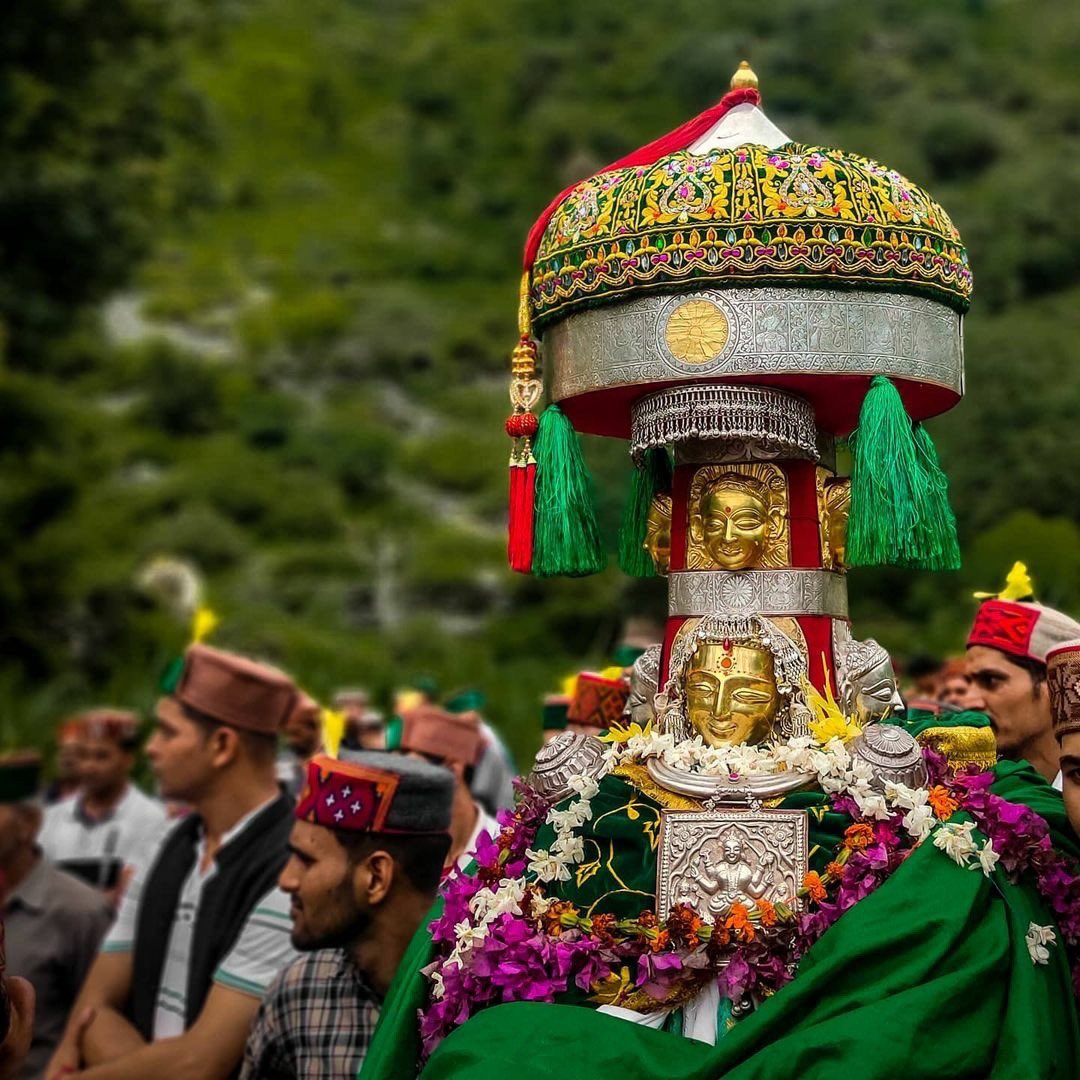
Ashoksundari’s story begins with her birth, which was far from ordinary. According to sacred texts, bhagwan Shiv and Goddess Parvati longed for a child. Their earnest prayers and devotion led to the birth of Ashoksundari, whose name translates to “She who dispels sorrows” or “The beautiful one who alleviates all worries.” The Goddess was born from a magical wish-fulfilling tree known as Kalpavriksha. According to the Puranas, when bhagwan Shiva was busy in meditation, Kartikeya in warfare, and Ganesh in penances Devi Parvati used to be alone in the Kailash.
Loneliness enveloped her, for her husband and all her children were far from her side. In a search to relieve her solitude, she undertook a journey to the Kalpavriksha, appealing for a daughter to accompany her.
It was from this sacred tree that Goddess Ashoksundari was born, fulfilling her heartfelt yearning.
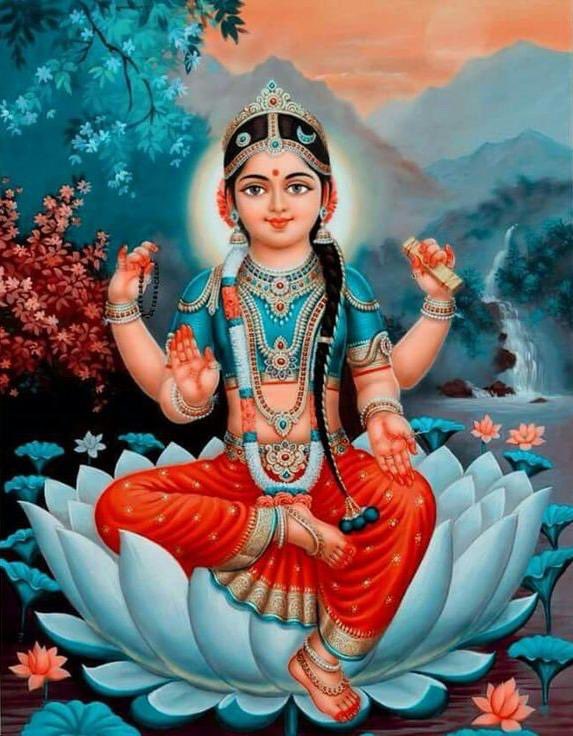
Ashoksundari is regarded as the goddess of beauty and a reliever of problems. Worshipped in the form of Bala Tripurasundari, She becomes the guarding deity of beauty and gorgeousness.
Ashoksundari’s story begins with her birth, which was far from ordinary. According to sacred texts, bhagwan Shiv and Goddess Parvati longed for a child. Their earnest prayers and devotion led to the birth of Ashoksundari, whose name translates to “She who dispels sorrows” or “The beautiful one who alleviates all worries.” The Goddess was born from a magical wish-fulfilling tree known as Kalpavriksha. According to the Puranas, when bhagwan Shiva was busy in meditation, Kartikeya in warfare, and Ganesh in penances Devi Parvati used to be alone in the Kailash.
Loneliness enveloped her, for her husband and all her children were far from her side. In a search to relieve her solitude, she undertook a journey to the Kalpavriksha, appealing for a daughter to accompany her.
It was from this sacred tree that Goddess Ashoksundari was born, fulfilling her heartfelt yearning.
Ashoksundari is regarded as the goddess of beauty and a reliever of problems. Worshipped in the form of Bala Tripurasundari, She becomes the guarding deity of beauty and gorgeousness.
Her Divine Characteristics
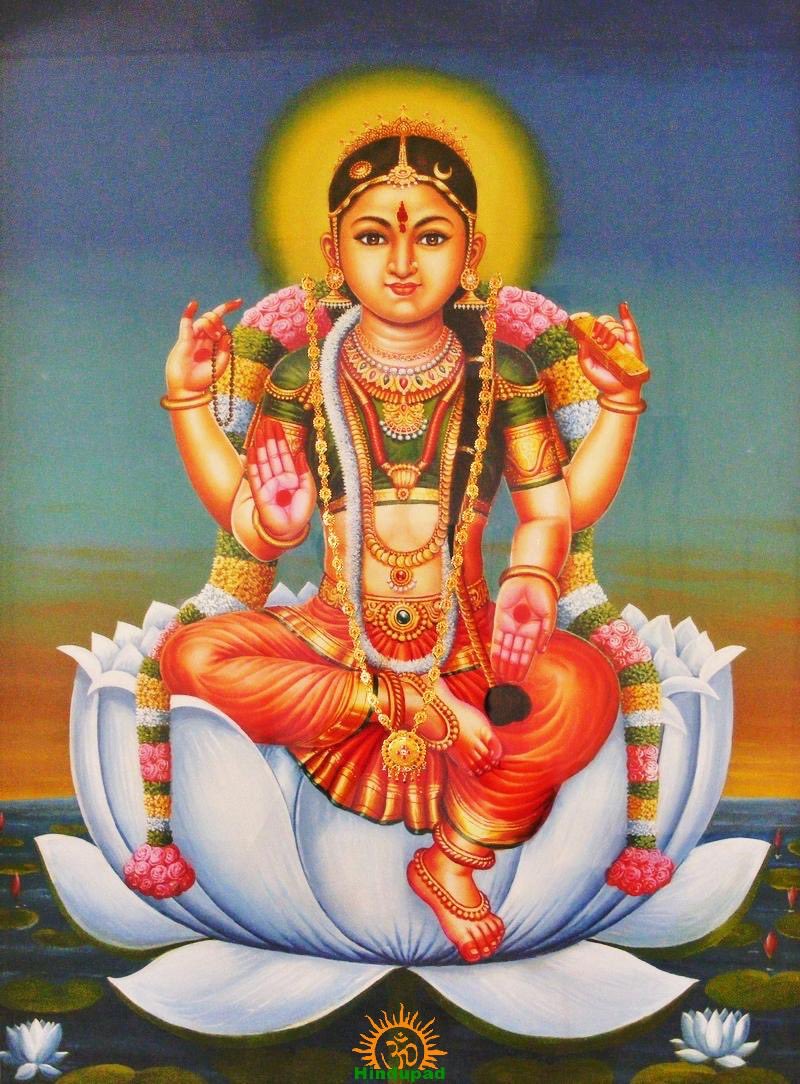
Ashoksundari is typically depicted as a young girl, symbolizing purity and innocence. Her iconography often features a youthful form, adorned with divine attributes, and radiating grace and charm. She is believed to embody compassion, and her presence is said to bring solace and relief to those who seek her blessings. She is often associated with alleviating the sorrows and anxieties of devotees, providing them with solace and mental peace. Her benevolent nature reflects the Hindu belief in the multifaceted aspects of divinity, with each deity representing various qualities and attributes.
Ashoksundari is typically depicted as a young girl, symbolizing purity and innocence. Her iconography often features a youthful form, adorned with divine attributes, and radiating grace and charm. She is believed to embody compassion, and her presence is said to bring solace and relief to those who seek her blessings. She is often associated with alleviating the sorrows and anxieties of devotees, providing them with solace and mental peace. Her benevolent nature reflects the Hindu belief in the multifaceted aspects of divinity, with each deity representing various qualities and attributes.

جاري تحميل الاقتراحات...