

In the last few days, there has been a surge of criticism against Bhagwan Krishna by Leftists and Jihadis, particularly targeting incidents like his childhood thefts and his relationships with the Gopis. But these criticisms often stem from a deep Hindu hatred.
Long Thread⬇️
Long Thread⬇️

First, it's important to recognize that Puranic literature is not history (as understood by Abrahamics). It's a symbolic narrative that communicates deep spiritual truths. The stories of Krishna are written in a mystic style, and have 3 meanings: Adhidaivik, Adhibhautik and Adhyatmik.
/1
/1

When people accuse Krishna of theft in his childhood, they miss the symbolism. Krishna stealing butter represents him removing the "bad blood" or negative traits from the hearts of his devotees. It's not about material theft but spiritual cleansing
/2
/2
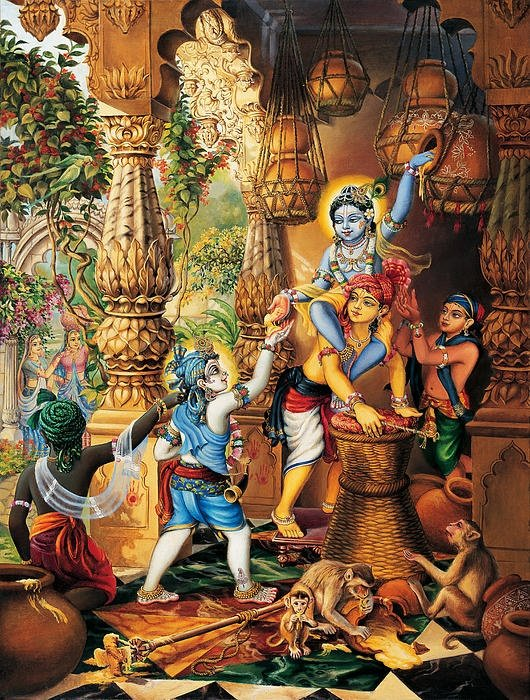
Krishna's childhood represents the early awakening of spiritual consciousness. As one progresses on the spiritual path, negative tendencies (like attachment and ego) are gradually purified. This is what Krishna’s so-called thefts symbolize.
/3
/3
The criticism of Krishna being surrounded by women, particularly the Gopis, is also misunderstood. In Sanskrit, "thought" is feminine. The Gopis represent the countless thoughts that dance around our consciousness. Krishna is the Central Self, the pure awareness.
/4
/4
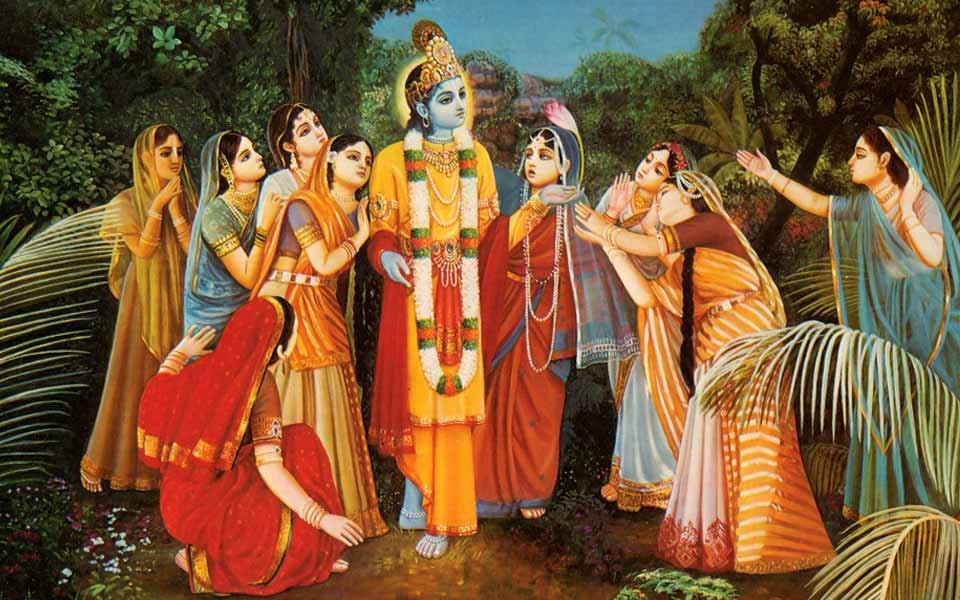
Krishna interacting with the Gopis is a metaphor for how our thoughts (Gopis) are constantly engaged with our consciousness (Krishna). The Gopis’ devotion represents the mind's yearning to unite with the divine. It's an allegory for spiritual love, not physical.
/5
/5
The claim that Krishna married 16,008 wives is another symbolic expression. These "wives" represent the multitude of human thoughts, all of which find fulfillment only when united with divine consciousness.
/6
/6
Every thought in our mind borrows its existence from the Atman (soul), which is symbolized by Krishna. When Krishna "marries" these thoughts, it means they have been liberated from ego and are now aligned with divine will.
/7
/7
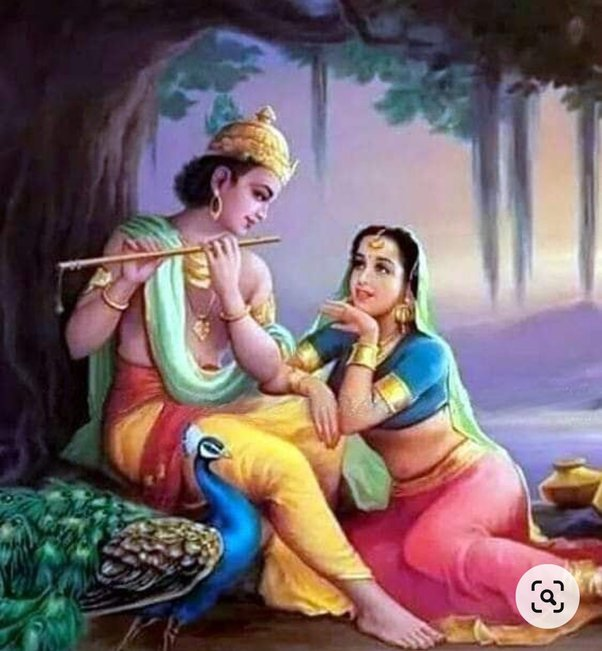
One of the most misunderstood stories is Krishna asking the Gopis to approach him naked after stealing their clothes. This represents the ego shedding its materialistic layers to reveal the true, naked self—the pure consciousness.
/8
/8

The act of the Gopis entering the water symbolizes cleansing themselves of worldly attachments. When Krishna returns their clothes, it represents the realization of their true self—one that is free from ego but still lives in the world.
/9
/9
This symbolism is crucial. The naked Gopi is not about physical nudity but about stripping away the ego's layers. It’s a profound metaphor for spiritual awakening, where the soul reunites with the divine, unencumbered by material desires.
/10
/10
Critics often see these stories through the lens of their own biases. They fail to understand that these narratives were meant for those who had already grasped the deeper meanings of self-realization.
/11
/11
Reading the Bhagavatam or any Puranic text requires an understanding of its symbolic language. Like great art, these stories can be misunderstood if one focuses only on the surface and ignores the deeper, spiritual message.
/12
/12
Unfortunately, colonial and missionary education systems have distorted our understanding of our own culture. These texts were often dismissed as mere mythology without recognizing the profound wisdom they contain.
/13
/13
Let’s unlearn these harmful ideas and approach our sacred texts with a fresh perspective. When we read the Bhagavatam with an open mind, we find that every story is rich with spiritual insights and practical wisdom.
/14
/14
Remember, Krishna was only 8 years old during his time in Vrindavan. The stories of him dancing with the Gopis and marrying thousands of wives are symbolic. It’s absurd to interpret them literally as acts of seduction or immorality.
/15
/15
The critics who attack these stories often project their own (or their prophet's) misunderstandings onto them. The symbolism of the Bhagavatam offers a path to self-mastery, not a justification for immoral behavior.
/16
/16
As followers of Sanatan Dharma, it’s our responsibility to understand and communicate the deeper meanings of our scriptures. So the next time someone criticizes Krishna, let’s help them see the light.
/17
End
/17
End
جاري تحميل الاقتراحات...