

1/6) Do you want to learn to address the root cause of metabolic syndrome and insulin-resistance disorders?
Of course you do! (links at the end)
🤯And these New Data will Blow your Mind! 🤯
Background
First, for some relevant background: You’ve certainly heard of Ozempic and related obesity medications in the GLP-1 agonist class. This means these drugs mimic a natural hormone (GLP-1) produced by cells in the intestines.
What you may not know is that metabolic syndrome and insulin-resistance disorders, including obesity, diabetes, etc. are associated with a deficiency in natural GLP-1.
So – high-level – “replacing” what’s missing makes sense. BUT, we should also ask “WHY?”
THE QUESTION: Why is there a GLP-1 deficiency in insulin-resistance disorders?
Of course you do! (links at the end)
🤯And these New Data will Blow your Mind! 🤯
Background
First, for some relevant background: You’ve certainly heard of Ozempic and related obesity medications in the GLP-1 agonist class. This means these drugs mimic a natural hormone (GLP-1) produced by cells in the intestines.
What you may not know is that metabolic syndrome and insulin-resistance disorders, including obesity, diabetes, etc. are associated with a deficiency in natural GLP-1.
So – high-level – “replacing” what’s missing makes sense. BUT, we should also ask “WHY?”
THE QUESTION: Why is there a GLP-1 deficiency in insulin-resistance disorders?
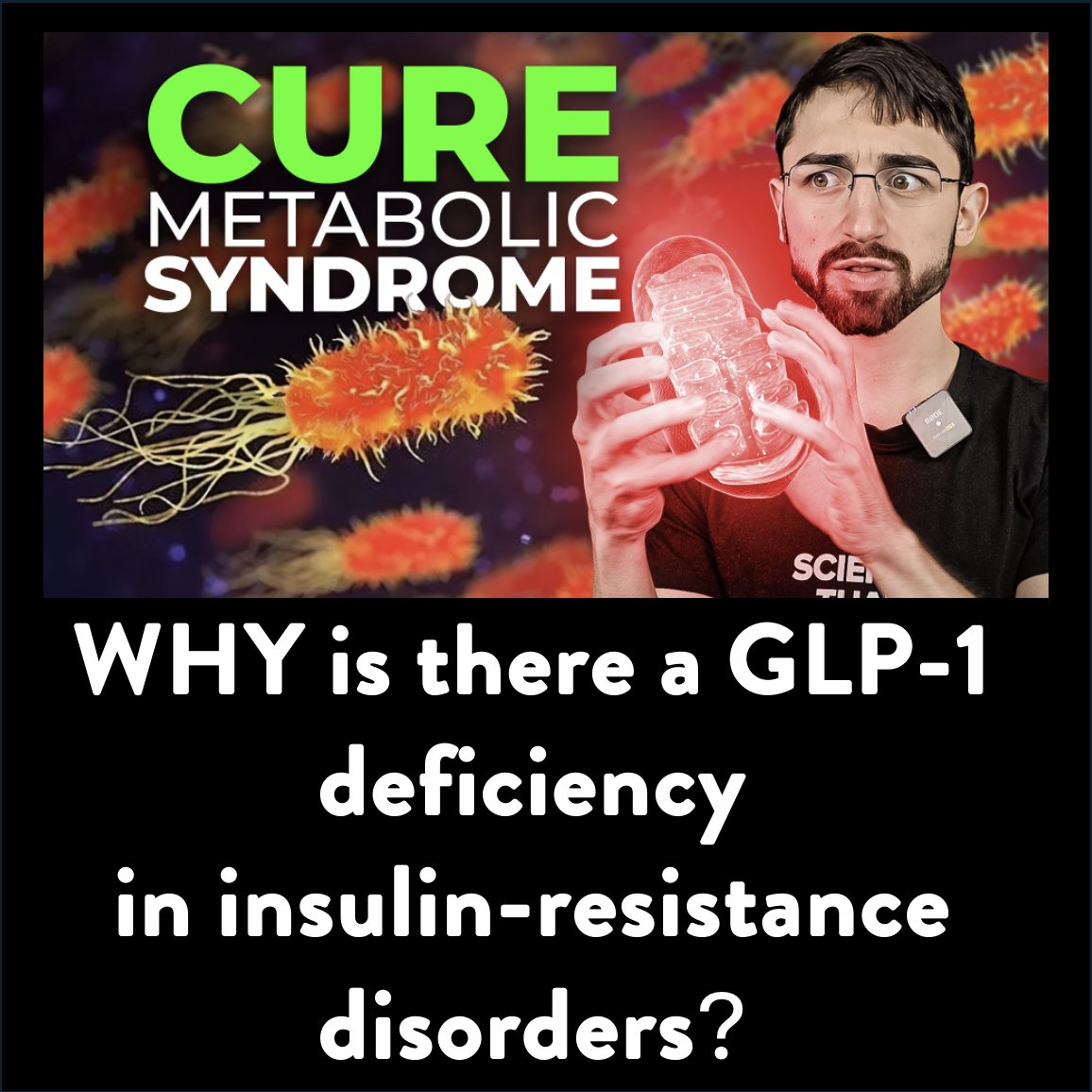
2/6) There have been some hand-wavy answers for a time, e.g. that ‘inflammation’ damages the cells that make GLP-1 in the gut, or that specific inflammatory immune cells “mop up” GLP-1.
But these new data get more specific, more targeted, and provide inroads for practical innovation.
But these new data get more specific, more targeted, and provide inroads for practical innovation.
3/6) THE MECHANISM
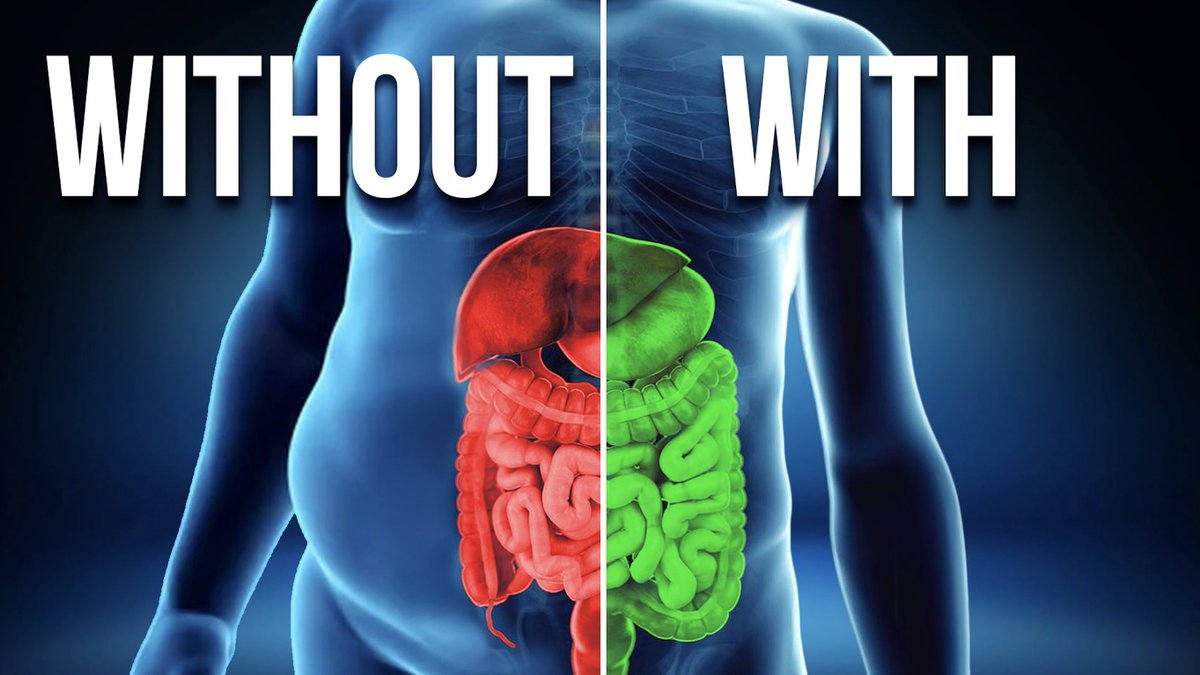
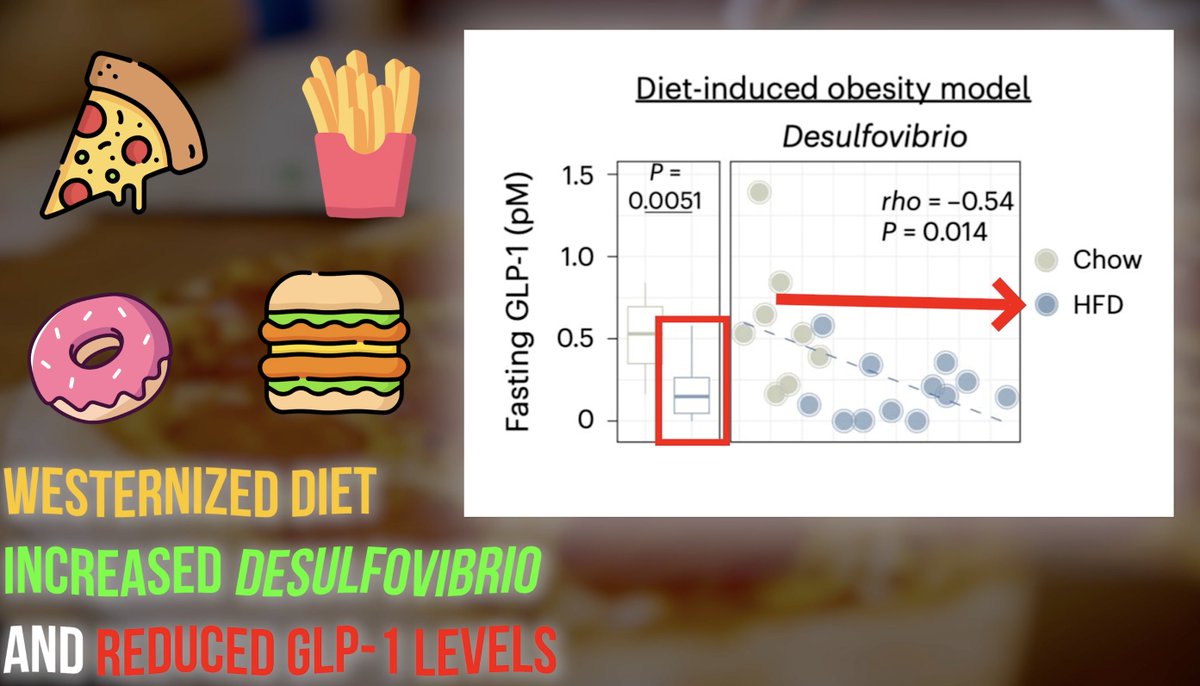
In brief, researchers discover that an obesogenic Westernized diet, in a mouse model, increases levels of a specific gut bacteria – Desulfovibrio – that produces hydrogen sulfide gas that damages mitochondria in GLP-1 producing cells, leading to a GLP-1 deficit.
In humans too Desulfovibrio levels are increases in insulin resistance disorders and metabolic syndrome in association with a GLP-1 deficit.
In brief, researchers discover that an obesogenic Westernized diet, in a mouse model, increases levels of a specific gut bacteria – Desulfovibrio – that produces hydrogen sulfide gas that damages mitochondria in GLP-1 producing cells, leading to a GLP-1 deficit.
In humans too Desulfovibrio levels are increases in insulin resistance disorders and metabolic syndrome in association with a GLP-1 deficit.
4/6) The Solution(s)
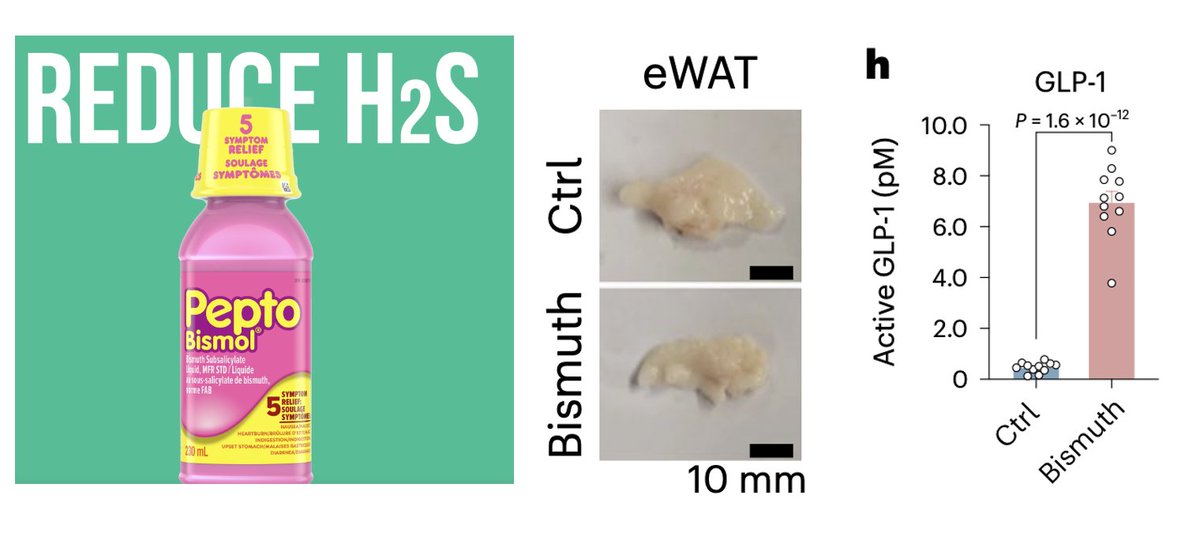
Stunningly, Bismuth subsalicylate (the active ingredient in Pepto Bismol!) BLOCKS Desulfovibrio and hydrogen sulfide, INCREASES GLP-1, and PROTECTS from weight and fat gain in an obesogenic diet context.
How BANANAS is that?!
Stunningly, Bismuth subsalicylate (the active ingredient in Pepto Bismol!) BLOCKS Desulfovibrio and hydrogen sulfide, INCREASES GLP-1, and PROTECTS from weight and fat gain in an obesogenic diet context.
How BANANAS is that?!
5/6) Actually, less “bananas” and more Artichoke.
Prior research, including a human randomized trial in 2015, showed the insulin fiber dosed at just 5g/d for 21 days could decrease Desulfovibrio 42%.
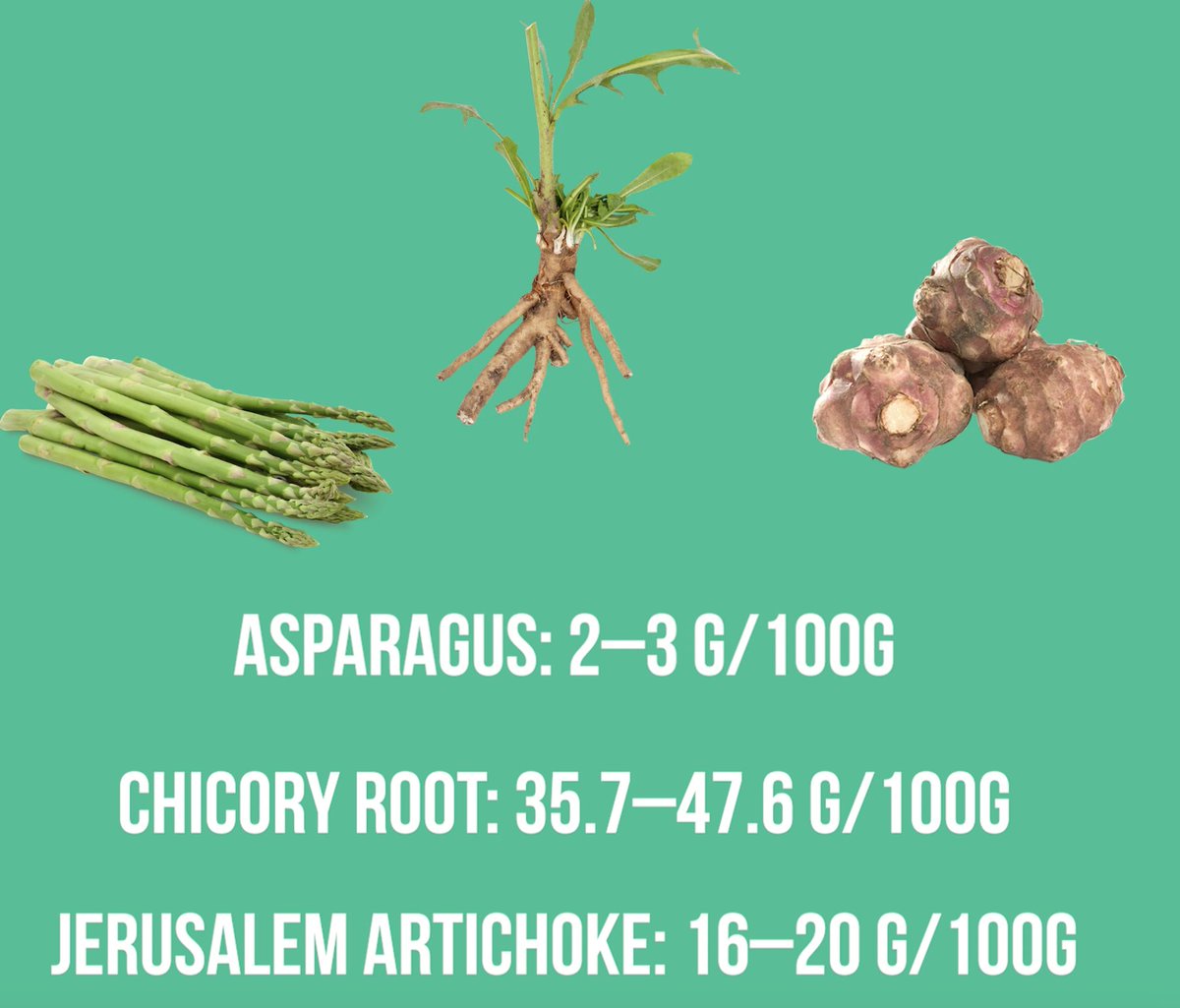
Inulin is a fiber found in high levels in artichoke, chicory root, and asparagus.
And, also, one ingredient in @drink_AG1 (cue laugh🤣, here, cc @hubermanlab). Now, if AG-1 would like to pay me for this plug, I accept cash or great EVOO or cheeses.
Prior research, including a human randomized trial in 2015, showed the insulin fiber dosed at just 5g/d for 21 days could decrease Desulfovibrio 42%.
Inulin is a fiber found in high levels in artichoke, chicory root, and asparagus.
And, also, one ingredient in @drink_AG1 (cue laugh🤣, here, cc @hubermanlab). Now, if AG-1 would like to pay me for this plug, I accept cash or great EVOO or cheeses.
6/6) These are fascinating data. 2 questions that remain for me:
> What other dietary components or “functional foods” block Desulfovibrio? Conversely, what specific dietary components exacerbate Desulfovibrio and/or cause direct damage to GLP-1 producing L-cells?
> What are other specific causal pathways that could contribute to GLP-1 producing L-cells damage? This is not the full story. It never is.
See the full video via YouTube, here (just 6 min 24 sec): youtu.be
Paper, Nature Metabolism: nature.com
If your mind is at least a little bit blown, CONGRATS! You're a nerd too!
> What other dietary components or “functional foods” block Desulfovibrio? Conversely, what specific dietary components exacerbate Desulfovibrio and/or cause direct damage to GLP-1 producing L-cells?
> What are other specific causal pathways that could contribute to GLP-1 producing L-cells damage? This is not the full story. It never is.
See the full video via YouTube, here (just 6 min 24 sec): youtu.be
Paper, Nature Metabolism: nature.com
If your mind is at least a little bit blown, CONGRATS! You're a nerd too!

جاري تحميل الاقتراحات...