

For almost half a decade, I've used an Oura Ring to track my sleep habits & recovery.
But after 4 years, I've decided to stop wearing it.
Here's why:
But after 4 years, I've decided to stop wearing it.
Here's why:

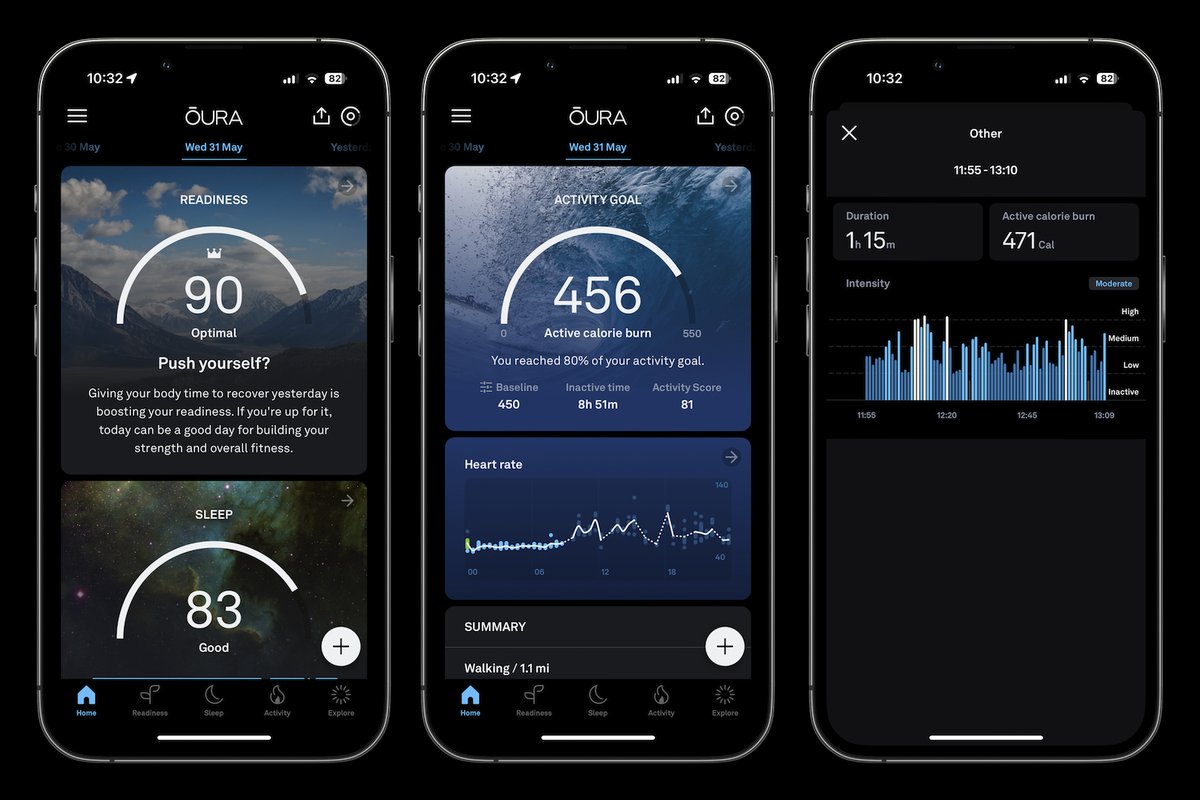
What's an Oura Ring?
An Oura ring is a device that tracks your sleep & recovery.
It's similar to the Whoop band and other sleep trackers out there on the market.
An Oura ring is a device that tracks your sleep & recovery.
It's similar to the Whoop band and other sleep trackers out there on the market.
Why did I use an Oura Ring?
My sleep was horrible since I was a kid.
I'd have trouble going to sleep & would wake up a few times at night.
Poor sleep affects performance & long-term sleep deprivation can set you up for some horrible diseases.
This is why I used the Oura Ring.
My sleep was horrible since I was a kid.
I'd have trouble going to sleep & would wake up a few times at night.
Poor sleep affects performance & long-term sleep deprivation can set you up for some horrible diseases.
This is why I used the Oura Ring.
Benefits of using the Oura Ring
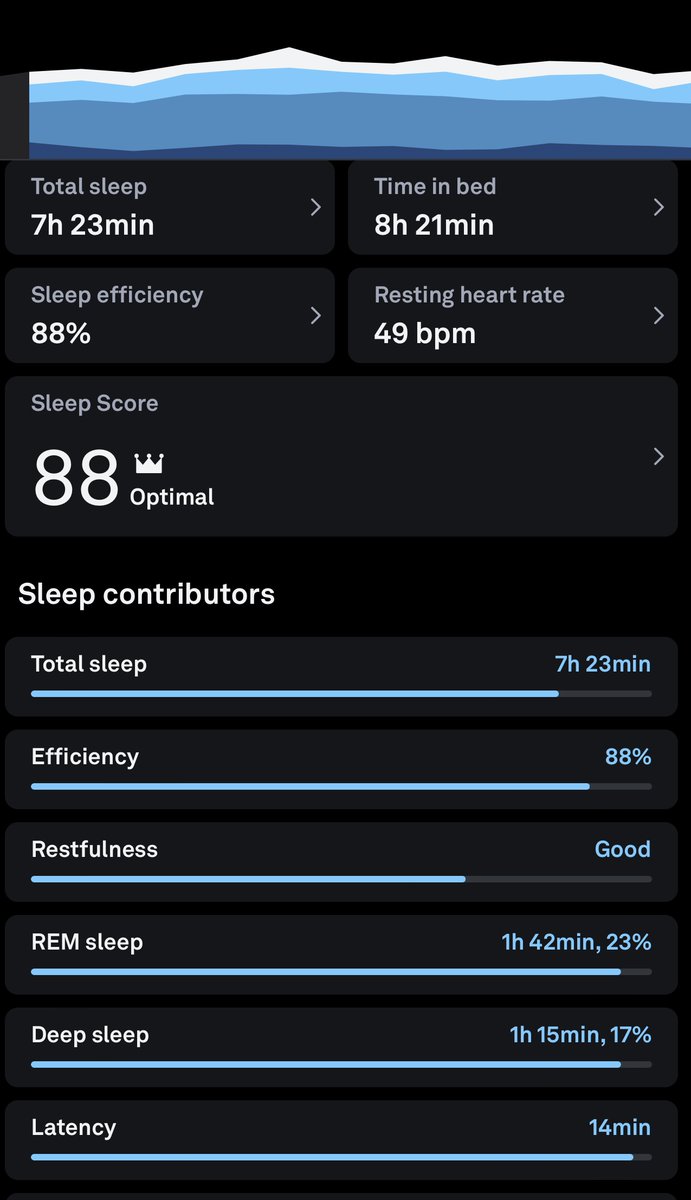
It calculates your sleep & recovery through an algorithm that tracks latency, sleep time, REM sleep, deep sleep, respiratory rate, heart rate & HRV.
It also tracks your steps, detects when you're sick & has mindfulness features I rarely used.
It calculates your sleep & recovery through an algorithm that tracks latency, sleep time, REM sleep, deep sleep, respiratory rate, heart rate & HRV.
It also tracks your steps, detects when you're sick & has mindfulness features I rarely used.
Things I’ve found with tracking my sleep
· Mouth taping
· Glycine
· Electrolytes
· Magnesium l-threonate
· Blue light blockers
Have all improved my sleep.
· Alcohol
· Eating too close to bed
· Opening emails before sleep
· Evening workouts
Have all negatively impact sleep.
· Mouth taping
· Glycine
· Electrolytes
· Magnesium l-threonate
· Blue light blockers
Have all improved my sleep.
· Alcohol
· Eating too close to bed
· Opening emails before sleep
· Evening workouts
Have all negatively impact sleep.
The biggest reason I stoppped using an Oura Ring was the psychological effect it was having on me.
At times, getting a poor sleep or recovery score could influence how I felt & performed.
The psychosomatic effect of a poor sleep or recovery score can mess with your mind.
At times, getting a poor sleep or recovery score could influence how I felt & performed.
The psychosomatic effect of a poor sleep or recovery score can mess with your mind.
Sleep and recovery scores can be inaccurate
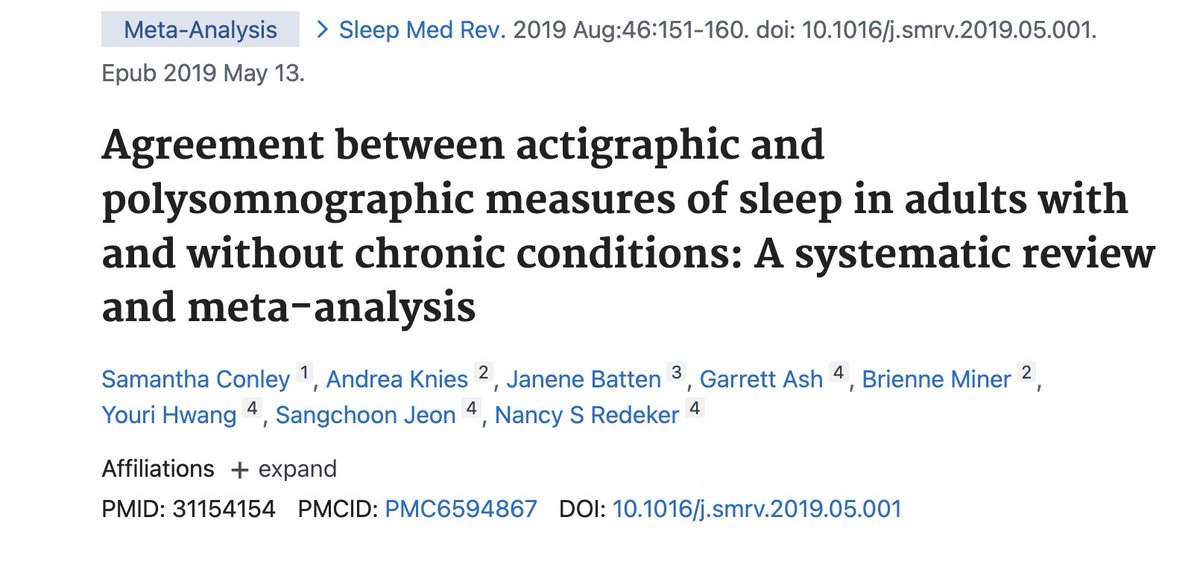
Researchers have found sleep trackers are only accurate 78% of the time when identifying sleep versus wakefulness.
This drops to 38% when estimating latency.
I also found my HRV readings to be wildly inaccurate.
Researchers have found sleep trackers are only accurate 78% of the time when identifying sleep versus wakefulness.
This drops to 38% when estimating latency.
I also found my HRV readings to be wildly inaccurate.
Once you've got the data, sleep trackers can become mentally taxing
Don't get me wrong. Wearing the Oura ring has made my sleep 10x better.
But once you have tested everything & improved your sleep, quantifying it every day becomes more of a burden than a benefit.
Don't get me wrong. Wearing the Oura ring has made my sleep 10x better.
But once you have tested everything & improved your sleep, quantifying it every day becomes more of a burden than a benefit.
The business model turned into a money grab
You used to be able to get your data without paying a monthly membership as long as we paid for the device.
Now, Oura, Whoop, and other brands all charge a monthly fee for access to your data, which I find irrelevant and predatory.
You used to be able to get your data without paying a monthly membership as long as we paid for the device.
Now, Oura, Whoop, and other brands all charge a monthly fee for access to your data, which I find irrelevant and predatory.
What would I do differently?
The great thing about sleep is that it gives you instant biofeedback based on what you did the night before.
So I'd wear the Oura ring for 6 months to a year while taking a sleep journal to track how I feel.
Once I got my data I'd stop using it.
The great thing about sleep is that it gives you instant biofeedback based on what you did the night before.
So I'd wear the Oura ring for 6 months to a year while taking a sleep journal to track how I feel.
Once I got my data I'd stop using it.
The Oura Ring has improved my life to a large degree, but there comes a point when you have enough information on what leads to good sleep & what doesn't.
I'll bring it back from time to time to keep me in check, but for the most part, my life has become better without it.
I'll bring it back from time to time to keep me in check, but for the most part, my life has become better without it.
Do you use a sleep tracker? I'd love to hear your thoughts.
If got value out of this thread:
1. Follow me @FitFounder
2. RT the tweet below to share this thread with your friends
If got value out of this thread:
1. Follow me @FitFounder
2. RT the tweet below to share this thread with your friends
Ps. If you liked this post you'll enjoy my newsletter.
Every week I share tips on how to get lean, boost energy, and live longer.
Join 305,000+ subscribers here:
dango.co
Every week I share tips on how to get lean, boost energy, and live longer.
Join 305,000+ subscribers here:
dango.co

جاري تحميل الاقتراحات...