
If you have 𝙃𝙔𝙋𝙀𝙍𝙏𝙀𝙉𝙎𝙄𝙊𝙉 try to make the following diet and lifestyle changes.
⚠️ Discuss with your doctor before attempting. #hypertension
1. Consider hibiscus tea, pomegranate juice, beetroot juice and cocoa as they are rich in nitrates and lowers BP.
1/15
⚠️ Discuss with your doctor before attempting. #hypertension
1. Consider hibiscus tea, pomegranate juice, beetroot juice and cocoa as they are rich in nitrates and lowers BP.
1/15

If you don't want a thorough read, just scroll through the images to get an idea.
I recommend to go through the whole 🧵 as it is an extract of recommendations from the apex global medical body on hypertension-
International Society of Hypertension ( ISH)
Let's go..
I recommend to go through the whole 🧵 as it is an extract of recommendations from the apex global medical body on hypertension-
International Society of Hypertension ( ISH)
Let's go..
2. Alcohol consumption should be zero for the best cardiovascular health.
3. Coffee and caffeinated drinks such as tea ( no added sugar) have beneficial effects on BP and overall cardiovascular health.
3. Coffee and caffeinated drinks such as tea ( no added sugar) have beneficial effects on BP and overall cardiovascular health.
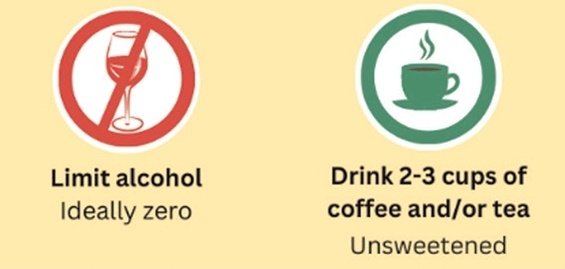
Moderate regular coffee consumption (three to four cups per day) does not adversely affect BP and can be moderately beneficial.
Regular consumption of energy drinks( has large amounts of caffeine) & liquorice root tea promote a spike in BP and heart rate leading to health risk.
Regular consumption of energy drinks( has large amounts of caffeine) & liquorice root tea promote a spike in BP and heart rate leading to health risk.
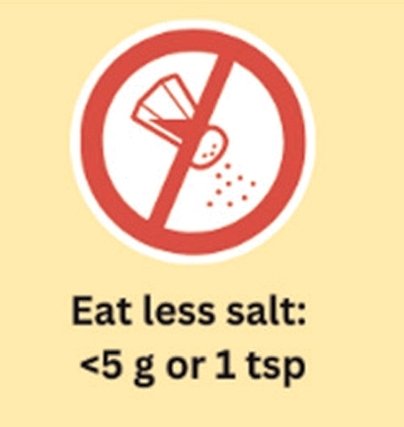
3. Limit your total intake of sodium to less than 2g (5g salt or one teaspoon) per day.
Sodium is mainly consumed as salt from processed foods or added to food during preparation or at the table.
Limit highly salted food like chips, pickles, papad, nuts.
Sodium is mainly consumed as salt from processed foods or added to food during preparation or at the table.
Limit highly salted food like chips, pickles, papad, nuts.
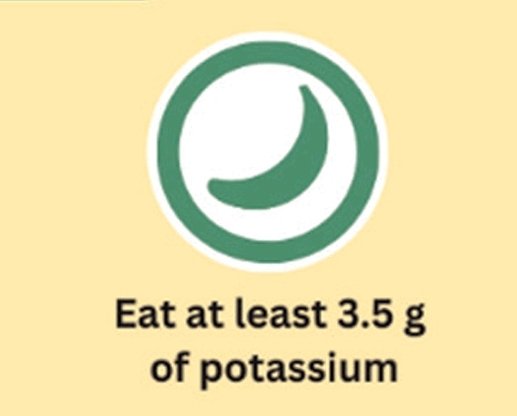
4. Ensure good potassium intake.
Recommended potassium intake is 3.5 g to 4.7 g per day for adults.
Foods high in potassium include cooked white cannellini beans (1200 mg/cup), unsalted boiled spinach (840mg/cup), avocado (708mg/cup) and bananas (450 mg per medium fruit).
Recommended potassium intake is 3.5 g to 4.7 g per day for adults.
Foods high in potassium include cooked white cannellini beans (1200 mg/cup), unsalted boiled spinach (840mg/cup), avocado (708mg/cup) and bananas (450 mg per medium fruit).
Fruits, vegetables, legumes, fat-free or low-fat dairy foods and fish represent good natural dietary sources of potassium.
Enhancing potassium consumption lowers BP by direct effect on the blood vessels and by stimulating sodium excretion in urine.
Enhancing potassium consumption lowers BP by direct effect on the blood vessels and by stimulating sodium excretion in urine.
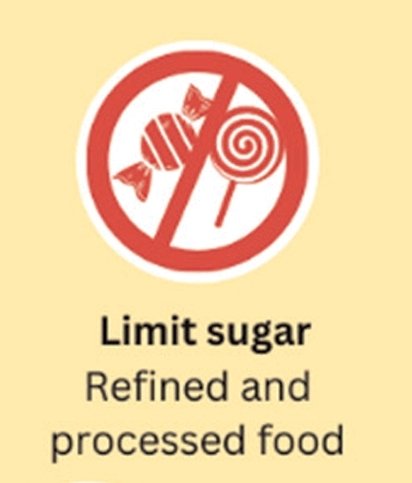
5. Reduce or limit sugar intake both in raw form and in processed food, drinks and sweets.
Regular consumption of high glycaemic foods predispose to fatty liver disease and is strongly associated with development of hypertension, dyslipidaemia & insulin resistance.
Regular consumption of high glycaemic foods predispose to fatty liver disease and is strongly associated with development of hypertension, dyslipidaemia & insulin resistance.
6. It is recommended for fibre intake of 25–29g/day to reduce BP risk.
Also consumption of >30g/day results in additional benefits.
Most people consume less than 20g/day of fibre.
Whole grains, fruits, nuts, seeds and vegetables are rich in dietary fibre.
Also consumption of >30g/day results in additional benefits.
Most people consume less than 20g/day of fibre.
Whole grains, fruits, nuts, seeds and vegetables are rich in dietary fibre.

Specifically high fibre food include lentils (16g fibre per cup), edamame (9 g fibre per cup), brassica vegetables (kale, cab- bage, cauliflower and broccoli – which contain an average of 5 g fibre per cup), blueberries (4 g fibre per cup) & avocado (10 g fibre per cup).
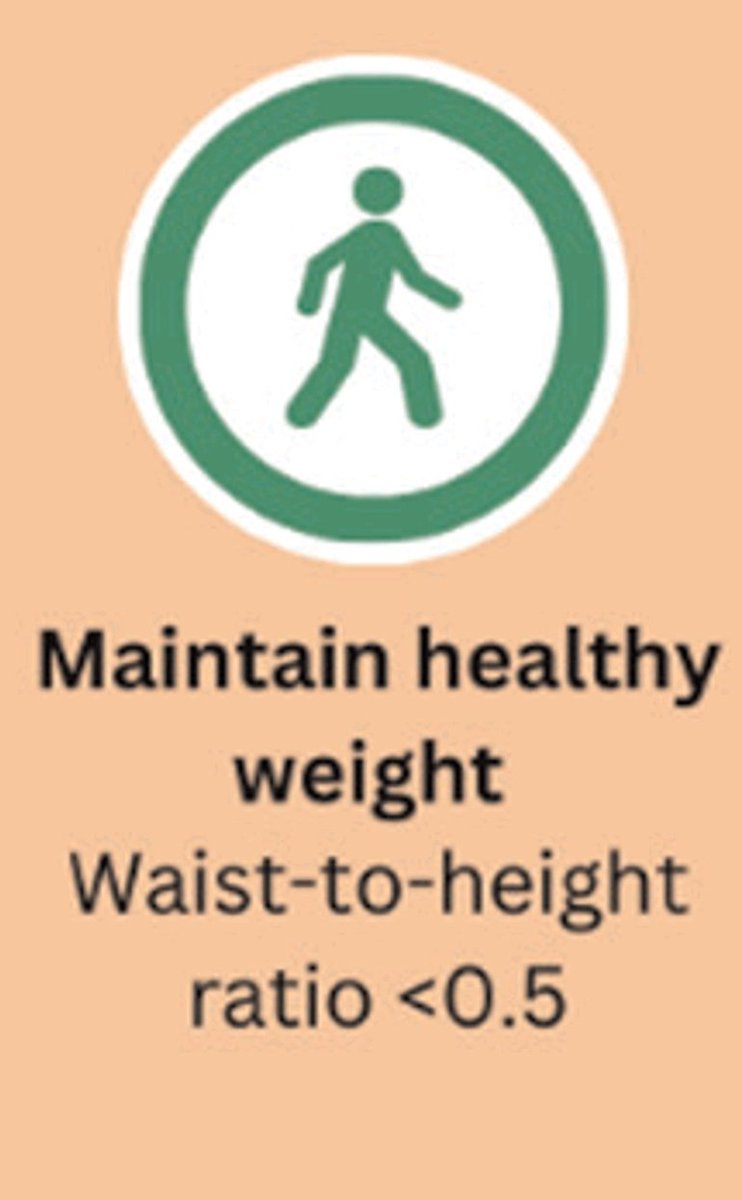
7. Lose weight
Weight loss should be incorporated into everyday life, that is by increasing incidental exercise ( taking the stairs) and a calorie deficit diet.
Studies have shown average reduction of 1 mmHg systolic & diastolic BP per kilogram of weight loss.
Weight loss should be incorporated into everyday life, that is by increasing incidental exercise ( taking the stairs) and a calorie deficit diet.
Studies have shown average reduction of 1 mmHg systolic & diastolic BP per kilogram of weight loss.
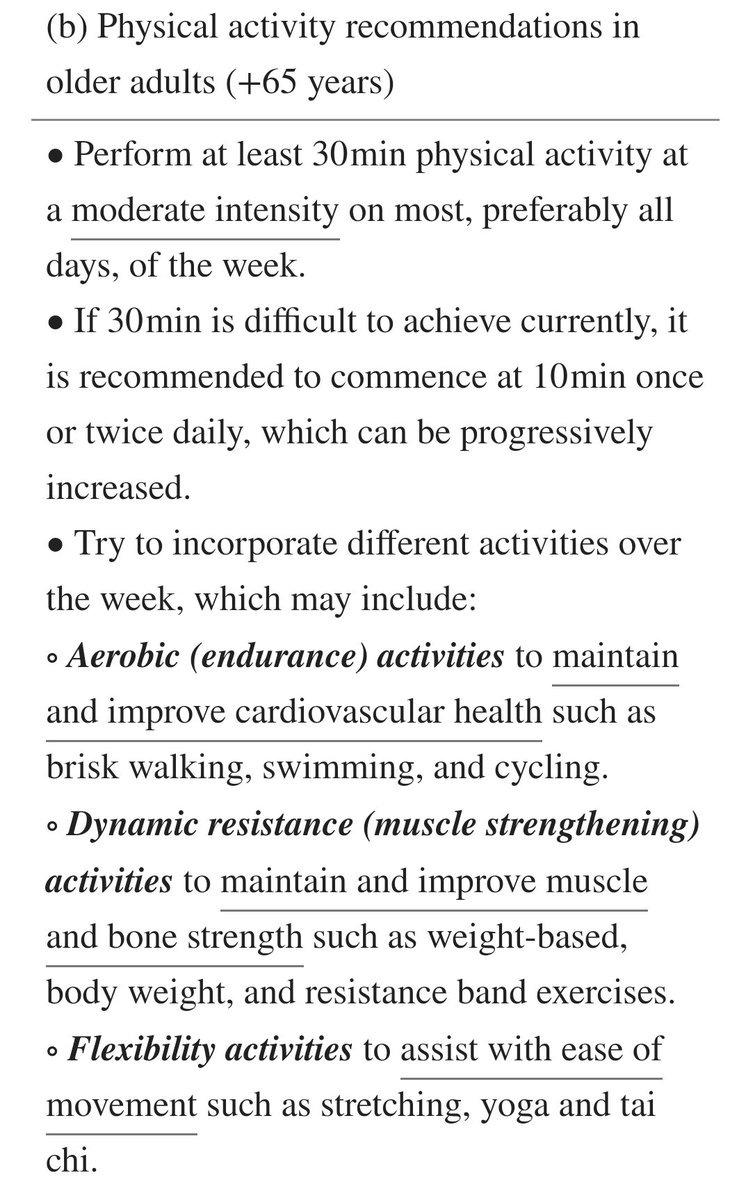
8. Exercise regularly
Exercise of moderate-to-high intensity (including aerobic and dynamic resistance training) is considered safe and currently recommended for hypertension management.
Exercise of moderate-to-high intensity (including aerobic and dynamic resistance training) is considered safe and currently recommended for hypertension management.
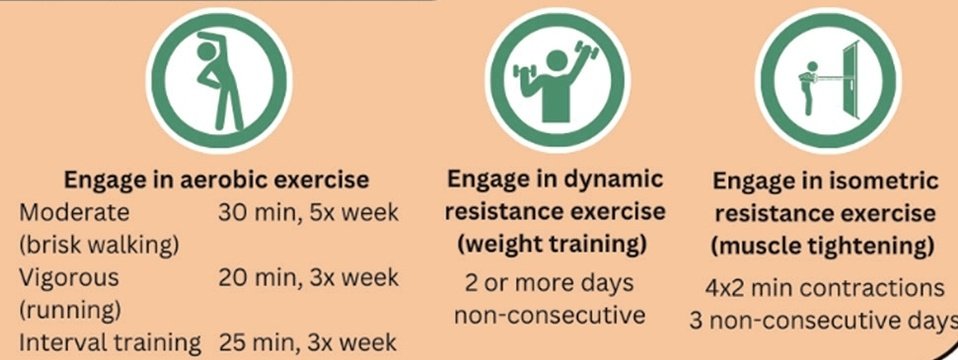
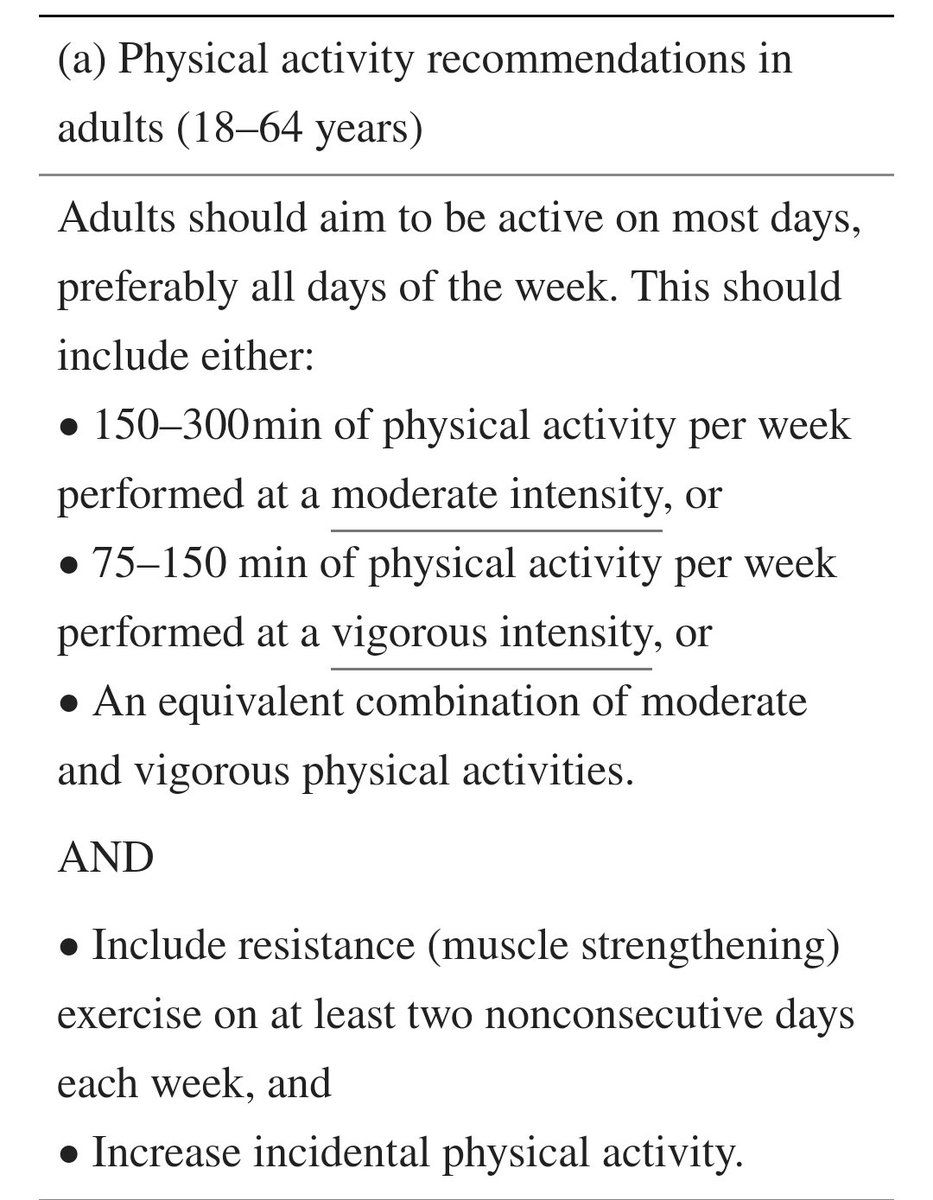
Exercise recommendations differs for age groups especially for age groups >65 yrs
9. Practice stress reductions techniques to reduce mental stress and BP.
Stress reduction can be achieved through a number of strategies, such as meditation, progressive muscle relaxation, yoga, deep breathing exercise and mindfulness.
Stress reduction can be achieved through a number of strategies, such as meditation, progressive muscle relaxation, yoga, deep breathing exercise and mindfulness.
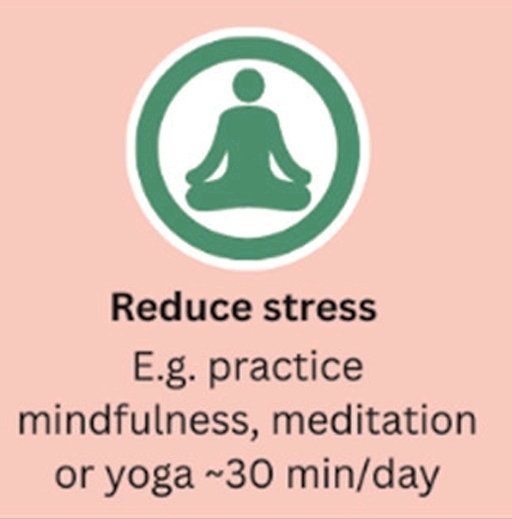
Practice activities such as yoga, meditation or tai chi at least 45 min a day.
Also Mindfulness-Based Stress Reduction (MBSR) program has been demonstrated to have a broad efficacy in improving physical and mental well being, as well as promoting BP reduction.
Also Mindfulness-Based Stress Reduction (MBSR) program has been demonstrated to have a broad efficacy in improving physical and mental well being, as well as promoting BP reduction.
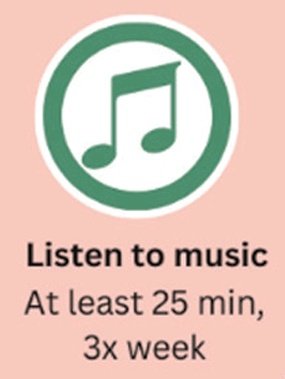
10. Listen to music once a day to three times a week for at least 25 min.
Studies have reported that listening to music daily to thrice per week showed a trend towards lowering BP.
Studies have reported that listening to music daily to thrice per week showed a trend towards lowering BP.
11. Get adequate and refreshing sleep.
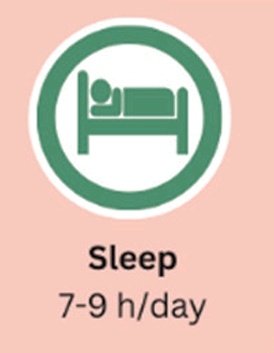
Sleep duration of 7–9h per night is recommended for adults.
Sleep hygiene should be practiced for refreshing sleep.
Sleep duration of 7–9h per night is recommended for adults.
Sleep hygiene should be practiced for refreshing sleep.
Sleep hygiene approaches include appropriate sleep environment and regular sleep timing.
Avoid food intake, caffeine, alcohol , bright light ( mobile/ TV) and cigarettes close to bedtime.
Regular exercise also helps in attaining refreshing sleep.
Avoid food intake, caffeine, alcohol , bright light ( mobile/ TV) and cigarettes close to bedtime.
Regular exercise also helps in attaining refreshing sleep.
Daytime napping for more than
30minutes is not routinely
recommended given its negative effects on night sleep onset and quality and also due to lack of long- term beneficial evidence.
30minutes is not routinely
recommended given its negative effects on night sleep onset and quality and also due to lack of long- term beneficial evidence.
12. Smoking cessation ( including e-cigarettes) is strongly recommended for its well established benefits.
It is important to plan strategies to avoid weight gain following smoking cessation.
Constipation following smoking cessation should also be considered to get treated.
It is important to plan strategies to avoid weight gain following smoking cessation.
Constipation following smoking cessation should also be considered to get treated.
13. Avoid air pollution as exposure can increase BP.
Exercise in parks and gardens away from busy road ways.
Limit time spent outdoors during highly polluted periods.
Consider using ventilation systems with filtration for homes in high pollution areas.
Exercise in parks and gardens away from busy road ways.
Limit time spent outdoors during highly polluted periods.
Consider using ventilation systems with filtration for homes in high pollution areas.
14. Vitamins, minerals and micronutrients intake should be obtained as part of a healthy, nutrient-rich and balanced diet.
Health supplements are not a replacement for a balanced diet and are not recommended as a treatment to hypertension.
Health supplements are not a replacement for a balanced diet and are not recommended as a treatment to hypertension.
15. Use of validated digital wearables are encouraged.
Digital tools help to improve symptom awareness, introduce potential reminders (e.g. for medication intake or increase incidental exercise), aid behaviour change (e.g. goal setting, decision support, self- monitoring).
Digital tools help to improve symptom awareness, introduce potential reminders (e.g. for medication intake or increase incidental exercise), aid behaviour change (e.g. goal setting, decision support, self- monitoring).

Lifestyle modifications ideally should be the first line of antihypertensive treatment in grade 1 hypertension.
If BP control is not achieved with lifestyle changes alone,a combination of lifestyle modifications and medications are to be used for treatment.
If BP control is not achieved with lifestyle changes alone,a combination of lifestyle modifications and medications are to be used for treatment.
All healthcare interventions needs to be individualized.
Above 🧵 is a general approach and should not be used for self treatment.
Always consult your doctor before initiating any lifestyle changes.
Above 🧵 is a general approach and should not be used for self treatment.
Always consult your doctor before initiating any lifestyle changes.
Source :Lifestyle management of hypertension: International Society of Hypertension position paper endorsed by the World Hypertension League and European Society of Hypertension
ncbi.nlm.nih.gov
💚 Like
♻️ Repost 👇
🏃♀️ Follow
x.com
ncbi.nlm.nih.gov
💚 Like
♻️ Repost 👇
🏃♀️ Follow
x.com

Also 👇
𝙋𝙧𝙚𝙘𝙖𝙪𝙩𝙞𝙤𝙣𝙨 𝙙𝙪𝙧𝙞𝙣𝙜 𝙬𝙚𝙞𝙜𝙝𝙩 𝙡𝙤𝙨𝙨 𝙟𝙤𝙪𝙧𝙣𝙚𝙮 x.com
𝙋𝙧𝙚𝙘𝙖𝙪𝙩𝙞𝙤𝙣𝙨 𝙙𝙪𝙧𝙞𝙣𝙜 𝙬𝙚𝙞𝙜𝙝𝙩 𝙡𝙤𝙨𝙨 𝙟𝙤𝙪𝙧𝙣𝙚𝙮 x.com
جاري تحميل الاقتراحات...