

🪬1/n
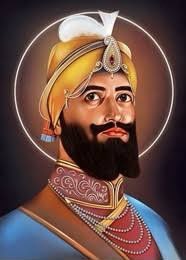
🕉️✨ Today, we embark on a journey through the extraordinary life of Guru Gobind Singh, the tenth Sikh Guru. Born on December 22, 1666, in Patna, Bihar, he left an indelible mark on Sikhism and Indian history. #GuruGobindSingh #SikhHistory
🕉️✨ Today, we embark on a journey through the extraordinary life of Guru Gobind Singh, the tenth Sikh Guru. Born on December 22, 1666, in Patna, Bihar, he left an indelible mark on Sikhism and Indian history. #GuruGobindSingh #SikhHistory
2/n
👶 Early Life: Gobind Rai, as he was initially named, spent his early years in Patna. His father, Guru Tegh Bahadur, was away preaching. Gobind was cared for by his mother Mata Gujri and his maternal uncle, Kripal Chand. #EarlyYears
👶 Early Life: Gobind Rai, as he was initially named, spent his early years in Patna. His father, Guru Tegh Bahadur, was away preaching. Gobind was cared for by his mother Mata Gujri and his maternal uncle, Kripal Chand. #EarlyYears
3/n
📚 Education: Young Gobind was tutored in Persian, Sanskrit, and Punjabi. He was also trained in martial arts, horsemanship, and archery, preparing for future challenges. #Education #Skills
📚 Education: Young Gobind was tutored in Persian, Sanskrit, and Punjabi. He was also trained in martial arts, horsemanship, and archery, preparing for future challenges. #Education #Skills
4/n
🔹 In 1675, Guru Tegh Bahadur was martyred in Delhi by the Mughal emperor Aurangzeb for defending religious freedom. This event profoundly impacted young Gobind, shaping his future mission. #Martyrdom
🔹 In 1675, Guru Tegh Bahadur was martyred in Delhi by the Mughal emperor Aurangzeb for defending religious freedom. This event profoundly impacted young Gobind, shaping his future mission. #Martyrdom
5/n
👑 Ascension: At the age of nine, Gobind Rai was formally installed as the tenth Guru on March 30, 1676. His early leadership was marked by guidance from his uncle, Kripal Chand, and other loyal followers. #Leadership
👑 Ascension: At the age of nine, Gobind Rai was formally installed as the tenth Guru on March 30, 1676. His early leadership was marked by guidance from his uncle, Kripal Chand, and other loyal followers. #Leadership
6/n
🏰 Establishing Anandpur: In 1685, Guru Gobind Singh founded the city of Anandpur Sahib, which became a center for Sikh religious and military activities. #AnandpurSahib
🏰 Establishing Anandpur: In 1685, Guru Gobind Singh founded the city of Anandpur Sahib, which became a center for Sikh religious and military activities. #AnandpurSahib
7/n
⚔️ First Battle: Guru Gobind Singh’s first significant military engagement was the Battle of Bhangani in 1688, where his forces defeated a combined army of hill chieftains. This victory solidified his reputation as a capable leader. #BattleOfBhangani
⚔️ First Battle: Guru Gobind Singh’s first significant military engagement was the Battle of Bhangani in 1688, where his forces defeated a combined army of hill chieftains. This victory solidified his reputation as a capable leader. #BattleOfBhangani
8/n
📖 Literary Contributions: A prolific writer, Guru Gobind Singh composed numerous texts, including the Dasam Granth, a scripture of Sikhism. His works blend spirituality, martial spirit, and moral teachings. #LiteraryLegacy
📖 Literary Contributions: A prolific writer, Guru Gobind Singh composed numerous texts, including the Dasam Granth, a scripture of Sikhism. His works blend spirituality, martial spirit, and moral teachings. #LiteraryLegacy
9/n
🔱 Foundation of the Khalsa: On March 30, 1699, Guru Gobind Singh established the Khalsa, a collective body of initiated Sikhs, at Anandpur Sahib. This was a transformative moment in Sikh history, emphasizing equality and martial prowess. #Khalsa
🔱 Foundation of the Khalsa: On March 30, 1699, Guru Gobind Singh established the Khalsa, a collective body of initiated Sikhs, at Anandpur Sahib. This was a transformative moment in Sikh history, emphasizing equality and martial prowess. #Khalsa
10/n
🗡️ The Five K’s: Guru Gobind Singh introduced the Five K’s – Kesh (uncut hair), Kangha (wooden comb), Kara (iron bracelet), Kachera (cotton undergarments), and Kirpan (sword) – as symbols of the Khalsa's identity and commitment. #FiveKs
🗡️ The Five K’s: Guru Gobind Singh introduced the Five K’s – Kesh (uncut hair), Kangha (wooden comb), Kara (iron bracelet), Kachera (cotton undergarments), and Kirpan (sword) – as symbols of the Khalsa's identity and commitment. #FiveKs
11/n
📜 Zafarnama: In 1705, Guru Gobind Singh penned the Zafarnama, a letter to Aurangzeb that criticized the emperor's betrayal and hypocrisy. It remains a powerful testament to his courage and conviction. #Zafarnama
📜 Zafarnama: In 1705, Guru Gobind Singh penned the Zafarnama, a letter to Aurangzeb that criticized the emperor's betrayal and hypocrisy. It remains a powerful testament to his courage and conviction. #Zafarnama
12/n
🏞️ Final Days in Anandpur: The siege of Anandpur in 1704 by Mughal and hill forces marked a critical phase in Guru Gobind Singh's life. Despite promises of safe passage, the Sikhs were attacked during their evacuation. #SiegeOfAnandpur
🏞️ Final Days in Anandpur: The siege of Anandpur in 1704 by Mughal and hill forces marked a critical phase in Guru Gobind Singh's life. Despite promises of safe passage, the Sikhs were attacked during their evacuation. #SiegeOfAnandpur
13/n
💔 Tragic Losses: During the evacuation, Guru Gobind Singh's two younger sons, Zorawar Singh and Fateh Singh, were captured and executed by the Mughal governor of Sirhind. His elder sons, Ajit Singh and Jujhar Singh, died in the Battle of Chamkaur. #Martyrs
💔 Tragic Losses: During the evacuation, Guru Gobind Singh's two younger sons, Zorawar Singh and Fateh Singh, were captured and executed by the Mughal governor of Sirhind. His elder sons, Ajit Singh and Jujhar Singh, died in the Battle of Chamkaur. #Martyrs
14/n
🏹 Battle of Chamkaur: The Battle of Chamkaur (1704) was a fierce conflict where Guru Gobind Singh and his small band of Sikhs valiantly resisted Mughal forces. Despite heavy losses, the Guru managed to escape. #BattleOfChamkaur
🏹 Battle of Chamkaur: The Battle of Chamkaur (1704) was a fierce conflict where Guru Gobind Singh and his small band of Sikhs valiantly resisted Mughal forces. Despite heavy losses, the Guru managed to escape. #BattleOfChamkaur
15/n
🛡️ After Chamkaur, Guru Gobind Singh continued to rally the Sikhs, conducting guerrilla warfare and keeping the spirit of resistance alive. His resilience became a beacon of hope for his followers. #Resilience
🛡️ After Chamkaur, Guru Gobind Singh continued to rally the Sikhs, conducting guerrilla warfare and keeping the spirit of resistance alive. His resilience became a beacon of hope for his followers. #Resilience
16/n
✒️ Final Works: In his later years, Guru Gobind Singh compiled the Guru Granth Sahib, the central religious scripture of Sikhism, affirming it as the eternal Guru for Sikhs. #GuruGranthSahib
✒️ Final Works: In his later years, Guru Gobind Singh compiled the Guru Granth Sahib, the central religious scripture of Sikhism, affirming it as the eternal Guru for Sikhs. #GuruGranthSahib
17/n
🏞️ Nanded: Guru Gobind Singh spent his final years in Nanded, Maharashtra. Here, he was attacked by two assassins sent by Wazir Khan. Though he killed the attackers, he succumbed to his injuries on October 7, 1708. #Nanded
🏞️ Nanded: Guru Gobind Singh spent his final years in Nanded, Maharashtra. Here, he was attacked by two assassins sent by Wazir Khan. Though he killed the attackers, he succumbed to his injuries on October 7, 1708. #Nanded
18/n
🔗 Legacy: Guru Gobind Singh's legacy lives on through the Khalsa, the Guru Granth Sahib, and the principles of equality, justice, and courage he championed. His life remains an inspiration for millions. #Legacy
🔗 Legacy: Guru Gobind Singh's legacy lives on through the Khalsa, the Guru Granth Sahib, and the principles of equality, justice, and courage he championed. His life remains an inspiration for millions. #Legacy
19/n
🌍 Global Impact: The establishment of the Khalsa had a profound impact on Sikh identity and community organization, influencing Sikh diaspora communities worldwide. #GlobalImpact
🌍 Global Impact: The establishment of the Khalsa had a profound impact on Sikh identity and community organization, influencing Sikh diaspora communities worldwide. #GlobalImpact
20/n
📜 Literary Genius: Guru Gobind Singh's writings, including the Dasam Granth and Zafarnama, continue to be studied for their literary, historical, and spiritual significance. #LiteraryGenius
📜 Literary Genius: Guru Gobind Singh's writings, including the Dasam Granth and Zafarnama, continue to be studied for their literary, historical, and spiritual significance. #LiteraryGenius
21/n
🏹 Akal Ustat: In his composition "Akal Ustat," Guru Gobind Singh praised the formless, eternal God and the unity of all creation, transcending religious boundaries. #AkalUstat
🏹 Akal Ustat: In his composition "Akal Ustat," Guru Gobind Singh praised the formless, eternal God and the unity of all creation, transcending religious boundaries. #AkalUstat
22/n
🔱 The Charhdi Kala: Guru Gobind Singh instilled the spirit of Charhdi Kala, an optimistic, high-spirited attitude, in his followers, encouraging resilience and positivity. #CharhdiKala
🔱 The Charhdi Kala: Guru Gobind Singh instilled the spirit of Charhdi Kala, an optimistic, high-spirited attitude, in his followers, encouraging resilience and positivity. #CharhdiKala
23/n
📜 Hukamnamas: Guru Gobind Singh issued numerous Hukamnamas (edicts) to guide his followers, reinforcing the spiritual and administrative framework of Sikhism. #Hukamnamas
📜 Hukamnamas: Guru Gobind Singh issued numerous Hukamnamas (edicts) to guide his followers, reinforcing the spiritual and administrative framework of Sikhism. #Hukamnamas
24/n
🏞️ Paonta Sahib: Guru Gobind Singh spent several years in Paonta Sahib, where he composed many of his literary works and strengthened the Sikh community. #PaontaSahib
🏞️ Paonta Sahib: Guru Gobind Singh spent several years in Paonta Sahib, where he composed many of his literary works and strengthened the Sikh community. #PaontaSahib

25/n
🔗 Guru Ka Bagh: This sacred site in Amritsar was where Guru Gobind Singh used to train his followers in martial arts and spiritual discipline. #GuruKaBagh
🔗 Guru Ka Bagh: This sacred site in Amritsar was where Guru Gobind Singh used to train his followers in martial arts and spiritual discipline. #GuruKaBagh
26/n
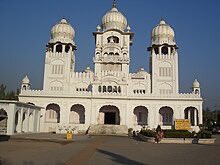
🌟 Kiratpur Sahib: Guru Gobind Singh maintained a strong connection with Kiratpur Sahib, a town founded by his grandfather, Guru Hargobind. #KiratpurSahib
🌟 Kiratpur Sahib: Guru Gobind Singh maintained a strong connection with Kiratpur Sahib, a town founded by his grandfather, Guru Hargobind. #KiratpurSahib
27/n
📜 Rehat Maryada: The Guru established the Rehat Maryada, a code of conduct for Sikhs, which continues to guide the community’s spiritual and daily life. #RehatMaryada
📜 Rehat Maryada: The Guru established the Rehat Maryada, a code of conduct for Sikhs, which continues to guide the community’s spiritual and daily life. #RehatMaryada
28/n
🛡️Spirit of Seva: Guru Gobind Singh emphasized Seva (selfless service) as a core principle of Sikhism, encouraging his followers to serve humanity. #Seva
🛡️Spirit of Seva: Guru Gobind Singh emphasized Seva (selfless service) as a core principle of Sikhism, encouraging his followers to serve humanity. #Seva
29/n
🌟Last Sermon: In his final sermon, Guru Gobind Singh declared the Guru Granth Sahib as the eternal Guru, ensuring the continuity of Sikh spiritual guidance. #LastSermon
🌟Last Sermon: In his final sermon, Guru Gobind Singh declared the Guru Granth Sahib as the eternal Guru, ensuring the continuity of Sikh spiritual guidance. #LastSermon
30/n
🔗Relics: Numerous relics associated with Guru Gobind Singh, such as his weapons and writings, are preserved in Sikh shrines, inspiring devotion and reverence. #GuruRelics
🔗Relics: Numerous relics associated with Guru Gobind Singh, such as his weapons and writings, are preserved in Sikh shrines, inspiring devotion and reverence. #GuruRelics
31/n
📜 Guru's Horses: The Guru’s beloved horses, Dilbagh and Gulbagh, are remembered for their loyalty and service, symbolizing the bond between the Guru and his companions. #GuruHorses
📜 Guru's Horses: The Guru’s beloved horses, Dilbagh and Gulbagh, are remembered for their loyalty and service, symbolizing the bond between the Guru and his companions. #GuruHorses
32/n
🌊 Journey to Nahan: Guru Gobind Singh's journey to Nahan marked a significant phase in his life, where he composed many hymns and connected with local communities. #JourneyToNahan
🌊 Journey to Nahan: Guru Gobind Singh's journey to Nahan marked a significant phase in his life, where he composed many hymns and connected with local communities. #JourneyToNahan
33/n
🌊 Baoli Sahib: Guru Gobind Singh is believed to have created the Baoli (stepwell) at Machhiwara, providing water to travelers and symbolizing his care for all beings. #BaoliSahib
🌊 Baoli Sahib: Guru Gobind Singh is believed to have created the Baoli (stepwell) at Machhiwara, providing water to travelers and symbolizing his care for all beings. #BaoliSahib

34/n
🌐 Global Celebrations: Guru Gobind Singh's birth anniversary, celebrated as Prakash Parv, is marked by Sikhs worldwide with great devotion and joy. #PrakashParv
🌐 Global Celebrations: Guru Gobind Singh's birth anniversary, celebrated as Prakash Parv, is marked by Sikhs worldwide with great devotion and joy. #PrakashParv
35/n
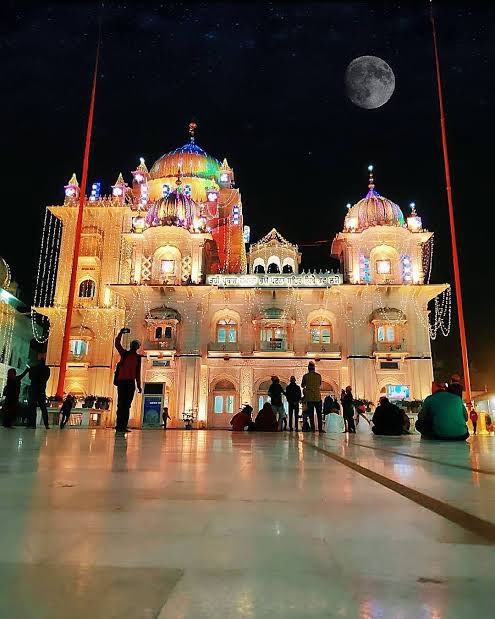
🏠The Takht Sri Patna Sahib, one of the five Takhts (temporal seats) of Sikhism, stands in his honor at his birthplace. #PatnaSahib
🏠The Takht Sri Patna Sahib, one of the five Takhts (temporal seats) of Sikhism, stands in his honor at his birthplace. #PatnaSahib
جاري تحميل الاقتراحات...