

1/10 Don't miss this visual imagery laden thread about the incredible story of Huen Tsang, a Chinese traveler who journeyed to India between 629-645 CE to study Buddhism & seek out rare Buddhist texts and scriptures unavailable in China at the time.
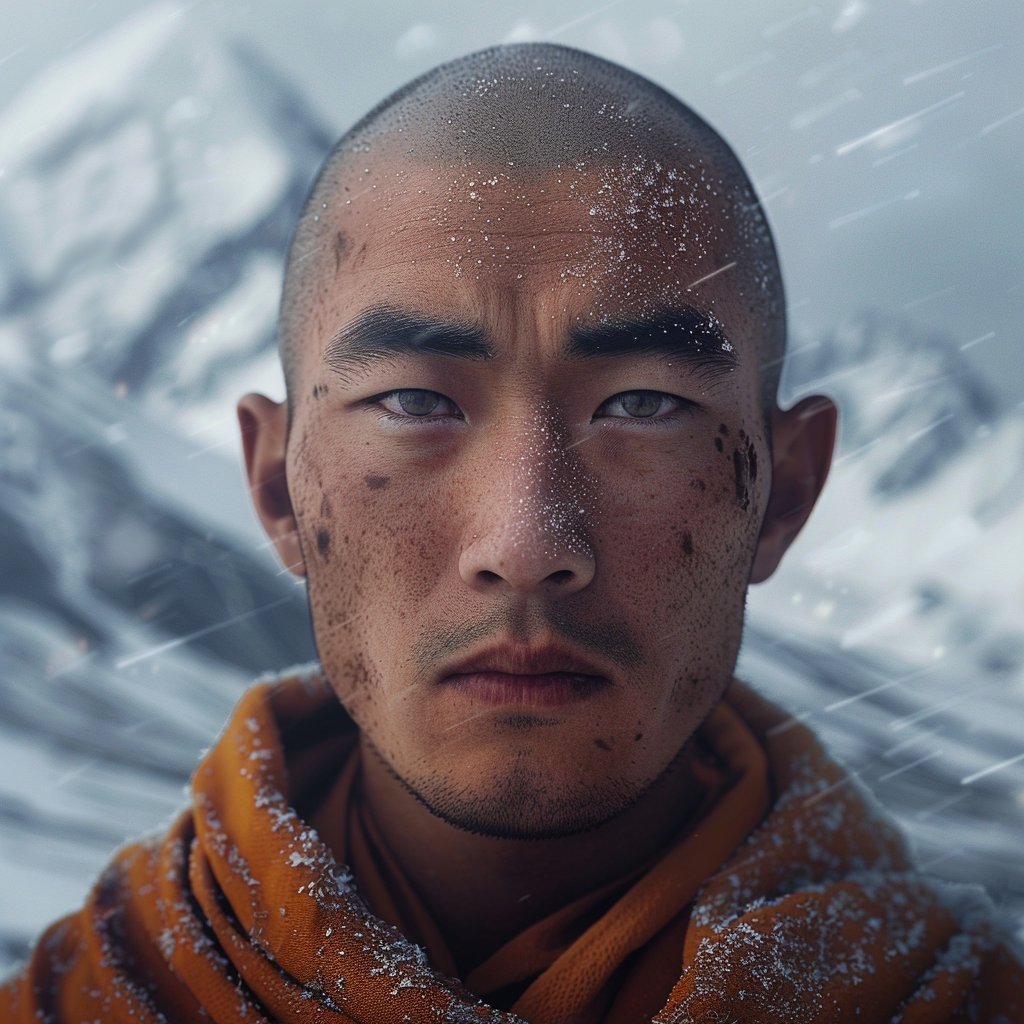
2/10 Xuanzang was ordained as a śrāmaṇera (novice monk) at the age of thirteen. Due to the political and social unrest caused by the fall of the Sui dynasty, he went to Chengdu in Sichuan, where he was ordained as a bhikṣu (full monk) at the age of twenty.
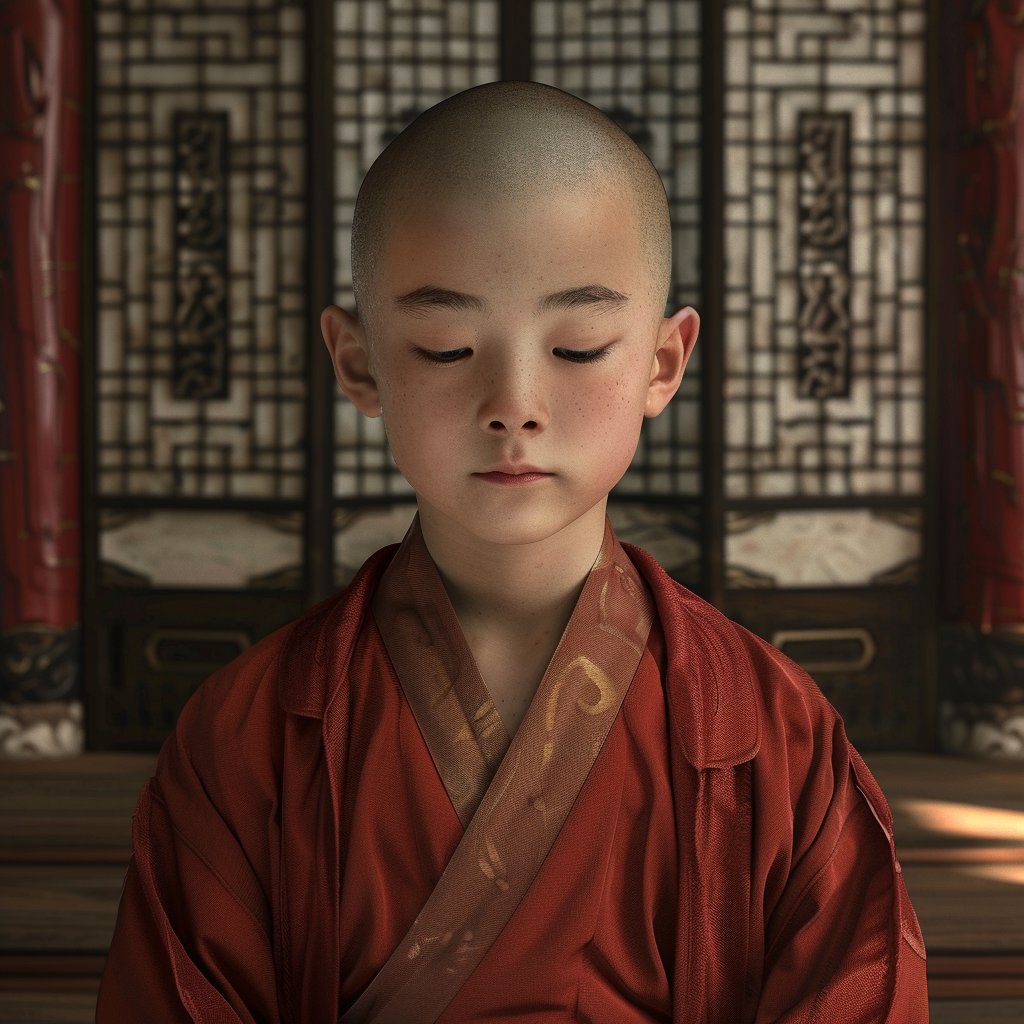
3/10 He later travelled throughout China in search of sacred books of Buddhism. At length, he came to Chang'an, then under the peaceful rule of Emperor Taizong of Tang, where he developed the desire to visit India.
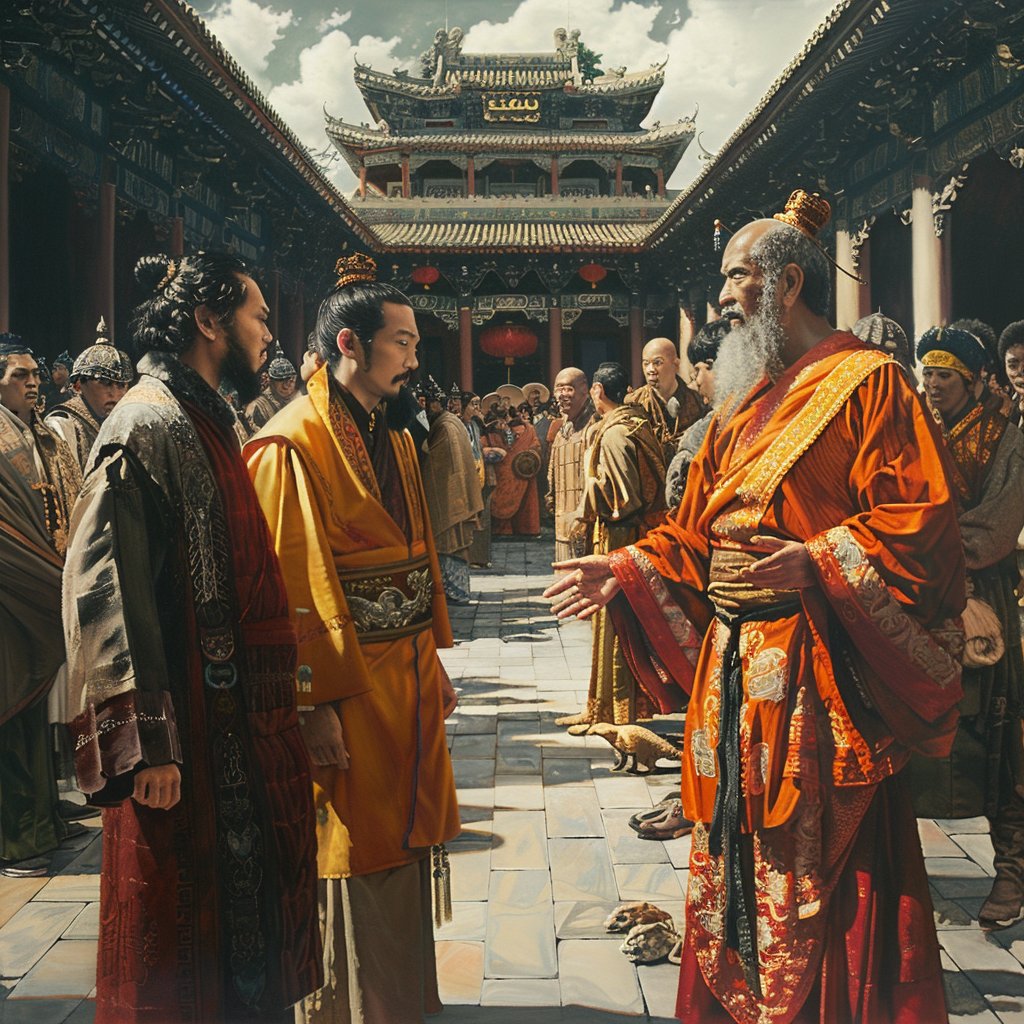
4/10: He knew about Faxian's visit to India and, like him, was concerned about the incomplete and misinterpreted nature of the Buddhist texts that had reached China.

5/10: At age 27, he began his seventeen-year overland journey to India.
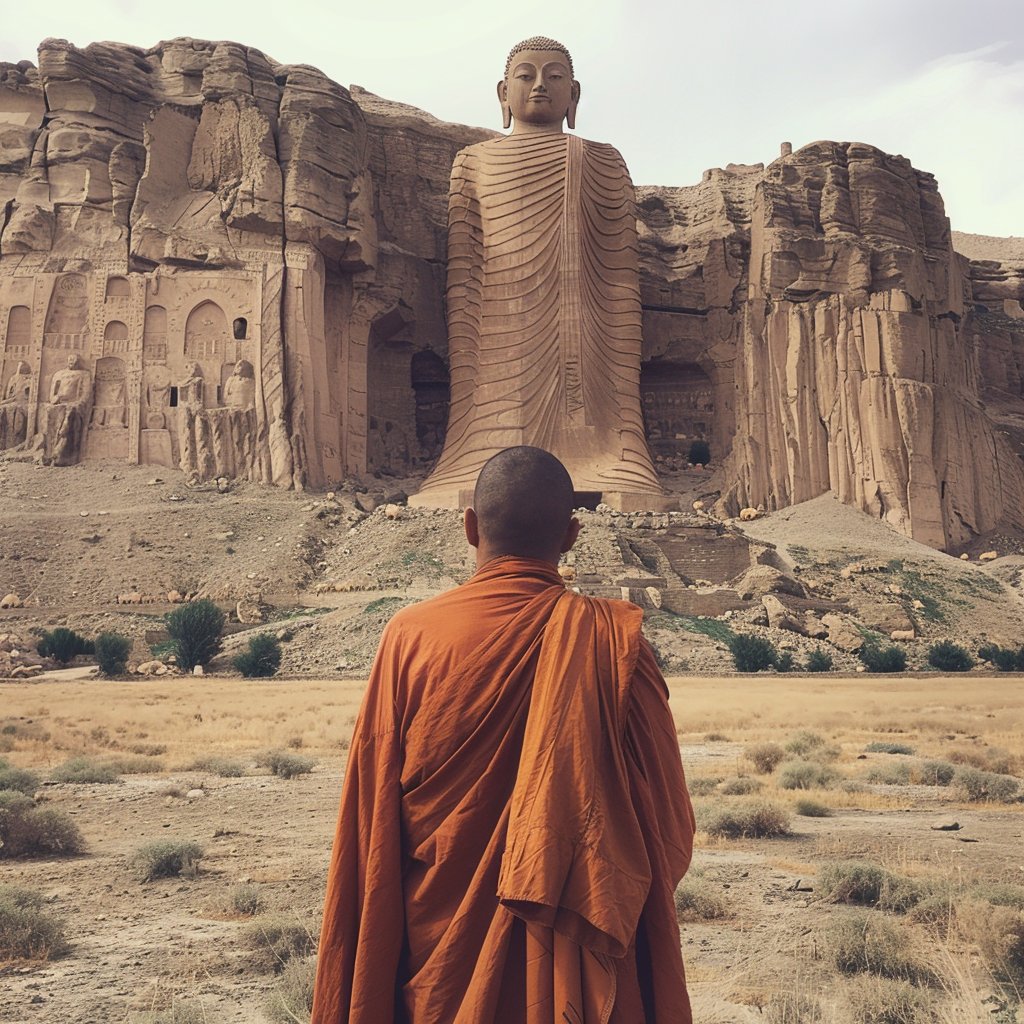
He defied his nation's ban on travel abroad, making his way through central Asian kingdoms, Nepal, Kashmir and Afghanistan saw the Bamiyan Buddha statue before reaching India
He defied his nation's ban on travel abroad, making his way through central Asian kingdoms, Nepal, Kashmir and Afghanistan saw the Bamiyan Buddha statue before reaching India
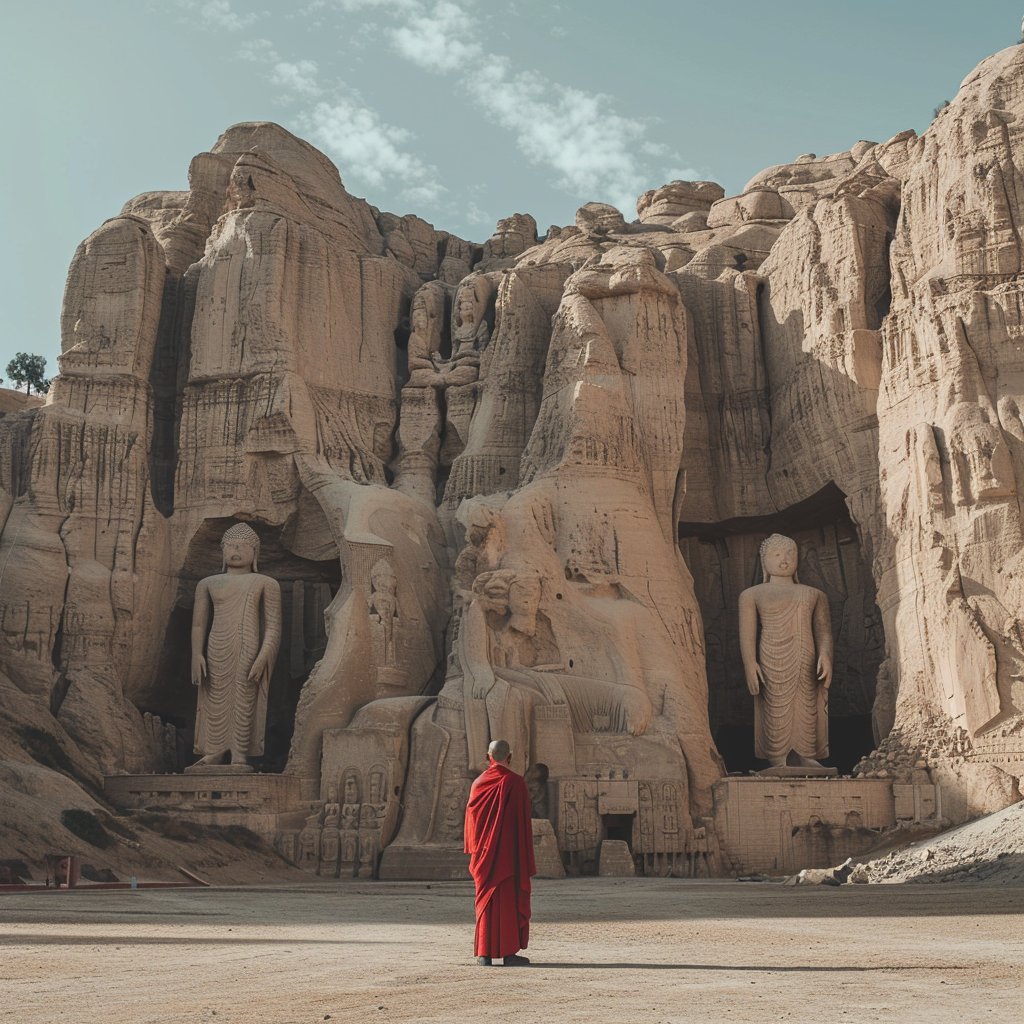
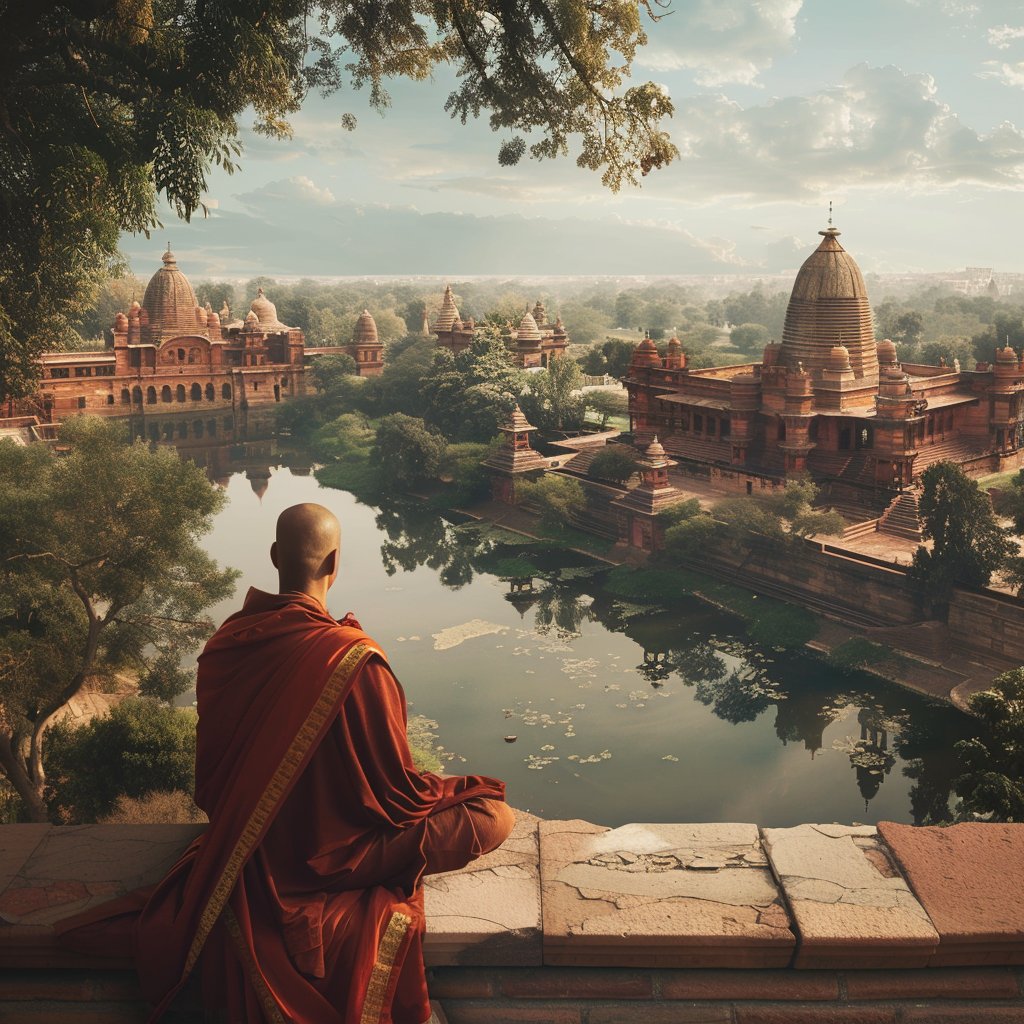
6/10 - Finally He visited, the famed Nalanda University in modern day Bihar, India where he studied with the monk, Śīlabhadra.
He writes a lot of detail about Hindu village and city life, their customs and practices in his book most of which are true even today
He writes a lot of detail about Hindu village and city life, their customs and practices in his book most of which are true even today
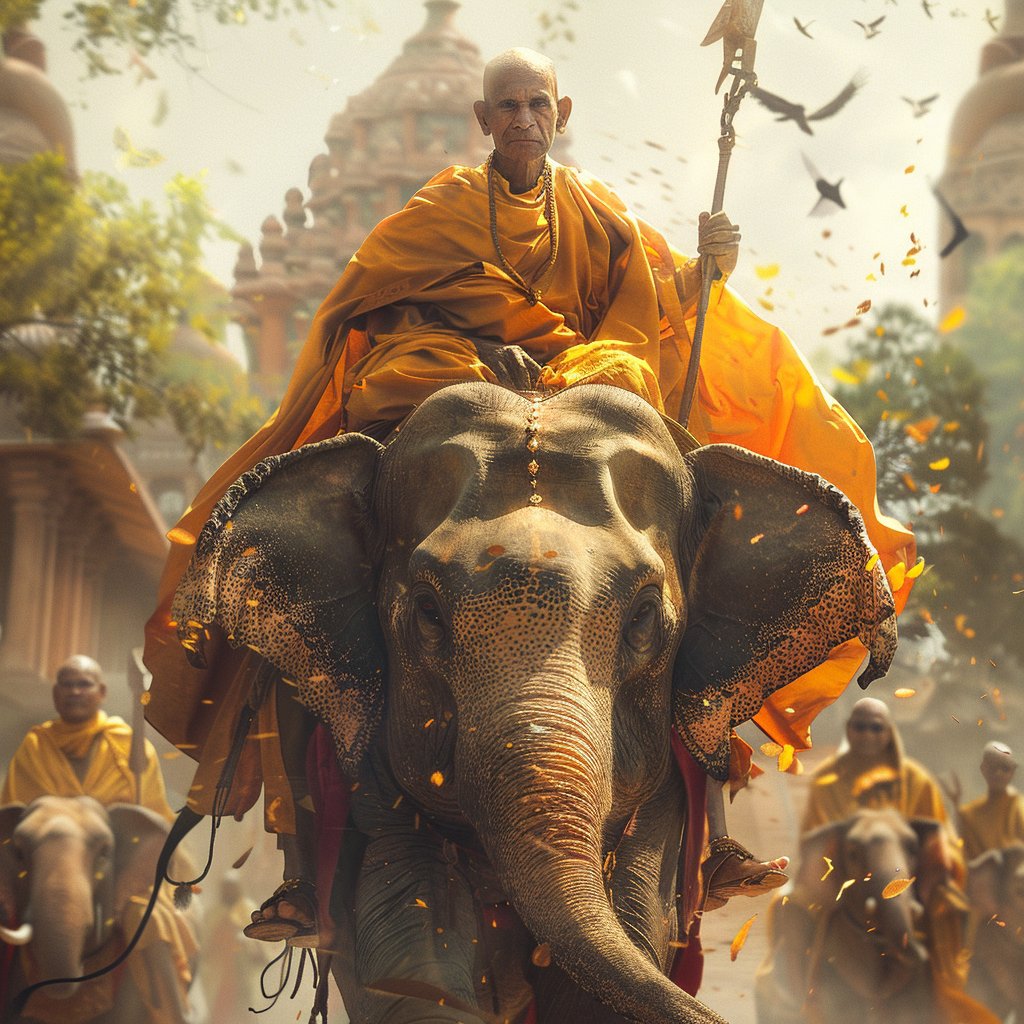
7/10: He says, in India, those who can expound one Buddhist text is exempt from banal duties, two get better quality rooms, three get attendants to serve them, four provided with lay servants, five texts have elephants for travel, while six texts entitles them to security retinue
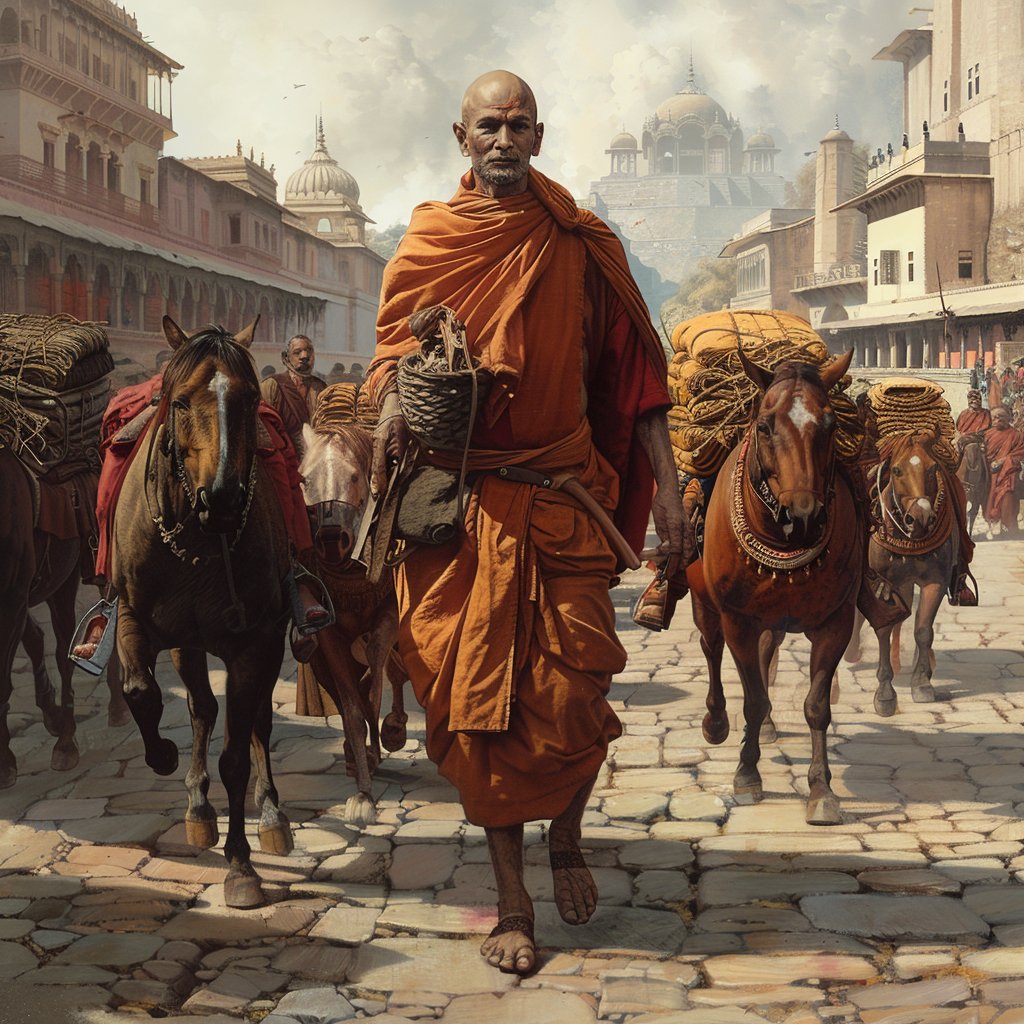
8/10 He had an incredible memory and expounded all texts. As a reward he departed from India with numerous Buddhist Sanskrit texts on a caravan of twenty packhorses. His return was welcomed by Emperor Taizong in China, who encouraged him to write a travelogue.
9/10 This travelogue, "the Great Tang Records on the Western Regions", is a source for 7th-century India & Central Asia.
He was only able to translate 75 distinct sections of a total of 1335 chapters, but his translations included some of the most important Mahayana scriptures.
He was only able to translate 75 distinct sections of a total of 1335 chapters, but his translations included some of the most important Mahayana scriptures.
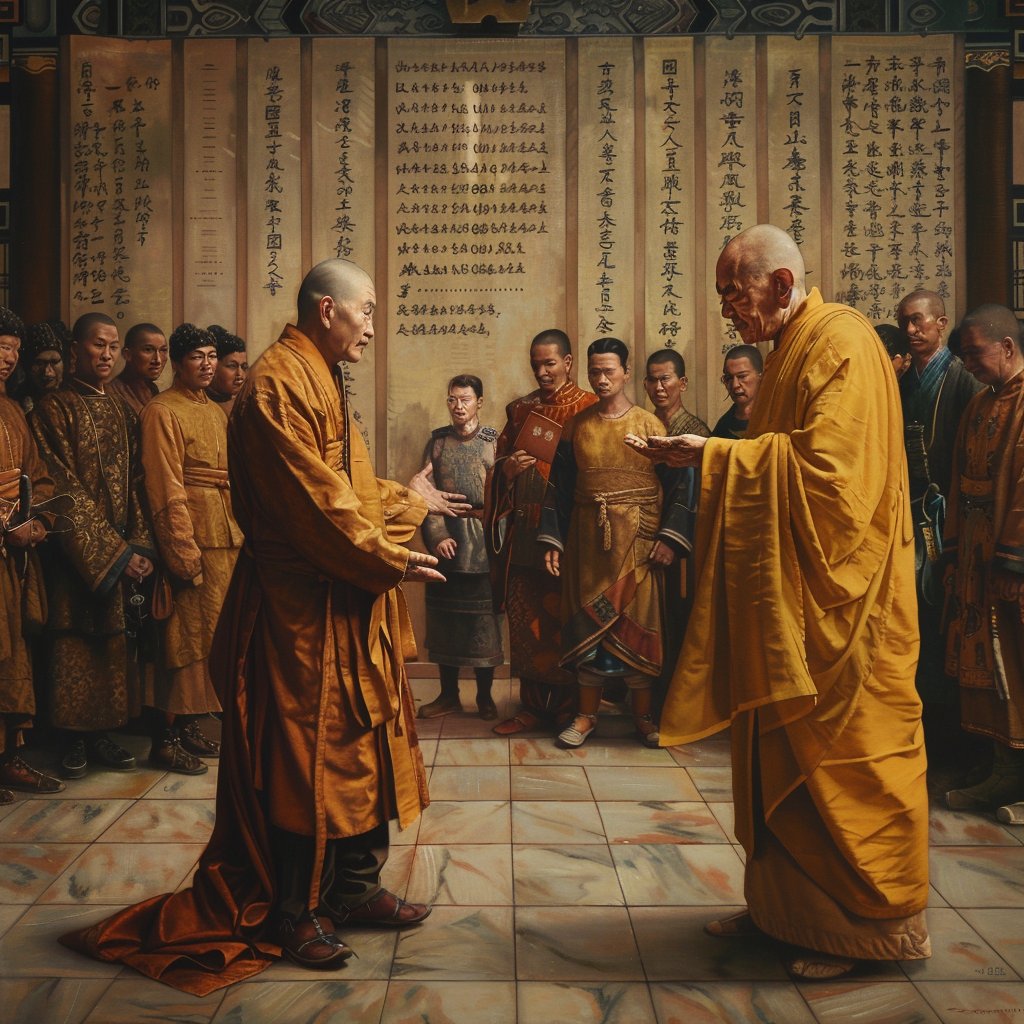
10/10 On his return to China in 645 CE, Xuanzang was greeted with much honor but he refused all high civil appointments offered by the still-reigning emperor, Emperor Taizong of Tang.
He retired and devoted his energy to translating Buddhist texts until his death in 664 CE
He retired and devoted his energy to translating Buddhist texts until his death in 664 CE

To know more about the world then subscribe to our Twitter and YouTube
For 1:1 personal broadcast WhatsApp messages email your full phone number with country code to itihasika@gmail.com
Join us in our journeys across time
For 1:1 personal broadcast WhatsApp messages email your full phone number with country code to itihasika@gmail.com
Join us in our journeys across time
جاري تحميل الاقتراحات...