

Did you know the dark secrets of the Ottomans ?
The Ottoman empire 1481-1914 evoked the loyalty of Indian Muslims that they revolted for its caliphate in 1921
Journalists like Rana Ayyub relate more to TV serials Ertugrul not Shivaji
But there was a diabolical side. Read on.
The Ottoman empire 1481-1914 evoked the loyalty of Indian Muslims that they revolted for its caliphate in 1921
Journalists like Rana Ayyub relate more to TV serials Ertugrul not Shivaji
But there was a diabolical side. Read on.

The Ottoman Empire's expansionist policies often resulted in brutal conquests and mass atrocities.
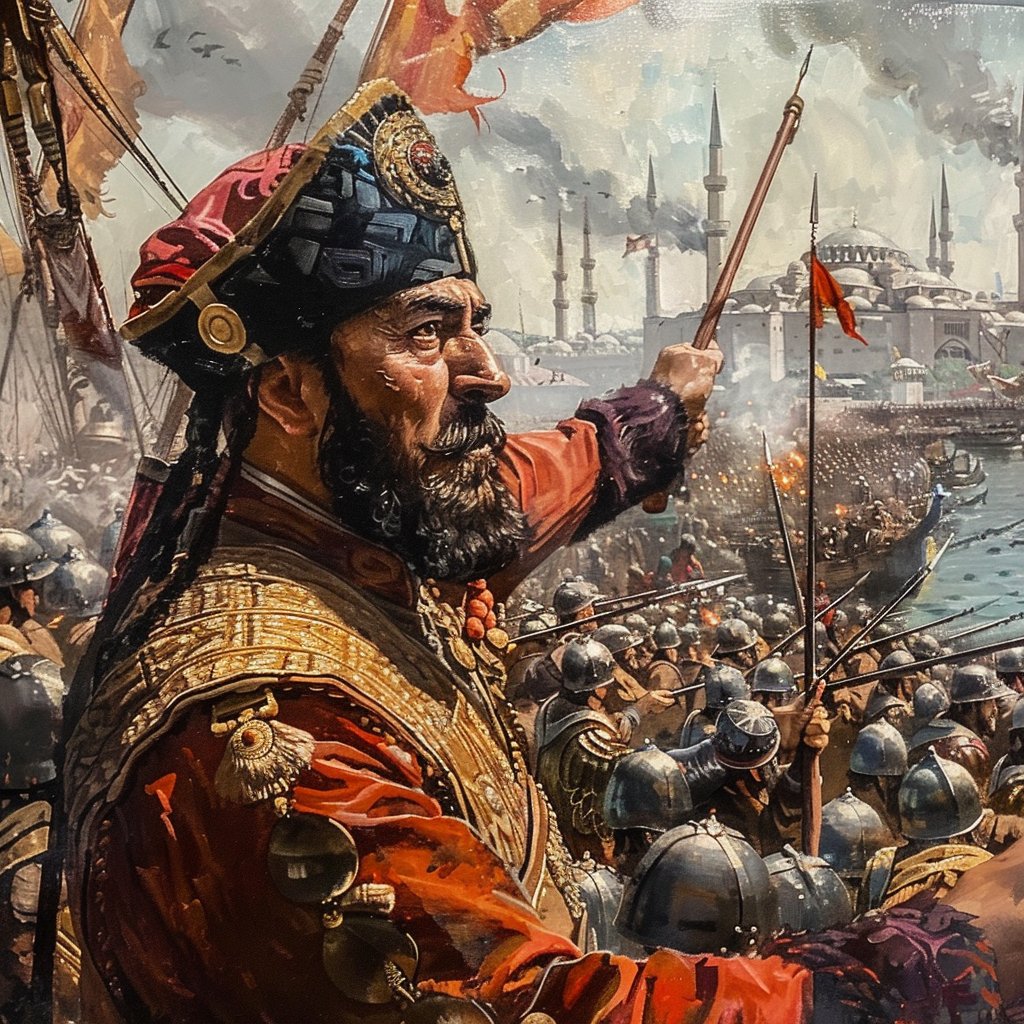
The siege of Constantinople in 1453 culminated in widespread slaughter, pillaging, and the enslavement of thousands, marking the end of the Byzantine Empire.
The siege of Constantinople in 1453 culminated in widespread slaughter, pillaging, and the enslavement of thousands, marking the end of the Byzantine Empire.

Early Ottoman succession mandated fratricide, not brotherly agreements.
Mehmed the Conqueror set the grim tradition, murdering infant siblings for his throne.
Civil wars ravaged generations in ruthless power struggles.
Mehmed the Conqueror set the grim tradition, murdering infant siblings for his throne.
Civil wars ravaged generations in ruthless power struggles.
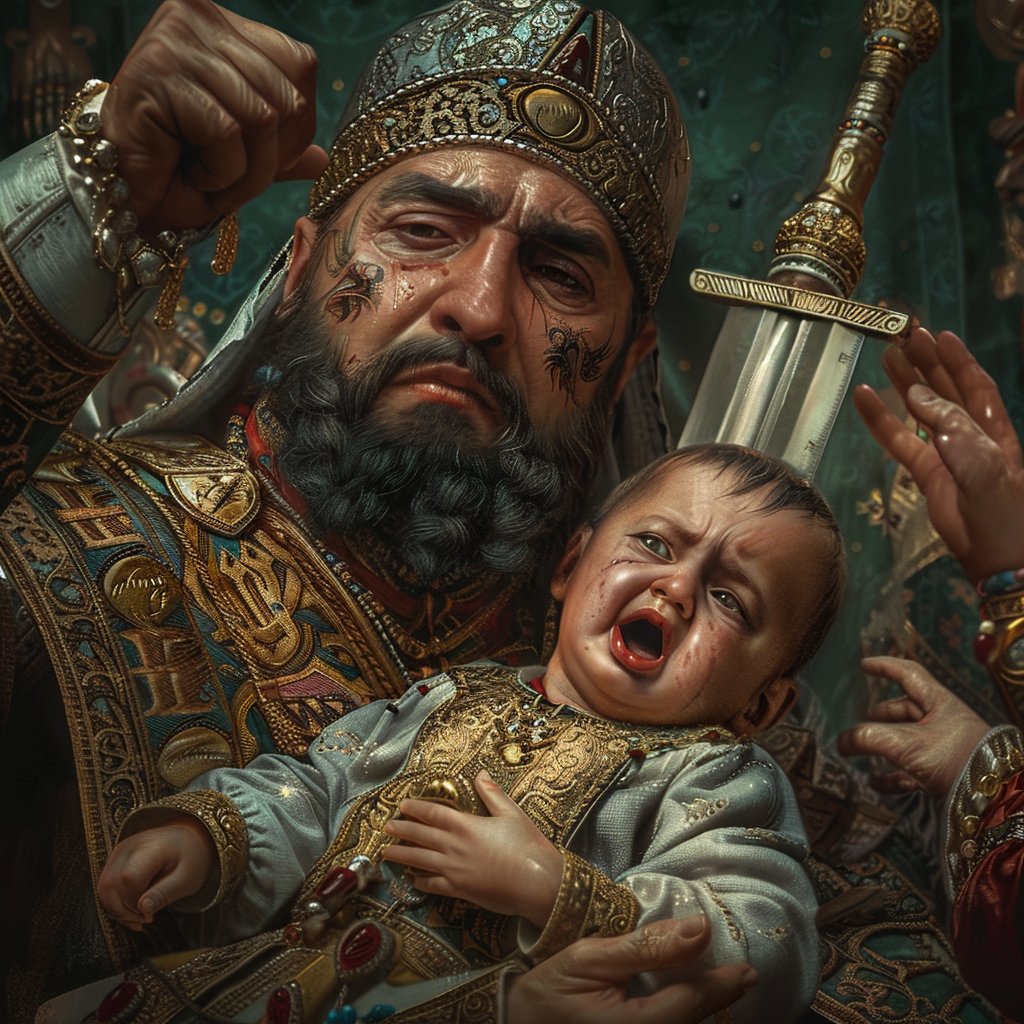
The "Cage" system confined potential heirs to the sultan's throne opulent but draconian house arrest.
Isolation often drove royal prisoners to madness while sultans, though despotic, endured enforced silence and suffocation by manipulative courtiers
Isolation often drove royal prisoners to madness while sultans, though despotic, endured enforced silence and suffocation by manipulative courtiers
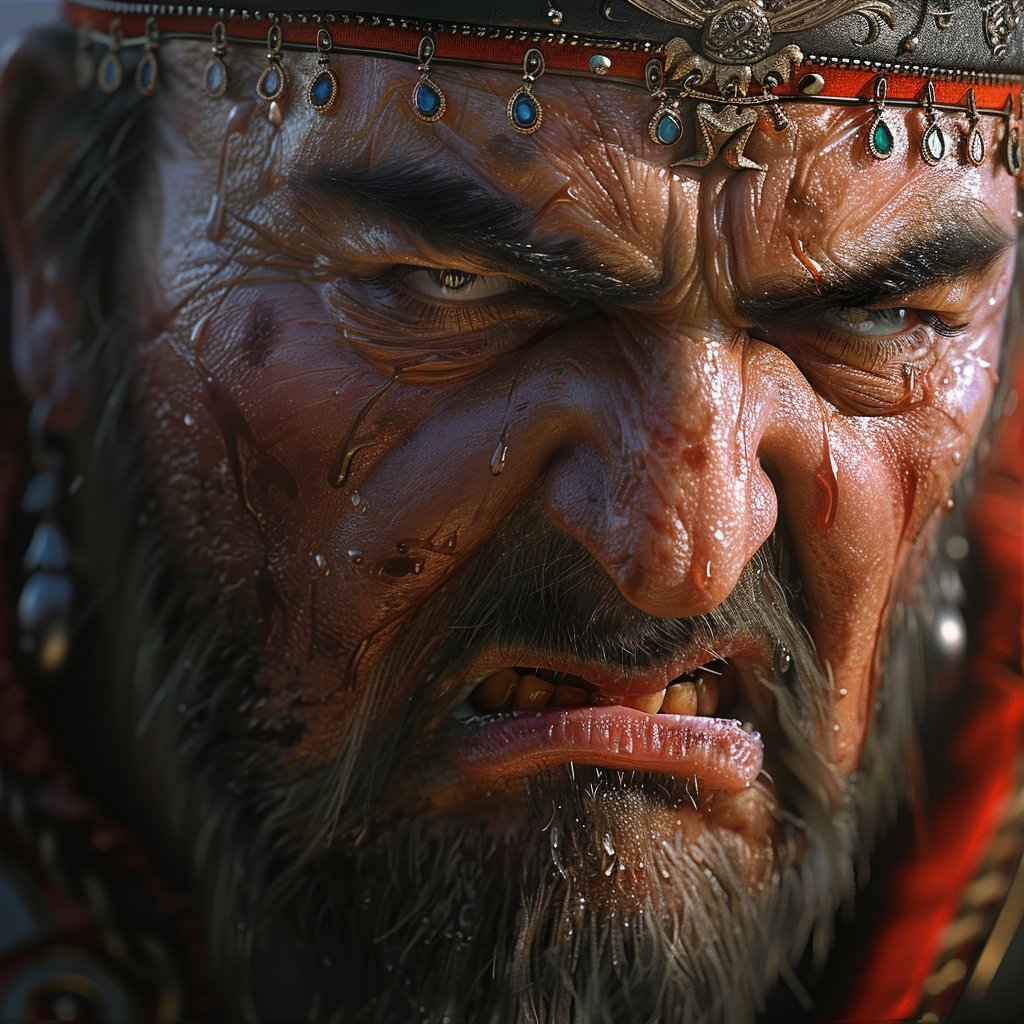
The empire's treatment of women, particularly within the harem system, was marked by confinement, sex slavery, and abuse.
Women were often treated as commodities, subject to the whims of their male guardians and denied basic rights and freedoms.
Women were often treated as commodities, subject to the whims of their male guardians and denied basic rights and freedoms.
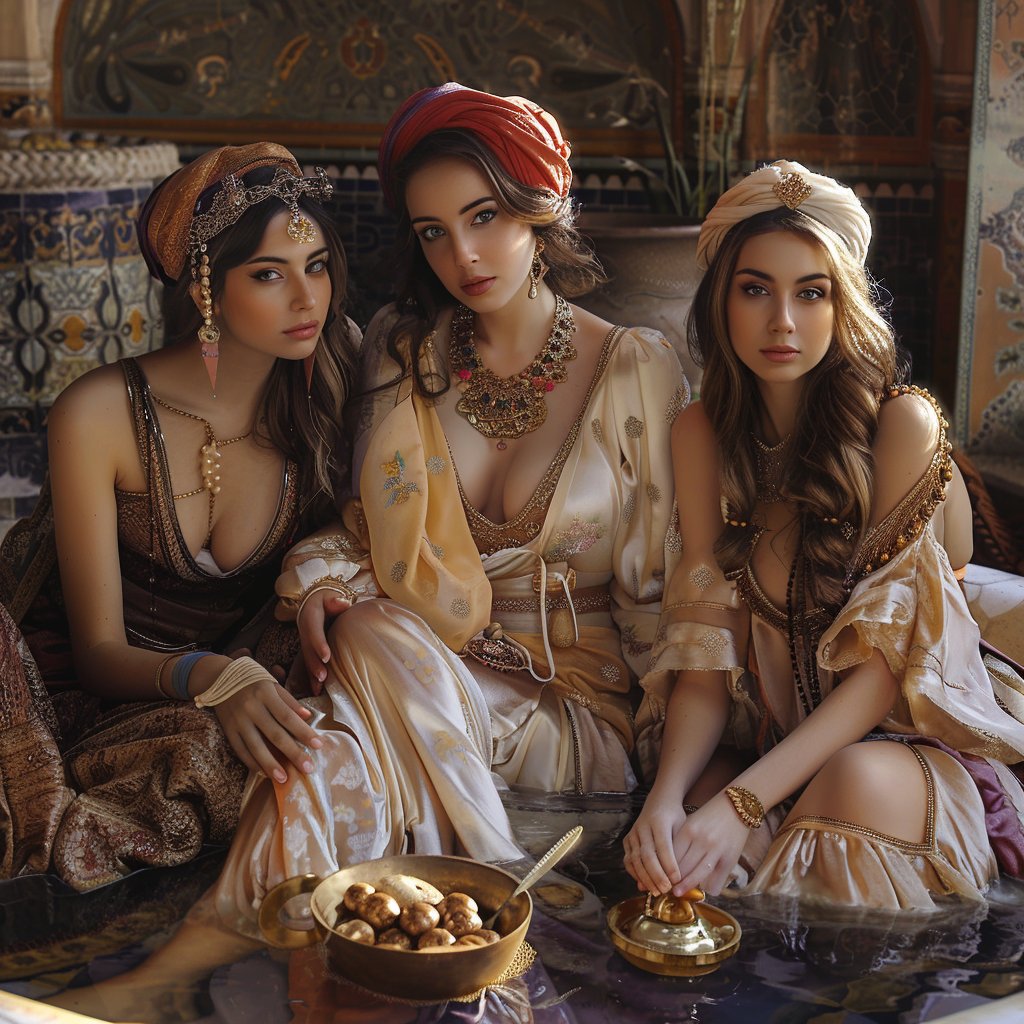
The empire's treatment of non-Muslim subjects was marked by discrimination and oppression.
For example, the "Jizya" tax imposed on non-Muslims placed a heavy financial burden on communities, leading to economic hardship and social marginalization
For example, the "Jizya" tax imposed on non-Muslims placed a heavy financial burden on communities, leading to economic hardship and social marginalization

The infamous "blood tax" & "devishrime system" forced Christian children from Balkans into the sultan's service.
The elite soldiers Janissaries were kidnapped children converted to Islam to creat a loyal but ruthless military
The elite soldiers Janissaries were kidnapped children converted to Islam to creat a loyal but ruthless military

The Ottoman Empire's practice of executing political opponents and rivals was pervasive.
Sultan Selim I's execution of his brothers and nephews to secure the throne, including the murder of his own infant grandson, illustrates the ruthlessness of Ottoman power struggles.
Sultan Selim I's execution of his brothers and nephews to secure the throne, including the murder of his own infant grandson, illustrates the ruthlessness of Ottoman power struggles.
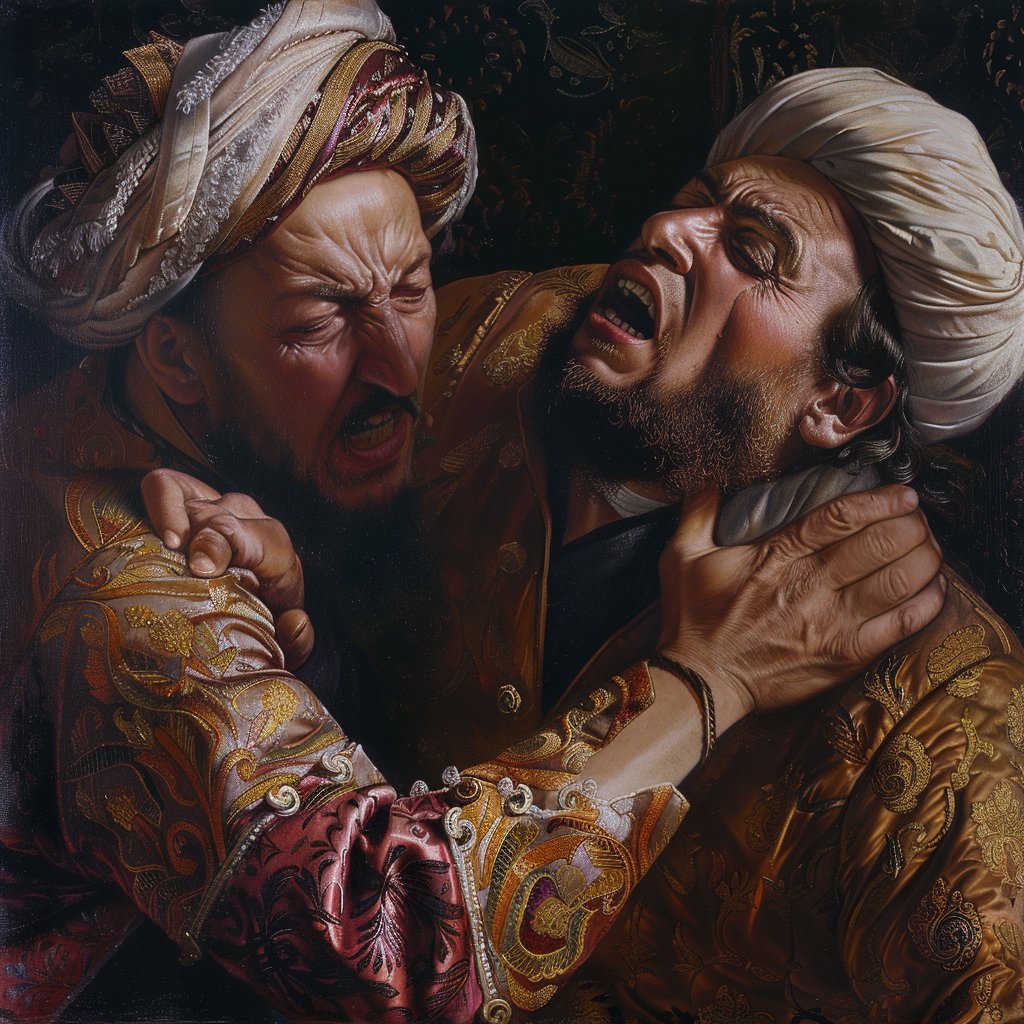
The empire's suppression of dissent and intellectual freedom stifled innovation and progress.
The execution of renowned scholar and mystic, Ibn Arabi, for heresy in the 13th century is a stark example of the consequences faced by those who challenged orthodoxy.
The execution of renowned scholar and mystic, Ibn Arabi, for heresy in the 13th century is a stark example of the consequences faced by those who challenged orthodoxy.
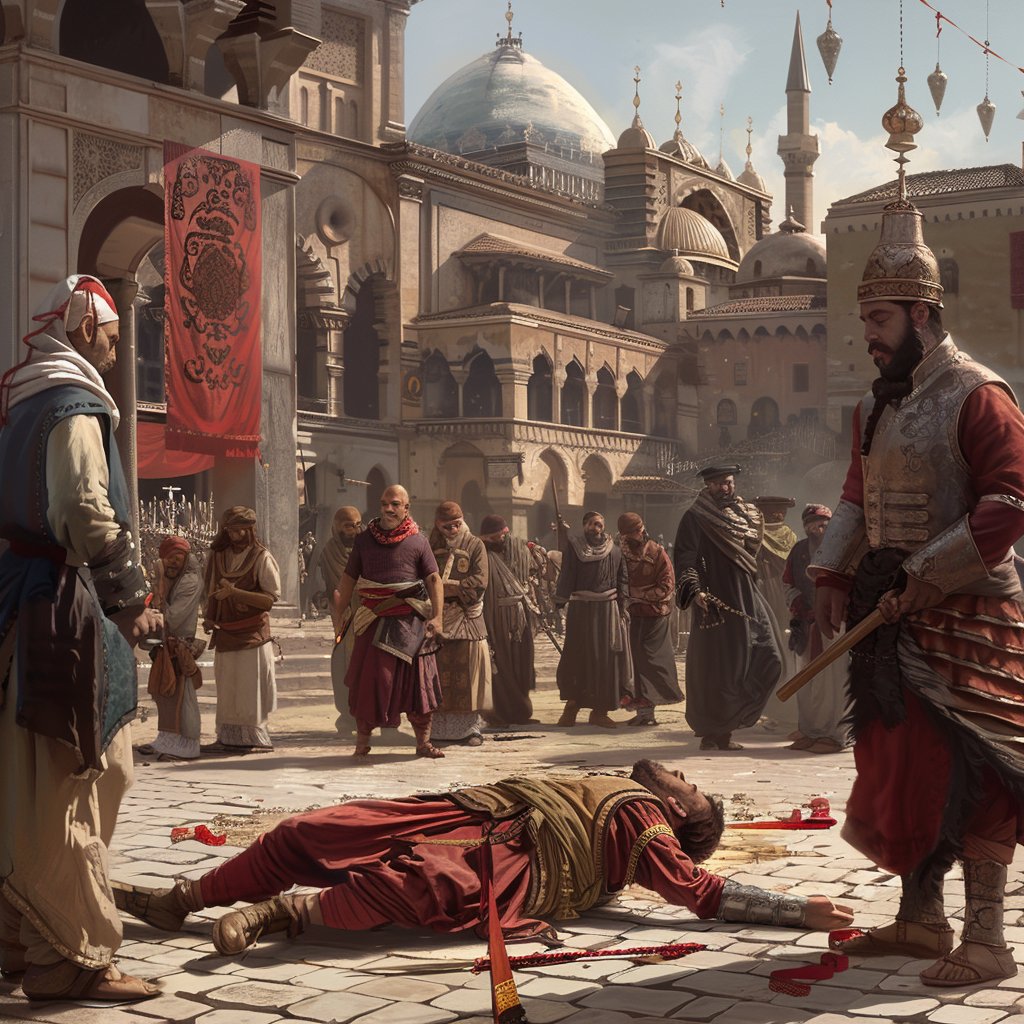
The Ottoman Empire's imposition of harsh punishments, such as public executions and mutilations, instilled fear and obedience among the populace.
The execution of Grand Vizier Kara Mustafa Pasha by strangulation in 1683 highlights the brutality of Ottoman justice.
The execution of Grand Vizier Kara Mustafa Pasha by strangulation in 1683 highlights the brutality of Ottoman justice.
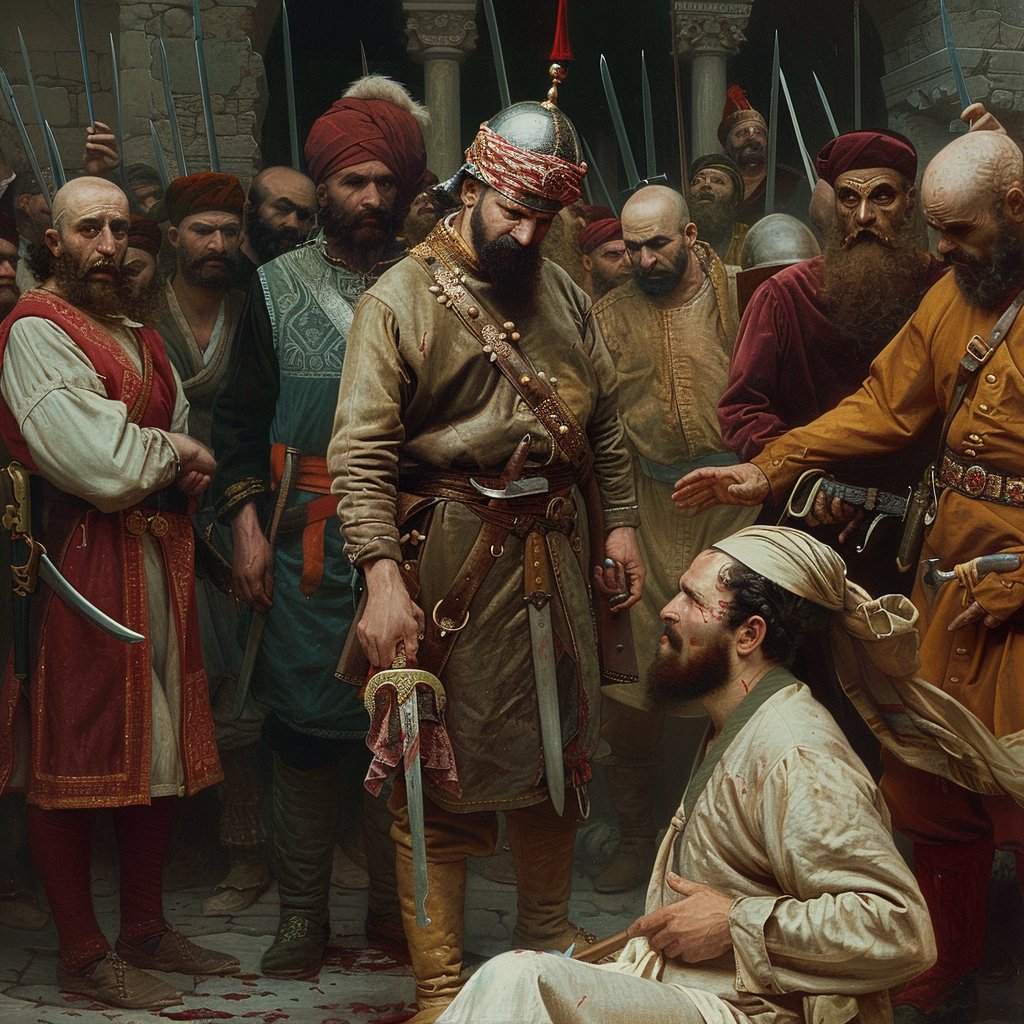
The empire's decline in the late 19th and early 20th centuries was marked by internal strife, corruption, and incompetence.
The reign of Sultan Abdul Hamid II saw widespread repression and censorship, leading to discontent and rebellion among various ethnic groups.
The reign of Sultan Abdul Hamid II saw widespread repression and censorship, leading to discontent and rebellion among various ethnic groups.
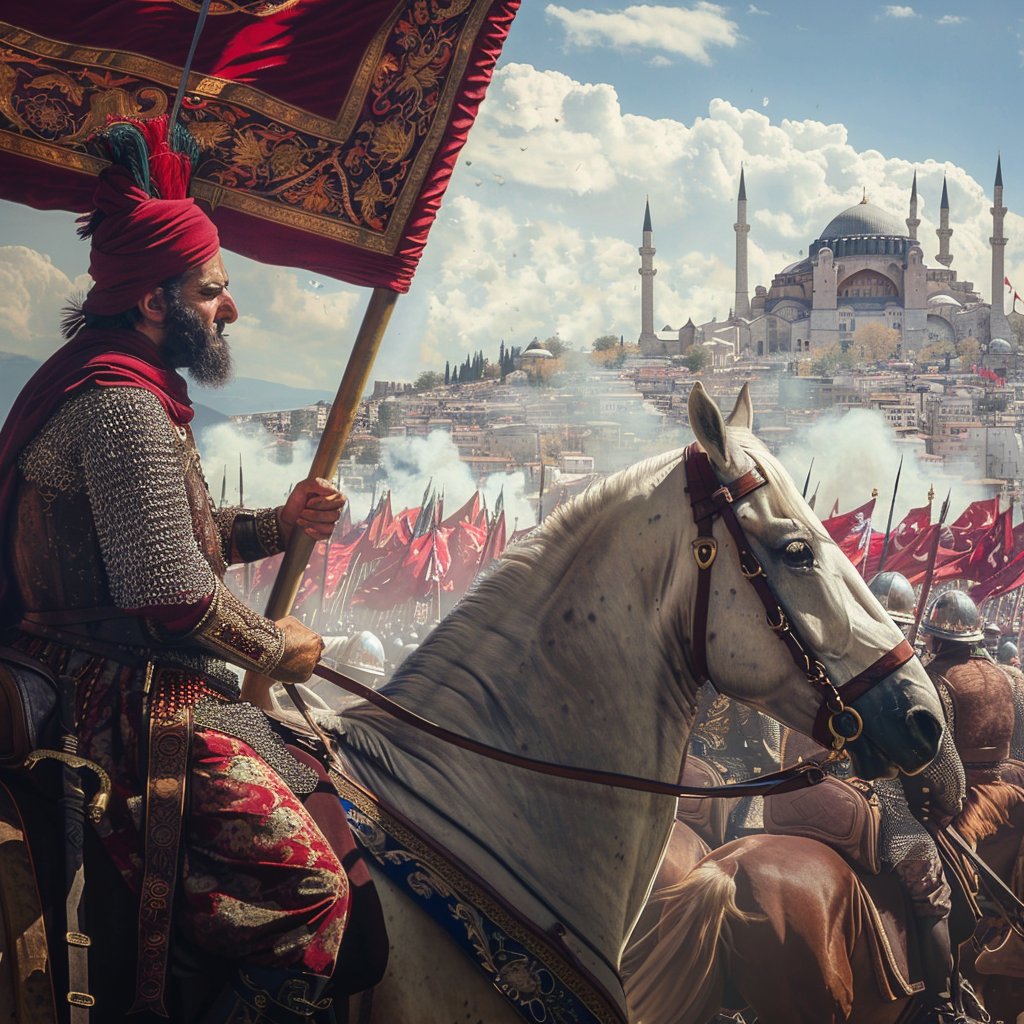
The Ottoman Empire's legacy of genocide, exemplified by the Armenian Genocide of 1915-1923, resulted in the systematic extermination of over a million Armenians and other Christian minorities.
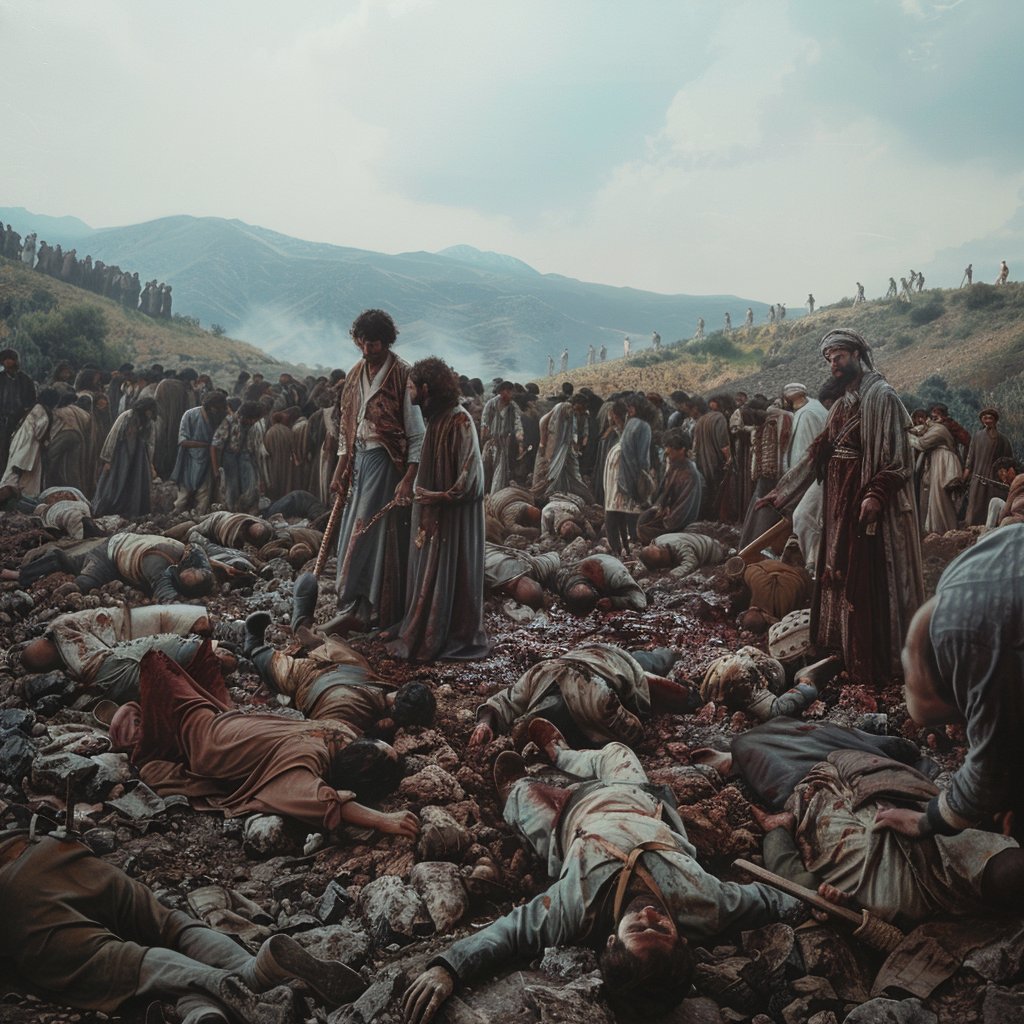
For all its outward might, the empire’s callous oppression of its own ultimately contributed to its undoing.
The human cost of Ottoman political strategy was immense.
Ruthlessness enabled the Ottomans’ long reign, until central brutality sparked decline.
The human cost of Ottoman political strategy was immense.
Ruthlessness enabled the Ottomans’ long reign, until central brutality sparked decline.
If you want to know more about the world, subscribe to our Twitter and YouTube
For 1:1 personal broadcast messages email your full phone number to itihasika@gmail.com
Join us in our journeys across time
For 1:1 personal broadcast messages email your full phone number to itihasika@gmail.com
Join us in our journeys across time
جاري تحميل الاقتراحات...