
Most mosques feature a dome, called qubba in Arabic. The dome is a symbolic representation of the vault of heaven. The interior decoration of a dome often emphasises this symbolism using patterns to awe & inspire.
A thread on dome interiors in mosques across the world #Ramadan…
A thread on dome interiors in mosques across the world #Ramadan…
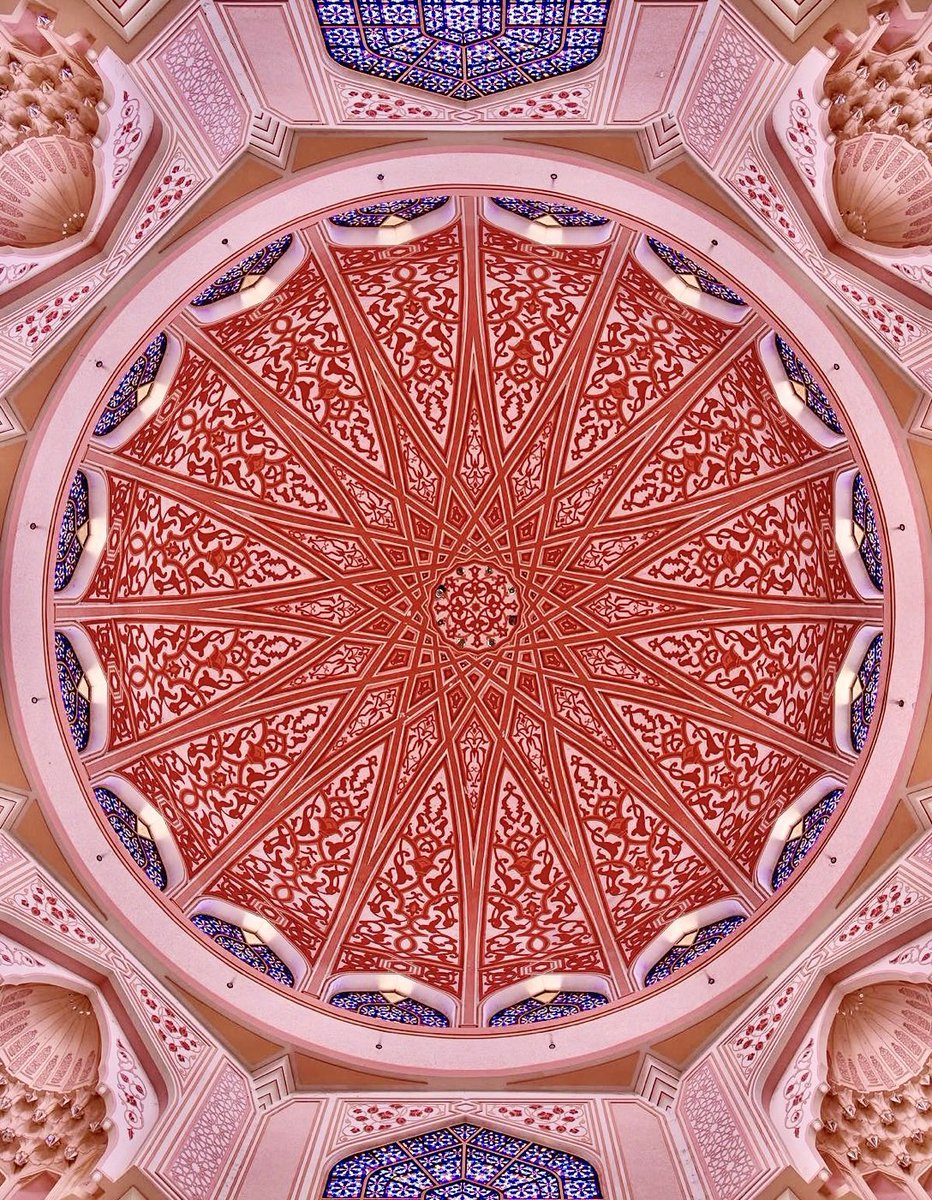
1/ Dome interior of The Putra Mosque, Putrajaya, Malaysia
Building began in 1997 & completed two years later. The pink-domed Mosque is constructed with rose-tinted granite & includes a prayer hall, courtyard & learning facilities. The mosque can accommodate 15,000 worshippers #Ramadan
Building began in 1997 & completed two years later. The pink-domed Mosque is constructed with rose-tinted granite & includes a prayer hall, courtyard & learning facilities. The mosque can accommodate 15,000 worshippers #Ramadan
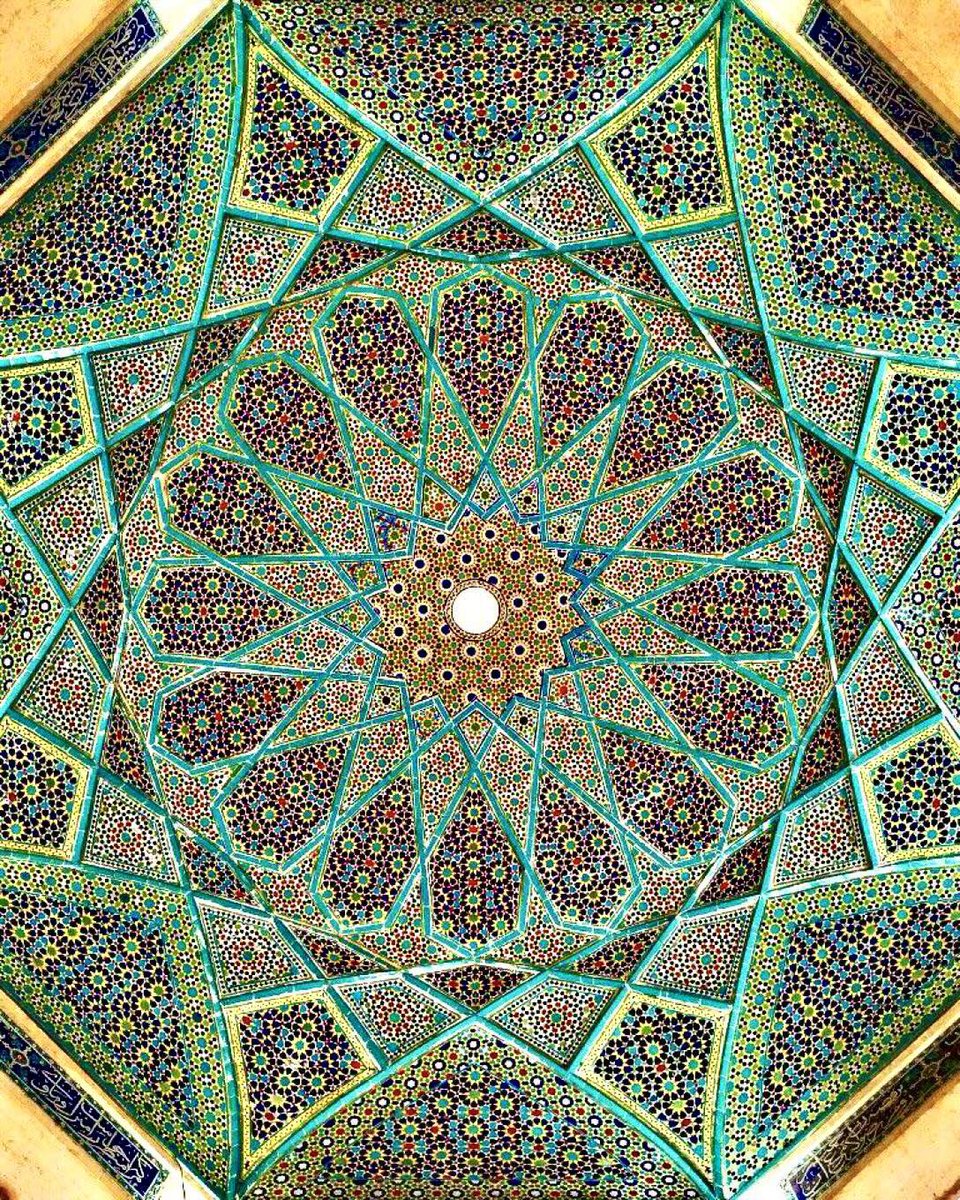
2/ Dome interior of Hafez Tomb, Shiraz, Iran
Built in 1773 in memory of the celebrated Persian poet Hafez. The open pavilion structures are situated in the Musalla Gardens on the north bank of a seasonal river and house the marble tomb of Hafez #Ramadan
Built in 1773 in memory of the celebrated Persian poet Hafez. The open pavilion structures are situated in the Musalla Gardens on the north bank of a seasonal river and house the marble tomb of Hafez #Ramadan
3/ Dome interior of Mazari Sharif, Afghanistan
Many Afghanis believe Ali ibn Abi Talib is buried here. The building gives the city, Mazari Sharif (meaning "Tomb of the Exalted") its name. The shrine was erected here in 1136 and the interior ceiling is a splendour of colour #Ramadan
Many Afghanis believe Ali ibn Abi Talib is buried here. The building gives the city, Mazari Sharif (meaning "Tomb of the Exalted") its name. The shrine was erected here in 1136 and the interior ceiling is a splendour of colour #Ramadan
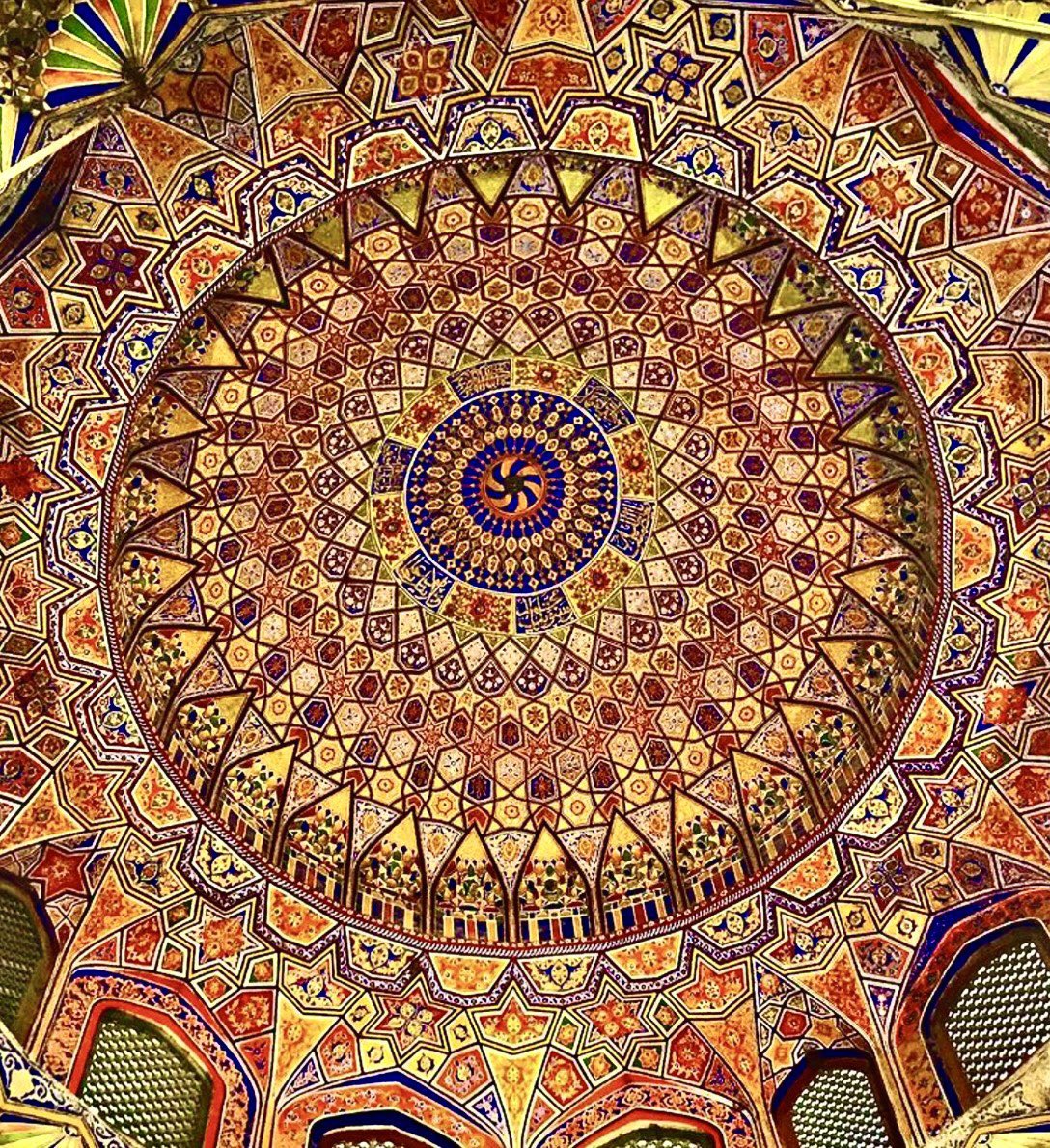
4/ Dome interior of Kul Sharif Mosque, Kazan, Tatarstan
Originally, the mosque was built in the Kazan Kremlin in the 16th century. It was named after Kul Sharif, who was a religious scholar who served there #Ramadan
Originally, the mosque was built in the Kazan Kremlin in the 16th century. It was named after Kul Sharif, who was a religious scholar who served there #Ramadan

5/ Dome interior of Sultan Mehmet Fatih Mosque, Pristina, Kosovo
The Imperial Mosque also known as is an Ottoman mosque was built in 1461 by Sultan Mehmet II Fatih. The mosque was declared a Monument of Culture of Exceptional Importance in 1990 by the Republic of Serbia. #Ramadan
The Imperial Mosque also known as is an Ottoman mosque was built in 1461 by Sultan Mehmet II Fatih. The mosque was declared a Monument of Culture of Exceptional Importance in 1990 by the Republic of Serbia. #Ramadan
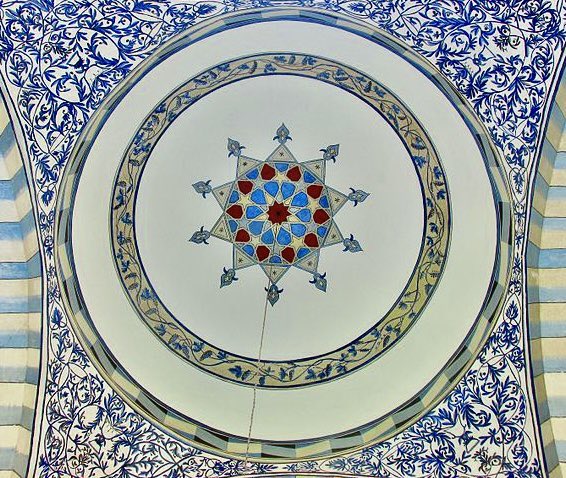
6/ Dome interior of Sokollu Mehmet Pasha Mosque, Istanbul
A 16th-century Ottoman mosque it was commissioned jointly by the grand vizier Sokollu Mehmed Pasha and his wife İsmihan Sultan. It was designed by the imperial architect Mimar Sinan and completed in 1571/2 #Ramadan
A 16th-century Ottoman mosque it was commissioned jointly by the grand vizier Sokollu Mehmed Pasha and his wife İsmihan Sultan. It was designed by the imperial architect Mimar Sinan and completed in 1571/2 #Ramadan
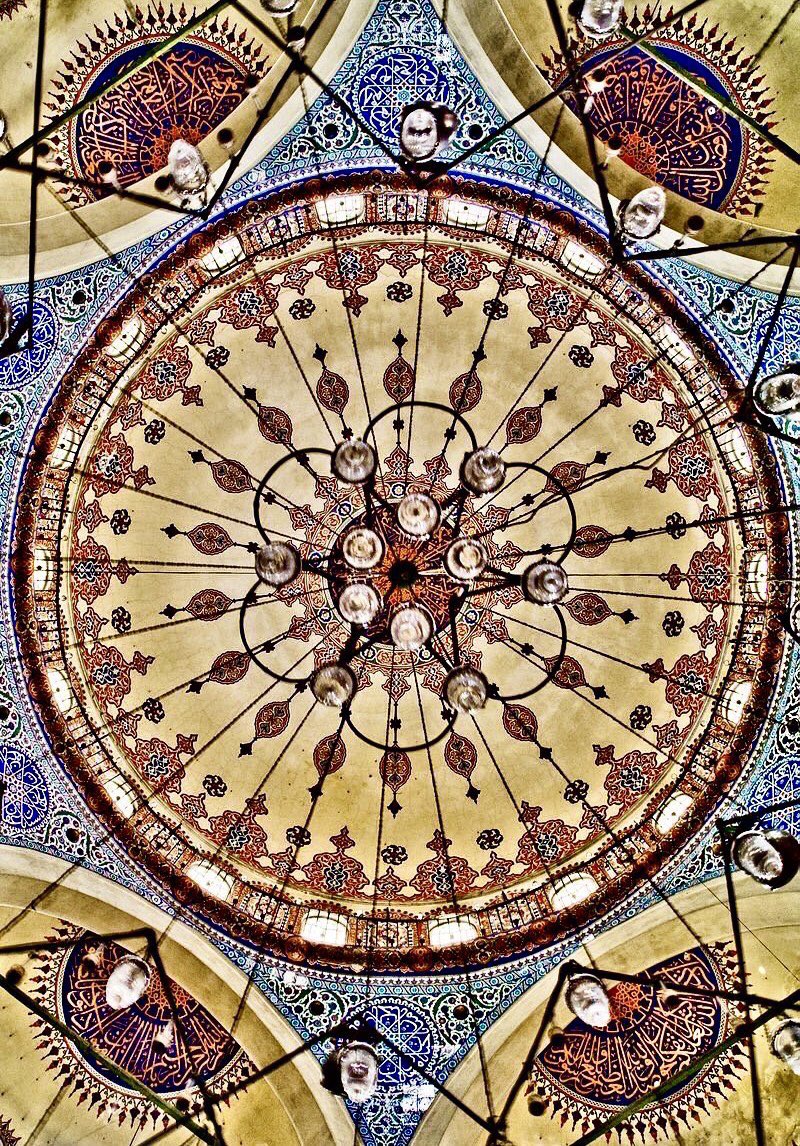
7/ Dome interior of Mosque #Ramadan
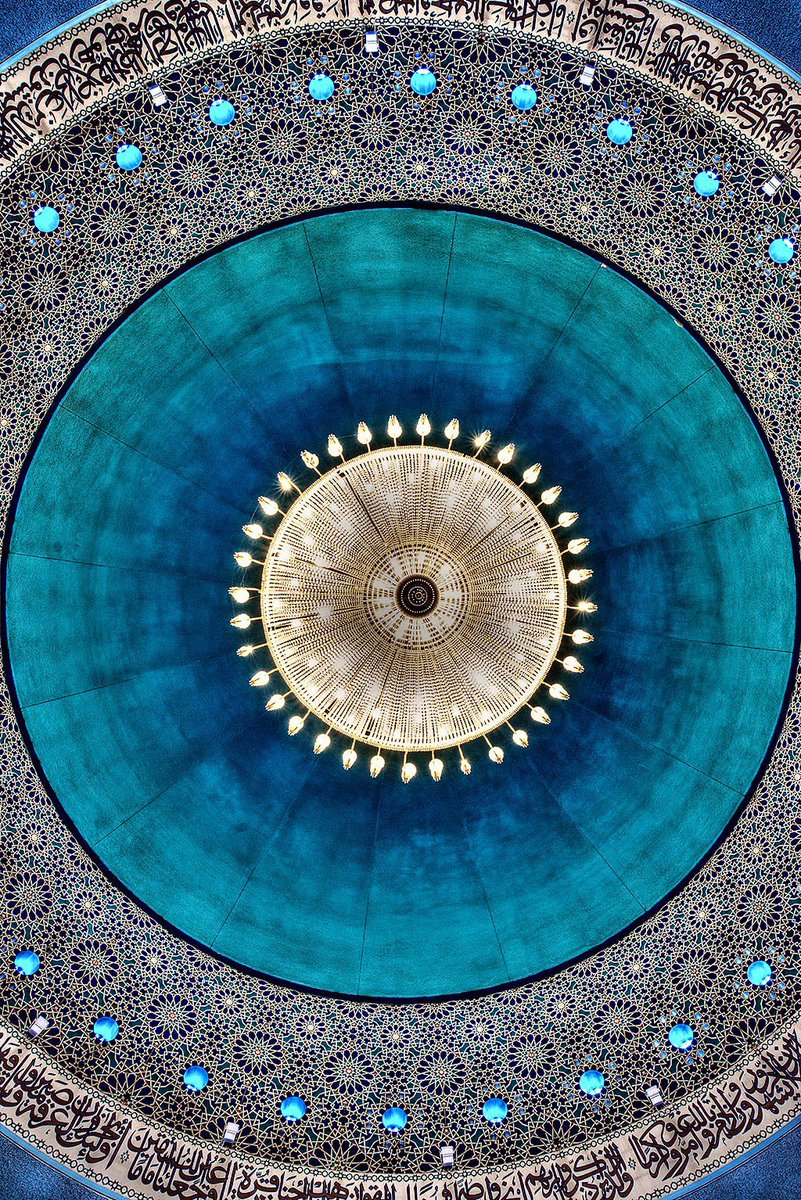
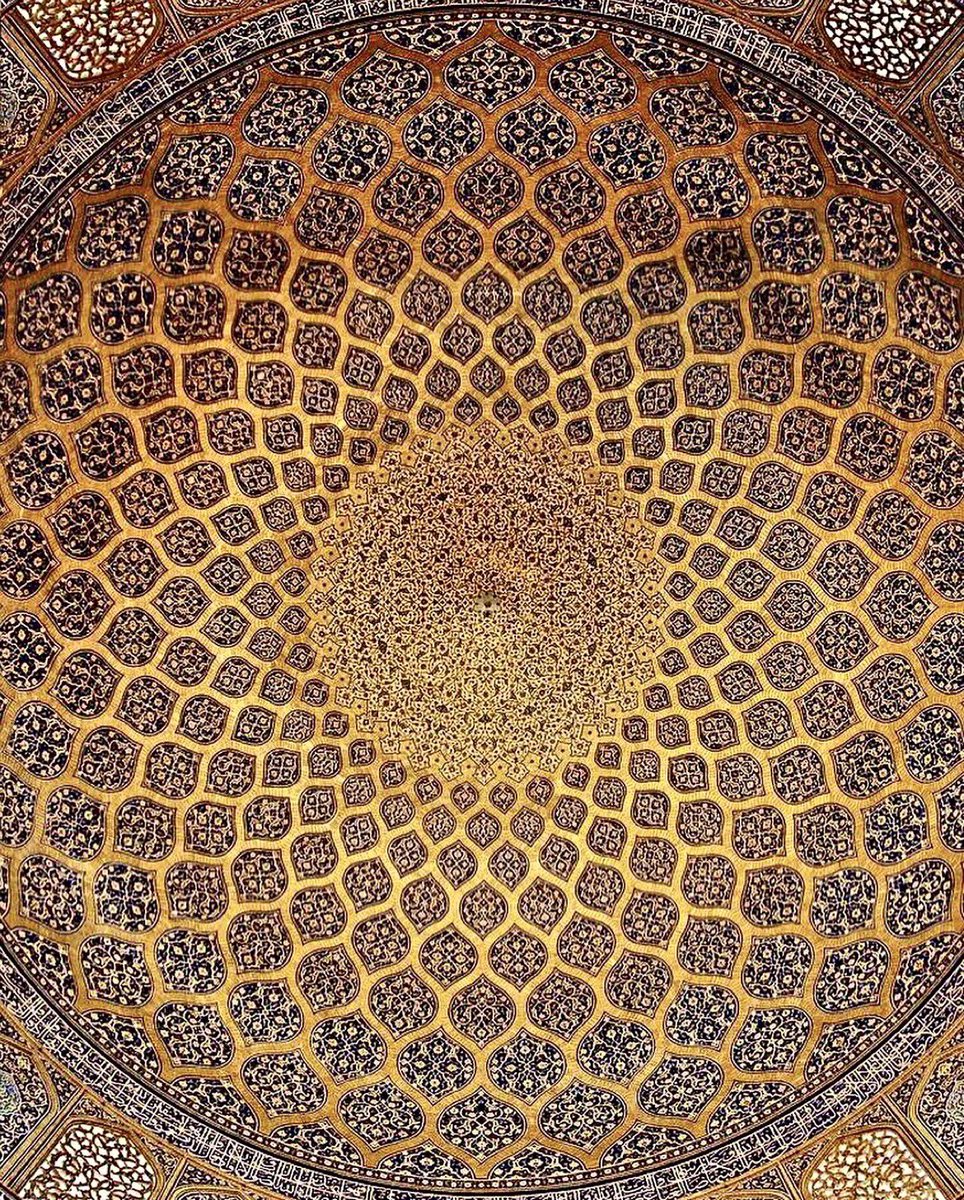
8/ Dome interior of Sheikh Lotfollah Mosque, Naqsh-i Jahan Square, Esfahan, Iran
Construction of the mosque started in 1603 and was finished in 1619. Built by the chief architect Mohammadreza Isfahani, during the reign of Shah Abbas I of Persia. #Ramadan
Construction of the mosque started in 1603 and was finished in 1619. Built by the chief architect Mohammadreza Isfahani, during the reign of Shah Abbas I of Persia. #Ramadan
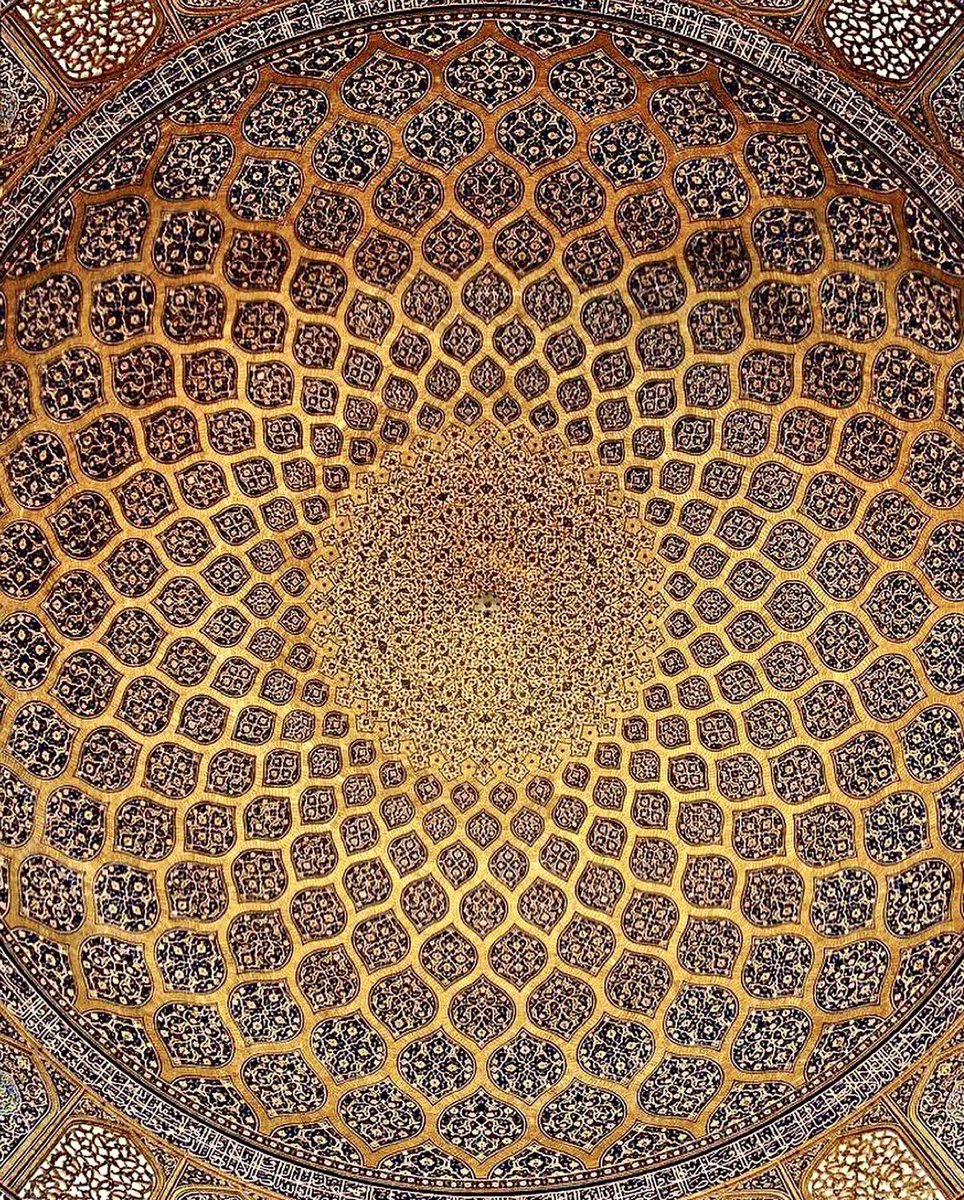
9/ Dome interior of Sultan Qaboos Grand Mosque, Oman
In 1992, Qaboos bin Said al Said, the then Sultan of Oman, directed that his country should have a Grand Mosque, construction commenced in December 1994. The chandelier above the praying hall is 14 metres (46 feet) tall #Ramadan
In 1992, Qaboos bin Said al Said, the then Sultan of Oman, directed that his country should have a Grand Mosque, construction commenced in December 1994. The chandelier above the praying hall is 14 metres (46 feet) tall #Ramadan
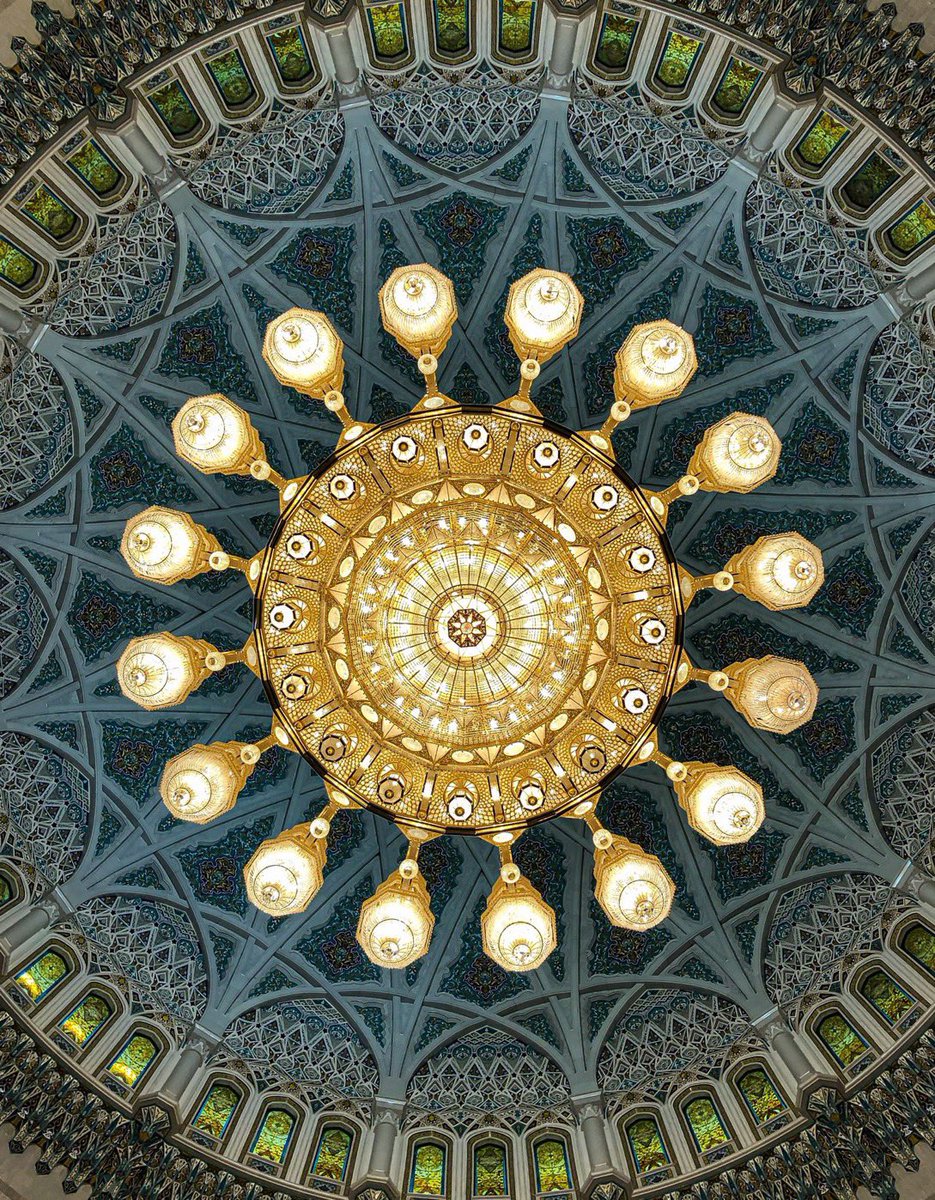
10/ Dome interior of At-Taqwa Mosque, Cirebon, West Java, Indonesia
Taqwa Grand Mosque is a historical mosque in the city of Cirebon, West Java, founded in 1918. Today it is one of the congregational mosques in Cirebon and considered an icon of the city #Ramadan
Taqwa Grand Mosque is a historical mosque in the city of Cirebon, West Java, founded in 1918. Today it is one of the congregational mosques in Cirebon and considered an icon of the city #Ramadan
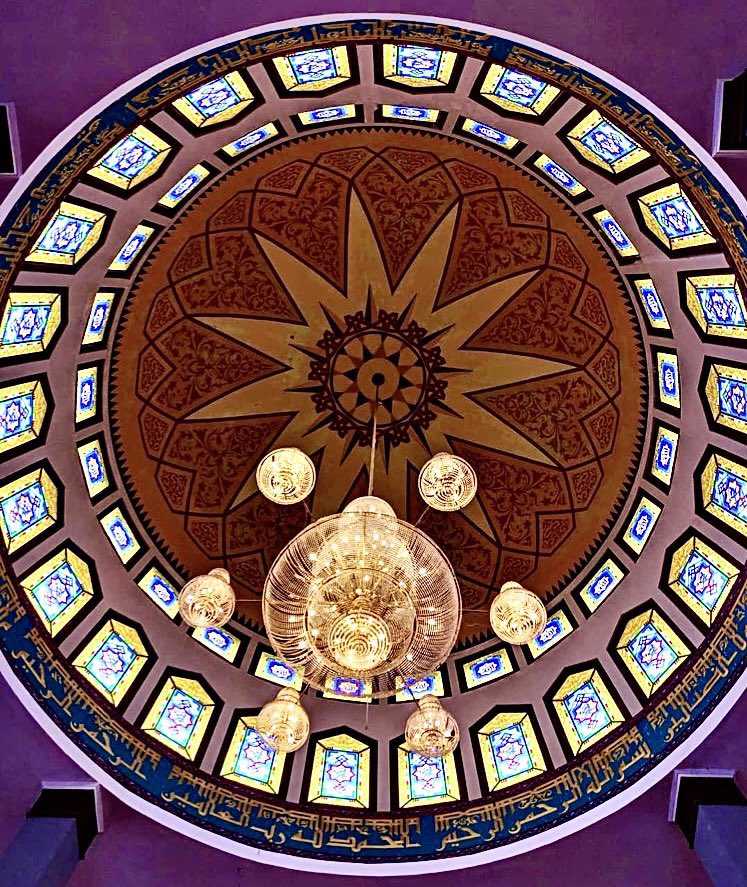
11/ Dome interior of Al-Masjid an-Nabawi Masjid, Medina, Saudi Arabia
Built by Prophet Muhammad (PBUH) it was the 2nd mosque built in Medina after Masjid Quba' & is the second largest mosque and second holiest site in Islam, both titles ranking after the Masjid al-Haram in Mecca #Ramadan
Built by Prophet Muhammad (PBUH) it was the 2nd mosque built in Medina after Masjid Quba' & is the second largest mosque and second holiest site in Islam, both titles ranking after the Masjid al-Haram in Mecca #Ramadan

12/ Dome interior of Juma Mosque, Tashkent, Uzbekistan
Also known as the Jama or Dzhuma Mosque, it was built in 1451 by Sheikh Ubaydullo Khoja Akhror (1404-1490).#Ramadan
Also known as the Jama or Dzhuma Mosque, it was built in 1451 by Sheikh Ubaydullo Khoja Akhror (1404-1490).#Ramadan
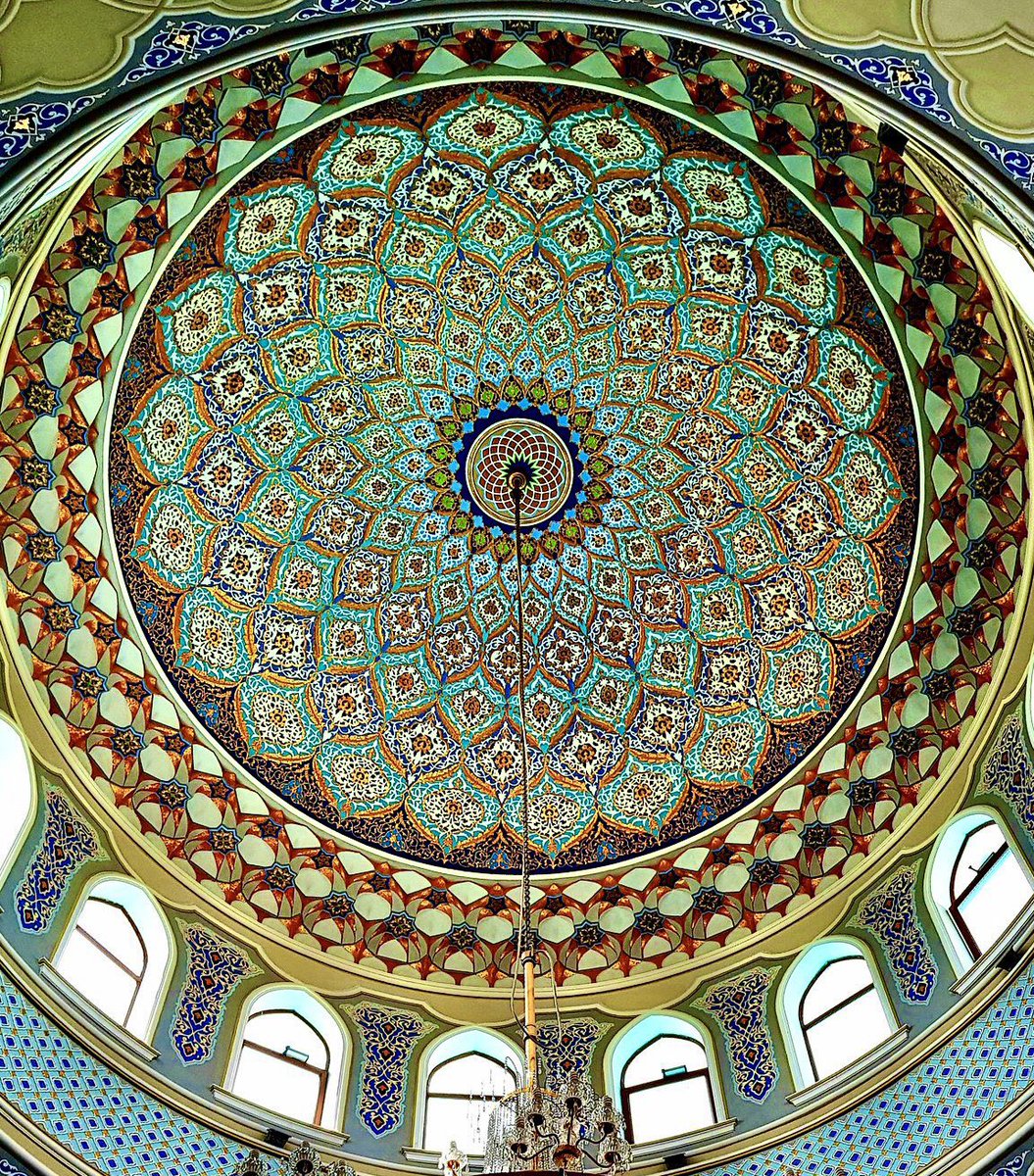
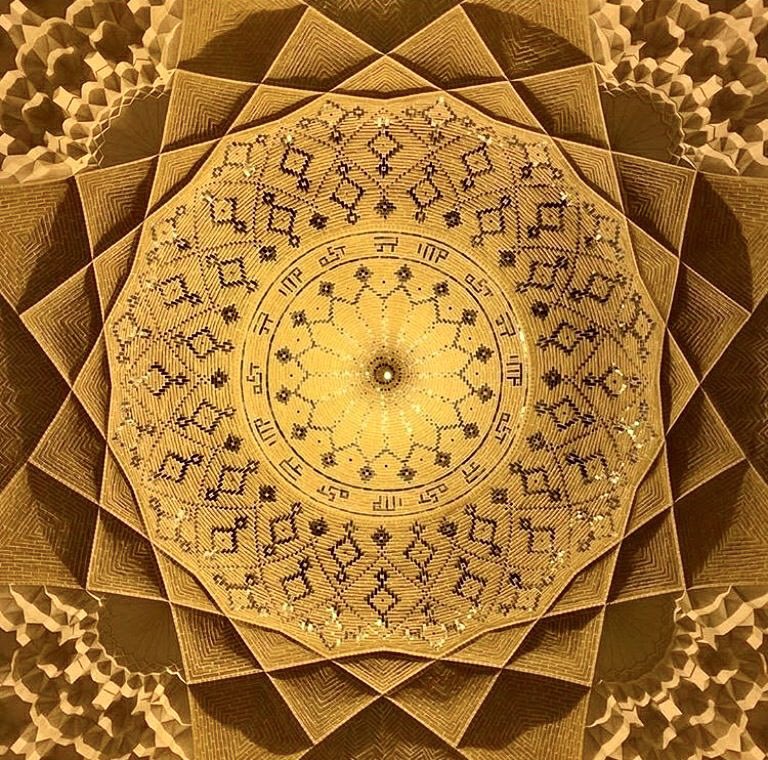
13/ Dome interior of Malek Mosque, Kerman, Iran
The mosque was built at the time of Turan Shah I, Kerman Seljuk Sultanate, in the 11th century. This mosque is the biggest and oldest mosque in Kerman.
The mosque was built at the time of Turan Shah I, Kerman Seljuk Sultanate, in the 11th century. This mosque is the biggest and oldest mosque in Kerman.
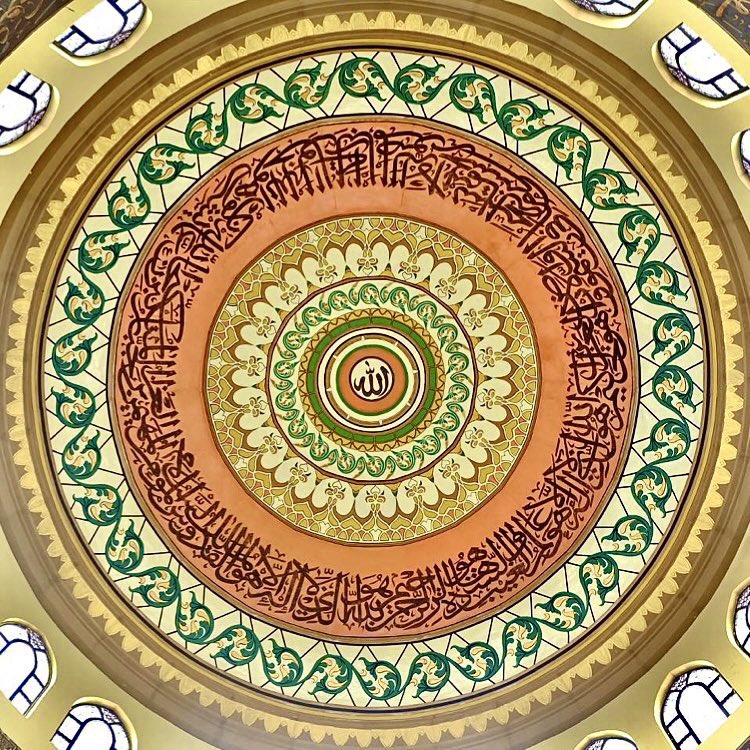
14/ Dome interior of Great Mosque of Central Java, Semarang, Central Java, Indonesia
The Great Mosque of Central Java (Indonesian: Masjid Agung Jawa Tengah) is a mosque in the city of Semarang, Indonesia. The mosque was dedicated in 2006 by President Susilo Bambang Yudhoyono
The Great Mosque of Central Java (Indonesian: Masjid Agung Jawa Tengah) is a mosque in the city of Semarang, Indonesia. The mosque was dedicated in 2006 by President Susilo Bambang Yudhoyono
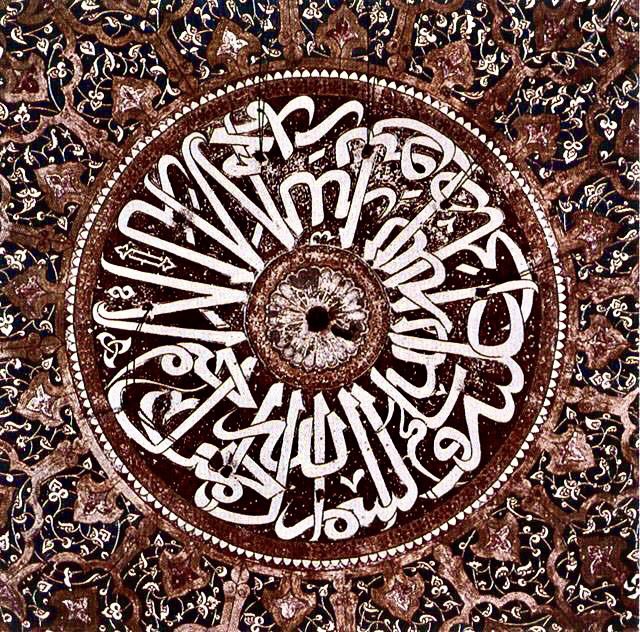
15/ Dome interior of Al-Ashrafiya Mosque, Taiz, Yemen
Considered to be one of the most important centers in the Islamic history of Yemen. It was supposedly built in two stages: by Sultan Al-Ashraf Umar II (1295-6), by Sultan Al-Ashraf Isma'il I (1377-1400) and opened in 1382 #Ramadan
Considered to be one of the most important centers in the Islamic history of Yemen. It was supposedly built in two stages: by Sultan Al-Ashraf Umar II (1295-6), by Sultan Al-Ashraf Isma'il I (1377-1400) and opened in 1382 #Ramadan
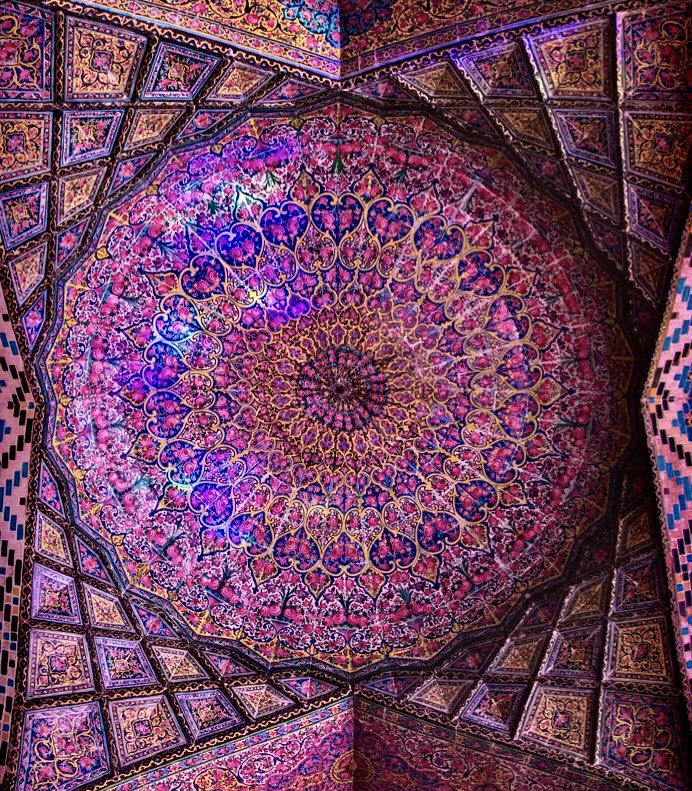
16/ Dome interior of Nasir al Mulk Mosque. Shiraz, Iran
Nasir al-Mulk Mosque was constructed between 1876 and 1888, during the Qajar dynasty, which ruled Iran from 1785 to 1925. It has been dubbed the “Pink Mosque” due to the plethora of pink-colored tiles blanketing the ceiling #Ramadan
Nasir al-Mulk Mosque was constructed between 1876 and 1888, during the Qajar dynasty, which ruled Iran from 1785 to 1925. It has been dubbed the “Pink Mosque” due to the plethora of pink-colored tiles blanketing the ceiling #Ramadan
17/ Dome interior of Madrasa of Sultan Barquq, Cairo, Egypt
Commissioned by Sultan al-Zahir Barquq as a school for religious education in the four Islamic schools of thought, composed of a mosque, madrasa, mausoleum and khanqah. Built in 1384-1386 CE with the dome added last #Ramadan
Commissioned by Sultan al-Zahir Barquq as a school for religious education in the four Islamic schools of thought, composed of a mosque, madrasa, mausoleum and khanqah. Built in 1384-1386 CE with the dome added last #Ramadan
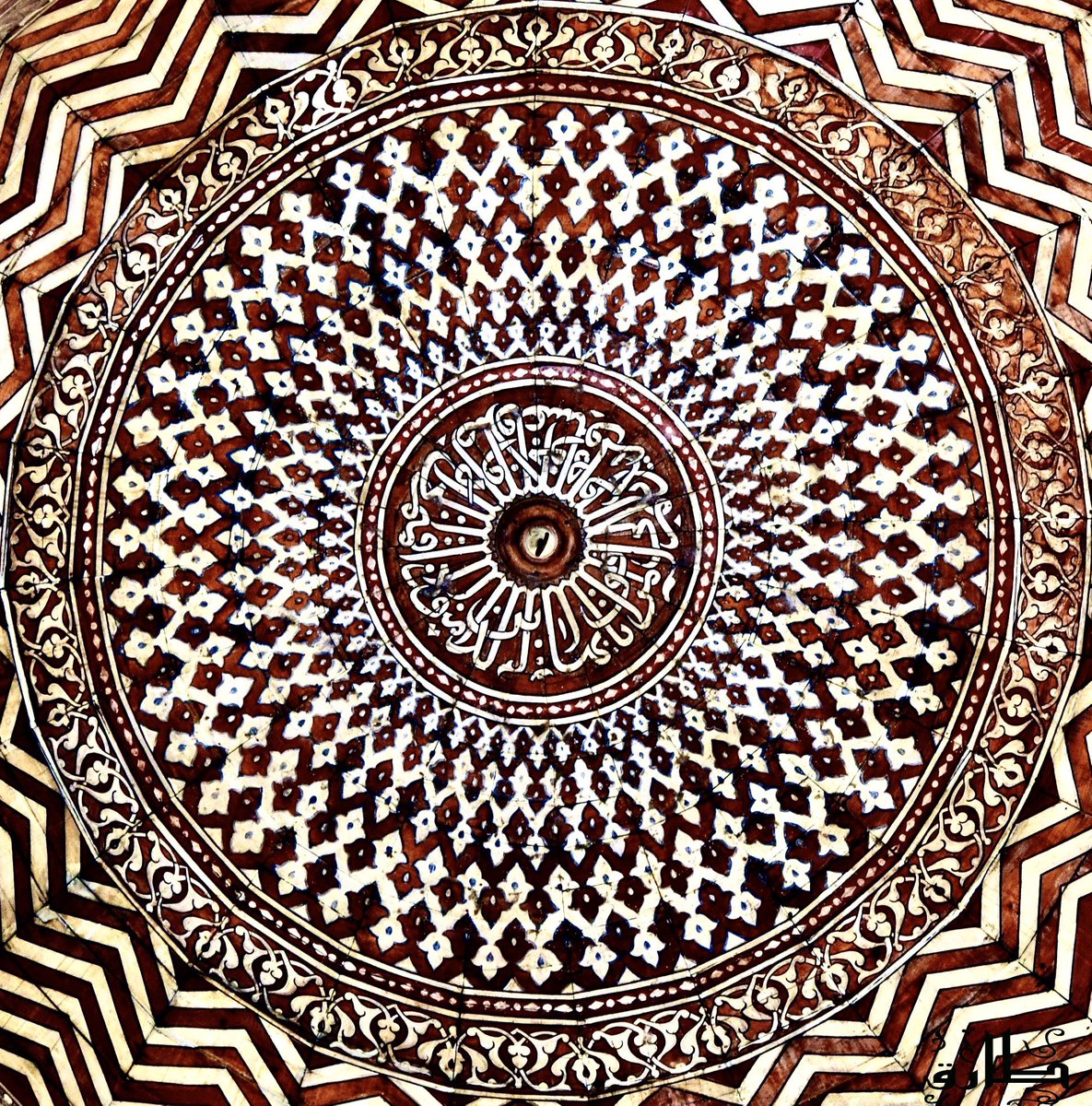
18/ Dome interior of Tokyo Mosque (東京ジャーミイ), Ōyama-chō district of Shibuya ward in Tokyo, Japan
The largest mosque in Japan. Originally built in 1938, the current building was completed in 2000. It was designed by Hilmi Senalp in a style inspired by Ottoman architecture #Ramadan
The largest mosque in Japan. Originally built in 1938, the current building was completed in 2000. It was designed by Hilmi Senalp in a style inspired by Ottoman architecture #Ramadan
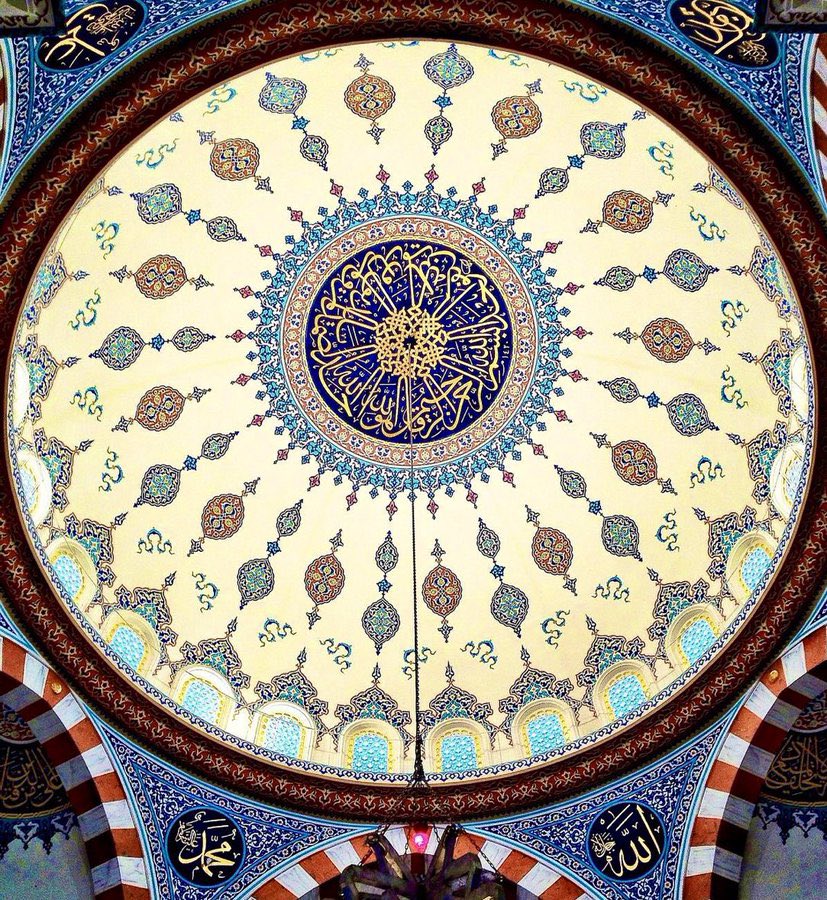
19/ Dome interior of the Selimiye Mosque, Edirne, Turkey
An Ottoman imperial mosque commissioned by Sultan Selim II, it was built by the imperial architect Mimar Sinan between 1568 and 1575. It was considered by Sinan to be his masterpiece.
An Ottoman imperial mosque commissioned by Sultan Selim II, it was built by the imperial architect Mimar Sinan between 1568 and 1575. It was considered by Sinan to be his masterpiece.
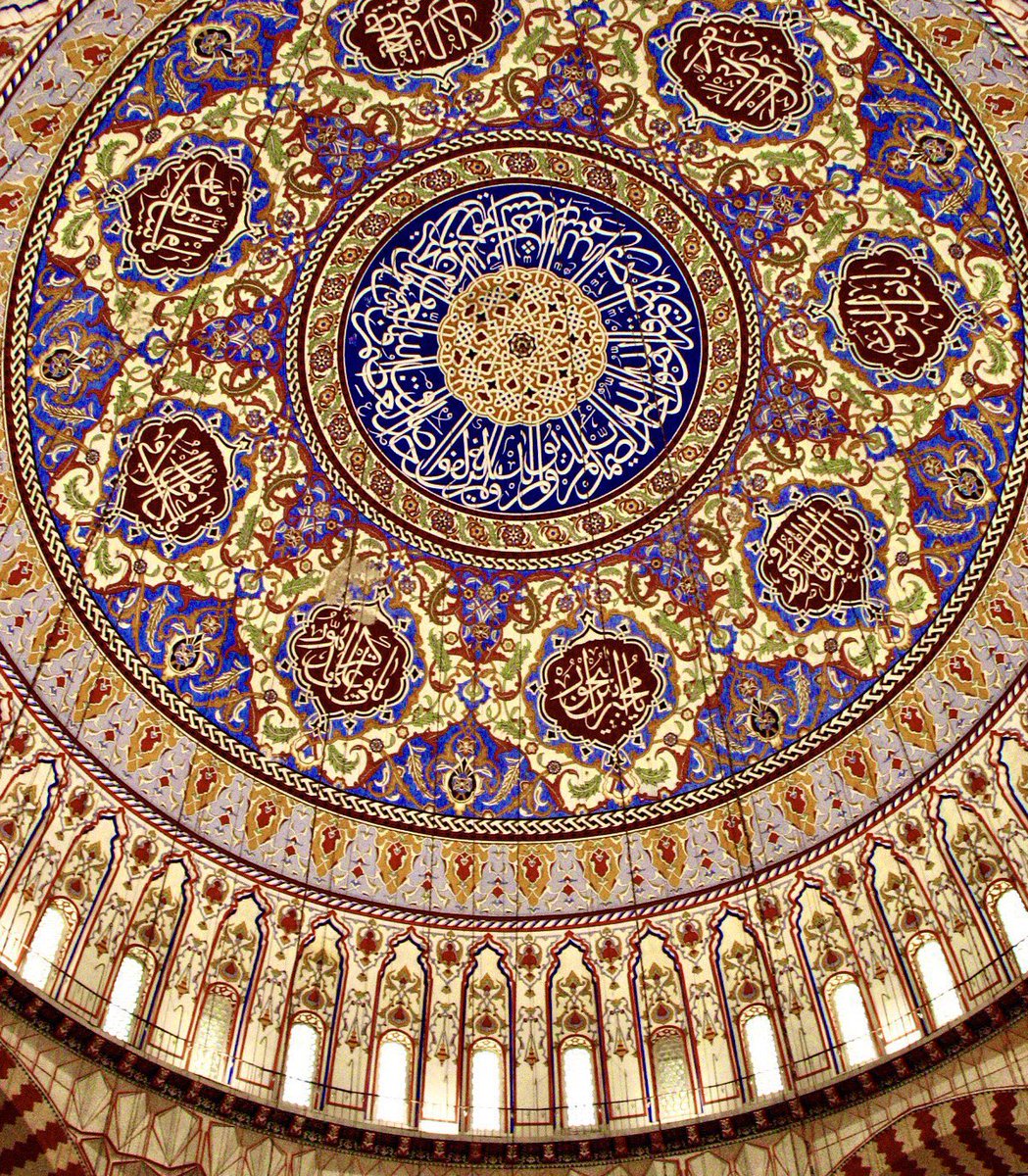
20/ Dome interior of The Shah Jahan Mosque, Thatta, Pakistan
Also known as the Jamia Masjid of Thatta, is a 17th-century building that serves as the central mosque for the city of Thatta, in the Pakistani province of Sindh. #Ramadan
Also known as the Jamia Masjid of Thatta, is a 17th-century building that serves as the central mosque for the city of Thatta, in the Pakistani province of Sindh. #Ramadan
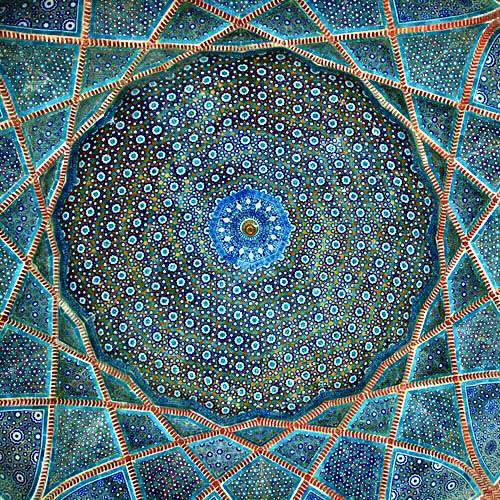
21/ Dome interior of Al-Salam Mosque, Homs, Syria
It was designed by architect Shawki Tawokkol and construction was completed in 1980, partially with the support of local volunteers #Ramadan
It was designed by architect Shawki Tawokkol and construction was completed in 1980, partially with the support of local volunteers #Ramadan

22/ Dome interior of Tilla Kari, Uzbekistan
Built in 1646, "Madrasah of gold" is the literal translation of "Tilla-Kari." It was given this name because the facades of the madrasah and the mosques are covered with gilding made in the unusual technique called ‘kundal’ #Ramadan
Built in 1646, "Madrasah of gold" is the literal translation of "Tilla-Kari." It was given this name because the facades of the madrasah and the mosques are covered with gilding made in the unusual technique called ‘kundal’ #Ramadan

جاري تحميل الاقتراحات...