
The colour blue (al-azraq) in Islamic tradition often signifies the impenetrable depths of the universe, and turquoise blue is thought to have mystical qualities.
For Ramadan, here are 24 beautiful Islamic buildings & mosques, designed using the colour blue…
A thread…
For Ramadan, here are 24 beautiful Islamic buildings & mosques, designed using the colour blue…
A thread…

1/ Jalil Khayat Mosque, Erbil, Kurdistan, Iraq
The largest mosque in the city, it was begun by Jalil Khayat who died in 2005 & completed in 2007 by his sons in memory of their father. The blue style resembles the Mosque of Muhammad Ali in Cairo & Blue mosque in Istanbul #Ramadan
The largest mosque in the city, it was begun by Jalil Khayat who died in 2005 & completed in 2007 by his sons in memory of their father. The blue style resembles the Mosque of Muhammad Ali in Cairo & Blue mosque in Istanbul #Ramadan
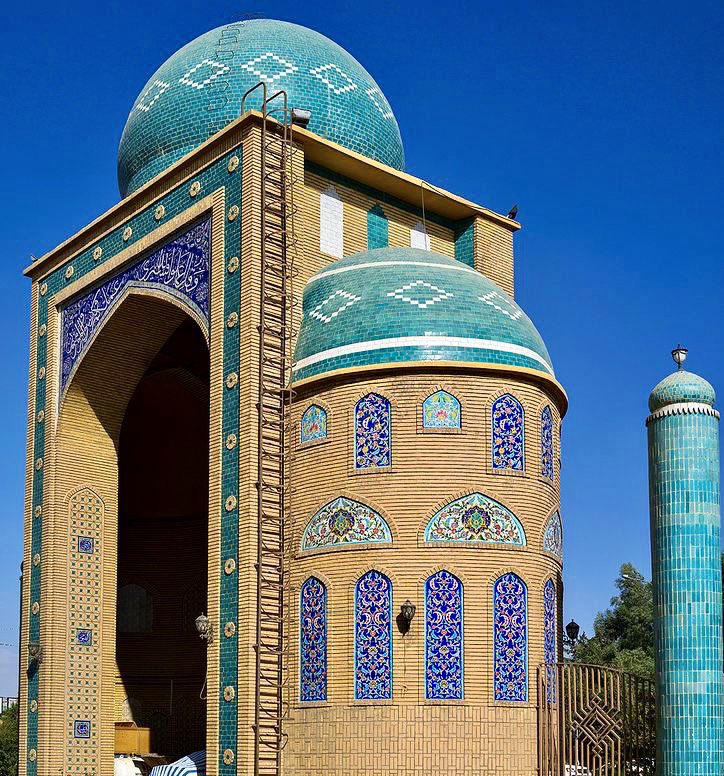
2/ Sultan Qaboos Grand Mosque in Sohar, Oman
Inaugurated in 2018 & influenced by Persian & central Asian blue Islamic architectural styles with touches of traditional Omani architectural elements that make it unique #Ramadan
Inaugurated in 2018 & influenced by Persian & central Asian blue Islamic architectural styles with touches of traditional Omani architectural elements that make it unique #Ramadan
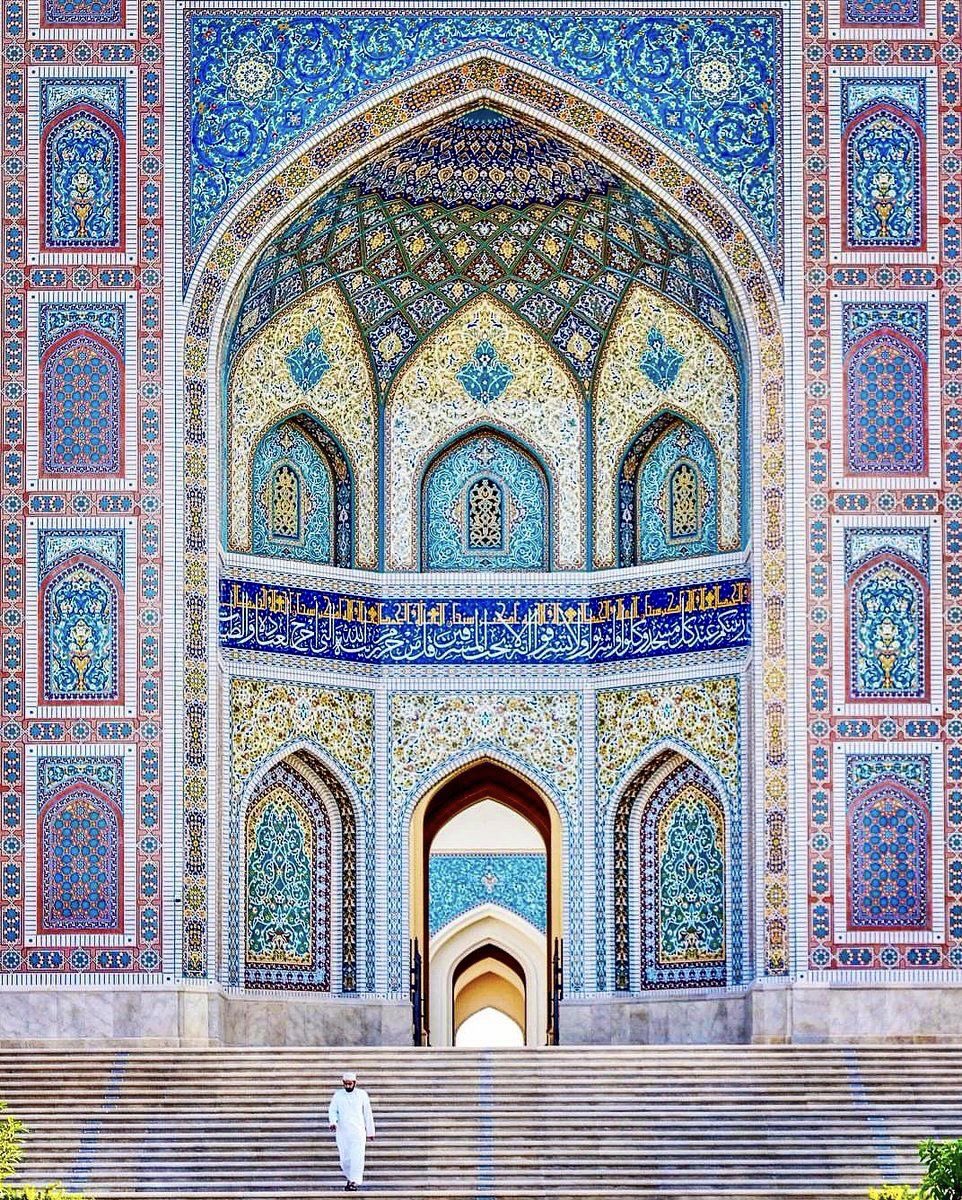
3/ Ali Ibn Hamzeh Holy Shrine, Shiraz, Iran
Constructed in pre-Seljuk times to honour a relative of the fourth Imam. Renowned for its blue tiles, its two minarets, exterior dome, entrance vestibule & courtyard rooms, date from the late 18th & 19th centuries #Ramadan
Constructed in pre-Seljuk times to honour a relative of the fourth Imam. Renowned for its blue tiles, its two minarets, exterior dome, entrance vestibule & courtyard rooms, date from the late 18th & 19th centuries #Ramadan
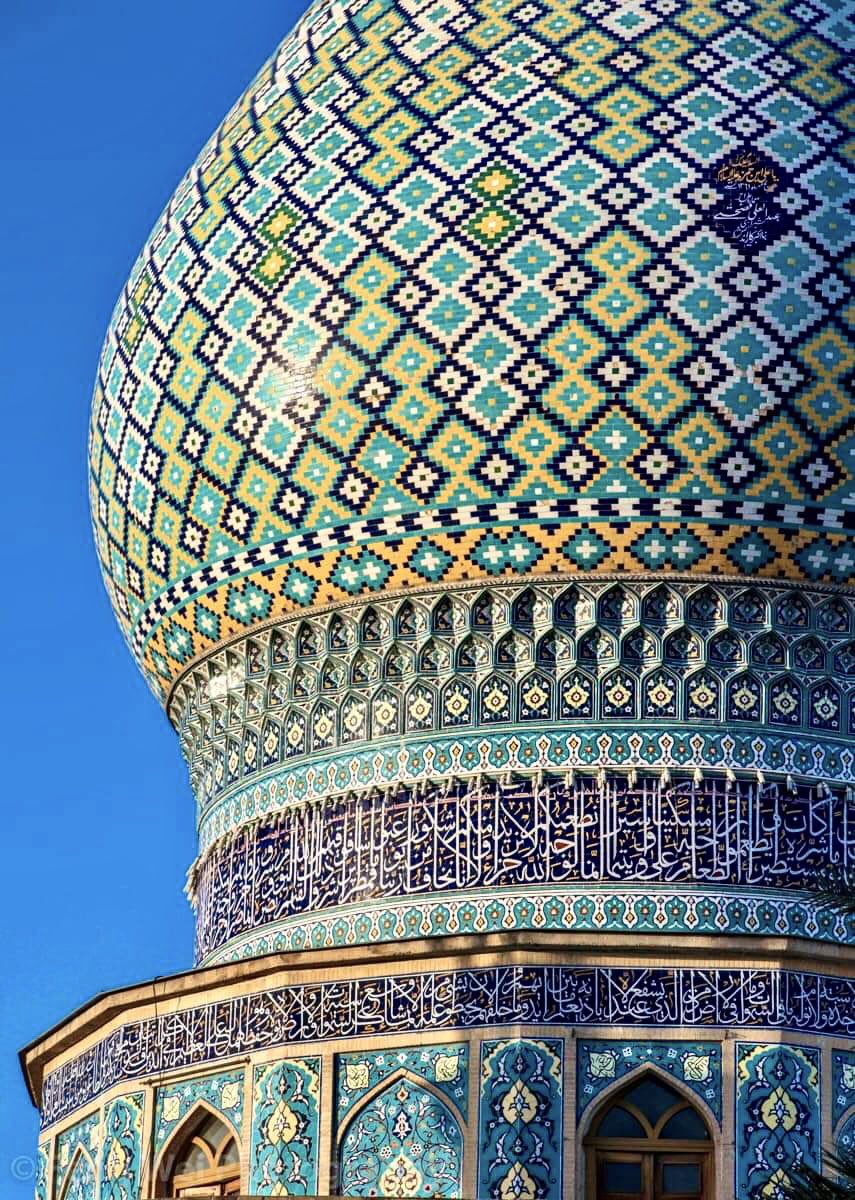
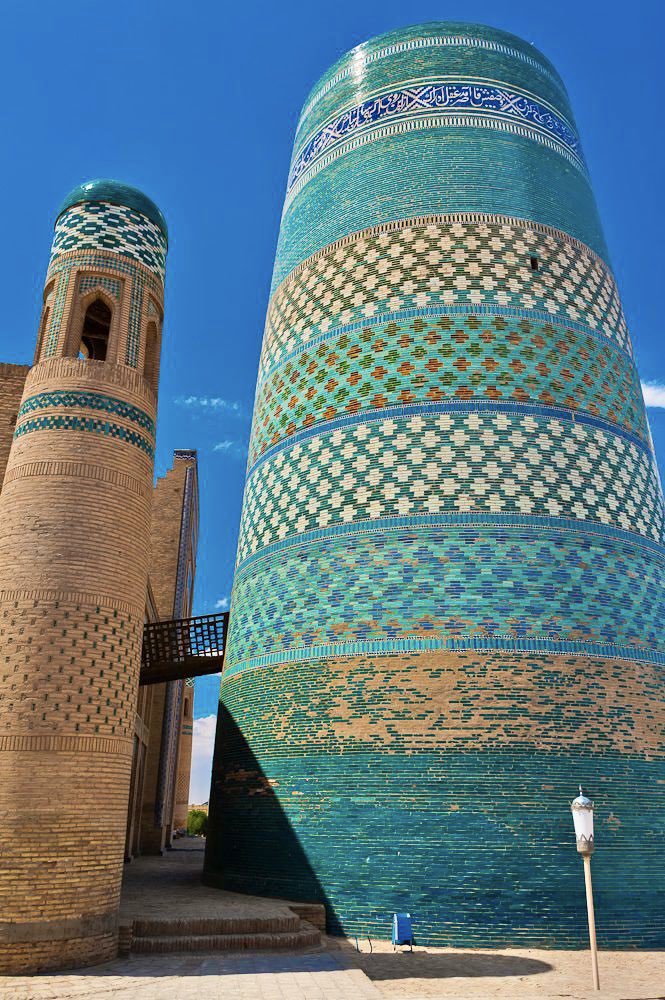
4/ Kalta Minor Minaret, Khiva, Uzbekistan
One of the last great blue buildings in the Khanate of Khiva was Kalta Minor. This had to be the tallest structure in Khiva & in the whole of Central Asia. Works ended abruptly in 1855, leaving this beautiful minaret unfinished #Ramadan
One of the last great blue buildings in the Khanate of Khiva was Kalta Minor. This had to be the tallest structure in Khiva & in the whole of Central Asia. Works ended abruptly in 1855, leaving this beautiful minaret unfinished #Ramadan
5/ Shah Rukn-e-Alam, Multan, Pakistan
Built between 1320 & 1324 CE by Ghiyath al-Din Tughluq in the pre-Mughal architectural style. It is the mausoleum of Sufi saint Sheikh Rukn-ud-Din Abul Fateh & is the earliest example of Tughluq architecture, with blue tile details #Ramadan
Built between 1320 & 1324 CE by Ghiyath al-Din Tughluq in the pre-Mughal architectural style. It is the mausoleum of Sufi saint Sheikh Rukn-ud-Din Abul Fateh & is the earliest example of Tughluq architecture, with blue tile details #Ramadan

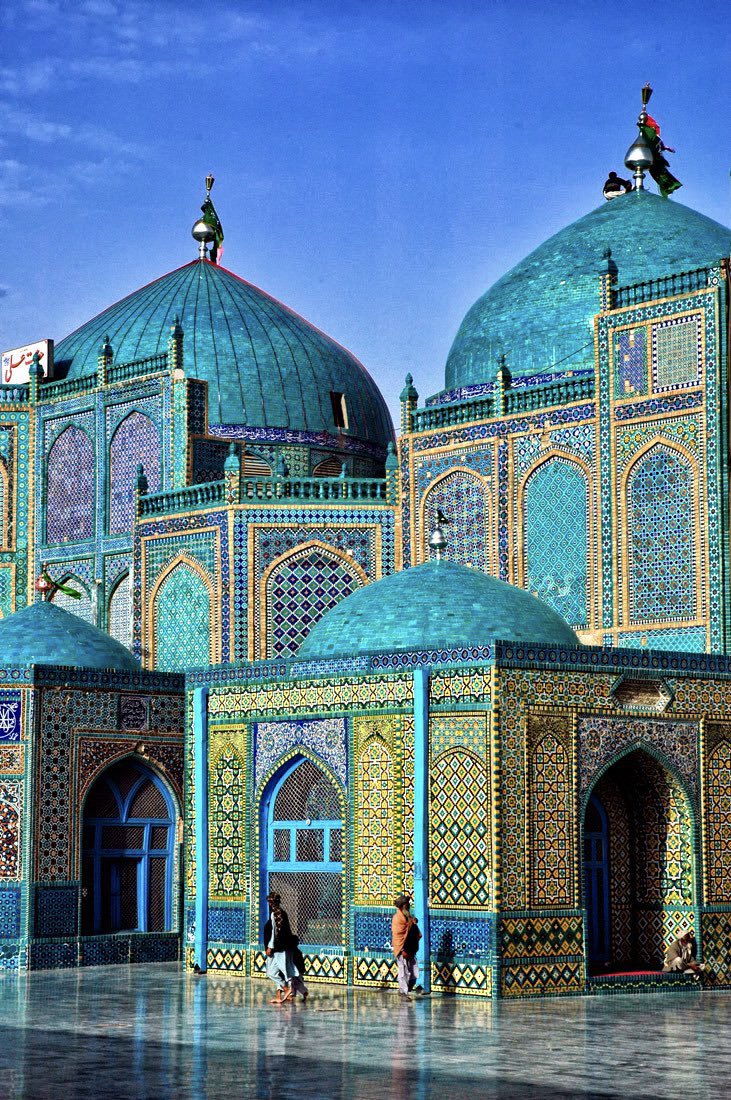
6/ Blue Mosque, Mazari Sharif, Afghanistan
Many Afghanis believe Ali ibn Abi Talib is buried here. The building gives the city, Mazari Sharif (meaning "Tomb of the Exalted") its name. The shrine was erected here in 1136 and is famous for its beautiful blue tiles #Ramadan
Many Afghanis believe Ali ibn Abi Talib is buried here. The building gives the city, Mazari Sharif (meaning "Tomb of the Exalted") its name. The shrine was erected here in 1136 and is famous for its beautiful blue tiles #Ramadan
6/ Blue Mosque, Mazari Sharif, Afghanistan
Many Afghanis believe Ali ibn Abi Talib is buried here. The building gives the city, Mazari Sharif (meaning "Tomb of the Exalted") its name. The shrine was erected here in 1136 and is famous for its beautiful blue tiles #Ramadan
Many Afghanis believe Ali ibn Abi Talib is buried here. The building gives the city, Mazari Sharif (meaning "Tomb of the Exalted") its name. The shrine was erected here in 1136 and is famous for its beautiful blue tiles #Ramadan
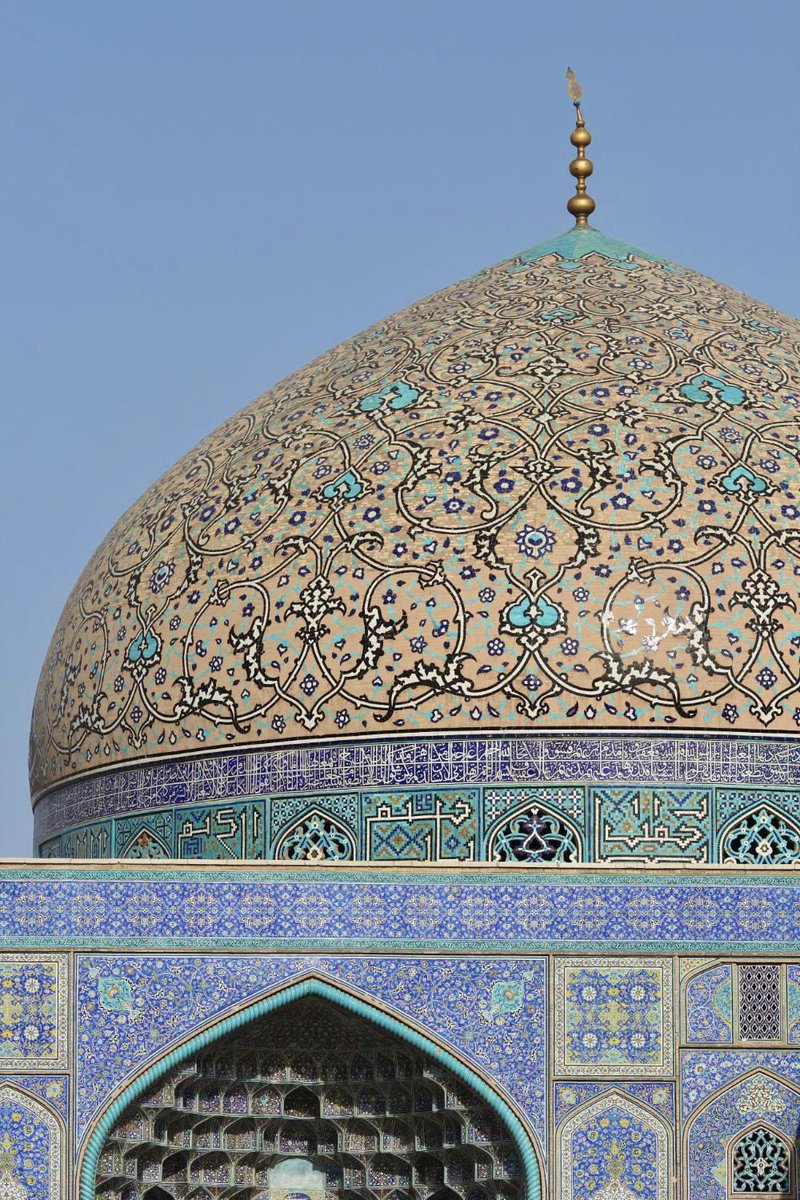
8/ The Shah Jahan Masjid, Thatta, Sindh, Pakistan
A 17th-century building that is the central mosque for the city of Thatta. It was built during the reign of Mughal emperor Shah Jahan, who bestowed it to the city as a token of gratitude. It has beautiful blue tiles #Ramadan
A 17th-century building that is the central mosque for the city of Thatta. It was built during the reign of Mughal emperor Shah Jahan, who bestowed it to the city as a token of gratitude. It has beautiful blue tiles #Ramadan

9/ Blue Mosque, Yerevan, Armenia
Commissioned by Huseyn Ali Khan, the khan of the Iranian Erivan Khanate & completed in 1766. It was the largest of the eight mosques of Yerevan in the 19th century & is the only active mosque in Armenia today. It is renowned for its blue #Ramadan
Commissioned by Huseyn Ali Khan, the khan of the Iranian Erivan Khanate & completed in 1766. It was the largest of the eight mosques of Yerevan in the 19th century & is the only active mosque in Armenia today. It is renowned for its blue #Ramadan
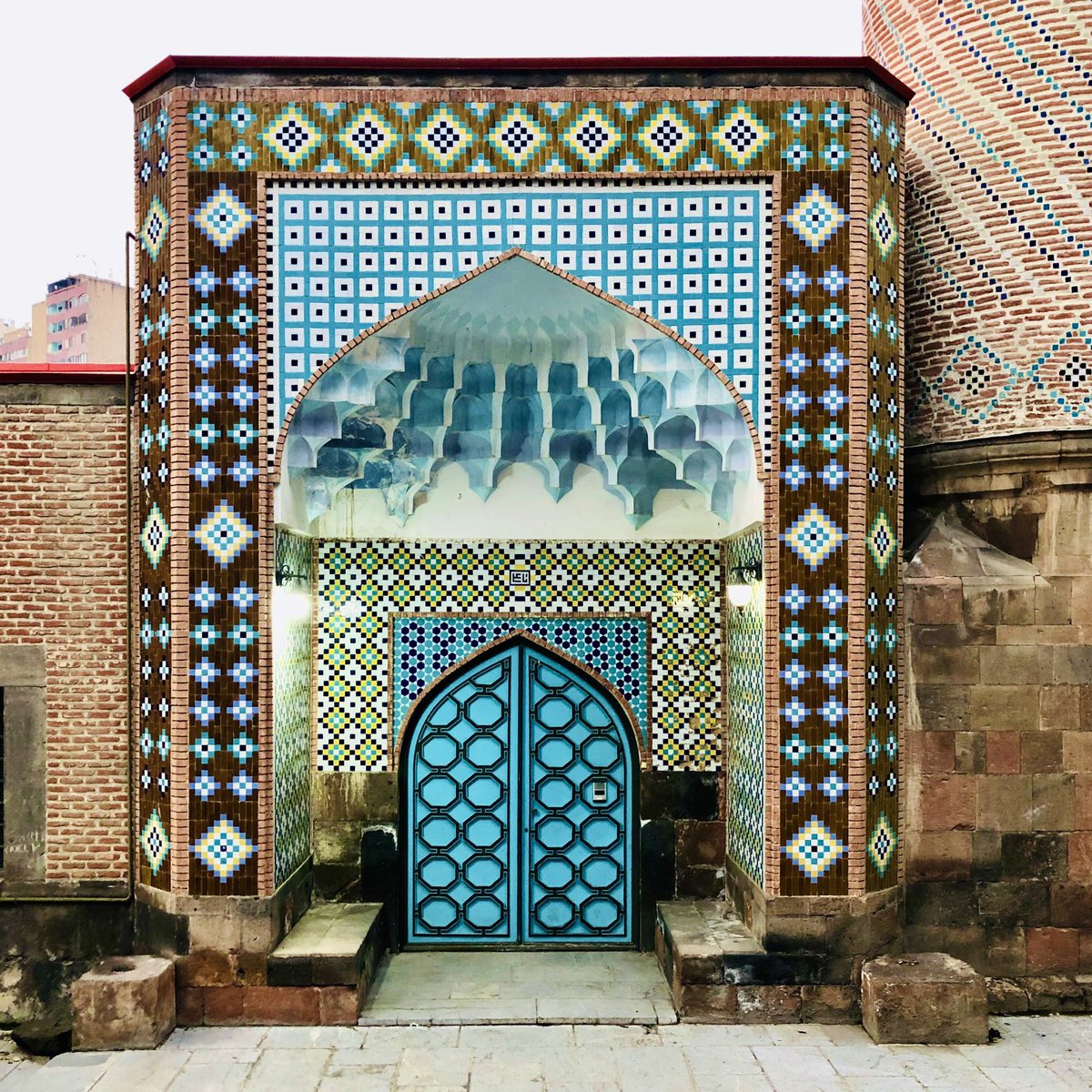
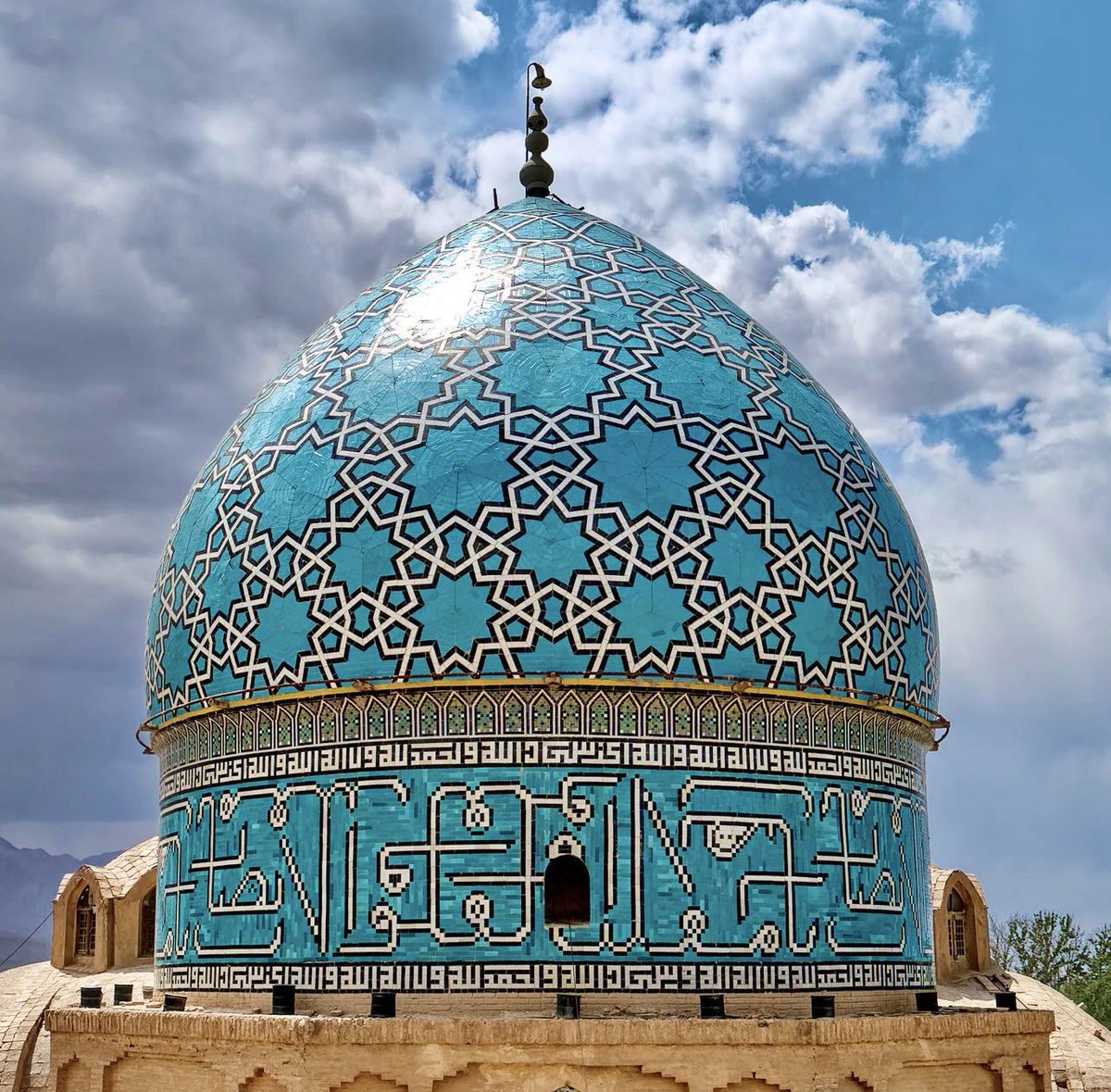
10/ Mausoleum Shah Nematollah Vali, Mahan, Kerman, Iran
Shah Nematollah Vali was a renowned Iranian mystic and poet. He died in 1431 aged over 100. In 1436 a shrine was erected in his honour, with distinct beautiful turquoise blue tiles #Ramadan
Shah Nematollah Vali was a renowned Iranian mystic and poet. He died in 1431 aged over 100. In 1436 a shrine was erected in his honour, with distinct beautiful turquoise blue tiles #Ramadan
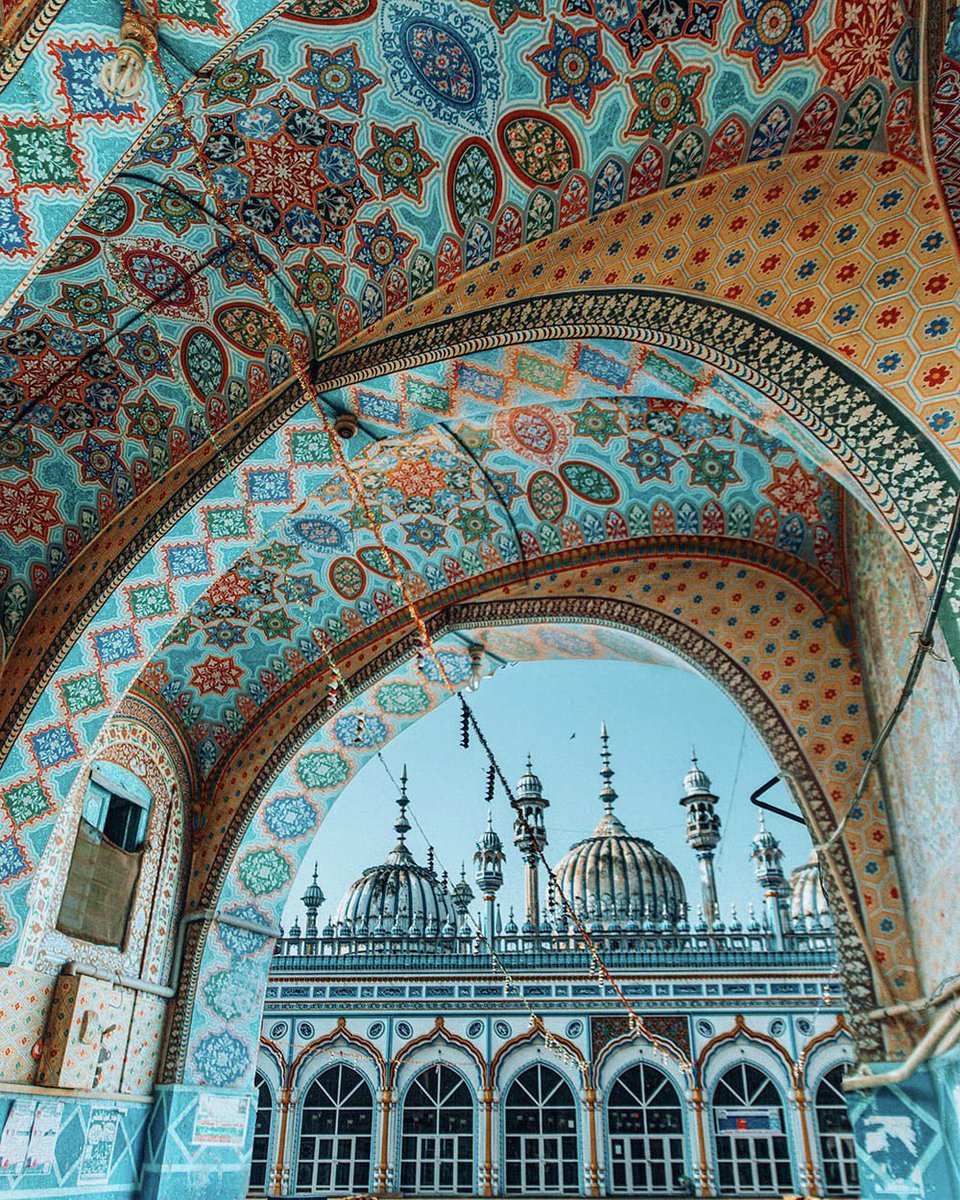
11/ Markazi Jamia Masjid, Rawalpindi, Pakistan
One of the oldest mosques in Rawalpindi and an architectural beauty. Built almost 100 years ago, the mosque still stands tall among historical sites of the city due to its blue & turquoise mosaics and glass artwork #Ramadan
One of the oldest mosques in Rawalpindi and an architectural beauty. Built almost 100 years ago, the mosque still stands tall among historical sites of the city due to its blue & turquoise mosaics and glass artwork #Ramadan
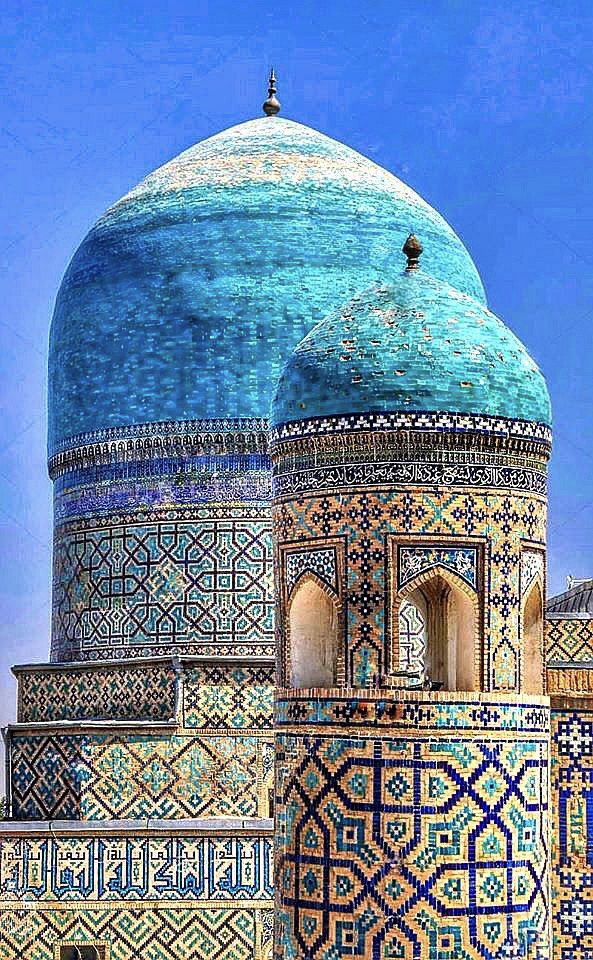
12/ Tilla Kari Madrasah, Samarkand, Uzbekistan
Built in the 17th century as the last, largest & most embellished structure of the famed Registan Square. It's name means ‘gold-covered', referring to the lavish decoration of its domed chamber. It is covered in blue tiles #Ramadan
Built in the 17th century as the last, largest & most embellished structure of the famed Registan Square. It's name means ‘gold-covered', referring to the lavish decoration of its domed chamber. It is covered in blue tiles #Ramadan
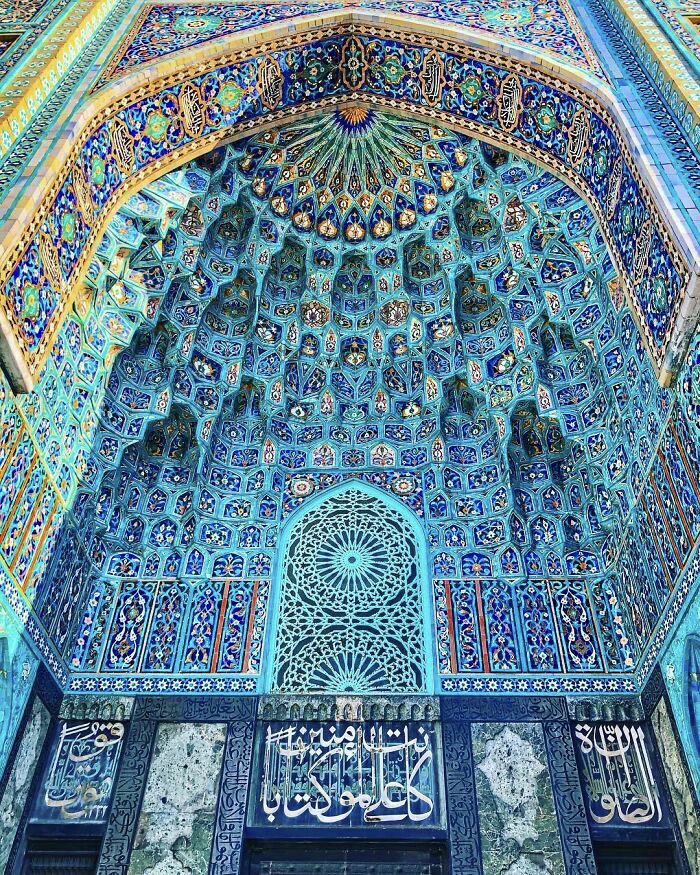
13/ Central Mosque of St. Petersburg, Russia
When opened in 1913, it was the largest mosque in Europe outside Turkey, its minarets 49 meters in height and the dome is 39 meters high. It can accommodate up to 5000 worshippers & is renowned for its beautiful blue tiles #Ramadan
When opened in 1913, it was the largest mosque in Europe outside Turkey, its minarets 49 meters in height and the dome is 39 meters high. It can accommodate up to 5000 worshippers & is renowned for its beautiful blue tiles #Ramadan
14/ Tiled Mosque, Kutahya, Turkey
Constructed by the painter & flute player Ahmet Yakupoğlu in 1973. It is inspired by Middle Asian Turkish architecture & is decorated with blue çini of Kütahya which is a special production #Ramadan
Constructed by the painter & flute player Ahmet Yakupoğlu in 1973. It is inspired by Middle Asian Turkish architecture & is decorated with blue çini of Kütahya which is a special production #Ramadan
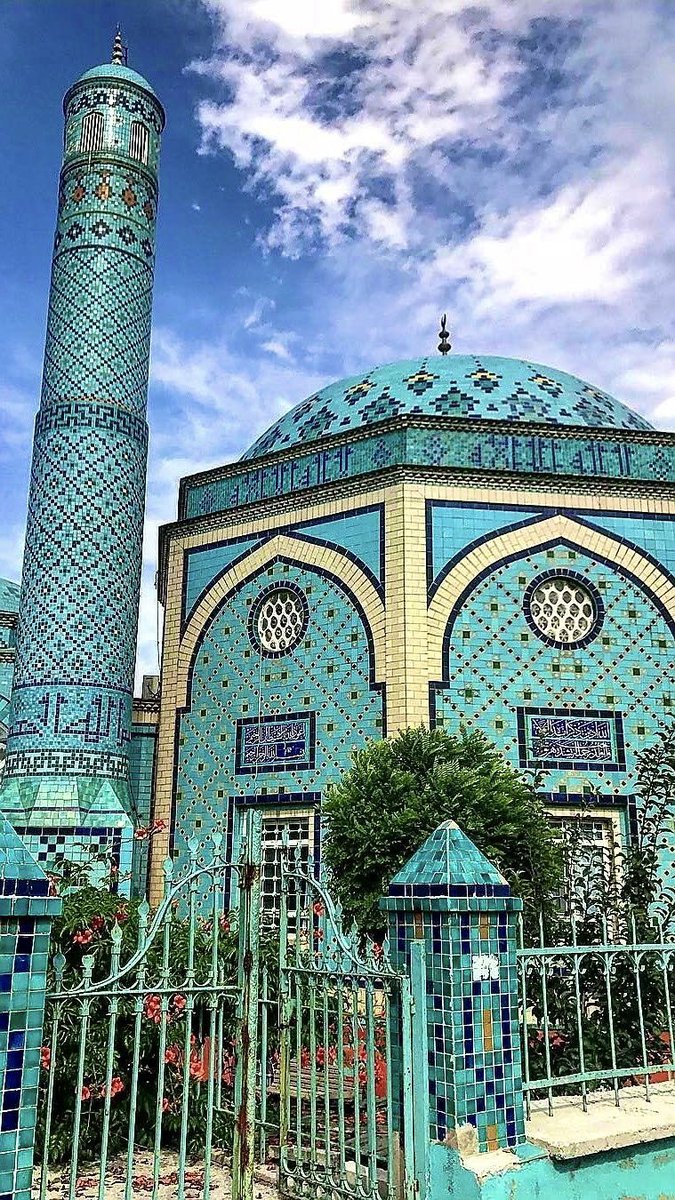
15/ The Mughal Masjid, Mumbai, India
This Blue Masjid was constructed over 150 years ago, by an Iranian trader, Mohomed Hussain Shirazi. The exterior is clad with blue mosaic tiles brought from Iran, with inlays of the Surahs (verses) from the Qur’an #Ramadan
This Blue Masjid was constructed over 150 years ago, by an Iranian trader, Mohomed Hussain Shirazi. The exterior is clad with blue mosaic tiles brought from Iran, with inlays of the Surahs (verses) from the Qur’an #Ramadan
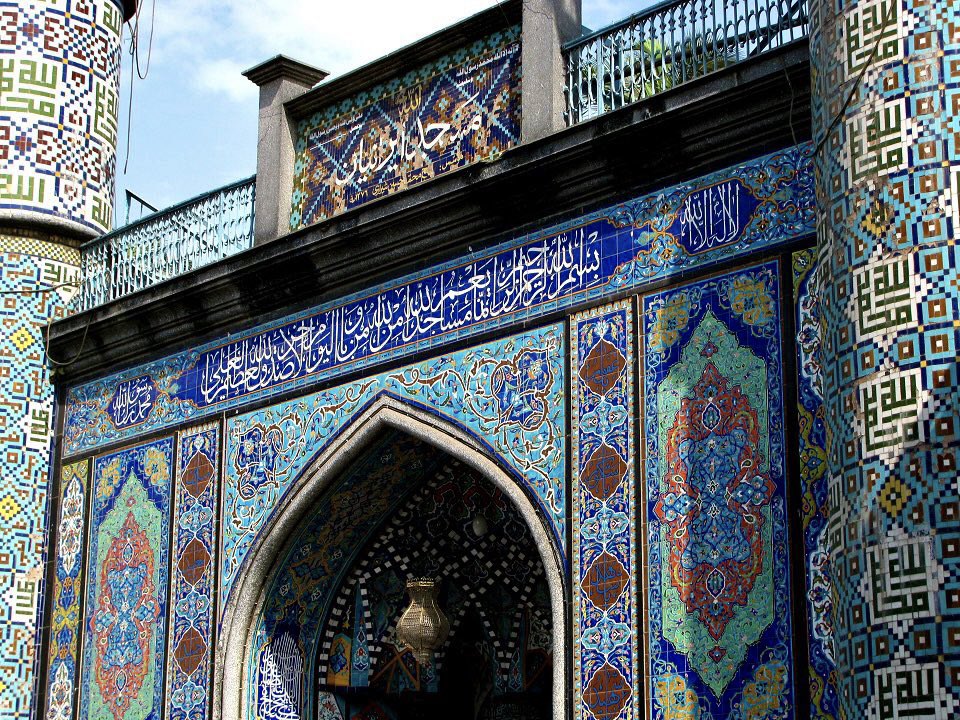
16/ Mausoleum of Khoja Ahmed Yasawi, Kazakhstan
One of the oldest & most famous blue buildings in Kazakhstan. Khoja Ahmed Yasawi was an 11th-century mystic, poet & religious leader. Construction began in 1389 by the order of Timur, ruler of the Timurid Empire #Ramadan
One of the oldest & most famous blue buildings in Kazakhstan. Khoja Ahmed Yasawi was an 11th-century mystic, poet & religious leader. Construction began in 1389 by the order of Timur, ruler of the Timurid Empire #Ramadan
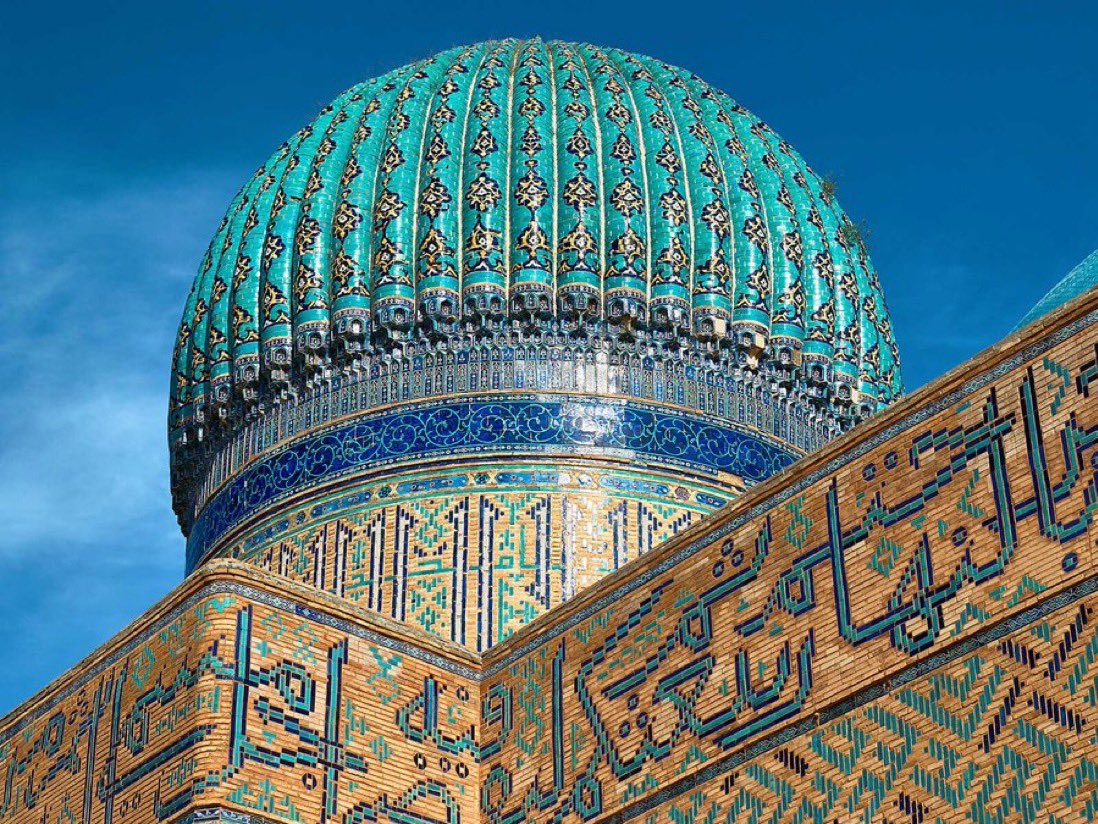
17/ Shah-i-Zinda, Uzbekistan
Ensemble includes mausoleums and other ritual buildings of 11-15th & 19th centuries. The name Shah-i-Zinda (meaning "The living king") is connected with the legend that Qutham ibn Abbas, a cousin of the Prophet Muhammad PBUH, is buried here #Ramadan
Ensemble includes mausoleums and other ritual buildings of 11-15th & 19th centuries. The name Shah-i-Zinda (meaning "The living king") is connected with the legend that Qutham ibn Abbas, a cousin of the Prophet Muhammad PBUH, is buried here #Ramadan
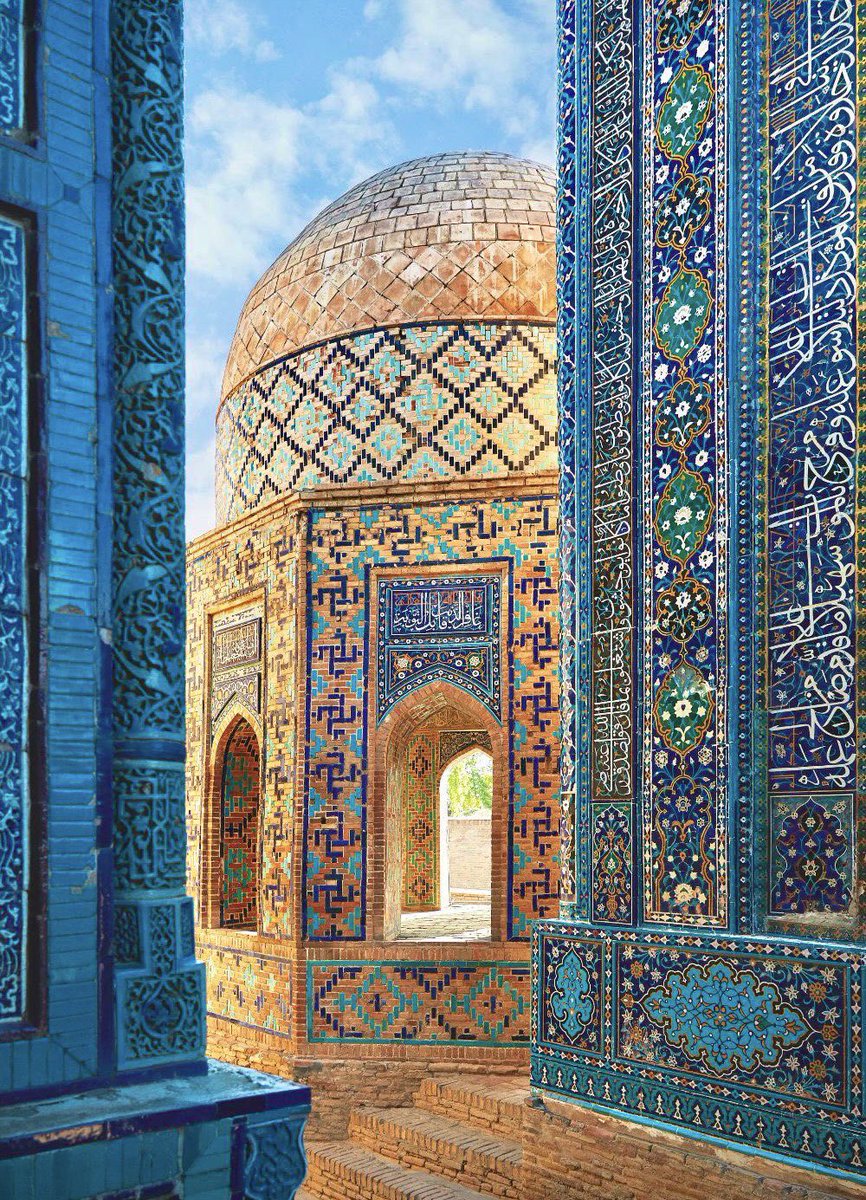
18/ The Blue Mosque, or Aqsunqur Mosque, Cairo, Egypt
The largest mosque in the district. Built in 1347 by Amir Aqsunqur, it incorporates a mausoleum & courtyard for prayer. The interior is decorated with these beautiful blue Iznik tiles from Istanbul & Damascus #Ramadan
The largest mosque in the district. Built in 1347 by Amir Aqsunqur, it incorporates a mausoleum & courtyard for prayer. The interior is decorated with these beautiful blue Iznik tiles from Istanbul & Damascus #Ramadan
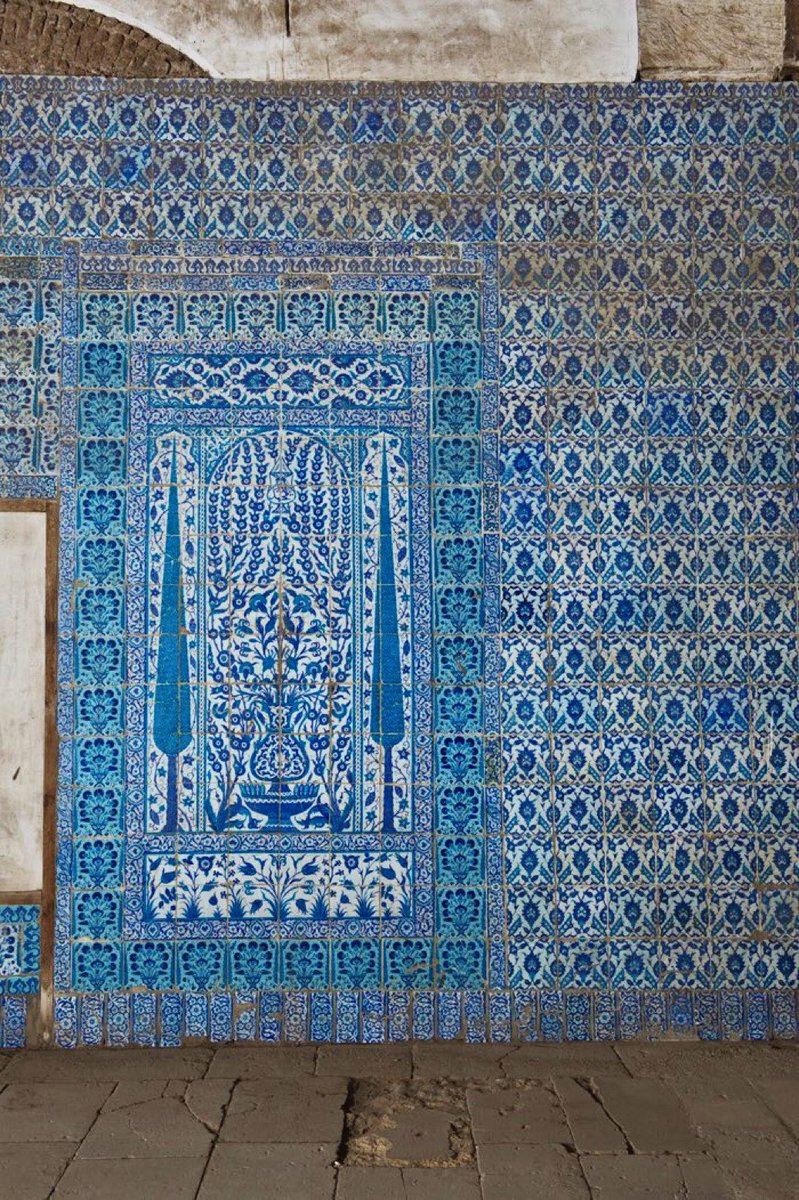
19/ The Haydar Khana Mosque, Baghdad, Iraq
Built by Al-Nasir during the Abbasid Caliphate. The name of this turquoise mosque was attributed to Haydar Pasha Jalabi bin Muhammad Jalabi Shahbandar, who is buried in the same place along with some members of his family #Ramadan
Built by Al-Nasir during the Abbasid Caliphate. The name of this turquoise mosque was attributed to Haydar Pasha Jalabi bin Muhammad Jalabi Shahbandar, who is buried in the same place along with some members of his family #Ramadan
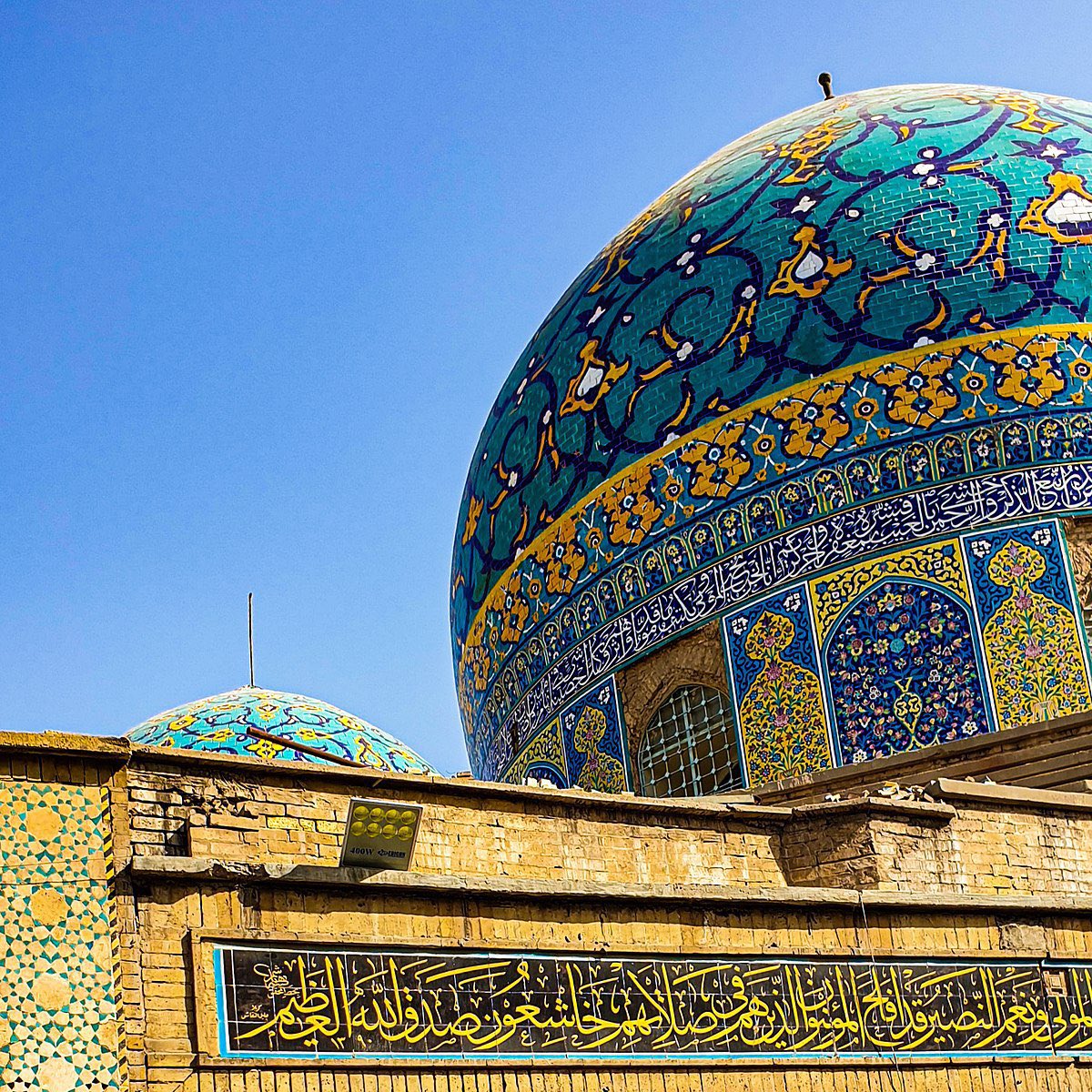
20/ Seyyed Mosque, Isfahan, Iran
the biggest and the most famous blue mosque from the Qajar era in Isfahan. It was founded in the 19th century by Seyyed Mohammad Bagher Shafti, one of the most famous clergymen in Isfahan #Ramadan
the biggest and the most famous blue mosque from the Qajar era in Isfahan. It was founded in the 19th century by Seyyed Mohammad Bagher Shafti, one of the most famous clergymen in Isfahan #Ramadan
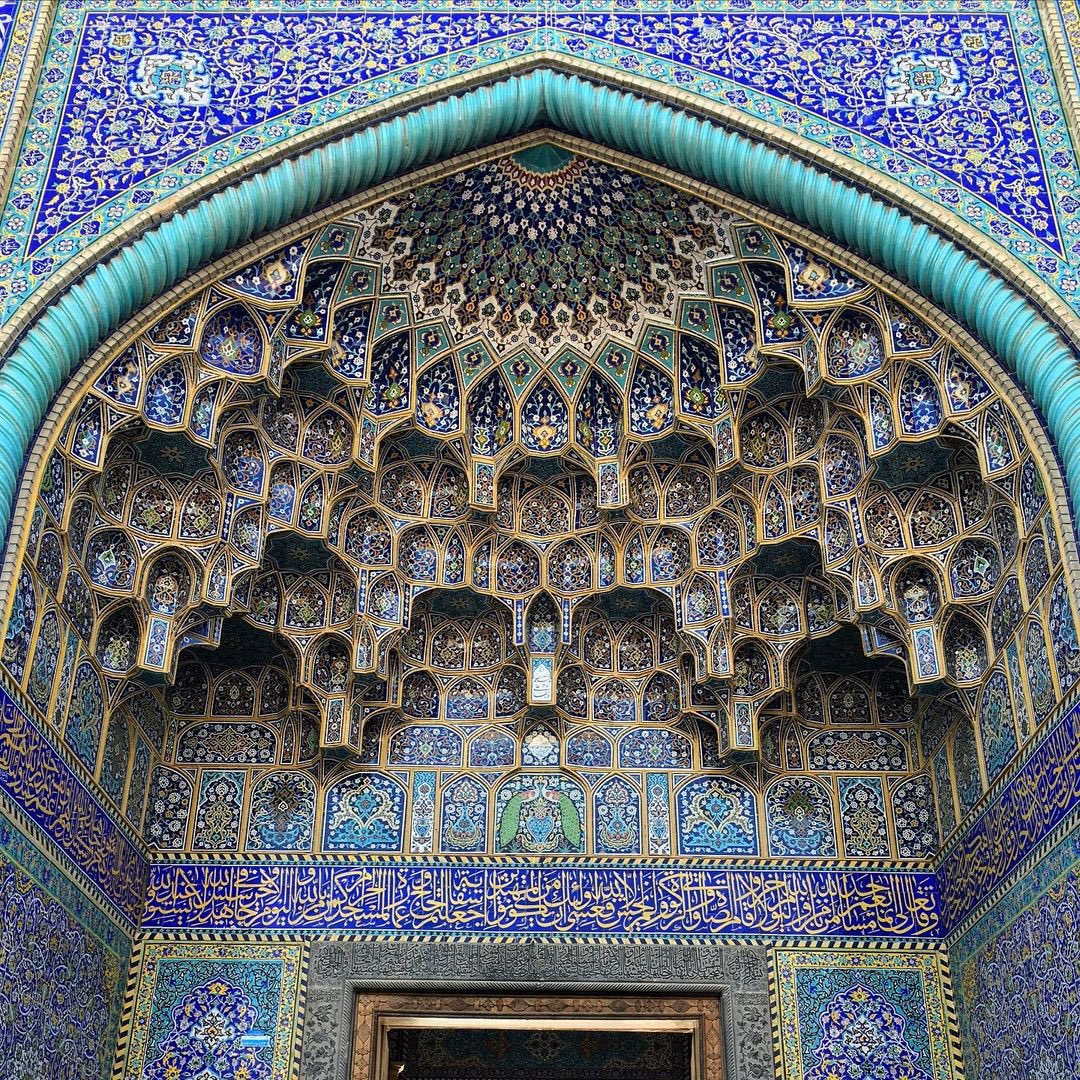
21/ Bibi Khanym Mosque, Uzbekistan
One of the most outstanding in the Islamic world. Built between 1399 & 1404 during the last years of the Turkic-Mongol conqueror, Timur, the Bibi Khanym mosque is riveting in its monumental scale, splendor & turquoise & blue tiles #Ramadan
One of the most outstanding in the Islamic world. Built between 1399 & 1404 during the last years of the Turkic-Mongol conqueror, Timur, the Bibi Khanym mosque is riveting in its monumental scale, splendor & turquoise & blue tiles #Ramadan
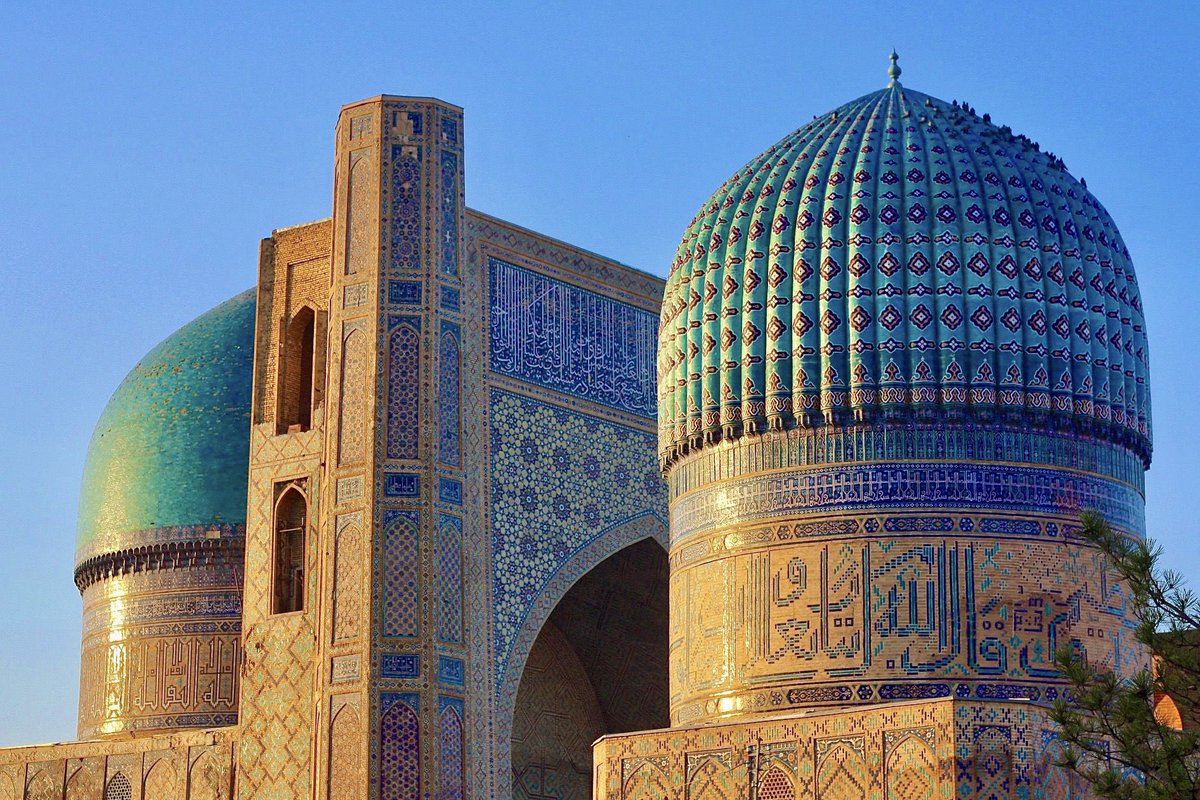
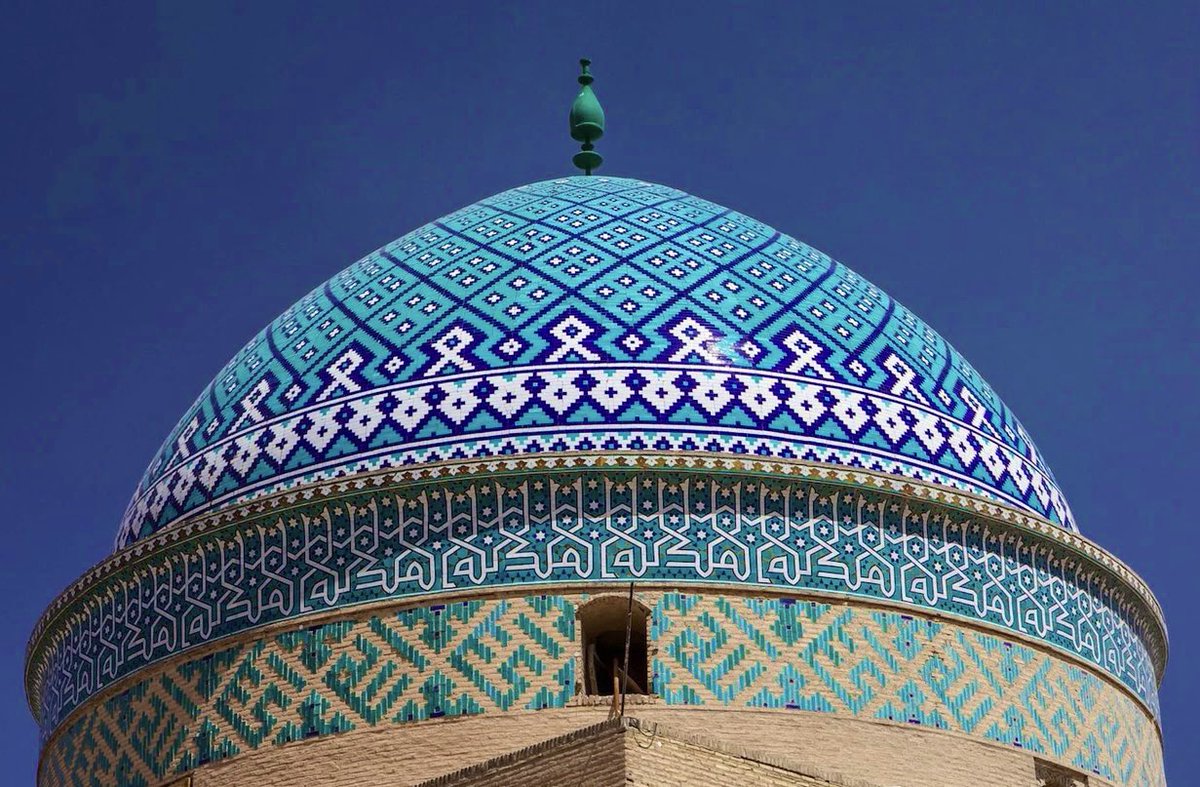
22/ Yazd Jame Mosque, Iran
Built in the 12th century. A magnificent double-shell turquoise dome crowns the mosque. The entrance of the mosque is decorated with Quranic verses, slates outlining government laws, endowment deeds & reports of repair work on the structure #Ramadan
Built in the 12th century. A magnificent double-shell turquoise dome crowns the mosque. The entrance of the mosque is decorated with Quranic verses, slates outlining government laws, endowment deeds & reports of repair work on the structure #Ramadan
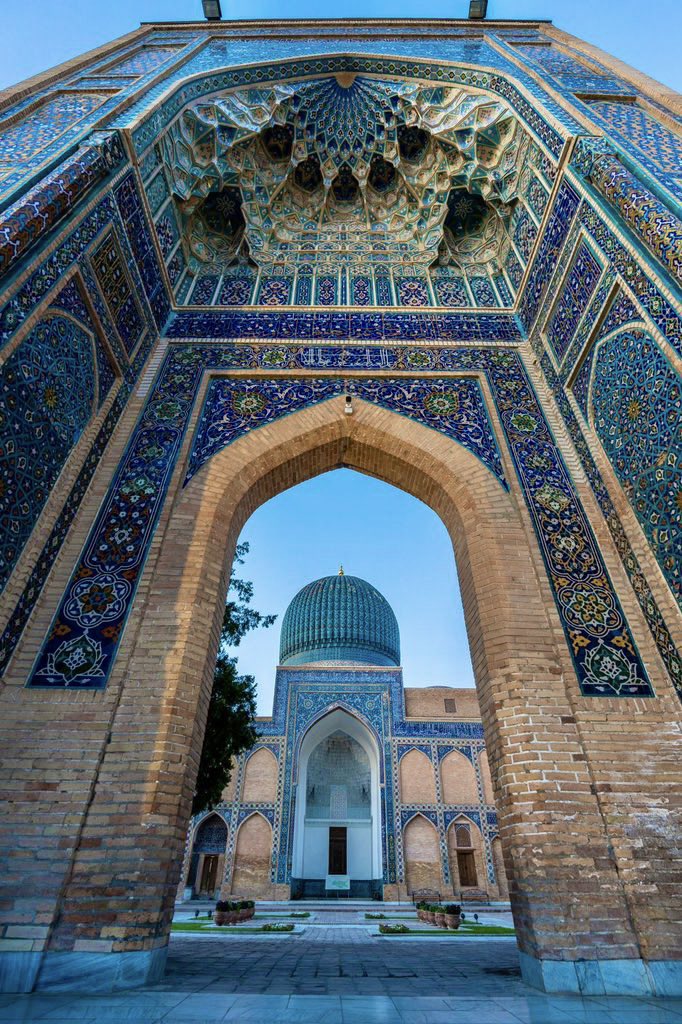
23/ Gur-E-Amir Mausoleum, Samarkand, Uzbekistan
Persian for "Tomb of the King" contains the tombs of Tamerlane, his sons, grandsons & Timur's teacher. The earliest part of the complex was built at the end of the 14th century. Renowned for its blue & turquoise tiles #Ramadan
Persian for "Tomb of the King" contains the tombs of Tamerlane, his sons, grandsons & Timur's teacher. The earliest part of the complex was built at the end of the 14th century. Renowned for its blue & turquoise tiles #Ramadan
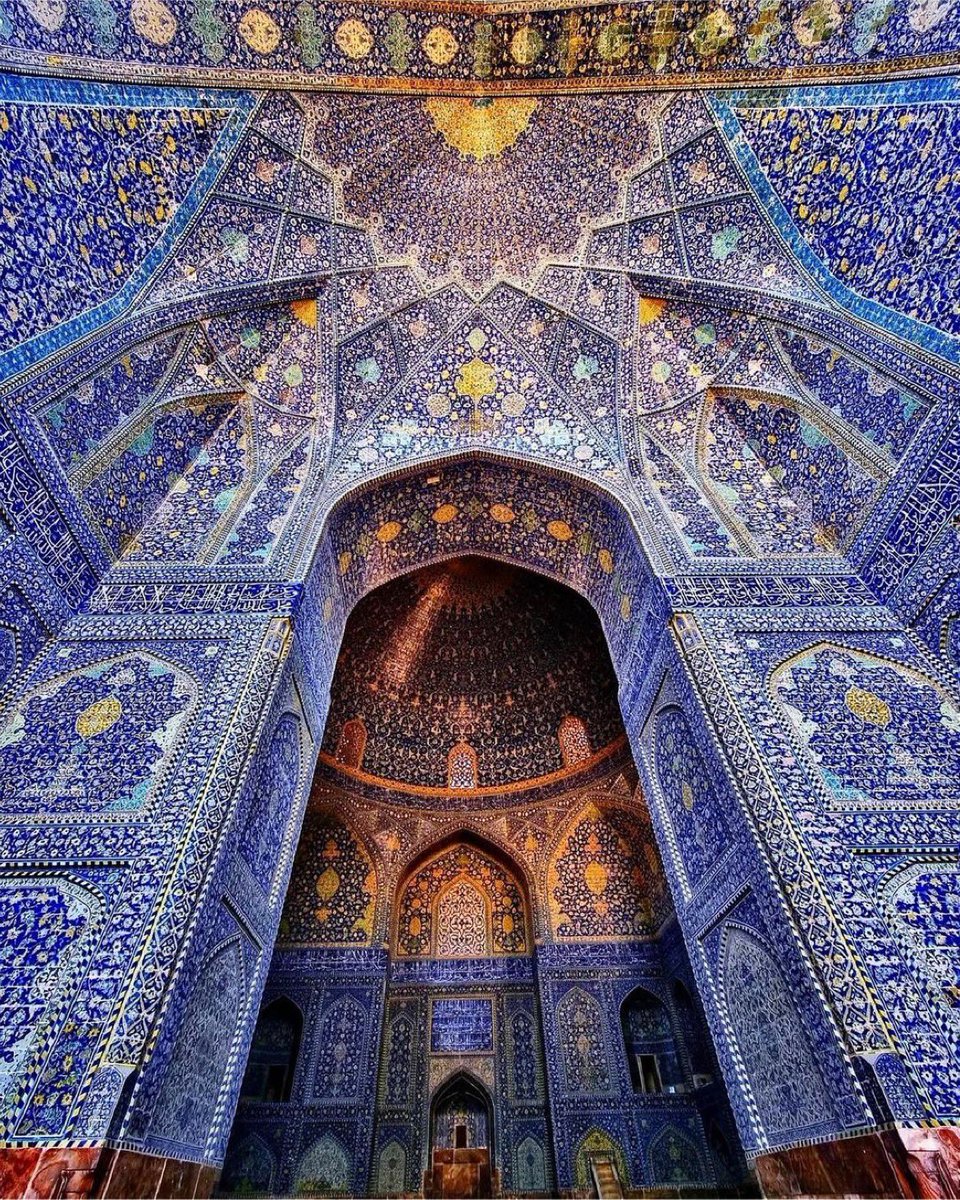
24/The Shah Mosque, Iran
Built during the Safavid dynasty in the early 17th century, it stands as a masterpiece of Islamic art and one of the most stunning mosques in the world.
Built during the Safavid dynasty in the early 17th century, it stands as a masterpiece of Islamic art and one of the most stunning mosques in the world.
Discover more about Blue Islamic Architecture:
baytalfann.com
baytalfann.com

جاري تحميل الاقتراحات...