
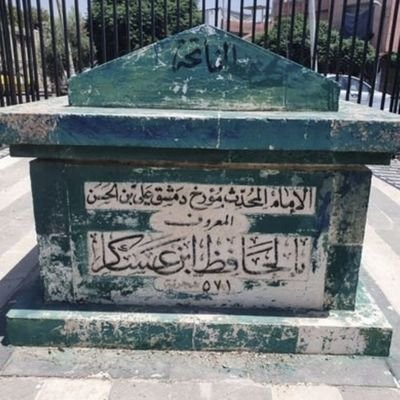
Abu Hurayra, may Allāh be pleased with him, was the greatest narrator of Hadīth (in terms of quantity), and his narrations reached 5347
Dr. Ahmad Snobar explains in 7 ways how Abu Hurayra's great amount of narrations is a natural result of his personality and biography 🧵
Dr. Ahmad Snobar explains in 7 ways how Abu Hurayra's great amount of narrations is a natural result of his personality and biography 🧵


1. His late passing
He passed away in the year 57, which is comparatively late. The Tābi‘īn thus benefited from his narrations for a long time
He passed away in the year 57, which is comparatively late. The Tābi‘īn thus benefited from his narrations for a long time
2. His being in al-Madīna, which was the center of knowledge at the time, where people would travel to from all over the Muslim lands
3. His high desire to hear Hadīth from the Prophet ﷺ and from his companions
Abu Hurayra was distinguished in this among the companions, and the Prophet ﷺ praised him for that
Abu Hurayra was distinguished in this among the companions, and the Prophet ﷺ praised him for that
Abu Hurayra said: O Messenger of Allāh ﷺ, who is the most fortunate with your intercession in the afterlife?
He ﷺ said: I thought that no one would ask me about this narration before you, because of what I recognized of your high desire to hear Hadīth
He ﷺ said: I thought that no one would ask me about this narration before you, because of what I recognized of your high desire to hear Hadīth
And because of his keenness in hearing Hadīth, he would listen to those who narrated less than him like Abu Bakr, ‘Umar, ‘Uthmān, ‘Alī, Ubayy, Usāmah, A’isha, Sahl Ibn Sa‘d, and others
(i.e. Abu Hurayra → other companion → the Prophet ﷺ)
(i.e. Abu Hurayra → other companion → the Prophet ﷺ)
4. His high attention and ambition to spread Hadīth between people
This is something that distinguished Abu Hurayra from other companions, since most companions only narrated Hadīth when it was needed
Abu Hurayra, however, would begin narrating himself even if there was no need
This is something that distinguished Abu Hurayra from other companions, since most companions only narrated Hadīth when it was needed
Abu Hurayra, however, would begin narrating himself even if there was no need
Abu Hurayra would also narrate Hadīth by Sard, meaning narrating one Hadīth after another after another, as we do today
This even caused some issues with other companions like al-Sayyida A’isha
This even caused some issues with other companions like al-Sayyida A’isha
Once, he held a sitting close to A’isha's room, and after he was done, he said: O [A’isha], do you object to something I said?
She رضي الله عنها did not object to his narrations, but she said: The Prophet ﷺ did not used to relay narrations as you do (Sard)
She رضي الله عنها did not object to his narrations, but she said: The Prophet ﷺ did not used to relay narrations as you do (Sard)
There are many narrations about Abu Hurayra holding gatherings for transmitting Hadīth, one of them is that he used to transmit Hadīth before the Imām rises to the Minbar for the Friday prayer
This shows his passion for spreading Hadīth,
This shows his passion for spreading Hadīth,
As if he would take the opportunity of people being gathered together to narrate to them
And his love for spreading Hadīth went beyond Madīna, as he travelled and spread narrations in Dimashq, al-Kūfa, and Bahrayn when he was ‘Umar's delegate in it
And his love for spreading Hadīth went beyond Madīna, as he travelled and spread narrations in Dimashq, al-Kūfa, and Bahrayn when he was ‘Umar's delegate in it
5. His confidence in his own memory
There are many texts that show this, like the previous point of him narrating Hadīth before Friday prayer. And no one would dare do that except if they were sure of their memory;
There are many texts that show this, like the previous point of him narrating Hadīth before Friday prayer. And no one would dare do that except if they were sure of their memory;
Since it is a Sunnah to arrive early, and Friday prayer would only be held in the Nabawī Mosque, meaning all the major companions and Tābi‘īn are present, who were not afraid of criticizing mistaken narrations
So only someone who is confident in his ability would do that
So only someone who is confident in his ability would do that
6. The other companions' confidence in Abu Hurayra's memory
Many companions trusted Abu Hurayra's memory. Perhaps the greatest of them (who were also the greatest critiques of others' Hadīth) are A’isha (as has passed), and Ibn ‘Umar, who said:
Many companions trusted Abu Hurayra's memory. Perhaps the greatest of them (who were also the greatest critiques of others' Hadīth) are A’isha (as has passed), and Ibn ‘Umar, who said:
“O Abu Hurayra, you were the one who would accompany the Prophet ﷺ the most, and the one with the greatest recollection of his Hadīth from among us”
Another companion who praised his memory is Abu Ayyūb al-Ansārī
Another companion who praised his memory is Abu Ayyūb al-Ansārī
Abu Ayyūb was heard narrating Hadīth from Abu Hurayra then from the Prophet ﷺ
He was told: Why are you transmitting from Abu Hurayra when you accompanied the Prophet ﷺ?
He said: Narrating from Abu Hurayra is more favorable to me than to narrate from the Prophet ﷺ
He was told: Why are you transmitting from Abu Hurayra when you accompanied the Prophet ﷺ?
He said: Narrating from Abu Hurayra is more favorable to me than to narrate from the Prophet ﷺ
And because of the Sahāba's trust with his memory, they narrated from him
Great Sahāba who were themselves scholars like Ibn ‘Abbās, Anas Ibn Mālik, Jābir, Ibn ‘Umar, and Abu Sa‘īd al-Khudrī
al-Hākim said: The number of companions who narrated from Abu Hurayra reached 28
Great Sahāba who were themselves scholars like Ibn ‘Abbās, Anas Ibn Mālik, Jābir, Ibn ‘Umar, and Abu Sa‘īd al-Khudrī
al-Hākim said: The number of companions who narrated from Abu Hurayra reached 28
7. The major Tābi‘īn's attention and diligence to take from him
al-Bukhārī said: The number of people who narrated from him exceed 800 from the Sahāba and Tābi‘īn
And Abu Hurayra's students were the greatest of the Tābi‘īn
al-Bukhārī said: The number of people who narrated from him exceed 800 from the Sahāba and Tābi‘īn
And Abu Hurayra's students were the greatest of the Tābi‘īn
al-Hākim said: There is no one from the Tābi‘īn who was greater, nor more famous, nor more knowledgeable, nor more honorable, than the students of Abu Hurayra
From his students are the 10 Fuqahā’:
Ibn al-Musayyib, Abu Salamah Ibn ‘Abd al-Rahmān, Sulaymān Ibn Yasār, Abu Bakr Ibn ‘Abd al-Rahmān, Qabīsa, ‘Ubaydullāh Ibn Abdillāh, ‘Urwah Ibn al-Zubayr, Sulaymān, and al-Qāsim Ibn Muhammad
As well as Ibn Sīrīn, al-A‘raj, and others
Ibn al-Musayyib, Abu Salamah Ibn ‘Abd al-Rahmān, Sulaymān Ibn Yasār, Abu Bakr Ibn ‘Abd al-Rahmān, Qabīsa, ‘Ubaydullāh Ibn Abdillāh, ‘Urwah Ibn al-Zubayr, Sulaymān, and al-Qāsim Ibn Muhammad
As well as Ibn Sīrīn, al-A‘raj, and others
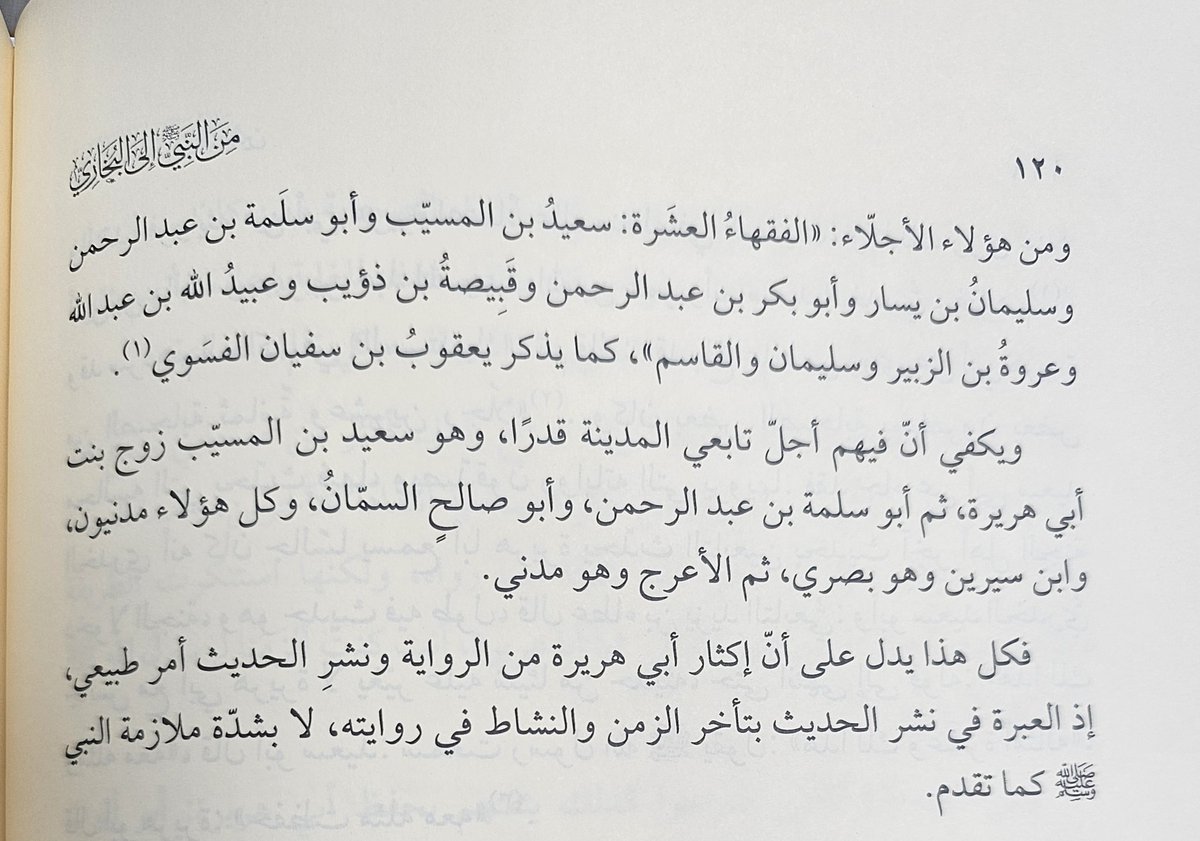
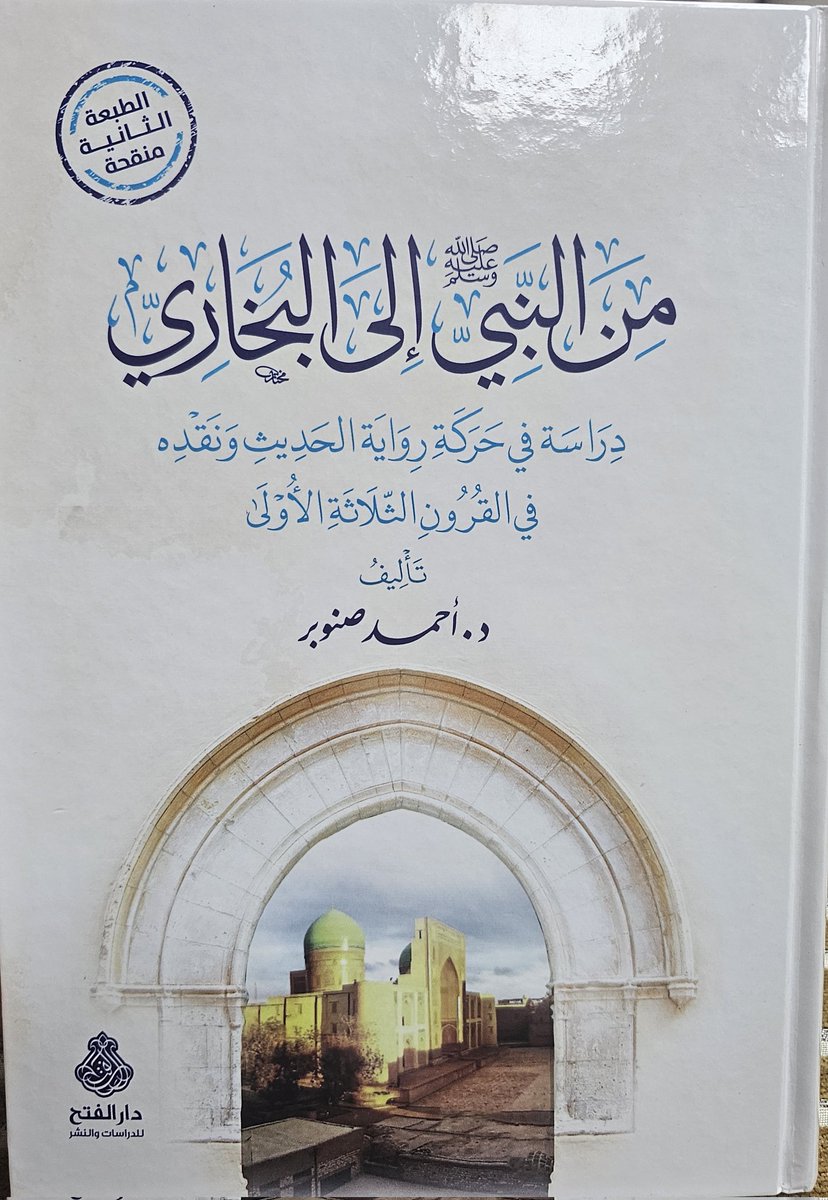
From the Prophet ﷺ to al-Bukhārī, by Dr. Ahmad Snobar (Pg. 116-120)
جاري تحميل الاقتراحات...