

اليوم سأحدثكم عن موضوع متقدم جداً في الأبحاث الطبية و تحديدا في Observational Studies و خصوصاً تلك التي تعتمد على سجلات المرضى الموجودة في المستشفيات.
من المعروف ان هذا النوع من الدراسات الذي يعتمد على الملاحظة و لا يوجد فيه randomization لديه قابلية عالية للخطأ بسبب ما يسمى بالعوامل المشوشة
(Confounding factors).
لكن لسهولة هذه الدراسات و توفر البيانات أصلا في السجلات الإلكترونية للمرضى أصبحت رائجة جدا و تبنى عليها نتائج و توصيات مهمة بما يعرف ب (Real-World Evidence).
طيب كيف نتخلص من مشكلة ال confounding هذه بشكل يجعلنا نثق في نتائج هذه الدراسات.
في الحقيقية هناك نوعين من ال confounding يقومون بالتشويش و القدح في مصداقية النتائج التي نتوصل إليها من هذه الدراسات و هما:
1- Measured confounding.
2- Unmeasured confounding.
من المعروف أن التخلص من النوع الأول مقدور عليه و ذلك بعدة طرق لأننا نكون جمعنا بيانات حول العوامل المشوشة في الدراسة. هذه الطرق تتدرج من الأسهل إلى الأصعب كالتالي:
- Restriction.
- Matching.
- Regression.
- Propensity score analysis.
- Inverse propability weighting.
لكن السؤال أبو مليون دولار هو " كيف نتخلص من النوع الثاني من التشويش الناتج من عوامل لم ندخلها في الدراسة؟" أو ما يسمى ب (unmeasured confounding).
هناك طريقة إحصائية يمكن ان نتخلص بها من هذا النوع الصعب من التشويش، تحتاج لتوفر إشتراطات محددة في الدراسة، و تسمى:
"Instrumental Variable Analysis"
سوف أقوم بشرح المفاهيم الخاصة بهذا النوع من التحليل في هذا الثريد.
من المعروف ان هذا النوع من الدراسات الذي يعتمد على الملاحظة و لا يوجد فيه randomization لديه قابلية عالية للخطأ بسبب ما يسمى بالعوامل المشوشة
(Confounding factors).
لكن لسهولة هذه الدراسات و توفر البيانات أصلا في السجلات الإلكترونية للمرضى أصبحت رائجة جدا و تبنى عليها نتائج و توصيات مهمة بما يعرف ب (Real-World Evidence).
طيب كيف نتخلص من مشكلة ال confounding هذه بشكل يجعلنا نثق في نتائج هذه الدراسات.
في الحقيقية هناك نوعين من ال confounding يقومون بالتشويش و القدح في مصداقية النتائج التي نتوصل إليها من هذه الدراسات و هما:
1- Measured confounding.
2- Unmeasured confounding.
من المعروف أن التخلص من النوع الأول مقدور عليه و ذلك بعدة طرق لأننا نكون جمعنا بيانات حول العوامل المشوشة في الدراسة. هذه الطرق تتدرج من الأسهل إلى الأصعب كالتالي:
- Restriction.
- Matching.
- Regression.
- Propensity score analysis.
- Inverse propability weighting.
لكن السؤال أبو مليون دولار هو " كيف نتخلص من النوع الثاني من التشويش الناتج من عوامل لم ندخلها في الدراسة؟" أو ما يسمى ب (unmeasured confounding).
هناك طريقة إحصائية يمكن ان نتخلص بها من هذا النوع الصعب من التشويش، تحتاج لتوفر إشتراطات محددة في الدراسة، و تسمى:
"Instrumental Variable Analysis"
سوف أقوم بشرح المفاهيم الخاصة بهذا النوع من التحليل في هذا الثريد.
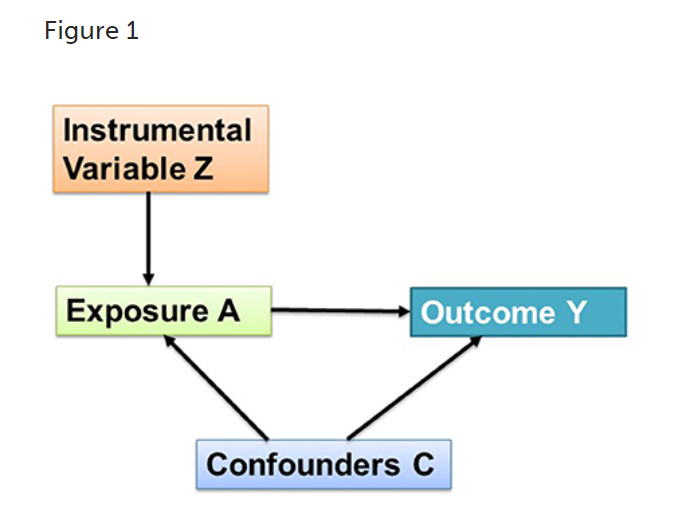
There are two main assumptions underlying IV analysis:
1- An IV predicts treatment status.
2- An IV is independent of confounders of the treatment-outcome relation
2- An IV affects the outcome only through the treatment.
1- An IV predicts treatment status.
2- An IV is independent of confounders of the treatment-outcome relation
2- An IV affects the outcome only through the treatment.
For example, in a study of the relation between HDL-cholesterol levels and myocardial infarction:
- A genetic polymorphism that increases HDL-cholesterol levels (and does not affect LDL-cholesterol or other cardiovascular risk factors) was used as IV.
- Genetic polymorphisms are randomly distributed in populations and are in that respect similar to random treatment allocation in a randomized trial.
- Studies that make use of this phenomenon are called Mendelian randomization studies
- A genetic polymorphism that increases HDL-cholesterol levels (and does not affect LDL-cholesterol or other cardiovascular risk factors) was used as IV.
- Genetic polymorphisms are randomly distributed in populations and are in that respect similar to random treatment allocation in a randomized trial.
- Studies that make use of this phenomenon are called Mendelian randomization studies
IV analysis in pharmacoepidemiology identified 4 types of instrumental variables that are typically used:
1- Facility prescribing patterns,
2- Physician preference,
3- Patient history / financial status,
4- Calendar time.
Facility prescribing patterns together with physician preference are together the most commonly used IV in pharmacoepidemiology.
1- Facility prescribing patterns,
2- Physician preference,
3- Patient history / financial status,
4- Calendar time.
Facility prescribing patterns together with physician preference are together the most commonly used IV in pharmacoepidemiology.
جاري تحميل الاقتراحات...