
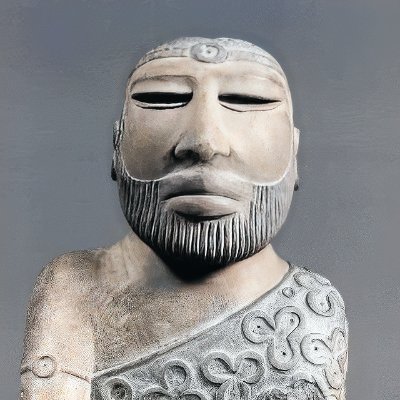
#Thread The star 'Canopus' has an intriguing connection with 'Agastya'.
Throughout millennia, their cosmic dance unfolds.
From Kanyakumari to Vindya, a celestial tale unfolds.
1/8
#archaeohistories #Archaeology
Throughout millennia, their cosmic dance unfolds.
From Kanyakumari to Vindya, a celestial tale unfolds.
1/8
#archaeohistories #Archaeology


Due to Earth's precession, the visibility of the star 'Agastya' or Canoplus has been changing:
- Initially, it was observed from Kanyakumari around 10,000 BCE
- Later, from Vindhya around 5200 BCE
- Jammu 1400 BCE
Looking forward, the predictions are as follows:
- Visible from Jammu upto 3400 CE
- Visible from Vindhya until approximately 7400 CE
- Visible from Kanyakumari until around 11,000 CE
2/8
- Initially, it was observed from Kanyakumari around 10,000 BCE
- Later, from Vindhya around 5200 BCE
- Jammu 1400 BCE
Looking forward, the predictions are as follows:
- Visible from Jammu upto 3400 CE
- Visible from Vindhya until approximately 7400 CE
- Visible from Kanyakumari until around 11,000 CE
2/8

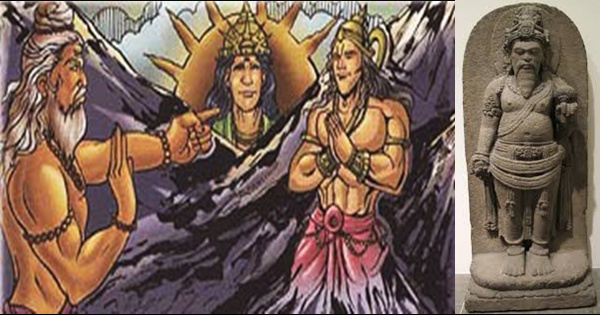
Puranic story tells us that the Vindhya mountain tried to compete with the Himalayas in height by becoming taller and taller. Agastya arrived, the Vindhya mountain prostrated before him in reverence
The sage said that he was going south and that the mountain should lie prostrated till he returned. But the sage never returned thus laying the Vindhyas flat for ever.
Agastya-Vindhya Lore: Traced in Indian Epics and Puranas
The illustrious tale of Agastya's journey towards the south is not limited to a single source but can be found in two major Indian epics, namely the Mahabharata (MBH) and Ramayana (RMN), as well as various Puranas. Interestingly, when these accounts are compared, they share remarkable similarities regarding this memorable event.
In both the Mahabharata and Ramayana narratives, Agastya plays a significant role by contributing his wisdom and divine powers to aid protagonists on their quests. However, it is during one particular episode that Agastya's migration "southwards" becomes prominent.
This distinct aspect of the lore presents an intriguing parallel across different ancient texts. Although variations may exist based on regional retellings or poetic interpretations within each work, scholars have noted commonalities that suggest a shared cultural memory surrounding Agasyta's southern expedition.
3/8
The sage said that he was going south and that the mountain should lie prostrated till he returned. But the sage never returned thus laying the Vindhyas flat for ever.
Agastya-Vindhya Lore: Traced in Indian Epics and Puranas
The illustrious tale of Agastya's journey towards the south is not limited to a single source but can be found in two major Indian epics, namely the Mahabharata (MBH) and Ramayana (RMN), as well as various Puranas. Interestingly, when these accounts are compared, they share remarkable similarities regarding this memorable event.
In both the Mahabharata and Ramayana narratives, Agastya plays a significant role by contributing his wisdom and divine powers to aid protagonists on their quests. However, it is during one particular episode that Agastya's migration "southwards" becomes prominent.
This distinct aspect of the lore presents an intriguing parallel across different ancient texts. Although variations may exist based on regional retellings or poetic interpretations within each work, scholars have noted commonalities that suggest a shared cultural memory surrounding Agasyta's southern expedition.
3/8


Assuming the above interpretation is correct, we can determine the epoch of Agastya's crossing of the Vindhyas.
A clue lies in the following facts:
- Canopus, the second brightest star in the night sky, is known as Agastya in India.
- This star is near the ecliptic south pole, with an ecliptic latitude of -76.
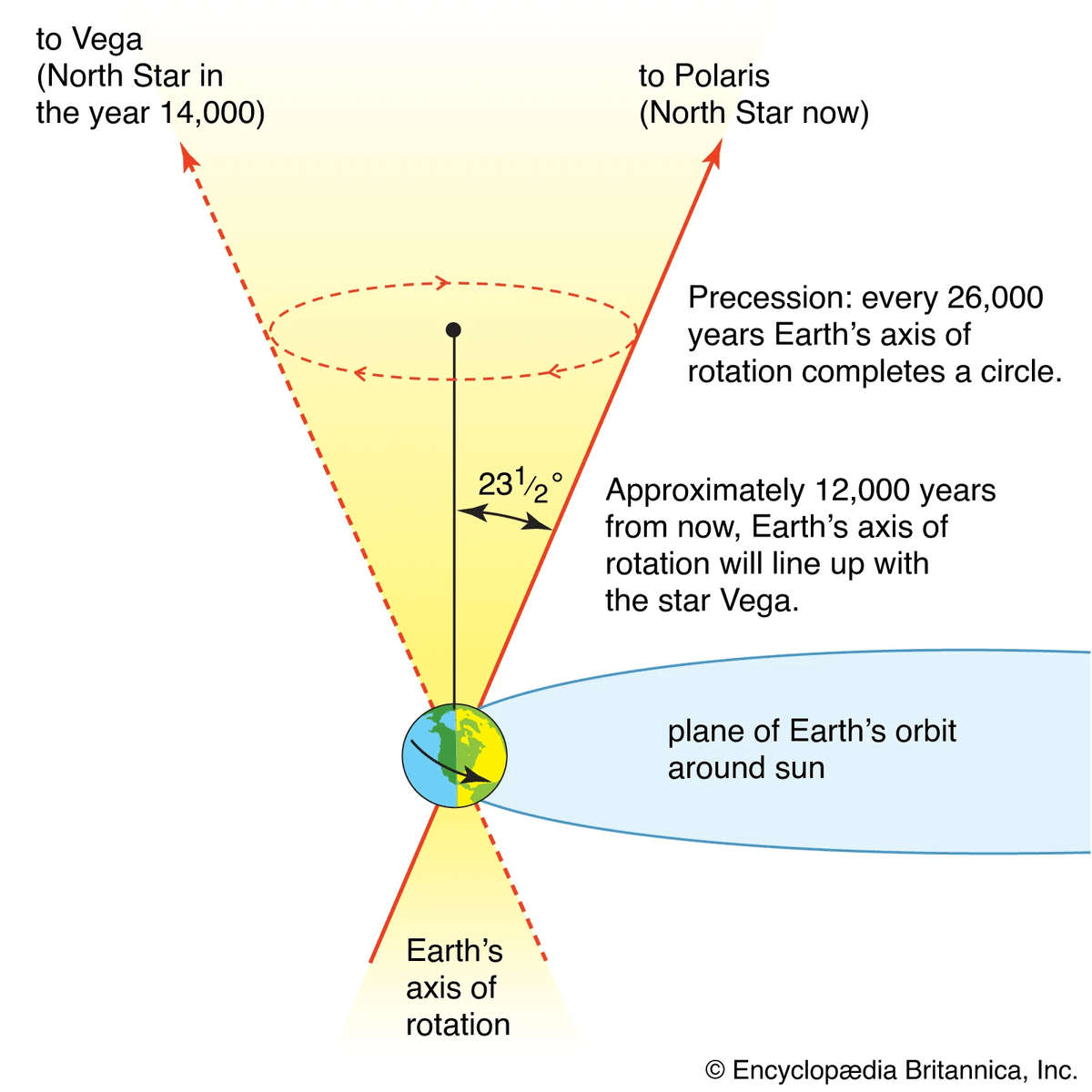
- Due to precession, the celestial poles move around the ecliptic poles and this star becomes visible from different latitudes at different times.
If we assume a star needs to have an altitude of at least 5° at meridian passage to be visible at a certain location, calculations provide us the visibility curve for Agastya (Canopus) across various epochs from 12,000 BC to AD 12,000 (see Figure 1).
Notably:
- Agastya was not visible from any part of India before 10,000 BC.
- It first became visible at Kanyakumari around that epoch.
- As a result of precession, it gradually became visible at different locations in India as depicted in Figure 1.
For instance:
- By 8500 BC, it was visible along the east coast (in the present Chennai region),
- By 7200 BC, it became visible in the present-day Hyderabad.
- In 5200 BC, Agastya became visible in the Vindhya region,
- By 3100 BC, it surfaced at Delhi
4/8
A clue lies in the following facts:
- Canopus, the second brightest star in the night sky, is known as Agastya in India.
- This star is near the ecliptic south pole, with an ecliptic latitude of -76.
- Due to precession, the celestial poles move around the ecliptic poles and this star becomes visible from different latitudes at different times.
If we assume a star needs to have an altitude of at least 5° at meridian passage to be visible at a certain location, calculations provide us the visibility curve for Agastya (Canopus) across various epochs from 12,000 BC to AD 12,000 (see Figure 1).
Notably:
- Agastya was not visible from any part of India before 10,000 BC.
- It first became visible at Kanyakumari around that epoch.
- As a result of precession, it gradually became visible at different locations in India as depicted in Figure 1.
For instance:
- By 8500 BC, it was visible along the east coast (in the present Chennai region),
- By 7200 BC, it became visible in the present-day Hyderabad.
- In 5200 BC, Agastya became visible in the Vindhya region,
- By 3100 BC, it surfaced at Delhi
4/8
Vedic literature: In the ancient Indian tradition, Agastya is attributed as the author of 26 hymns (Rigveda I. 165ff). These hymns contain references that allude to specific historical events.
One such reference states that according to the Rigvedic tradition, Agastya served as the Purohita (chief priest) of King Khela (Rv. I 116.15). Sayana acknowledges this relationship and affirms it by saying
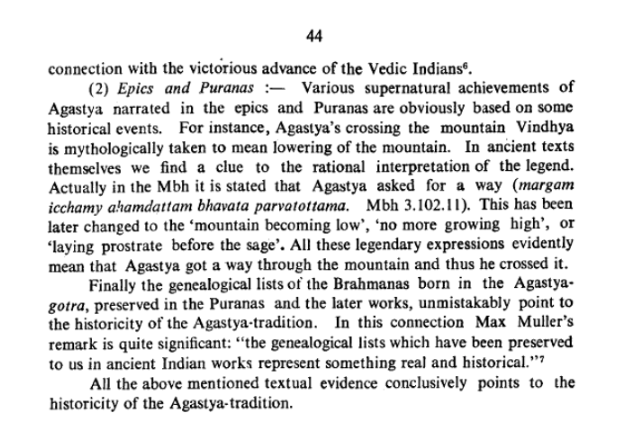
Ahamdattam bhavata parvatottama. Mbh 3.102.11). This has been later changed to the 'mountain becoming low', 'no more growing high', or 'laying prostrate before the sage'. All these legendary expressions evidently mean that Agastya got a way through the mountain and thus he crossed it.
Finally the genealogical lists of the Brahmanas born in the Agastya-remark is quite significant: "the genealogical lists which have been preserved to us in ancient Indian works represent something real and historical
5/8
One such reference states that according to the Rigvedic tradition, Agastya served as the Purohita (chief priest) of King Khela (Rv. I 116.15). Sayana acknowledges this relationship and affirms it by saying
Ahamdattam bhavata parvatottama. Mbh 3.102.11). This has been later changed to the 'mountain becoming low', 'no more growing high', or 'laying prostrate before the sage'. All these legendary expressions evidently mean that Agastya got a way through the mountain and thus he crossed it.
Finally the genealogical lists of the Brahmanas born in the Agastya-remark is quite significant: "the genealogical lists which have been preserved to us in ancient Indian works represent something real and historical
5/8
Some sculpture
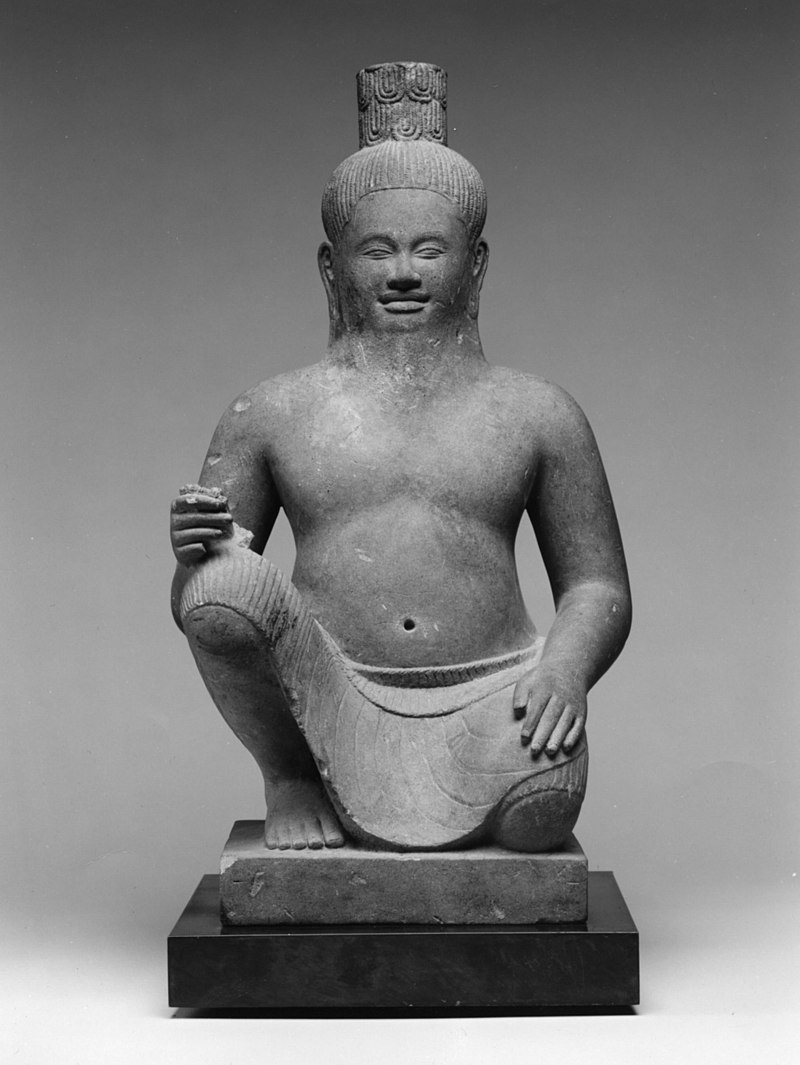
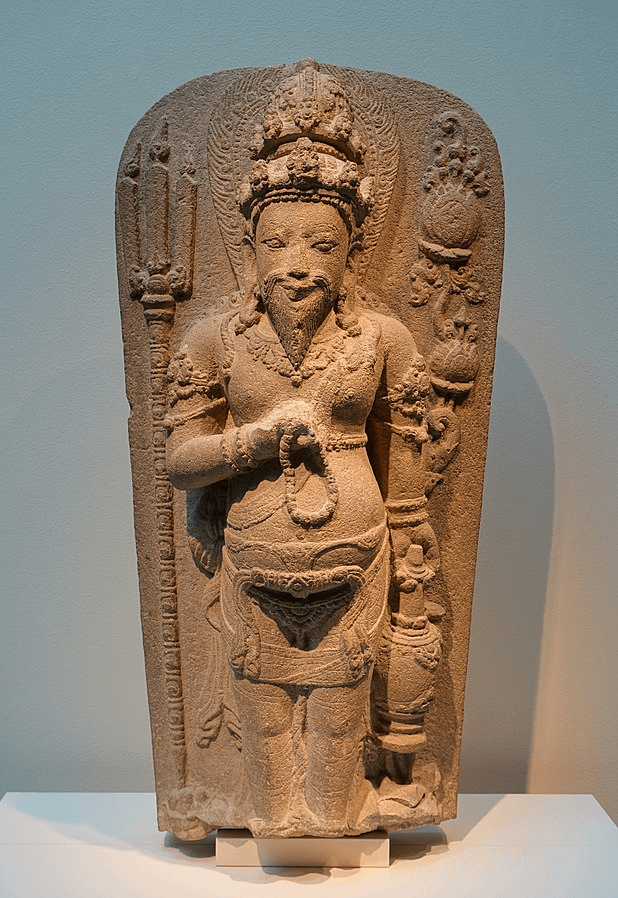
Agastya, Indonesia, East Java, c. 1200s AD, volcanic stone
Sage Agastya, Cambodia, c. 975 CE.
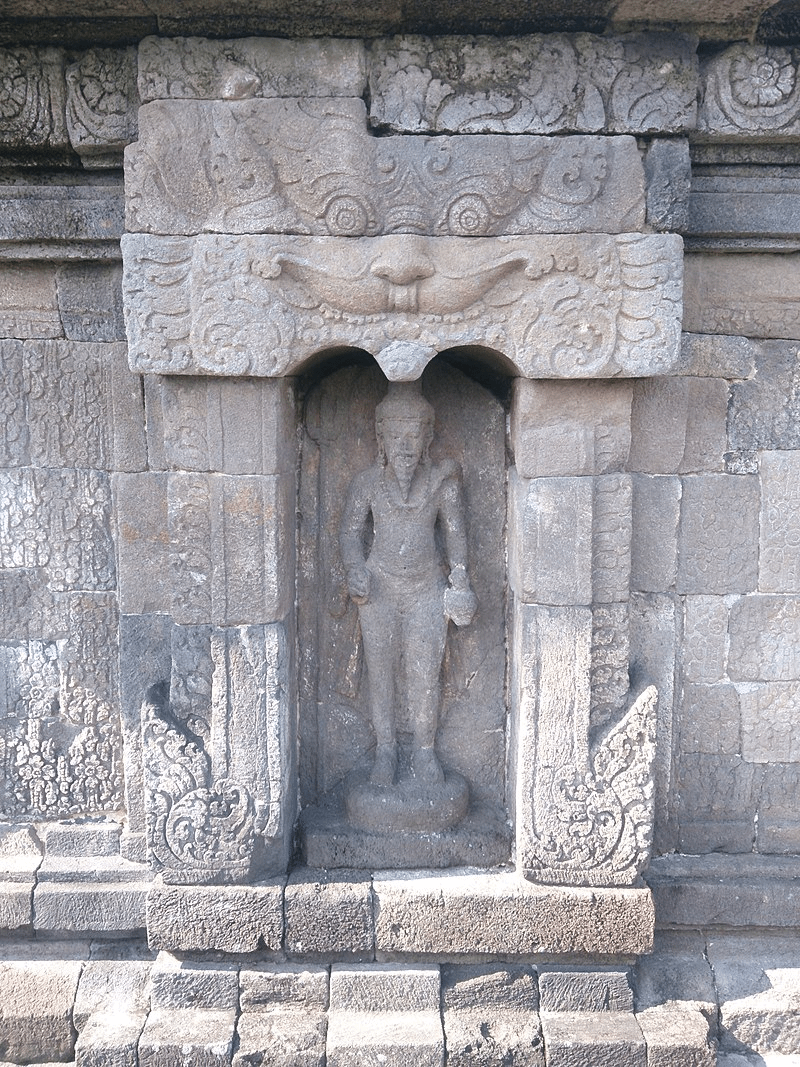
Agastya on south side of the 9th-century Javanese Sambisari temple unearthed from volcanic mud.
Src myindiamyglory.com
jstor.org Folklore and Astronomy: Agastya a sage and a star
jstor.org
jstor.org
6/8
Agastya, Indonesia, East Java, c. 1200s AD, volcanic stone
Sage Agastya, Cambodia, c. 975 CE.
Agastya on south side of the 9th-century Javanese Sambisari temple unearthed from volcanic mud.
Src myindiamyglory.com
jstor.org Folklore and Astronomy: Agastya a sage and a star
jstor.org
jstor.org
6/8
I hope you are enjoying my contents. Please subscribe my YouTube channel @gemsofindology" target="_blank" rel="noopener" onclick="event.stopPropagation()">youtube.com and t.me and support us.
Please RT and like first tweet of this thread if you can.
7/7
Please RT and like first tweet of this thread if you can.
7/7


جاري تحميل الاقتراحات...