

1
التاريخ الروماني مزيف... في الحقيقة سرق الرومان كل الانجازات النبطية العربية في المشرق و الفينيقية العربية قي المغرب الكبير التي وصلوا لها من الحضارة القرطاجية
الخبرات العربية النبطية في البناء كان لها دور بارز في في صناعة التاريخ الروماني
(النص مترجم )
التاريخ الروماني مزيف... في الحقيقة سرق الرومان كل الانجازات النبطية العربية في المشرق و الفينيقية العربية قي المغرب الكبير التي وصلوا لها من الحضارة القرطاجية
الخبرات العربية النبطية في البناء كان لها دور بارز في في صناعة التاريخ الروماني
(النص مترجم )
2
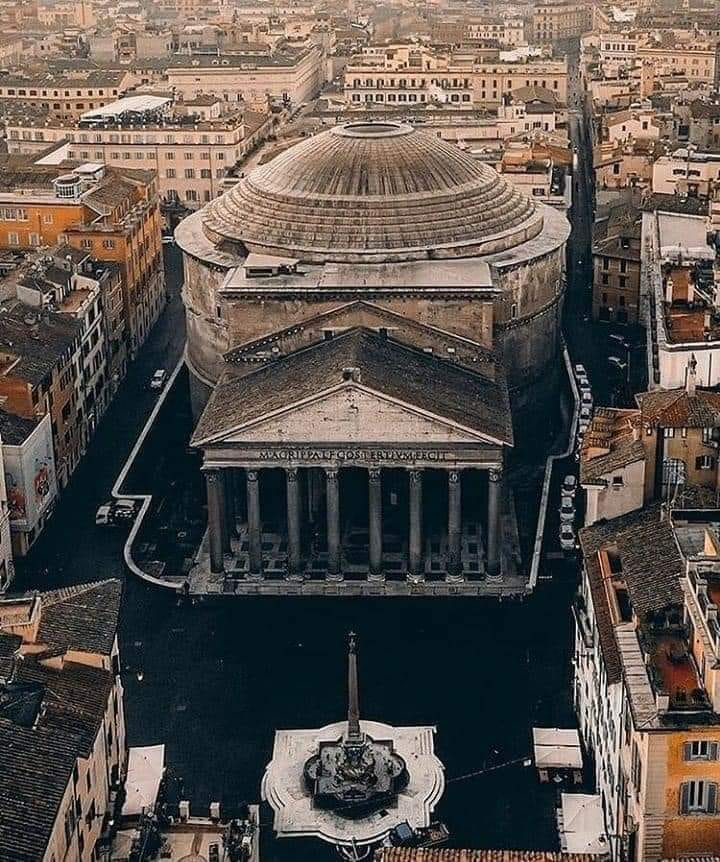
بعد ما يقرب من ألفي عام من بنائها، لا تزال قبة البانثيون أكبر قبة خرسانية غير مسلحة في العالم.
ارتفاع العين وقطر الدائرة الداخلية متساويان، 43 مترًا.( يقصد في العين هي الفتحة الموجودة في اعلى القبة )
الرومان لم يخترعوا الخرسانة لقد كان موجودًا بالفعل منذ مئات السنين
بعد ما يقرب من ألفي عام من بنائها، لا تزال قبة البانثيون أكبر قبة خرسانية غير مسلحة في العالم.
ارتفاع العين وقطر الدائرة الداخلية متساويان، 43 مترًا.( يقصد في العين هي الفتحة الموجودة في اعلى القبة )
الرومان لم يخترعوا الخرسانة لقد كان موجودًا بالفعل منذ مئات السنين
3
قبل بناء البانثيون.
ومن الغريب أن هذا التكريم يعود على الأرجح إلى القبائل البدوية النبطية التي تعيش اليوم في جنوب سوريا وشمال الأردن، والتي كانت تستخدمها لإنشاء خزانات مياه جوفية مخفية حوالي عام 700 قبل الميلاد.
يمكن العثور على الوصفة الخرسانية الأساسية التي اتبعها الرومان في
قبل بناء البانثيون.
ومن الغريب أن هذا التكريم يعود على الأرجح إلى القبائل البدوية النبطية التي تعيش اليوم في جنوب سوريا وشمال الأردن، والتي كانت تستخدمها لإنشاء خزانات مياه جوفية مخفية حوالي عام 700 قبل الميلاد.
يمكن العثور على الوصفة الخرسانية الأساسية التي اتبعها الرومان في
4
كتاب المهندس المعماري الروماني فيتروفيوس "De Architectura"، الذي نُشر قبل 100 عام من بناء البانثيون.
ووصف كيفية صنع الخرسانة من الجير ورمل البوزولانا، وهو نوع من الرماد البركاني الموجود بالقرب من نابولي، وكلها ممزوجة بكتلة حجرية.
تم استخدام ركام مختلف لإعطاء الخرسانة كثافات
كتاب المهندس المعماري الروماني فيتروفيوس "De Architectura"، الذي نُشر قبل 100 عام من بناء البانثيون.
ووصف كيفية صنع الخرسانة من الجير ورمل البوزولانا، وهو نوع من الرماد البركاني الموجود بالقرب من نابولي، وكلها ممزوجة بكتلة حجرية.
تم استخدام ركام مختلف لإعطاء الخرسانة كثافات
5
متنوعة.
أعطى الحجر الجيري الترافرتين لأساسات البانثيون كثافة تبلغ 2200 كجم لكل متر مكعب، في حين تم اختيار الصخور الأخف للقبة.
البوزولان، المصنوع من مواد سيليسية وألومنيومية، يمتلك قيمة إسمنتية ضئيلة أو معدومة، ولكن عند خلطه بالماء، يتفاعل كيميائيًا مع هيدروكسيد الكالسيوم عند
متنوعة.
أعطى الحجر الجيري الترافرتين لأساسات البانثيون كثافة تبلغ 2200 كجم لكل متر مكعب، في حين تم اختيار الصخور الأخف للقبة.
البوزولان، المصنوع من مواد سيليسية وألومنيومية، يمتلك قيمة إسمنتية ضئيلة أو معدومة، ولكن عند خلطه بالماء، يتفاعل كيميائيًا مع هيدروكسيد الكالسيوم عند
6
درجة الحرارة العادية لتكوين مركبات أسمنتية.
وكانت كيمياء هذه المادة هي التي شكلت أساس متانة القبة، مما مكنها من البقاء على قيد الحياة لألفي عام دون قضبان الشد الفولاذية المستخدمة اليوم.
Arab experiences in construction in Nabatieh played a prominent role in making Roman history
درجة الحرارة العادية لتكوين مركبات أسمنتية.
وكانت كيمياء هذه المادة هي التي شكلت أساس متانة القبة، مما مكنها من البقاء على قيد الحياة لألفي عام دون قضبان الشد الفولاذية المستخدمة اليوم.
Arab experiences in construction in Nabatieh played a prominent role in making Roman history
7
(Text translated)
Nearly two thousand years after its construction, the Dome of the Pantheon remains the largest unreinforced concrete dome in the world.
The height of the eye and the diameter of the inner circle are equal, 43 metres. (What is meant by the eye is the opening
(Text translated)
Nearly two thousand years after its construction, the Dome of the Pantheon remains the largest unreinforced concrete dome in the world.
The height of the eye and the diameter of the inner circle are equal, 43 metres. (What is meant by the eye is the opening
8
at the top of the dome)
The Romans did not invent concrete; it had already been around for hundreds of years before the Pantheon was built.
Oddly enough, this honor most likely goes back to the Nabataean Bedouin tribes living today in southern Syria and northern Jordan,
at the top of the dome)
The Romans did not invent concrete; it had already been around for hundreds of years before the Pantheon was built.
Oddly enough, this honor most likely goes back to the Nabataean Bedouin tribes living today in southern Syria and northern Jordan,
9
who used it to create hidden underground water reservoirs around 700 BC.
The basic concrete recipe followed by the Romans can be found in Roman architect Vitruvius' book "De Architectura", published 100 years before the Pantheon was built.
He described how concrete was made
who used it to create hidden underground water reservoirs around 700 BC.
The basic concrete recipe followed by the Romans can be found in Roman architect Vitruvius' book "De Architectura", published 100 years before the Pantheon was built.
He described how concrete was made
10
from lime and pozzolana sand, a type of volcanic ash found near Naples, all mixed into a stone block.
Different aggregates were used to give the concrete various densities.
Travertine limestone gave the Pantheon's foundations a density of 2,200 kg per cubic meter,
from lime and pozzolana sand, a type of volcanic ash found near Naples, all mixed into a stone block.
Different aggregates were used to give the concrete various densities.
Travertine limestone gave the Pantheon's foundations a density of 2,200 kg per cubic meter,
11
while lighter rocks were chosen for the dome.
Pozzolan, made from siliceous and aluminum materials, has little or no cementitious value, but when mixed with water, it reacts chemically with calcium hydroxide at normal temperature to form cementitious compounds.
while lighter rocks were chosen for the dome.
Pozzolan, made from siliceous and aluminum materials, has little or no cementitious value, but when mixed with water, it reacts chemically with calcium hydroxide at normal temperature to form cementitious compounds.
12
It was the chemistry of this material that formed the basis of the dome's durability, enabling it to survive for two thousand years without the steel tension rods used today.
انتهي
من قراءة اليوم
@rattibha
It was the chemistry of this material that formed the basis of the dome's durability, enabling it to survive for two thousand years without the steel tension rods used today.
انتهي
من قراءة اليوم
@rattibha
جاري تحميل الاقتراحات...