

Exploitation of Tasawwuf in [Modernist] Politics | 🧵
Based on Katherine Ewing's 'Modern Sufis and the State'
It's no secret that islam has been used by various institutions and individuals to promote their own socio-political agendas throughout the course of history.
Based on Katherine Ewing's 'Modern Sufis and the State'
It's no secret that islam has been used by various institutions and individuals to promote their own socio-political agendas throughout the course of history.
![Exploitation of Tasawwuf in [Modernist] Politics | 🧵
Based on Katherine Ewing's 'Modern Sufis and t...](https://pbs.twimg.com/media/F9s2Fp4aEAAhCf_.jpg)
Whether it be the Ummayads prioritising a specific creed (jabariyyah) to avoid facing criticism for their authoritarian regimes and luxuries or the Abbasids using their kinship to ahle-bayt as a means to legitimise their right to khilafat.
No area of the religion has been exploited as much as tasawwuf in recent times by modernist authorities for their own secular policies.
Judging through the case studies of pakistan, dictators and political leaders. from Ayub Khan and Bhutto to Pervez Musharaf, they all have played an equal part in stripping off sufism from its traditional orthodox roots and packaging it in a completely new district mystical form.
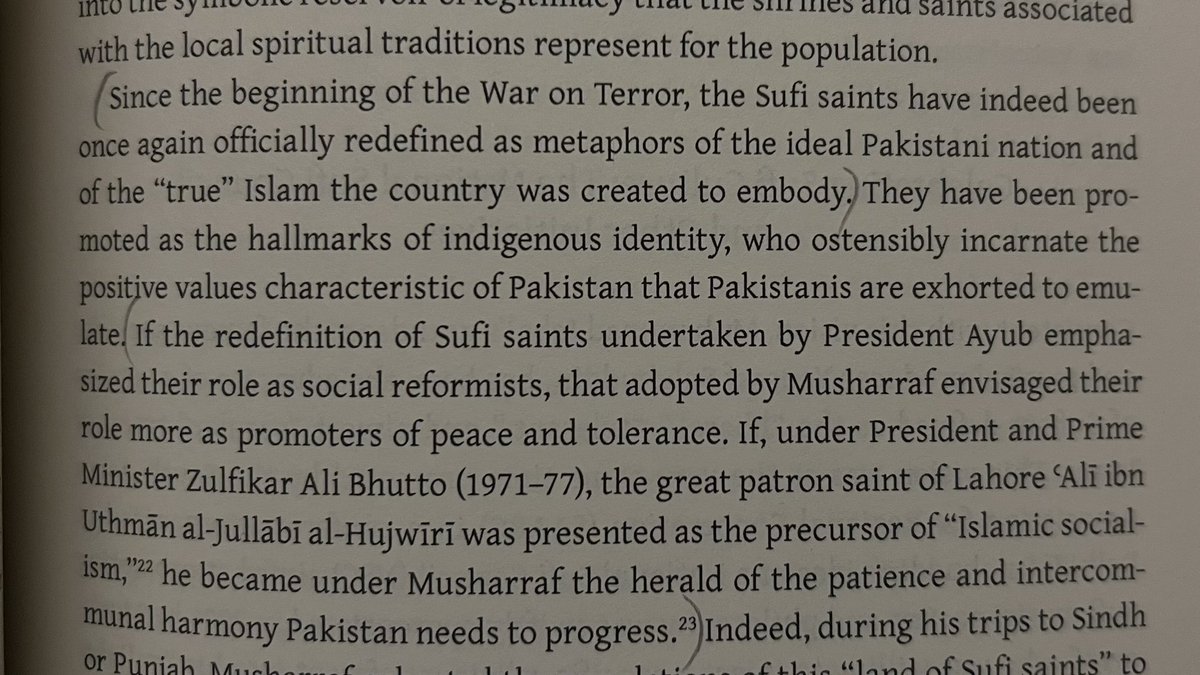
Although many not be aware but this political exploitation of sufism was not actually original of pakistan but in fact imported. The west, looked at sufism from a certain perspective, and decided to establish it as that only, in order to "rethink" Islam for modern times.
Plans were made at the highest levels by the likes of infamous Rockefellers (yes the same ones) for this task.
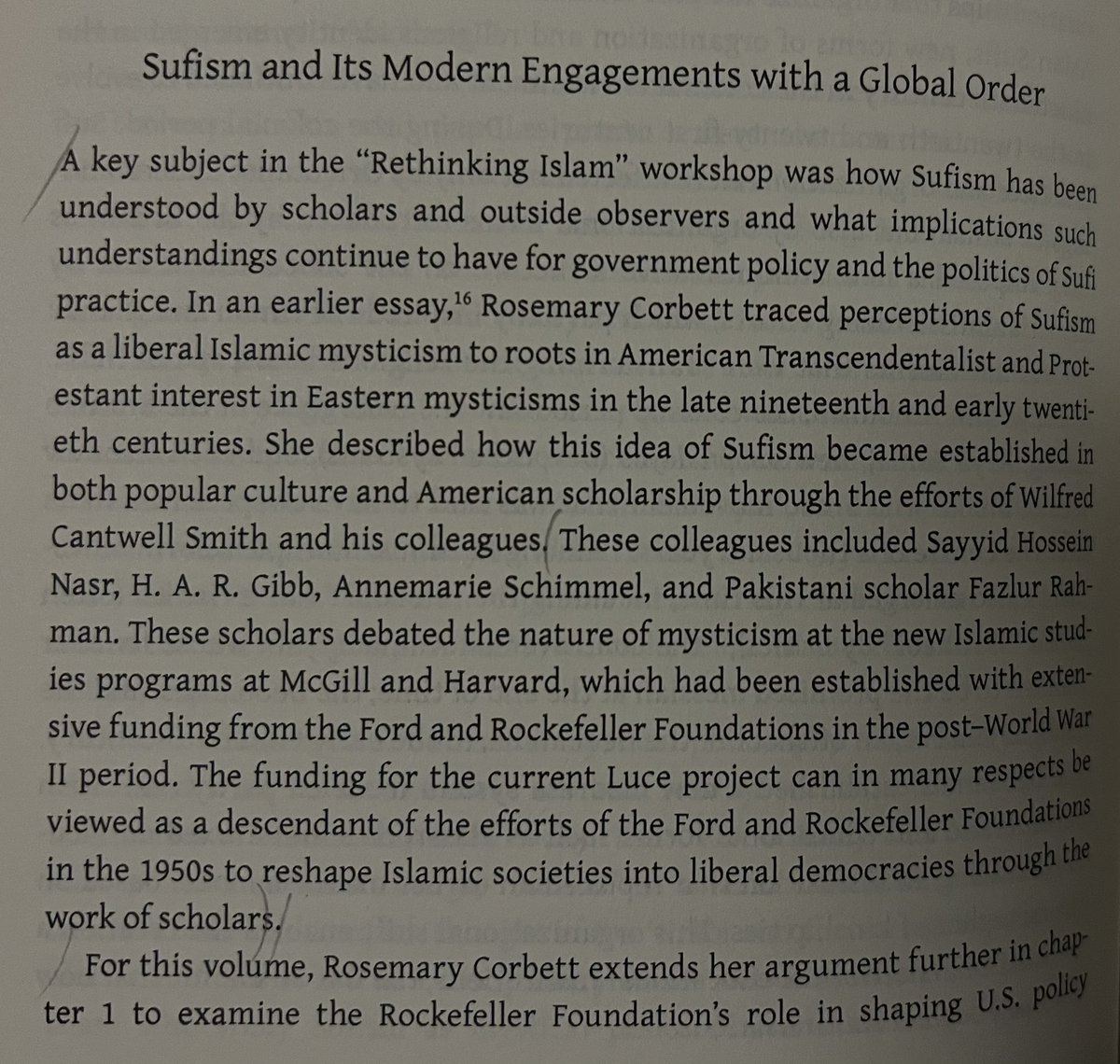
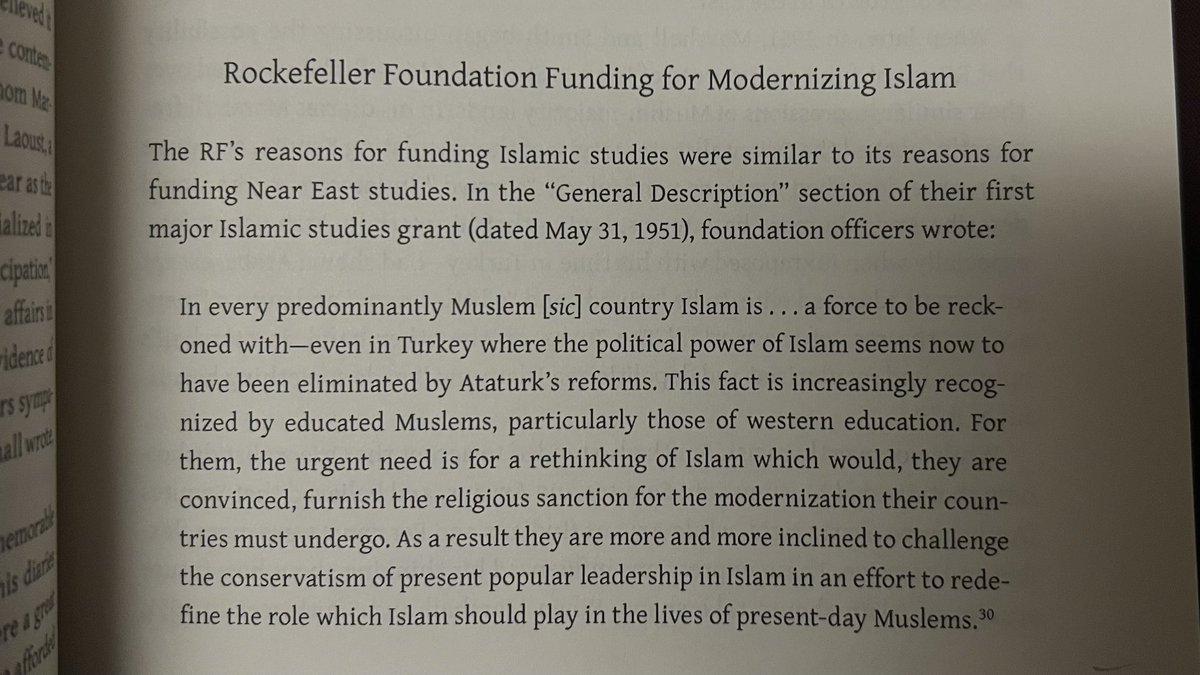
Particular thinkers, scholars and leaders were handpicked by the western academics for spreading the real definition of Islam and its spirit, 'as understood ofc by the orientalists'.
A team of researchers was set up to 'examine' the Muslim world as an 'exhibit' in a lab and find opportunities to 'modernize' Islam. All in a classic orientalist fashion.
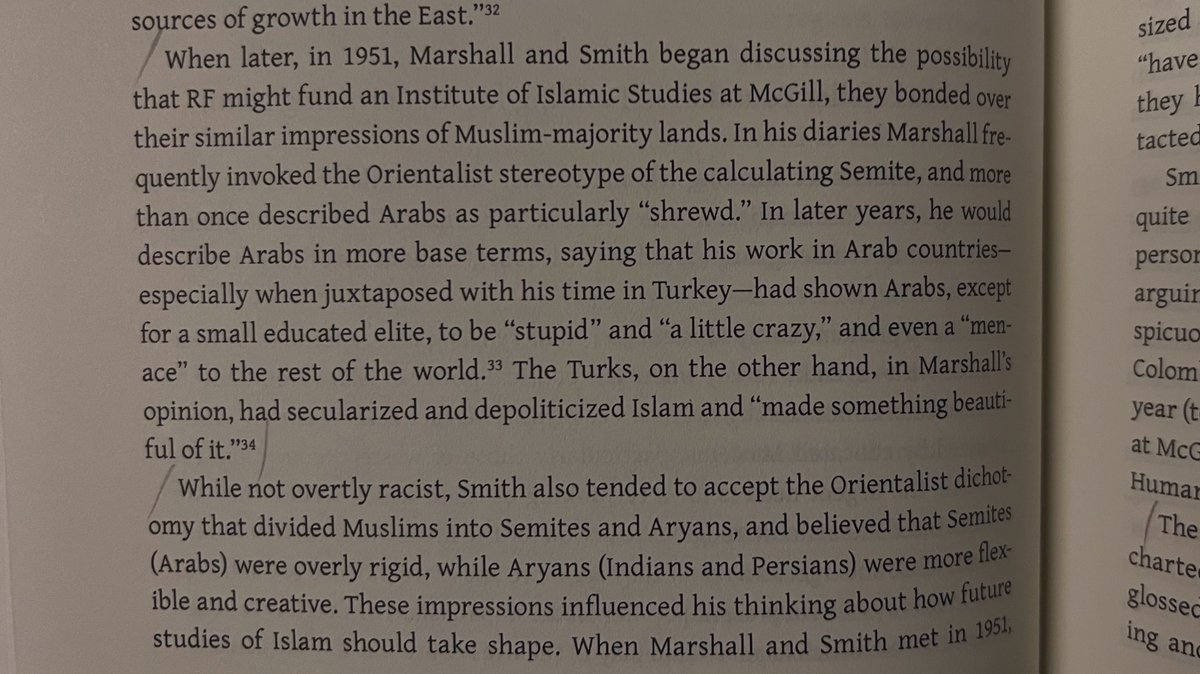
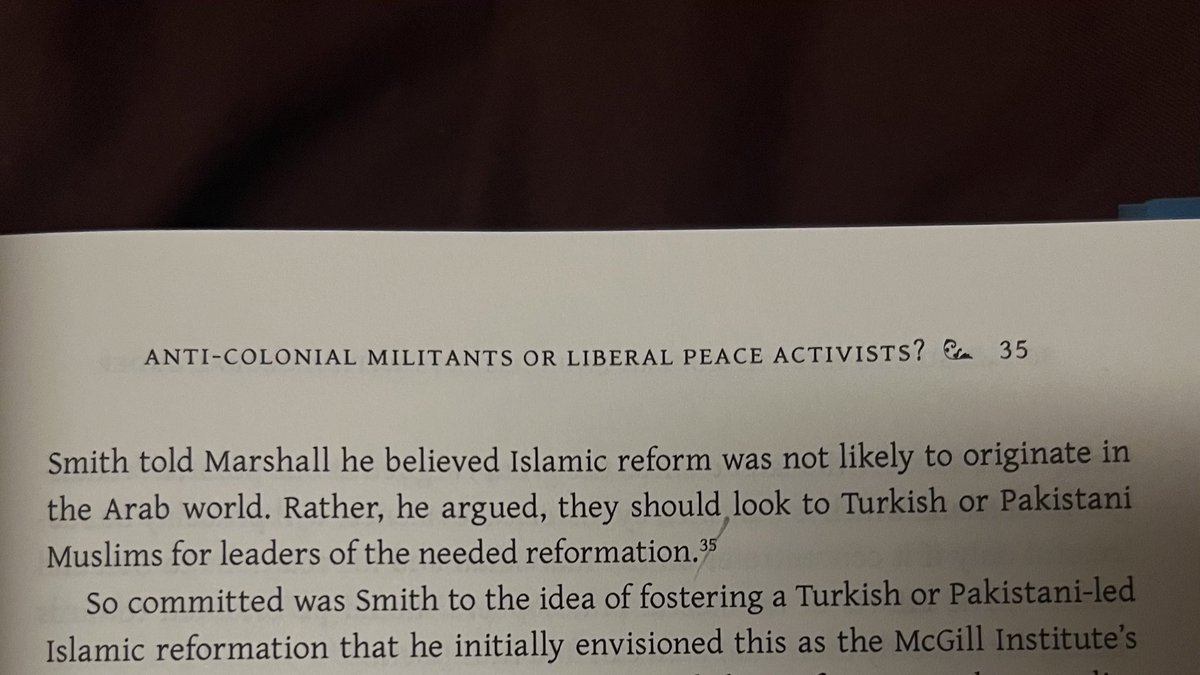
After dividing the muslim world in classic orientalist terminologies. The conclusion of the RF 'Modernise Islam' research was considered to be the sphere of Sufism, an area that best suited the west's idea of what Islam should be - i.e. merely a relation between man and God.
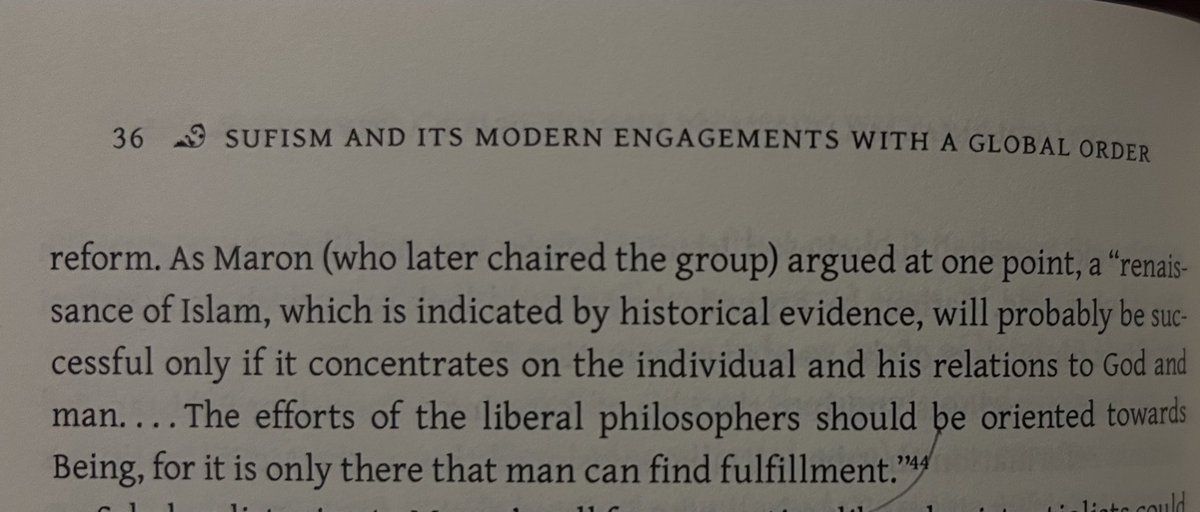
Consequently efforts began to export the western version of sufism to pakistan, to manipulate the spirit of Islam, through none other than pakistani presidents. A version which was as suitable for a secular irreligious dictator as for the west- a mystical connection between man
and God that had nothing to with legal-socio-political issues.
And the first leader to welcome this project in pakistan was Ayub khan, a staunch proponent of Modernisation.
And the first leader to welcome this project in pakistan was Ayub khan, a staunch proponent of Modernisation.
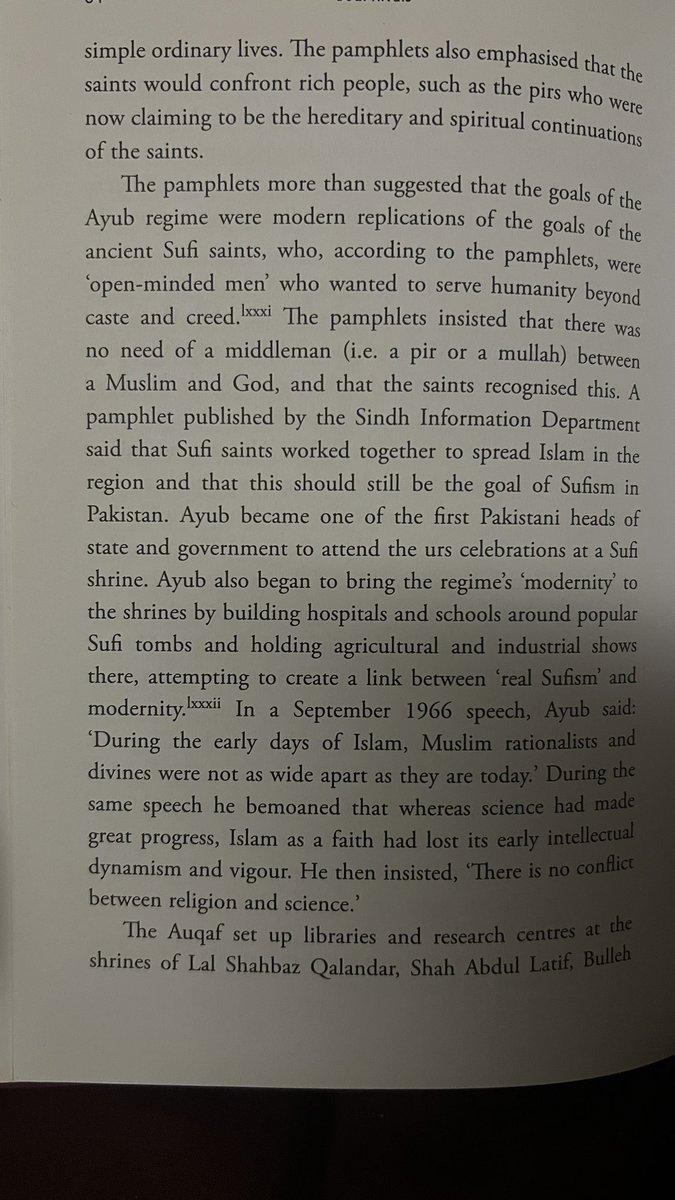
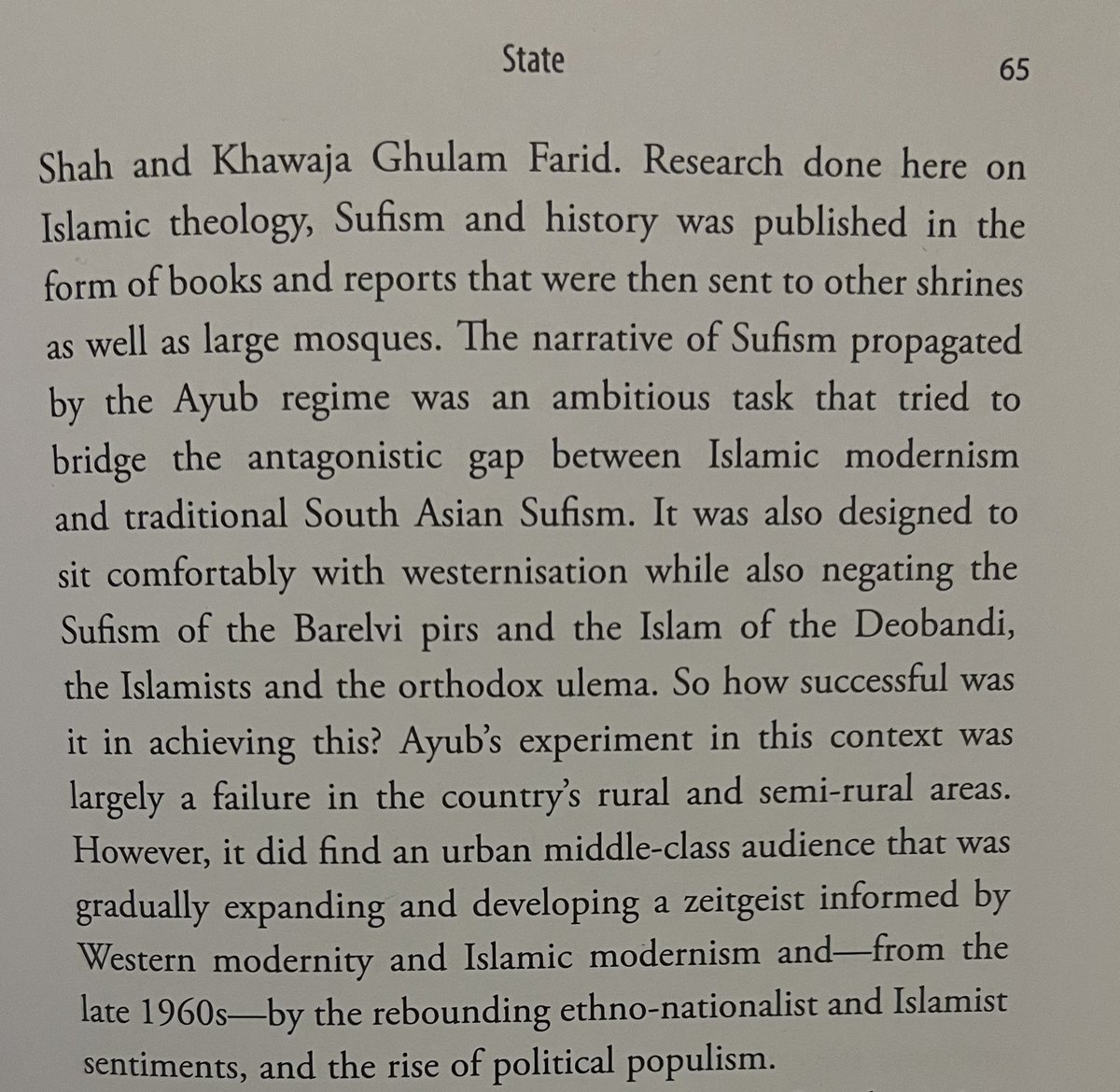
When Ayub khan, through the help of scholars like Fazlur Rahman imported a 'Modernization' of 'radical' Islam in full swing to 'appease' the west, later political leaders like Bhutto tried (exploiting) forming their own understanding of sufism,
the one that was at least consistent with Sindhiyat and Bhutto personal character and political values.
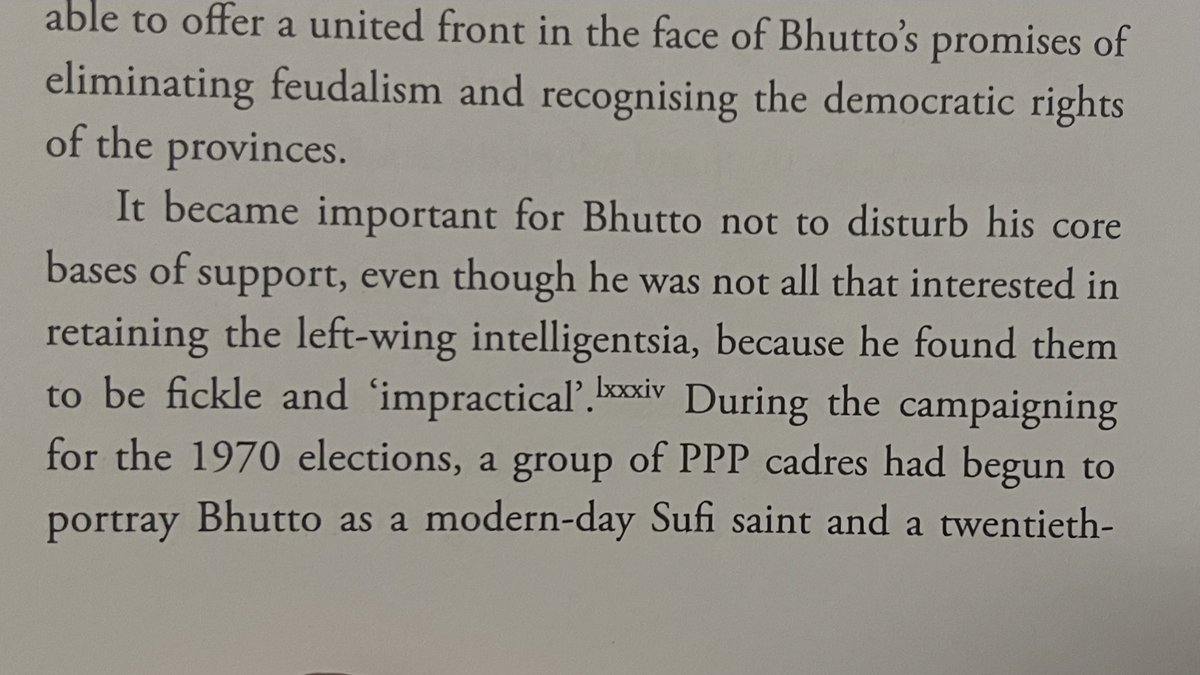
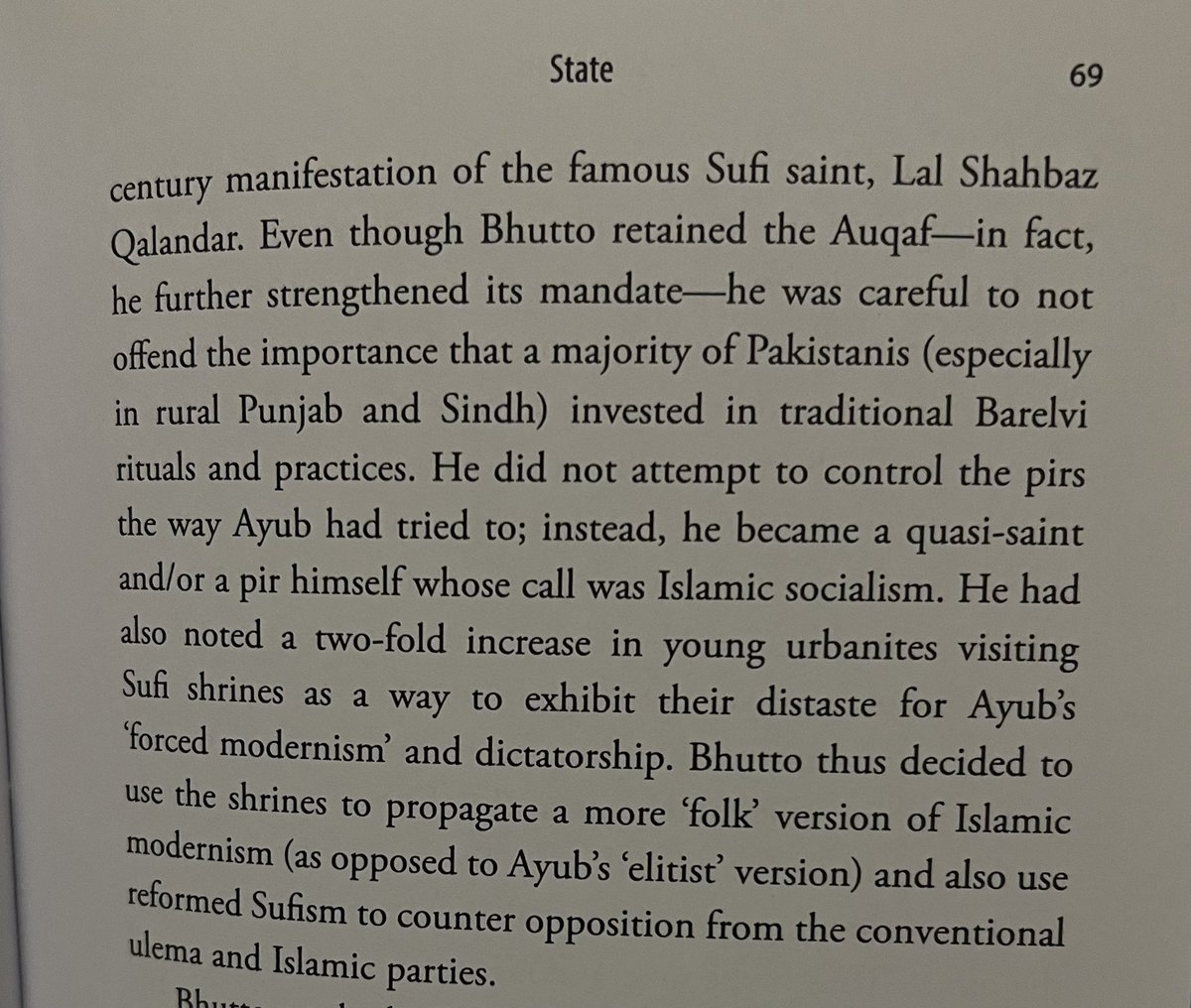
Bhutto in his estimation, viewed sufism not exactly as a concentric circle of the religion Islam, for him it was cultural phenomenon, an entity of its own, a balance in his approximation, between modernism and populism, just like himself.
And hence now Tasawwuf was a tool of another leader for their personal agendas.
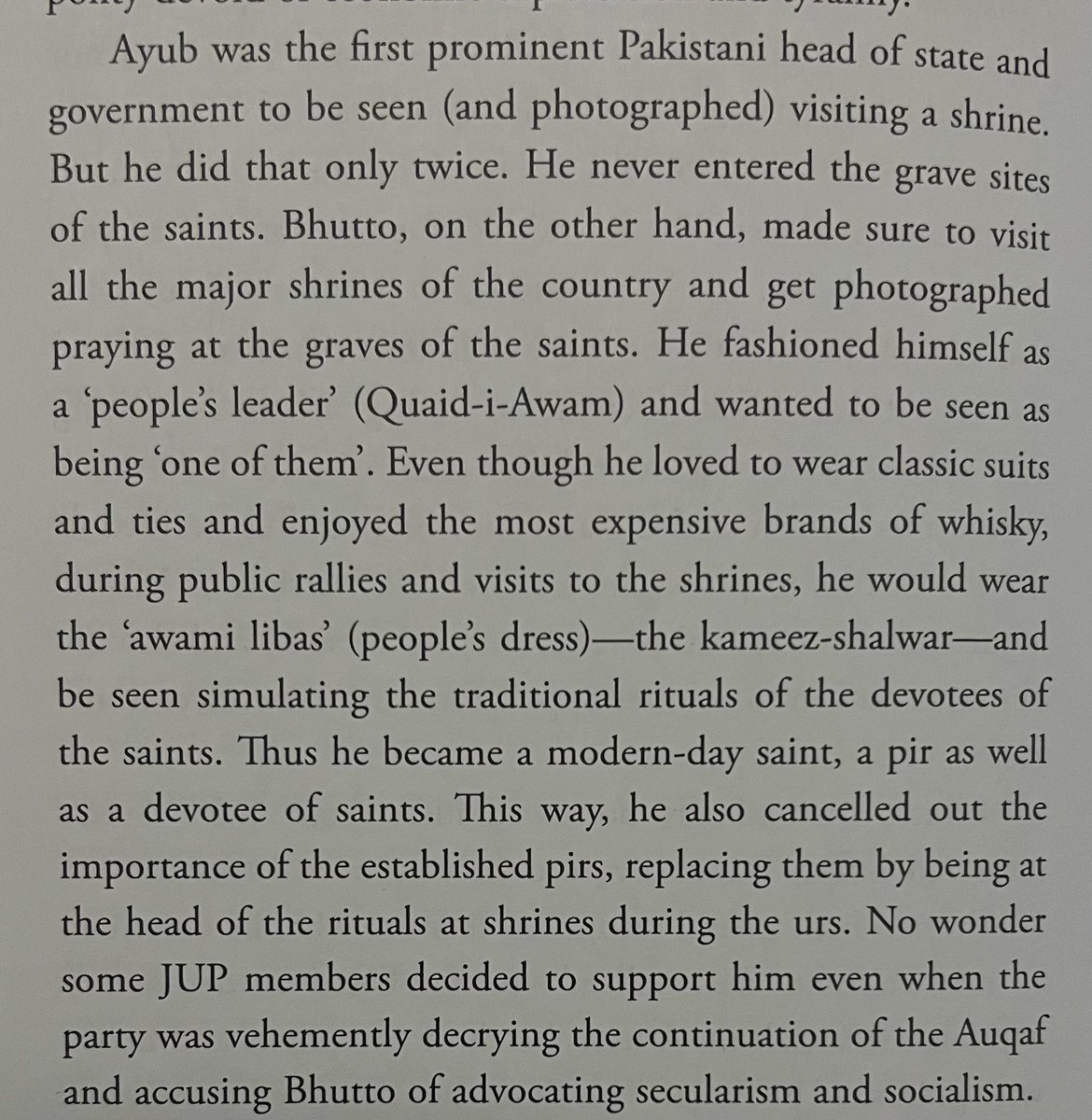
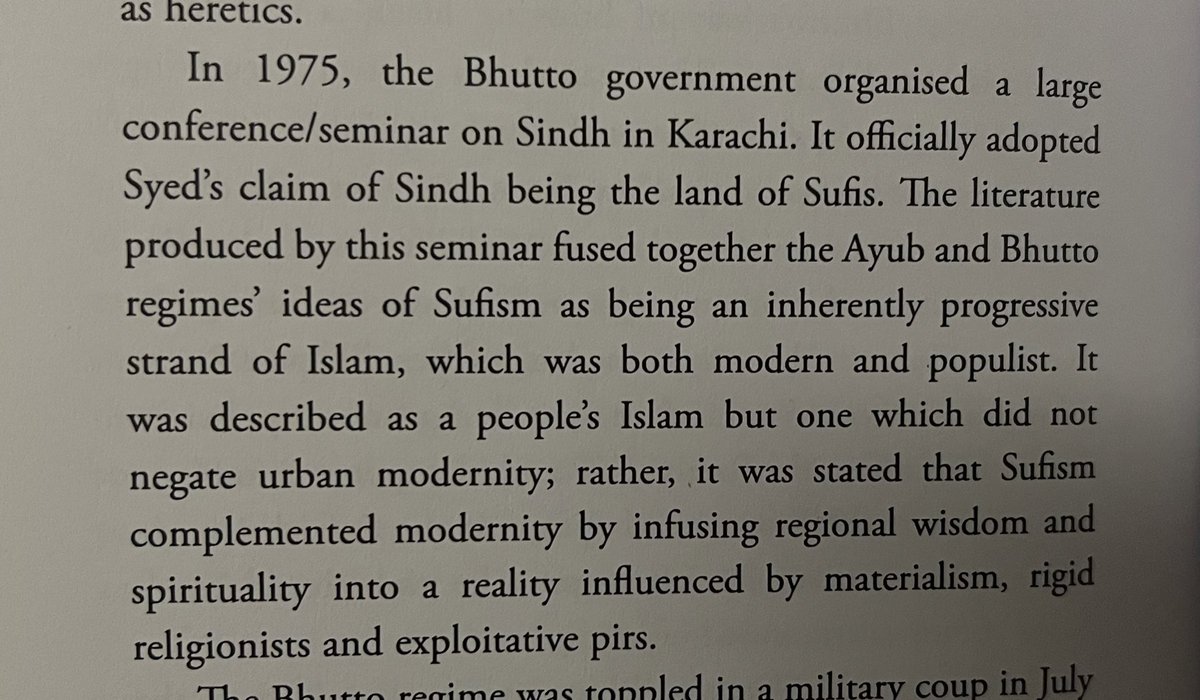
Both Bhutto and Ayub, however didn't go to extents, Musharaf was willing to go in appeasing the western powers. 'Progressive' Islam was the only solution to all the issues faced by people of the west and Musharaf made sure to propagate it as much as needed.
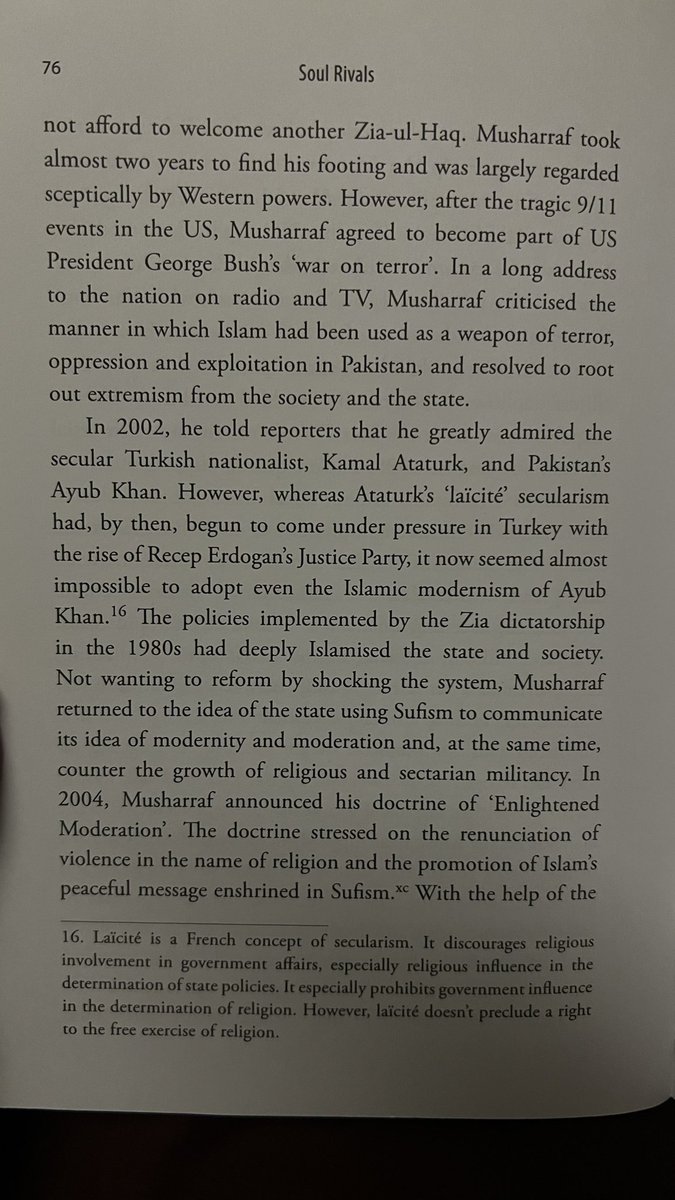
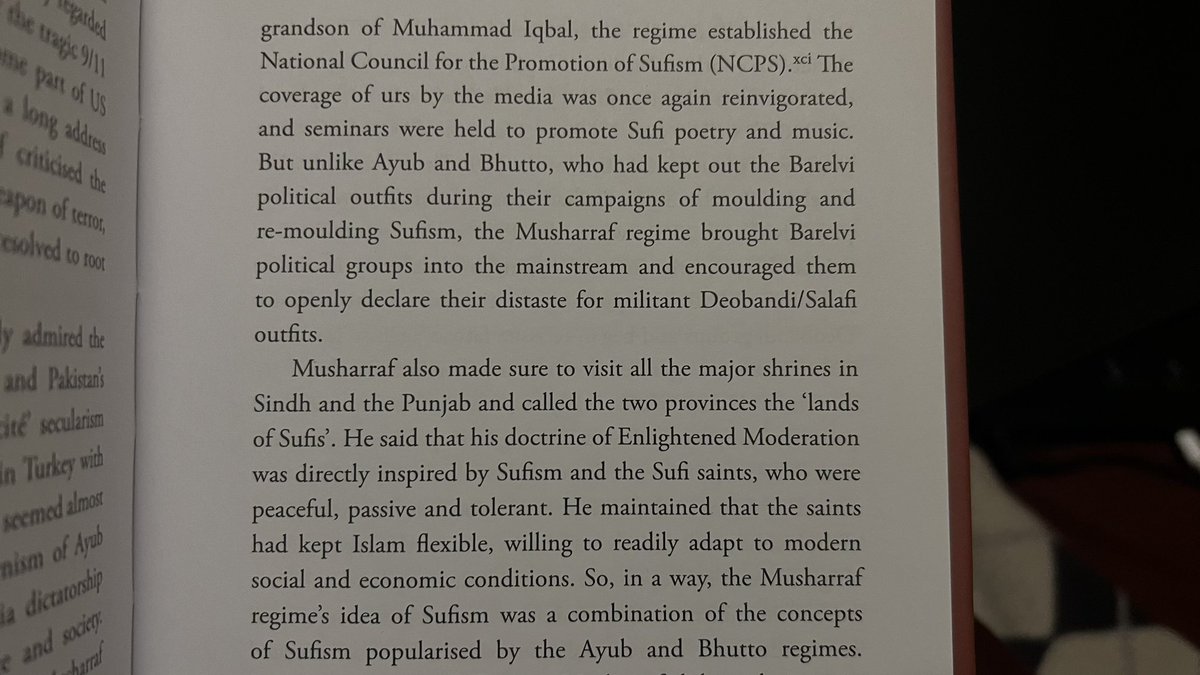
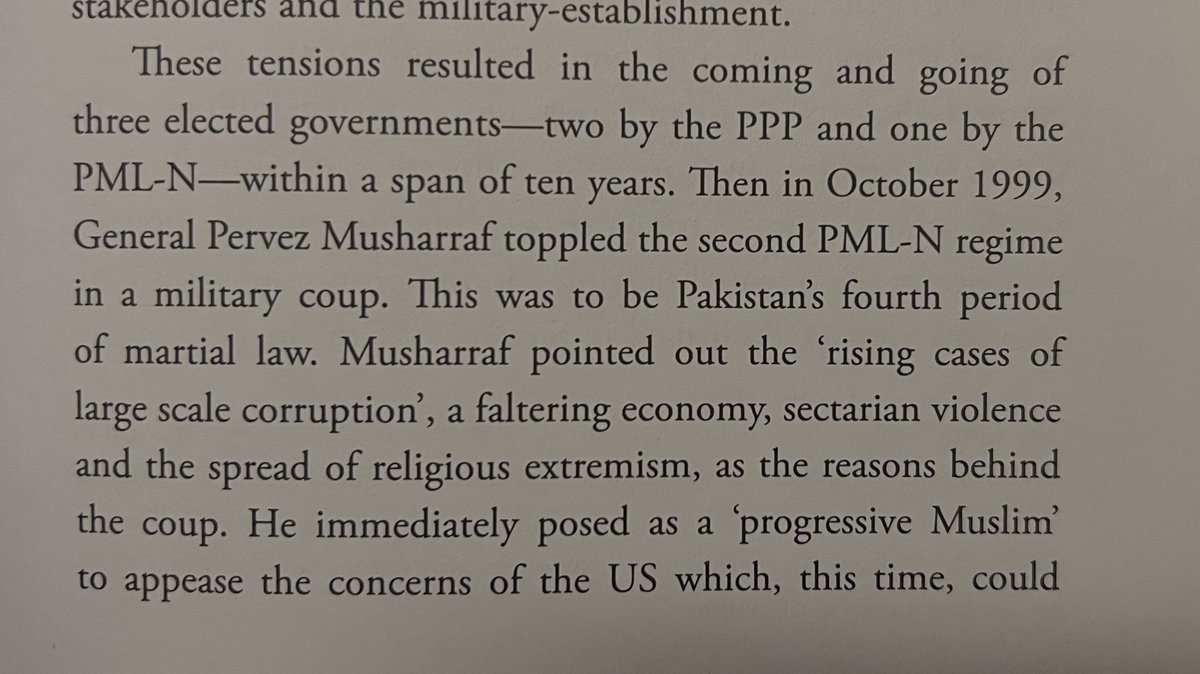
At this point, Sufism was nationalised as an ideology closer to secularism than Islam, during Musharaf's era, modern islam was nothing but music, art and folk literature. Just as sufism was in ataturk's turkey.
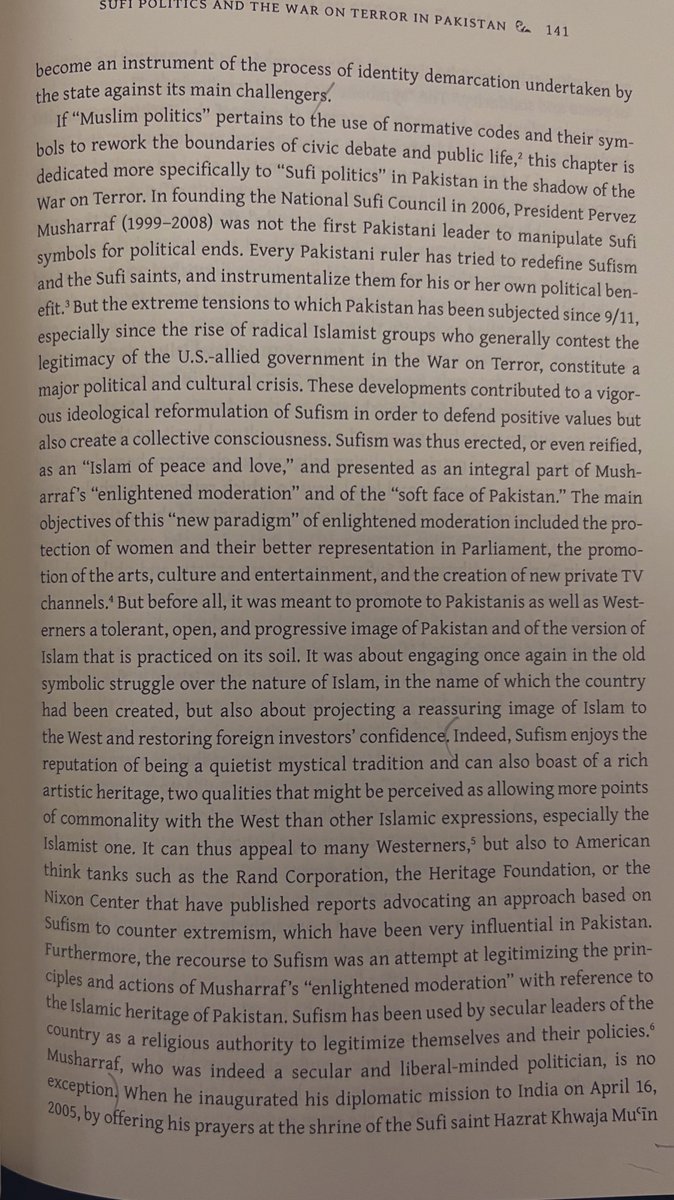
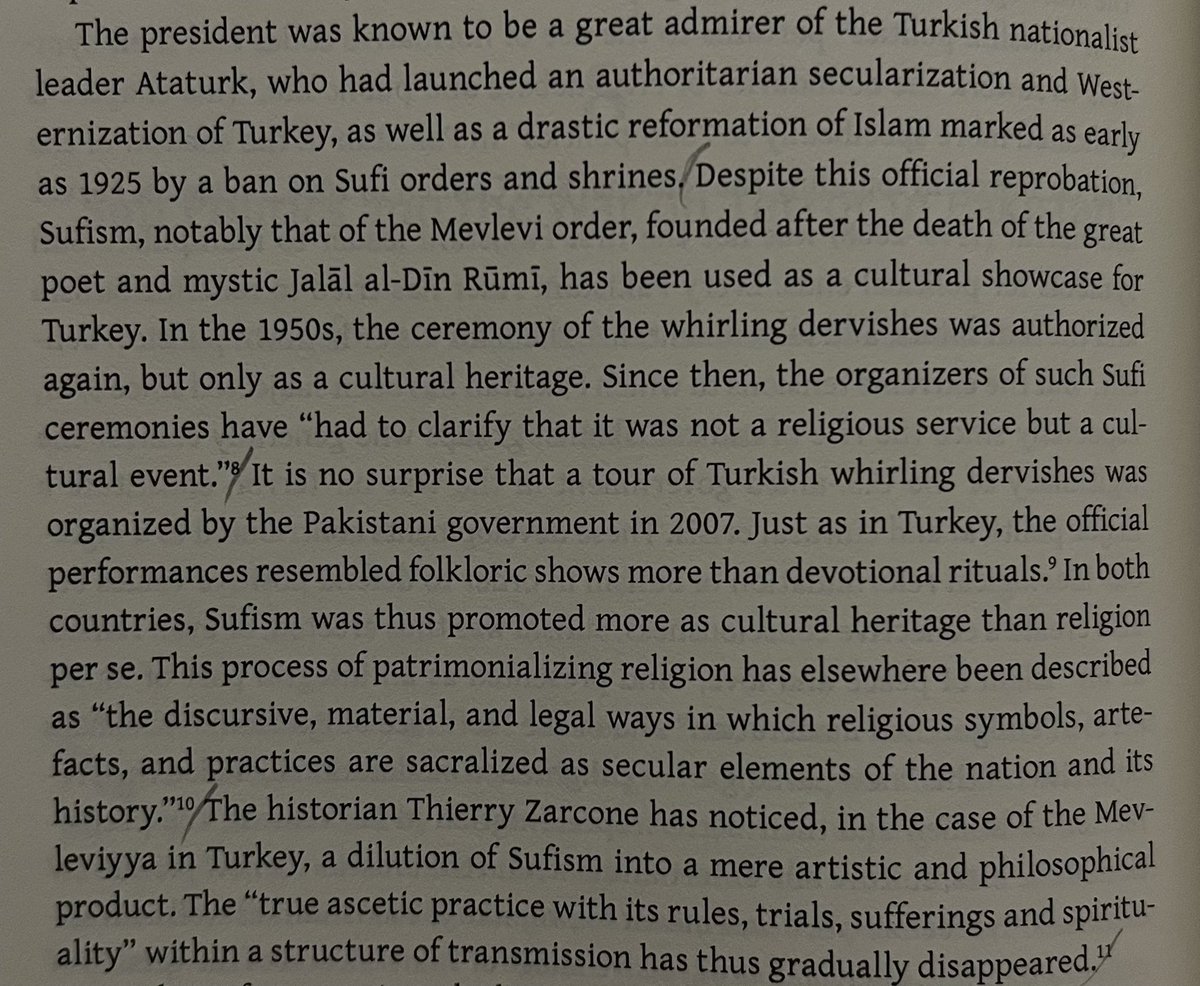
All the councils such as NCS and the directors of these boards formed to promote 'Peace-loving Sufism' by Musharaf's government were westernised pacifist, for whom islamic mysticism was nothing short of laymen perennialism.
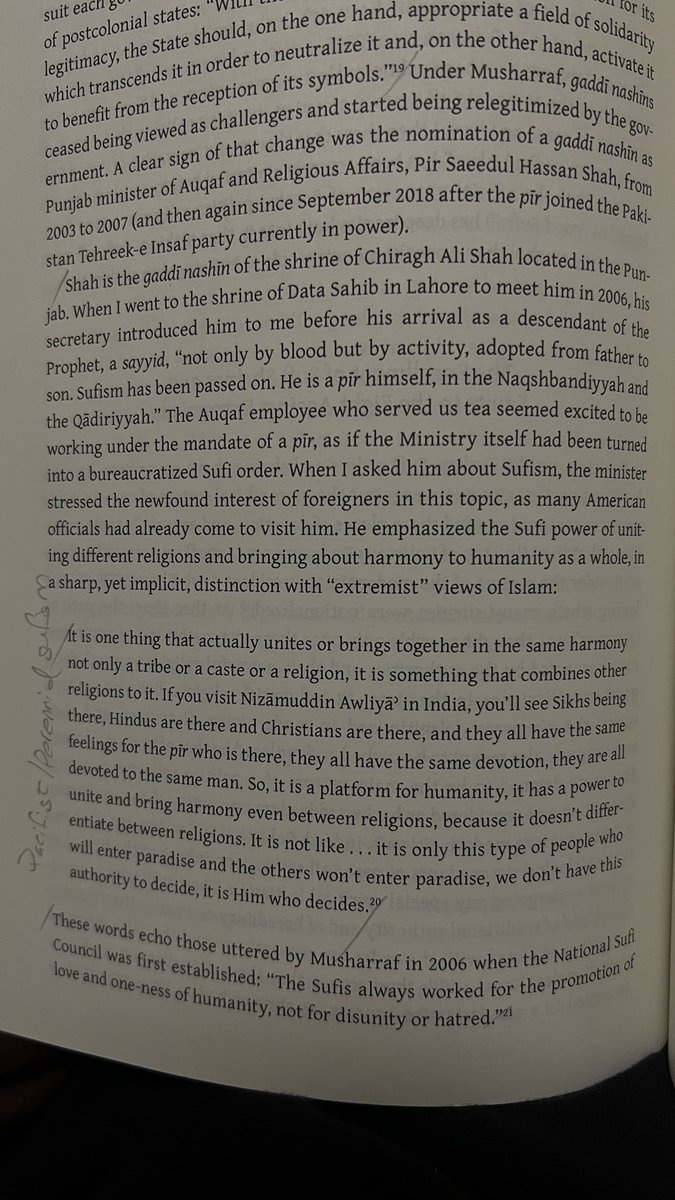
Such an absurd understanding of sufism nationalised by these political regimes was so obviously disconnected from Tasawwuf
of the books of awliya that it was immediately recognised by those familiar with actual philosophy of ihsan.
of the books of awliya that it was immediately recognised by those familiar with actual philosophy of ihsan.
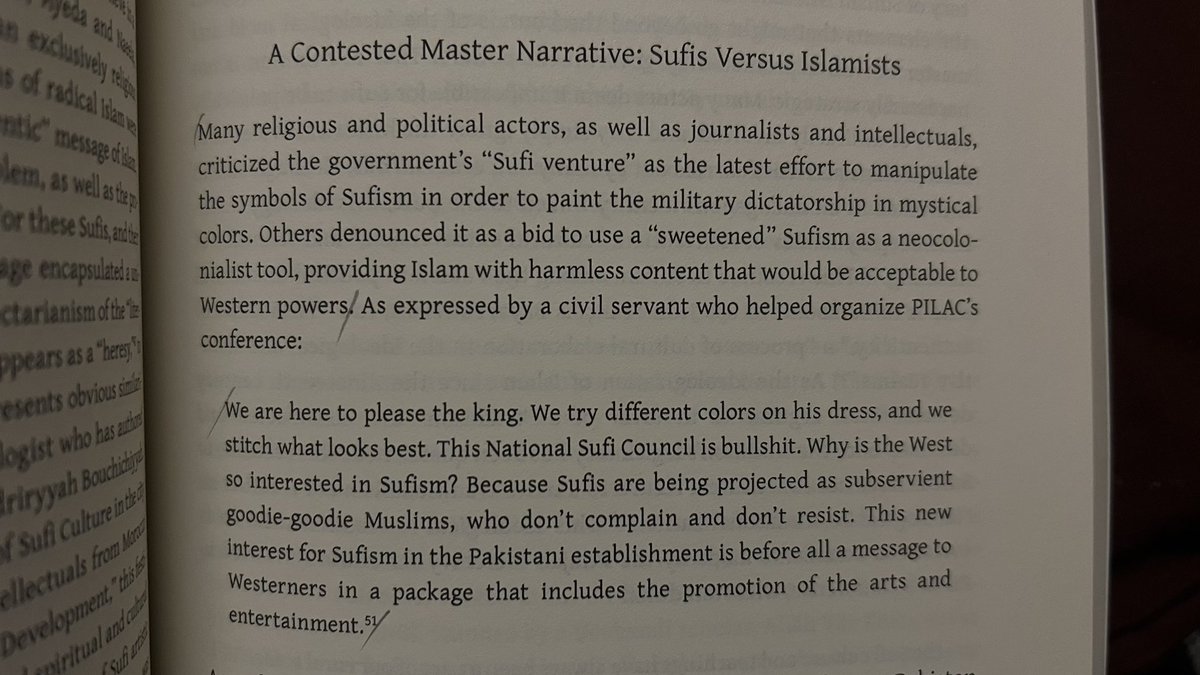
As the author points out, the western authorities in their vision to exploit the beautiful islamic science of ihsan, misinterpreted history of sufism and the lives of early sufis, which was surprisingly welcomed by leaders of the Muslim states to legitimise their own role as
the only source of socio-legal power in a state that ironically claimed to be built on the socio-legal power of Quran and Sunnah.
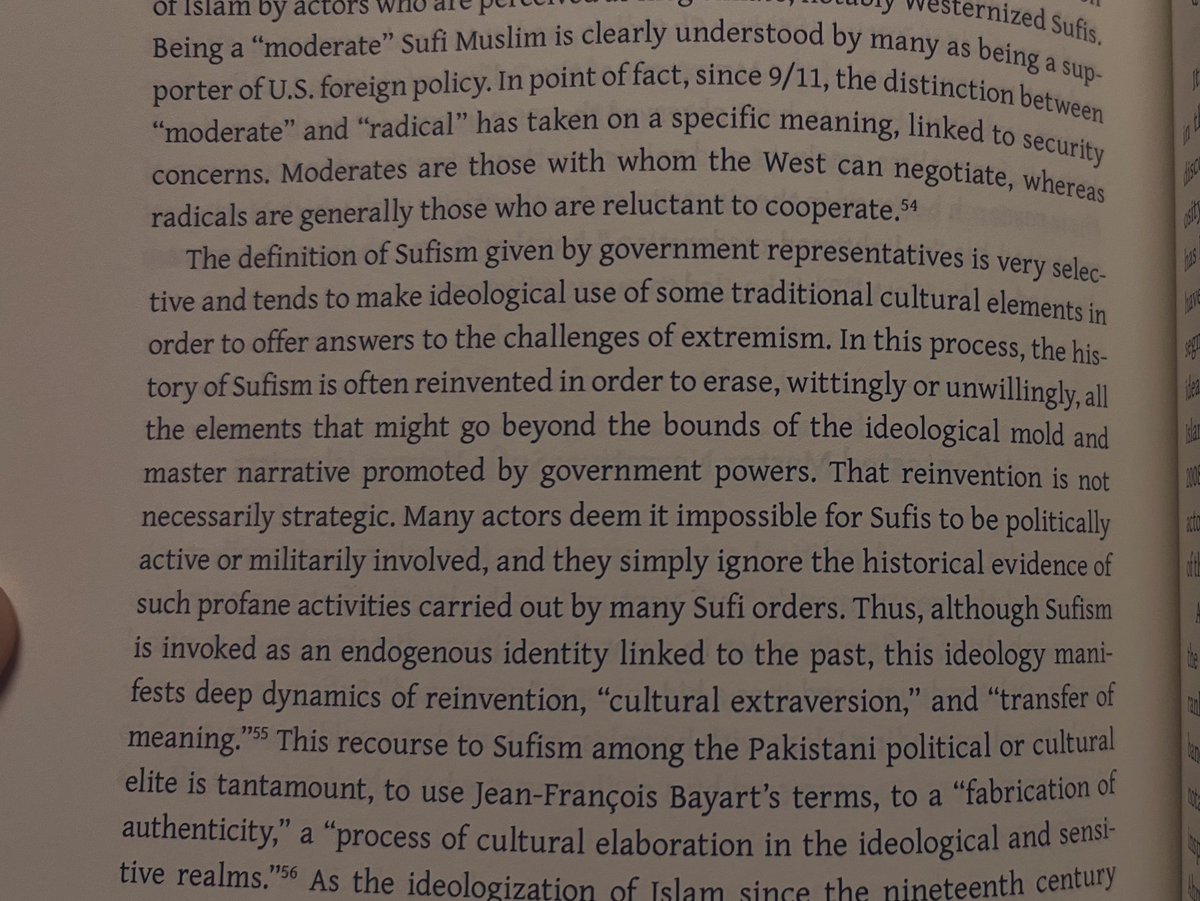
Most of the leaders preferred therefore a Sufi approach to Islam, since it appeased the western puppeteers and because they misunderstood sufism as a pacifist & an absolutely non-political/militant ideology, propagation of which would keep the masses focused on esotericism rather
than mingle religious law and framework to critique the authoritarian regimes.
The author pinpoints at multiple instances the west's inability to truly understand sufism in its actuality, for some reason all the events and sufi personalities that fought colonialism were overlooked by the orientalists while examining the muslim world.
Sufism (ihsan) i.e. the inner law, since its dawn has been closely linked with Islam i.e. outward law and efforts against tyranny and injustice - Hassan al-basri, Abdullah ibn Mubarak to Ibrahim Adham, all were fully active in the socio-political scene.
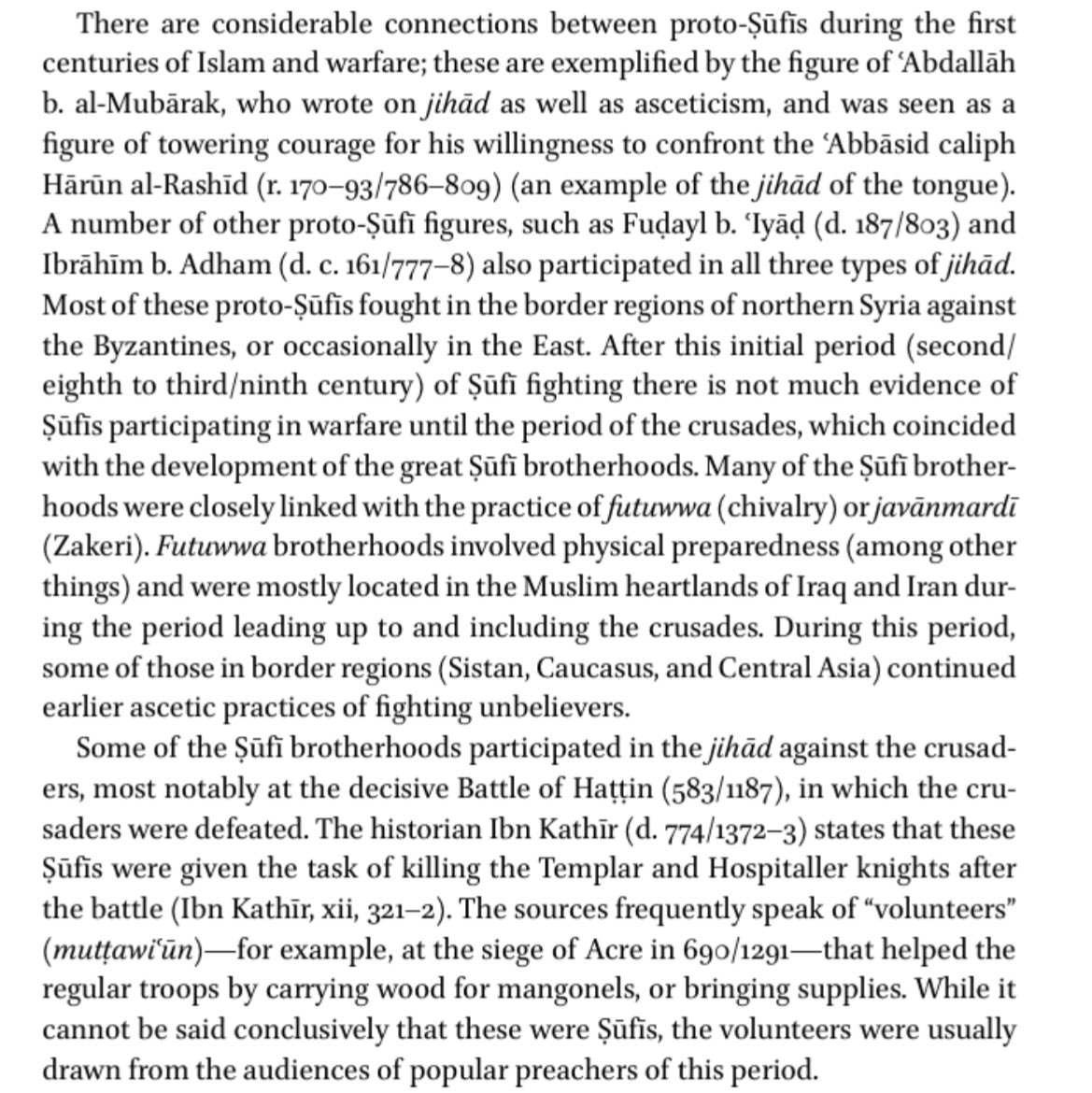
It's truly mind blowing how the 'seasoned' western academics funded by the Rockefellers missed the cases of sufis like Omar Mukhtar and Imam Shamil of Dagestan while shaping their narrative of what sufism has been.
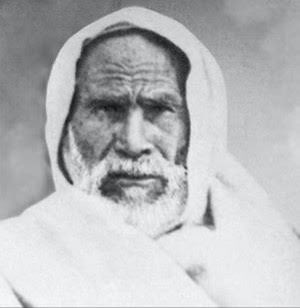
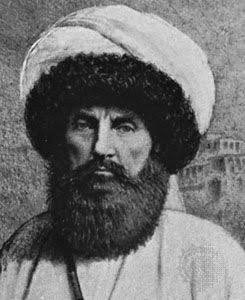
Or maybe they were as insincere in their research as they were classist and racist.
The most famous of sufis, "the enemy of mathematics" Al-Ghazali was as involved in the political scene and advising the sultan and government officials, as any vizier.
ghazali.org
The most famous of sufis, "the enemy of mathematics" Al-Ghazali was as involved in the political scene and advising the sultan and government officials, as any vizier.
ghazali.org
جاري تحميل الاقتراحات...