

Women Reservation Bill & it's conflict with Quran
Thread:
Thread:
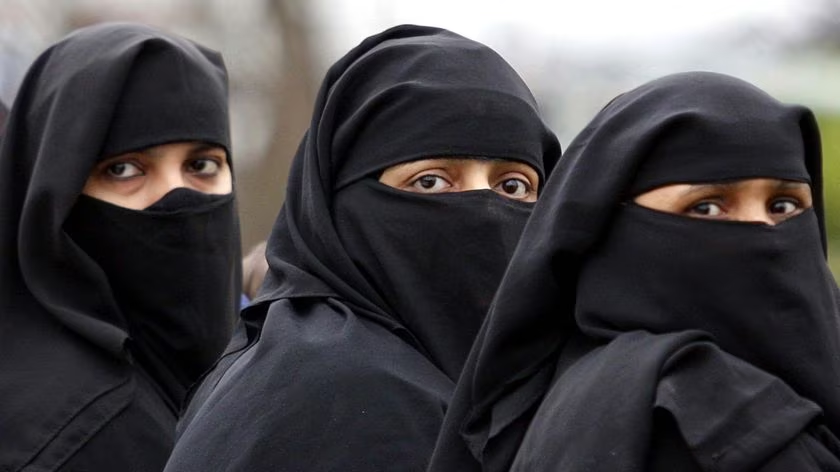
The Women’s Reservation Bill has been passed but certain communities are opposing this historic move. Diving into their teachings clarifies the reason for such protest. The Quran contains verses that have been interpreted in ways that perpetuate gender bias and inequality.
/1
/1
It's essential to examine these interpretations critically and question their impact on women's lives, specially as Muslim political parties deem it unecessary to allow women to participate in a society.
/2
/2
Let's start with Surah 4 An-Nisa, Ayat 34-35: "Men are the protectors and maintainers of women...if they become obedient, do not seek means of annoyance against them." This verse has been used to dominate and subjugate Muslim women. It has been used to justify male authority over women.
/3
/3
Allah commands unequal inheritance shares for men and women in Surah An-Nisa 4:11-14, which inherently disfavors women. This raises questions about gender equality and justice.
/4
/4
A woman's testimony in Islamic jurisprudence counts as half of a man's, as stated in Surah 2:282. This implies a misconception about women's mental abilities and reinforces gender bias.
/5
/5
Surah 4:34 allows husbands to hit their wives if they fear rebellion, further perpetuating a patriarchal and violent dynamic within relationships.
/6
/6
The Halala practice, which mandates a woman to marry and have sex with another man before reuniting with her ex-husband, is demeaning and inhumane. It compromises a woman's self-respect and autonomy.
/7
/7
Surah 4:3 suggests that mature men can marry prepubescent girls, which raises serious concerns about child marriages and consent.
/8
/8
The Quran, when interpreted can contribute to the objectification and marginalization of women in Islamic societies. These interpretations reinforce gender hierarchies and limit women's freedoms.
/9
/9
Maududi's interpretation of Surah 4:129 acknowledges the inherent inequality among wives but advises against abandoning them entirely. This reflects the challenges women face within polygamous marriages.
/10
/10
Hadiths like the one in Hadith 6:298 normalize behaviors that may be seen as problematic from a gender equality perspective. These narratives shape societal norms and attitudes.
/11
/11
The Quran and Shariah laws often restrict and terrify Muslim women, depriving them of control over their bodies, minds, wills, and preferences. Muslim women face significant challenges within Islamic legal frameworks that restrict their autonomy and decision-making power. This affects various aspects of their lives, from personal choices to legal rights.
/12
/12
In numerous Islamic societies, women often encounter restrictions on their freedom and opportunities. These societal norms perpetuate gender inequality, creating environments where women's voices are marginalized.
/13
/13
It's time for change. Muslim women should stand up and refuse to be bullied, demanding equality, an end to polygamous marriages, and abolishment of practices like Triple Talaq.
/14
/14
Seeing how the position of women is worse than animals, it is but expected that their participation in areas of politics will be met with much resistance from the Muslim men!
/15
/15
جاري تحميل الاقتراحات...