

THREAD, on the ANNEXATION of the ERSTWHILE HYDERABAD State to India.
Today marks 75 yrs of Operation Polo, the military action that annexed the Hyd state to India on 17 Sept 1948. I want to talk about the lesser known part of it: the CPI-led Telangana Peasant Rebellion.
(1/n)
Today marks 75 yrs of Operation Polo, the military action that annexed the Hyd state to India on 17 Sept 1948. I want to talk about the lesser known part of it: the CPI-led Telangana Peasant Rebellion.
(1/n)

The Hyd state's last Nizam was Osman Ali Khan (1911-48). He refused to join India or Pak after independence in 1947, after which #OperationPolo , a military action was set forth to annex the state. It ran parallel with a peasant uprising in #Telangana & ended in bloodshed
But first a little background. It was a multi-lingual state, with a 12% Muslim population, and 85% Hindu population. Close to 50% were native Telugu speakers, 25% native Marathi, about 12% native Urdu and Kannada speakers
Long before 1947 itself, there was a lot of peasant unrest
Long before 1947 itself, there was a lot of peasant unrest

Osman Ai Khan was the world's richest man in the 1930s. His wealth came from tax collections from farmers. In Telangana esp, there was extreme oppression by state-appointed Jagirdars (landlords) or revenue collections, whose main task was to collect revenue (taxes and rent).
While the state was relatively peaceful, the issue of peasants was largely ignored.
Much before the armed struggle,the Majlis-e-Ittehadul Muslimeen was founded in Hyderabad around 1927 by Mahmud Nawaz Jung,a retired govt man (some books say 1929).
Much before the armed struggle,the Majlis-e-Ittehadul Muslimeen was founded in Hyderabad around 1927 by Mahmud Nawaz Jung,a retired govt man (some books say 1929).
Originally founded as a social org,it soon became political and with a motive to maintain the state's Muslim hegemony. By 1947 there would be multiple organisations. There was the State Congress, the CPI, the MIM and later Razakars, the Indian union and the Arya Samaj.
Bahadur Yar Jung,a powerful orator,took controlThe aim was to ensure that Hyderabad stayed a Muslim-run state. Jung was also a friend of Jinnah. Around 1930s, MIM's constitution changed to 'An-al-Malik'(we are the kings) - sovereignty now rested not the Nizam, but with Muslims.
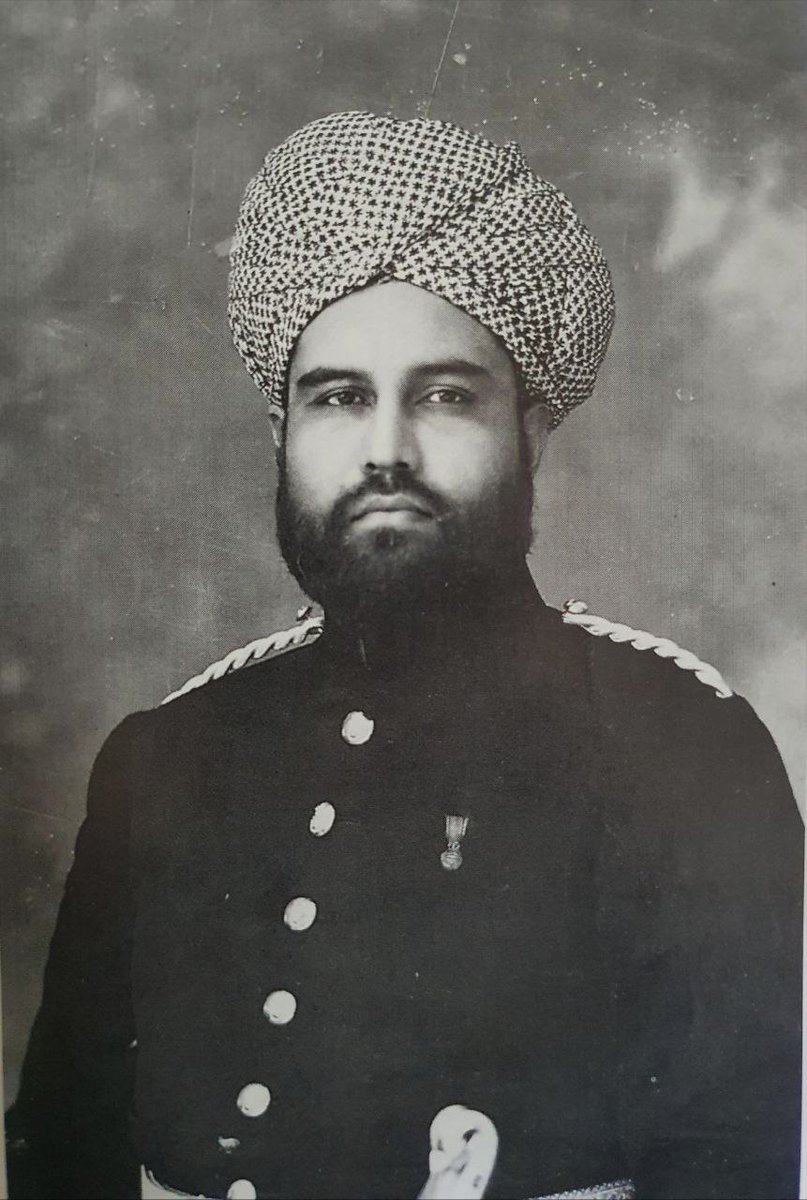
A separate parallel political power emerged in Hyderabad state, in the form of Syed Qasim Razvi, a lawyer from Latur, who took over the reigns of the Majilis-e-Ittehadul Muslimeen (started in 1927) in 1946. He started the militia Razakars. (in pic)
He was a troublemaker
He was a troublemaker
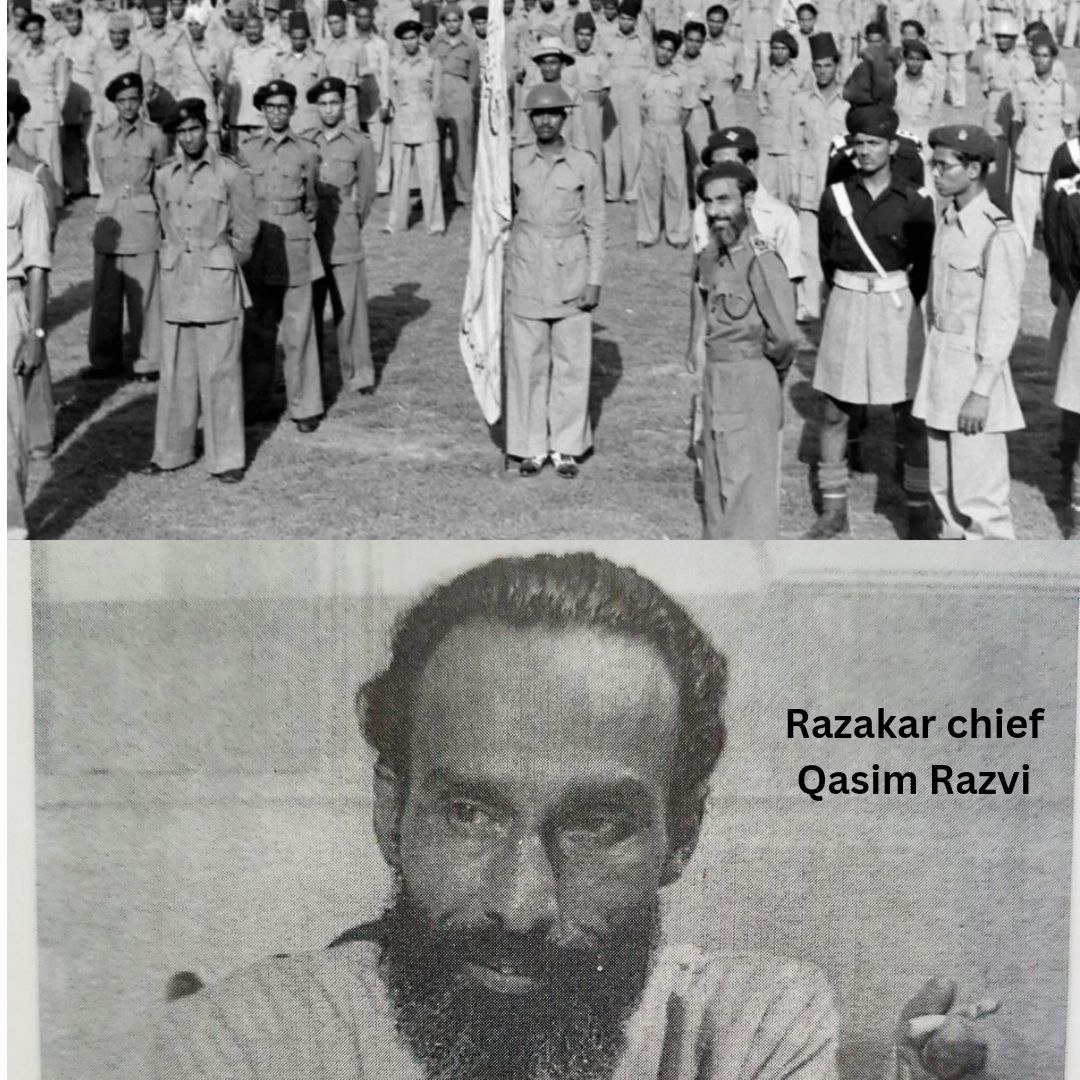
Razvi's fervent stand for Hyderabad's independence & Razakar atrocities, esp against Hindus, are a fact, and also the unfortunate massacre of Muslims in the aftermath of Operation Polo.
You can read about it here.
Now on to the Armed Struggle.
You can read about it here.
Now on to the Armed Struggle.
In Telangana, peasants under the Nizams had been crushed due to extreme feudal oppression. Jagirdars, Desmukhs, and other types of small and big landlords had been exploiting peasants, and also forced Dalits and tribals into bonded slavery (Vetti Chakiri).
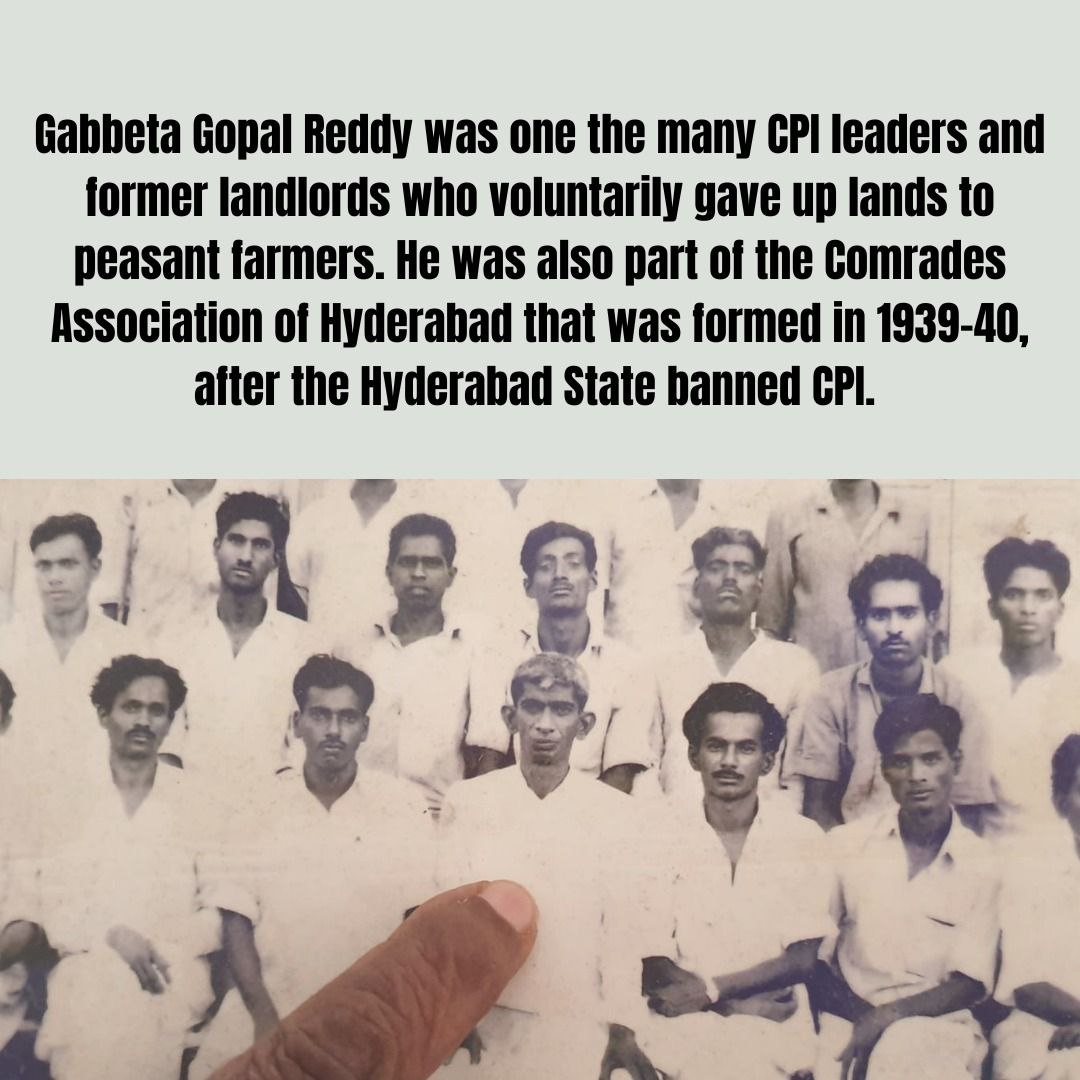
The CPI was initially banned in 1939-40 in the Hyderabad state, and a handful of leaders formed a frontal org called the Comrades Association of Hyderabad. Alam Khundmiri, Jawad Rizvi and others were its initial members. It formed in the Reddy Hostel at Abids
The peasant movement began in 1946 after Chakli (Dhobi) Ailamma, a peasant woman, refused to give up her produce to Visnuru Ramchandra Reddy, known as Visnuru Desmukh. That was the spark that lit the struggle. It was followed by more revolts that would go on unabated.
The death of Doddi Komaraiah in Kadivendi village is also another major incident that gathered peasants and by 1947, a full blown armed struggle was announced by CPI leaders like Raavi Narayan Reddy,Makhdoom Mohiuddin,and others.This would eventually spread all across #Telangana
In fact, the armed struggle was so successful that by mid 1948, for about 12 to 18 months, entire administration in about 3000 villages between Nalgonda Warangal and Khammam districts was taken over by the CPI which organised Gram Raj, or self rule.
The revolt was successful
The revolt was successful
This is something that even Syed Ahmed El-Edroos, the last commander of the #Hyderabad State Army accepts in his book. He pretty much concedes that the CPI's own intelligence network was far superior to the state's own.
The rebellion was successful due to support in villages.
The rebellion was successful due to support in villages.

More importantly, one forgotten aspect is that the Razakars were in fact used by the state to attack and fight with the communist-backed defence militias in the rural areas of Telangana.
The revolt was successful because a majority of the Hyd state was used for taxes
The revolt was successful because a majority of the Hyd state was used for taxes
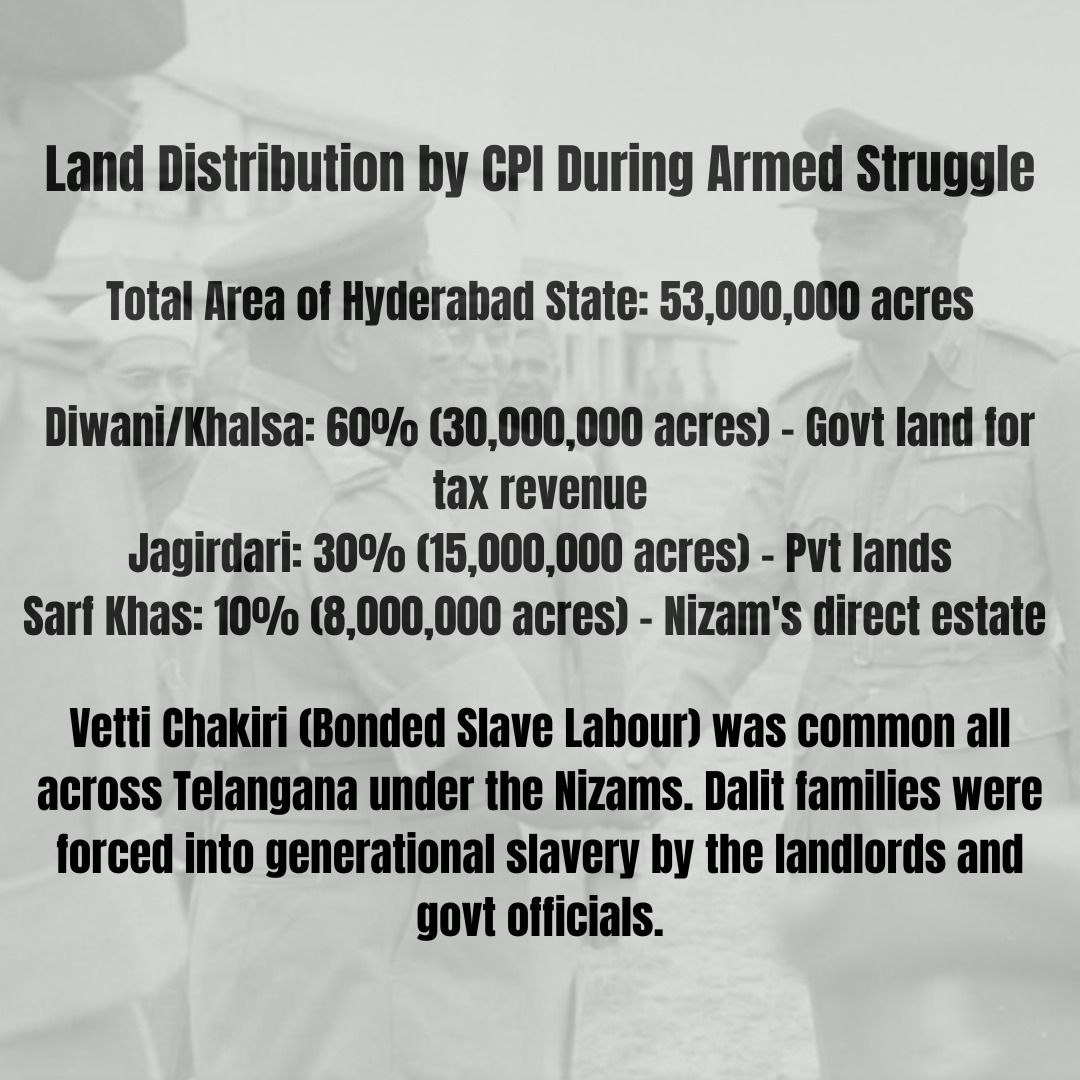
The Nizam himself had directly owned 10% of the state’s lands, while 60% of it were revenue lands (Diwani), and 30% were under the landlords. In Sept 1947, a call for armed resistance was given by Ravi Narayan Reddy, Makhdoom Mohiuddin and Baddam Yella Reddy of the CPI,.
One thing that even CPI veterans often point out is that unlike in the Marathwada and Karnataka regions where thousands of Muslims were killed post Operation Polo, this did not happen in the Telangana region thanks to the CPI's leadership.
To give you an idea of bonded labour, apart from Dalits who were forced to work for free, certain Backward Class communities were forced to carry on their shoulders men and women of landlord families on their backs from one village to another
Similarly, washermen forced to wash clothes and vessels in the houses of landlords and village officials.
The WORST was feudal landlords keeping girls as concubines, who were given along with their daughters in marriage to serve them in new homes.
THIS was reality of Telangana
The WORST was feudal landlords keeping girls as concubines, who were given along with their daughters in marriage to serve them in new homes.
THIS was reality of Telangana
The 4 largest and notorious landlords and their lands were:
1. Visnur Desmukh - 40,000 acres in Nalgonda dist
2. Surypet Desmukh - 20000 acres
3. Jannareddy Pratap Reddy - 1,50000 acres
4. Kalluru Desmukh - 1,00000 acres>
Vsinur was quite possibly the worst of them
1. Visnur Desmukh - 40,000 acres in Nalgonda dist
2. Surypet Desmukh - 20000 acres
3. Jannareddy Pratap Reddy - 1,50000 acres
4. Kalluru Desmukh - 1,00000 acres>
Vsinur was quite possibly the worst of them
It is said that Visnuru Ramchandra Reddy would forcibly seize lands from tenants and peasants and basically everybody living around him would be living in fear.
There is also the story of how a new born died after her mother was not allowed to feed him after birth
There is also the story of how a new born died after her mother was not allowed to feed him after birth
Almost a year after signing the Standstill Agreement on 29 Nov 1947 to negotiate, things however remained unchanged and the Indian army was sent on Sept 13, and 5 days later it ended with the state's annexation.
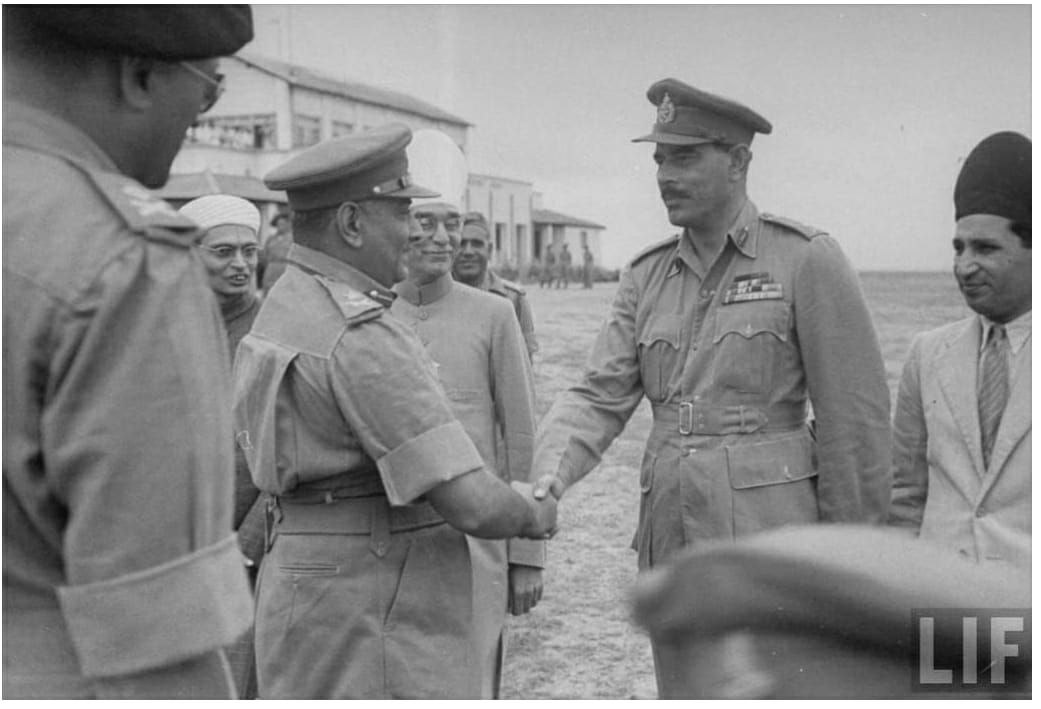
El-Edroos realised it was futile and surrendered. This is him.
El-Edroos realised it was futile and surrendered. This is him.
The CPI leadership however was split. While leaders like P Sundarayya wanted to continue, others from Telangana like Ravi Narayan Reddy wanted to end it and discuss terms with the Indian govt. However it continued all the way till 1951.
For 3 years, the army stayed back.
For 3 years, the army stayed back.
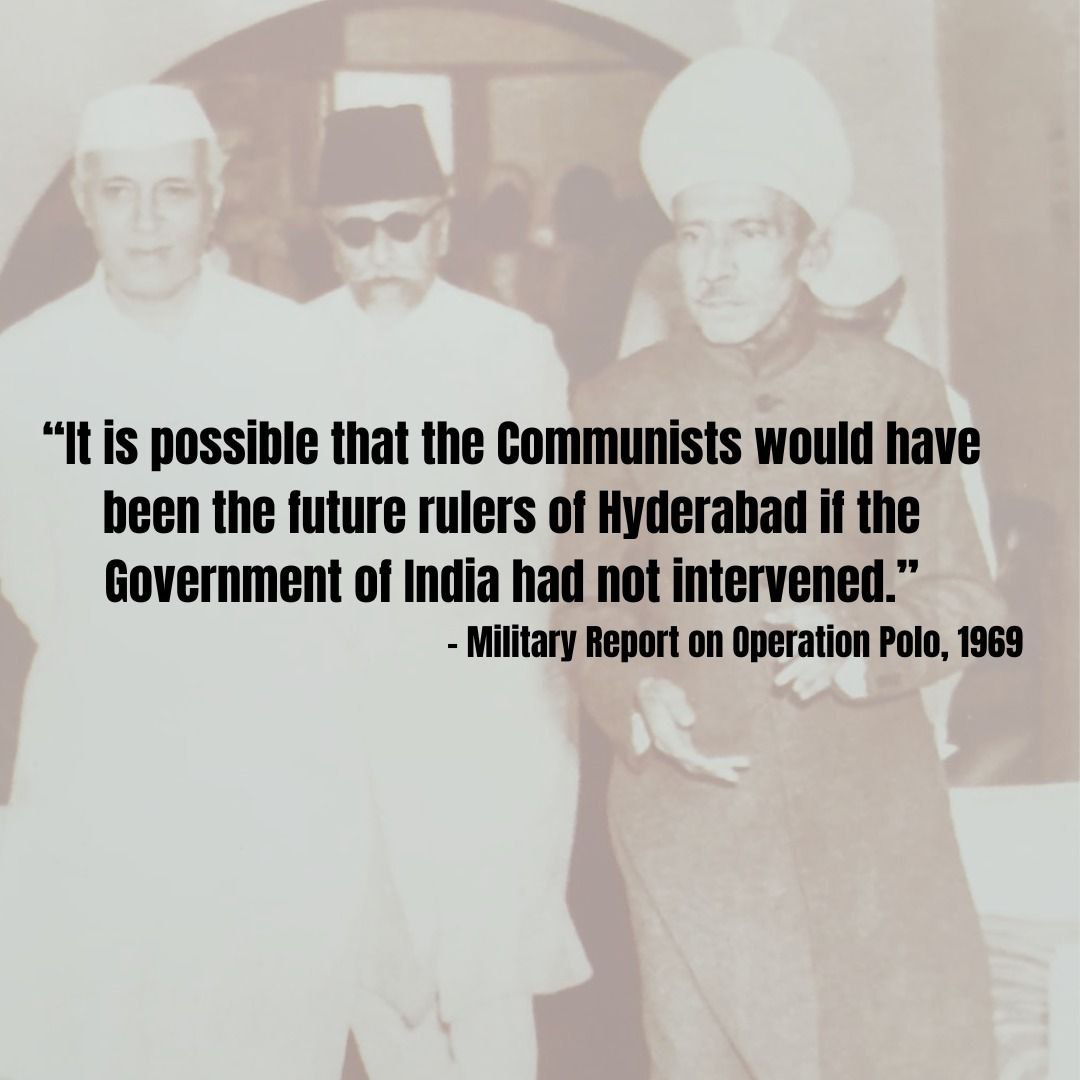
In a review later in 1969, a military study of the event stated that it was possible that the Telangana region would have been taken over by the communists.
This was how powerful it was. Today we have forgotten that Telangana's land reform happened only due to the CPI
This was how powerful it was. Today we have forgotten that Telangana's land reform happened only due to the CPI
The Telangana Armed Struggle was called-off on 21 October, 1951. In the general elections, the CPI, in spite of many leaders being jailed, managed to win 42 out of 77 seats in Telangana. The Congress, thanks to seats in MH and KN, formed the state govt then
You can read more about it details, about the entire thing, in an article I wrote last year. Will post more links later.
thenewsminute.com
thenewsminute.com

جاري تحميل الاقتراحات...