

There are 8 Indian classical dance forms recognized by the Sangeet Natak academy & 1 other by the ministry of culture. But what are the forms & what is this list based on? Don’t miss this thread that elaborates this beautiful aspect of your heritage
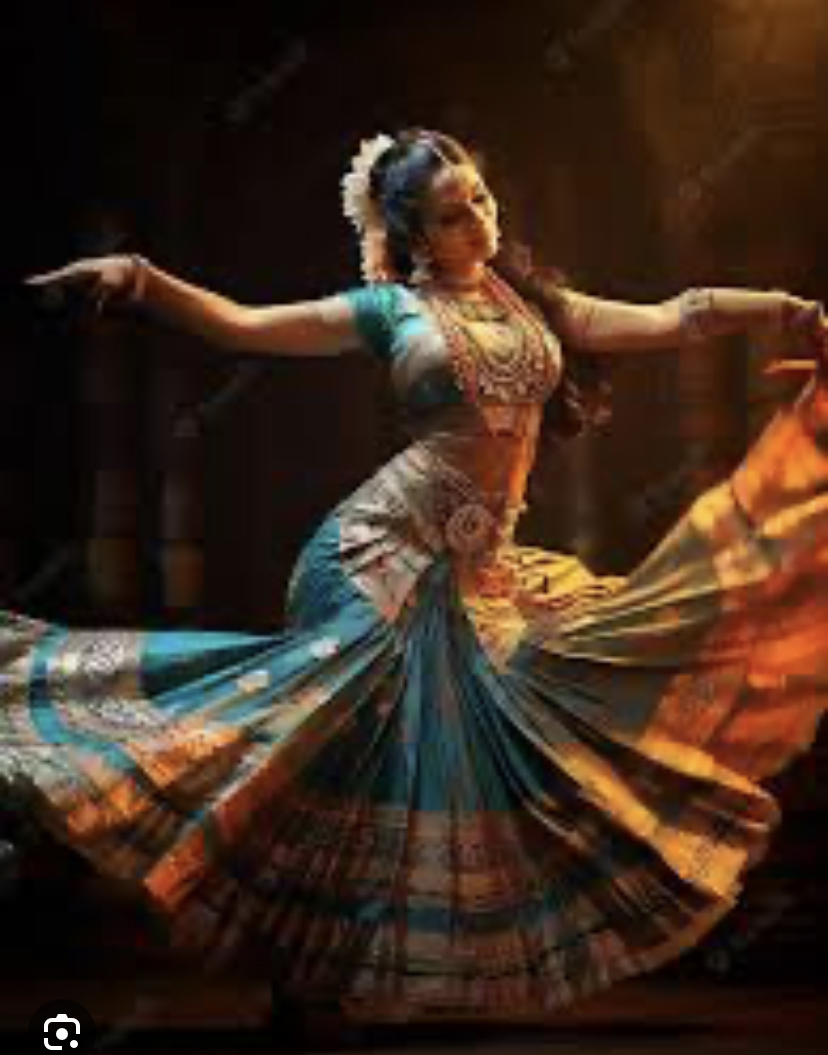
Shastriya Nritya, is an blanket term for different regional dance traditions, the theory and practice of which can be traced to the Sanskrit text Natya Shastra attributed to the ancient scholar Bharata Muni. The first compilation is dated between 200 BCE and 200 CE
Indian classical dances are performed as an expressive drama form of performing arts about pan-Hindu Epics, classical Sanskrit literature, or a folksy entertainment that includes story telling from regional language plays.
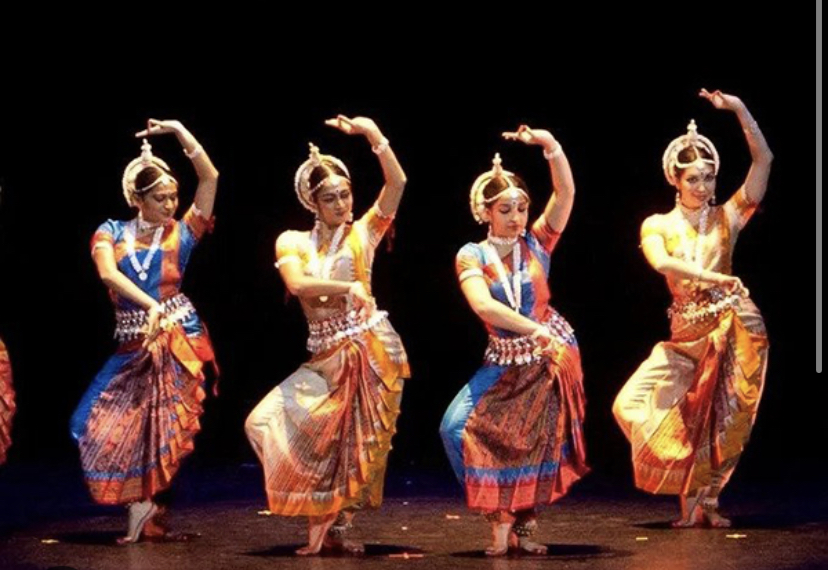
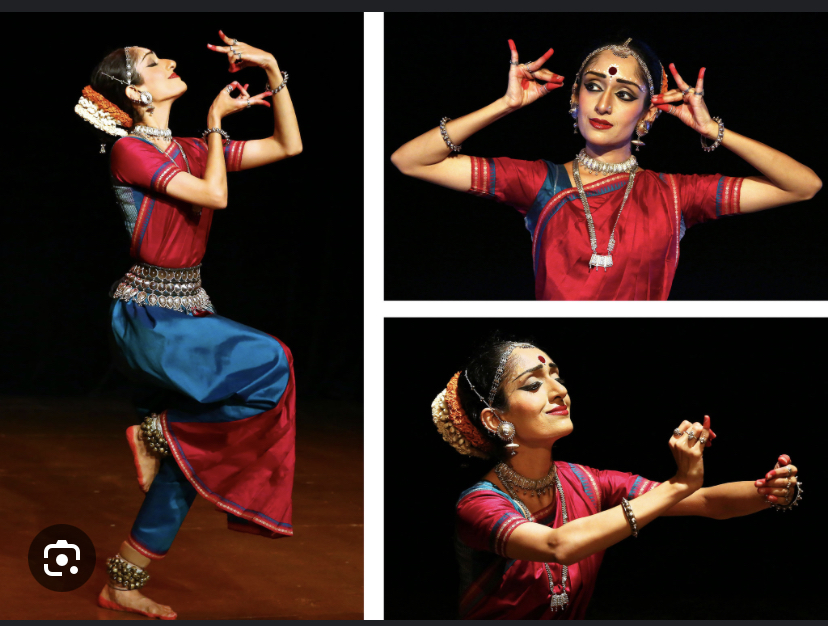
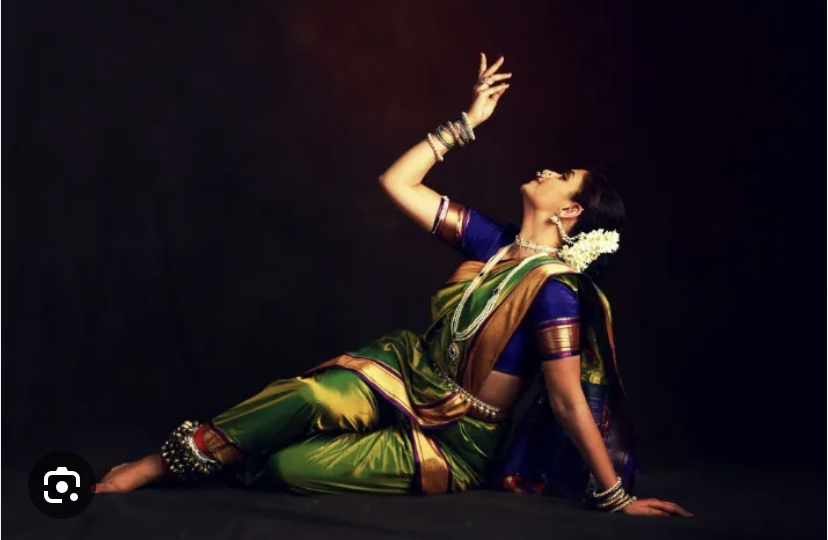
1) Bharatanatyam from Tamil Nadu. The theoretical foundations of Bharatanatyam are found first in Kootha Nool in Tamil. Bharatanatyam contains different types of banis. Bani, or "tradition", is a term used to describe the dance technique and style specific to a guru or school
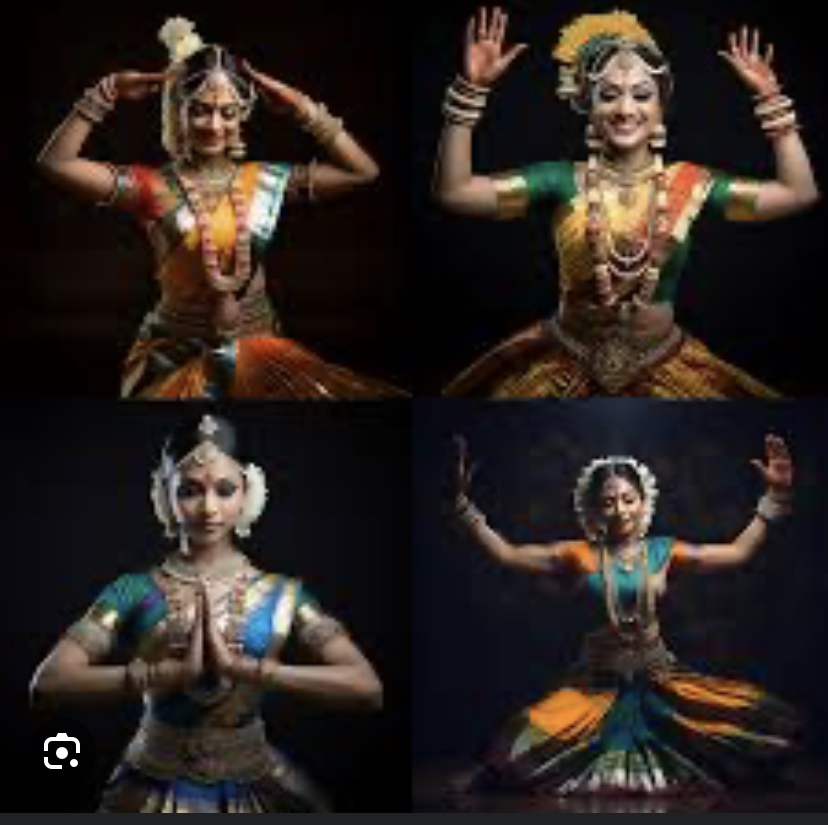
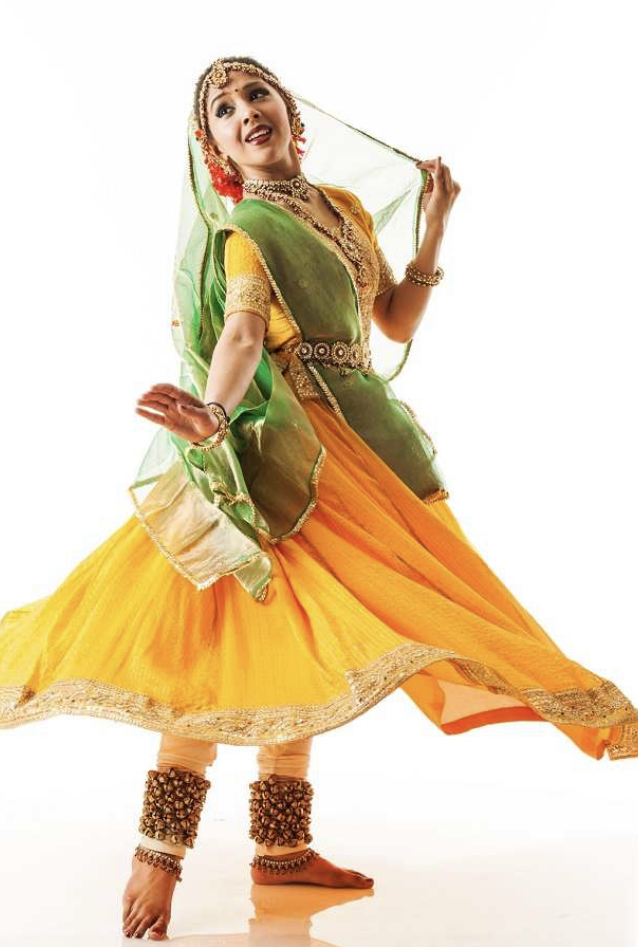
2) Kathak from Uttar Pradesh. The origin of Kathak is traditionally attributed to the traveling bards known as Kathakars (storytellers). Kathak dancers tell various stories through their hand movements footwork, their body movements and facial expressions.
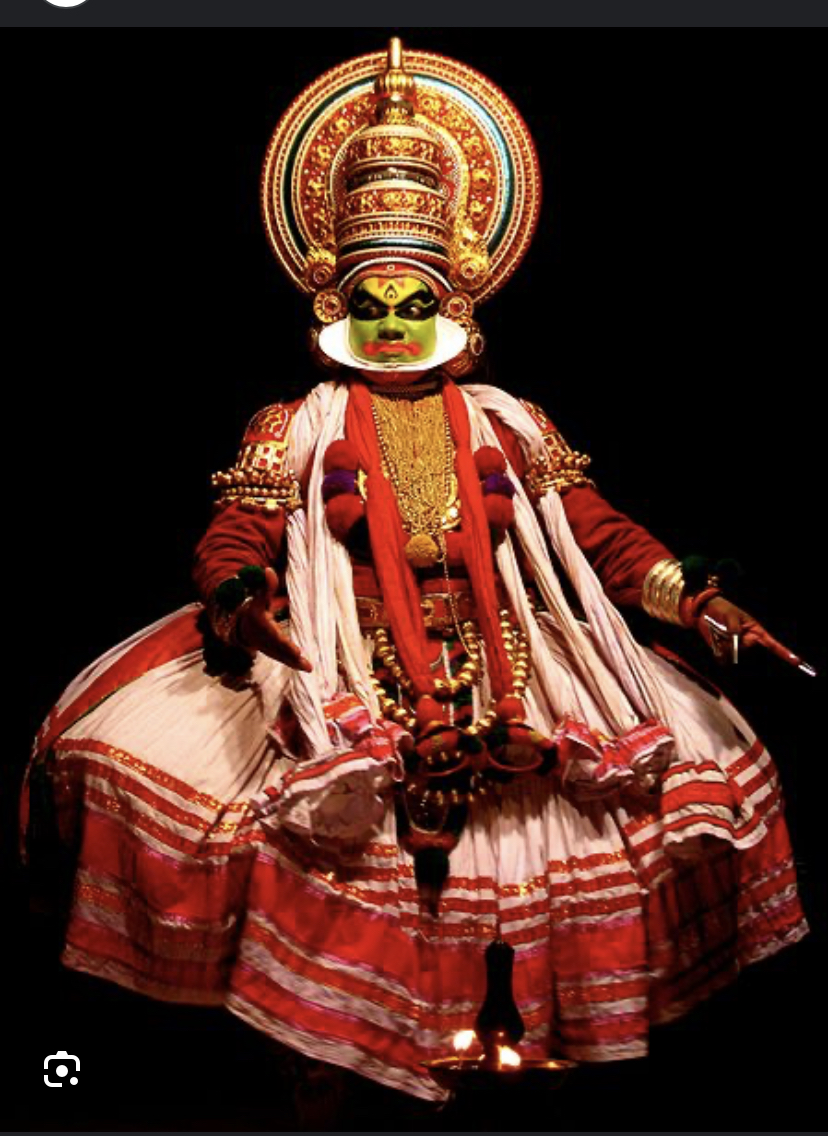
3) Kathakali from Kerala. distinguished by the elaborately colorful make-up and costumes of the traditional male actor-dancers.
4) Kuchipudi from Andhra. The modern version of Kuchipudi is attributed to Tirtha Narayanayati, a 17th-century Telugu sanyasin of Advaita Vedanta but it’s history is much older. The traditional Kuchipudi was performed by all males troupe.

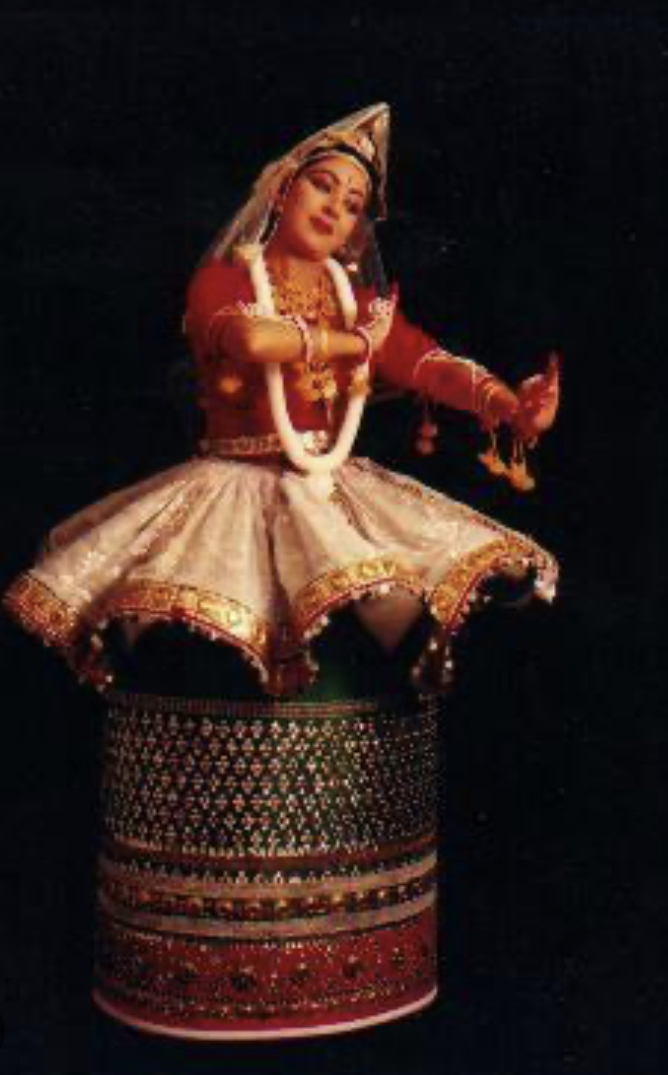
5) Manipuri from Manipur. The dance form is imbued with the devotional themes of Madhura Raas of Radha-Krishna and characterised by gentle eyes and soft peaceful body movements.
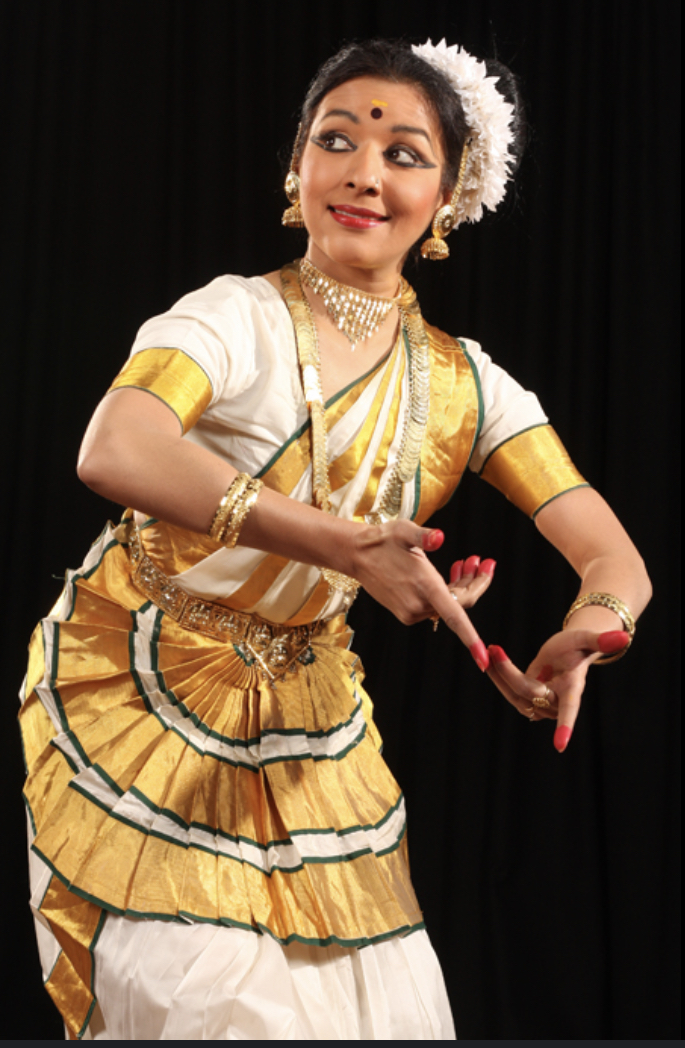
6) Mohiniattam from Kerala. traditionally a solo dance performed by women. In the 18th and 19th century, Mohiniyattam grew as dance arts received patronage of competing princely states. Specifically by Thirumal Rama Varma
7) Odissi from Odisha. expresses religious stories and spiritual ideas, particularly of Vaishnavism through songs written and composed according to the ragas & talas of Odissi music by ancient poets.
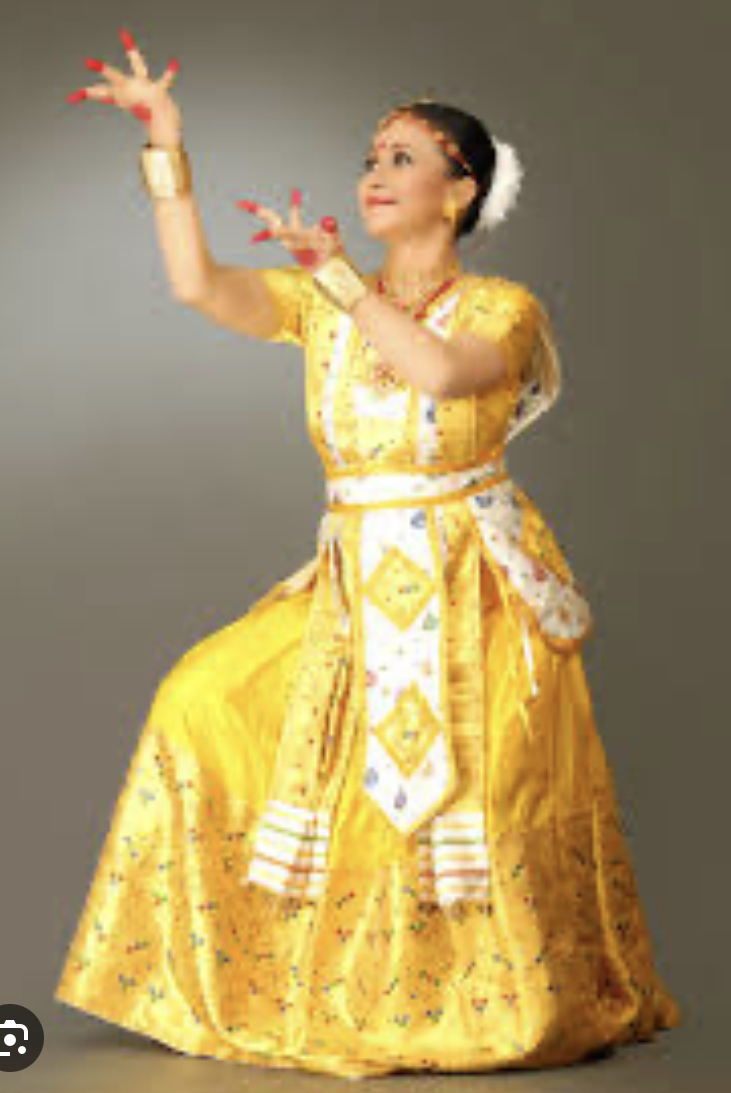
8) Sattriya from Assam. This dance is a part of Bhaona which are performances of Ankiya Nat, one-act plays created by Sankardev, the 15th-century polymath from Assam. These are living traditions of Sattras: communities of devotees belonging to the Ekasarana dharma of Sankardev
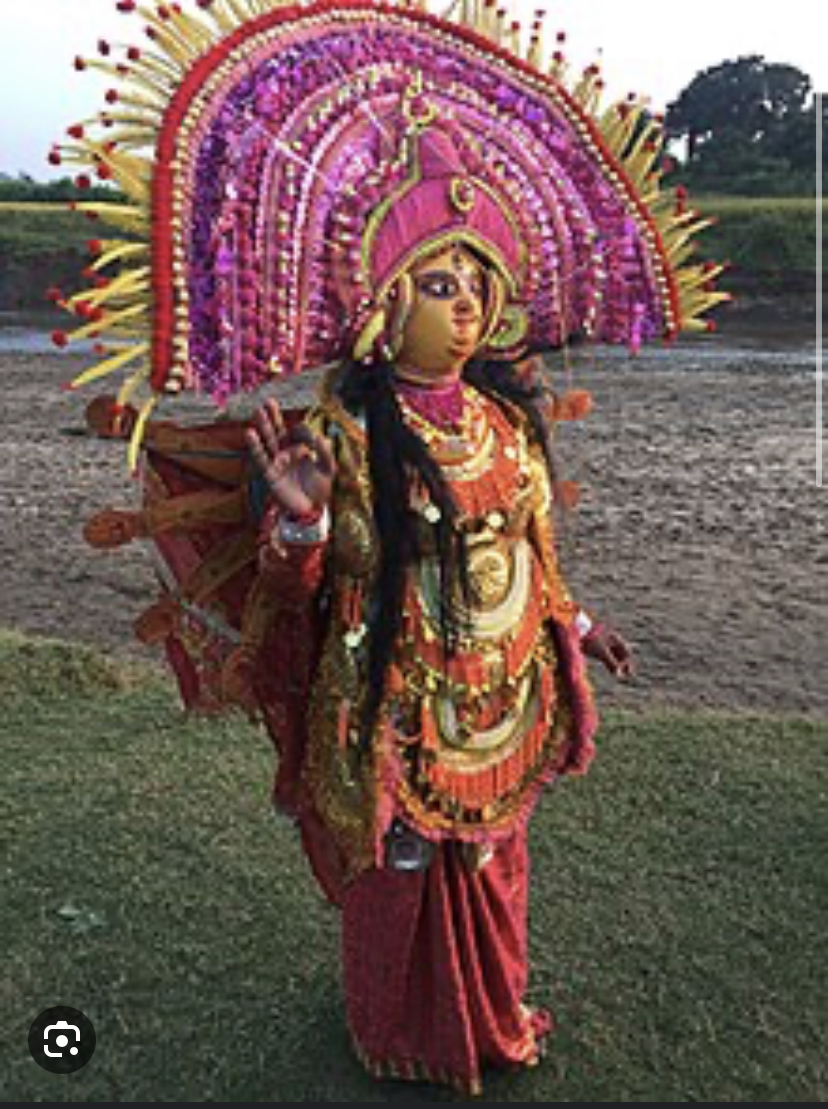
9) Chauu from Bengal/Jharkhand/Odisha. The dance ranges from celebrating martial arts, acrobatics and athletics performed in festive themes of a folk dance, to a structured dance with religious themes found in Shaivism, Shaktism and Vaishnavism.
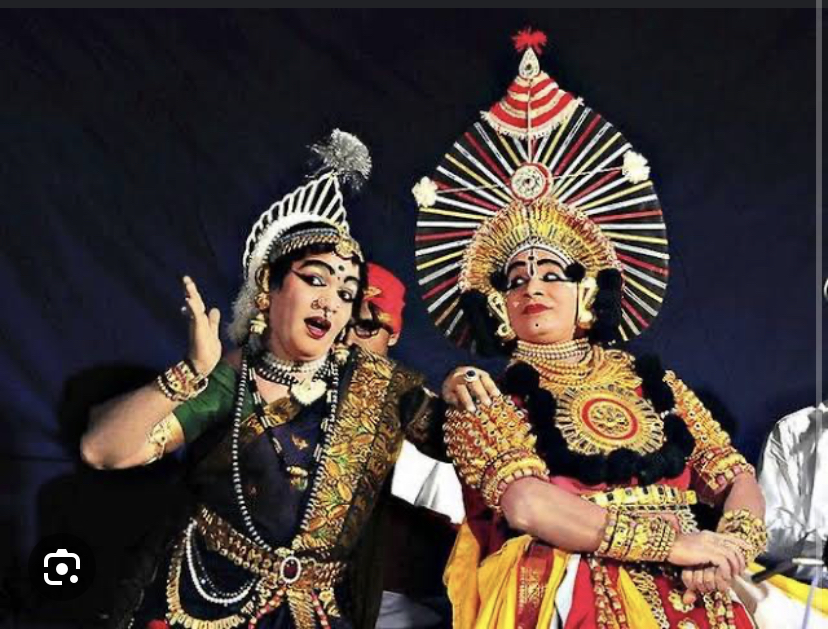
10) Sometimes Yakshagana from Karnataka is also included. It combines dance, music, dialogue, costume, make-up, and stage techniques with a unique style and form. Its stories are drawn from Ramayana, Mahabharata, Bhagavata and other epics
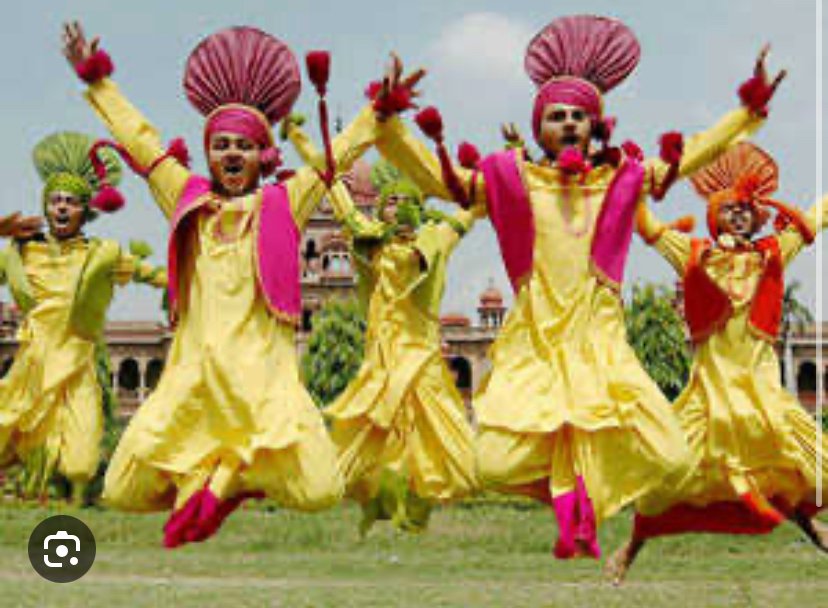
Note that these are only the formally recognized classical dance forms. India has dozens of folk dance forms on which we’ll do a separate thread of the major ones
If you like our threads & find them informative then please help us by 1) subscribing on YouTube 2) following on Twitter 3) sharing about us in your network. Thank you.
جاري تحميل الاقتراحات...