
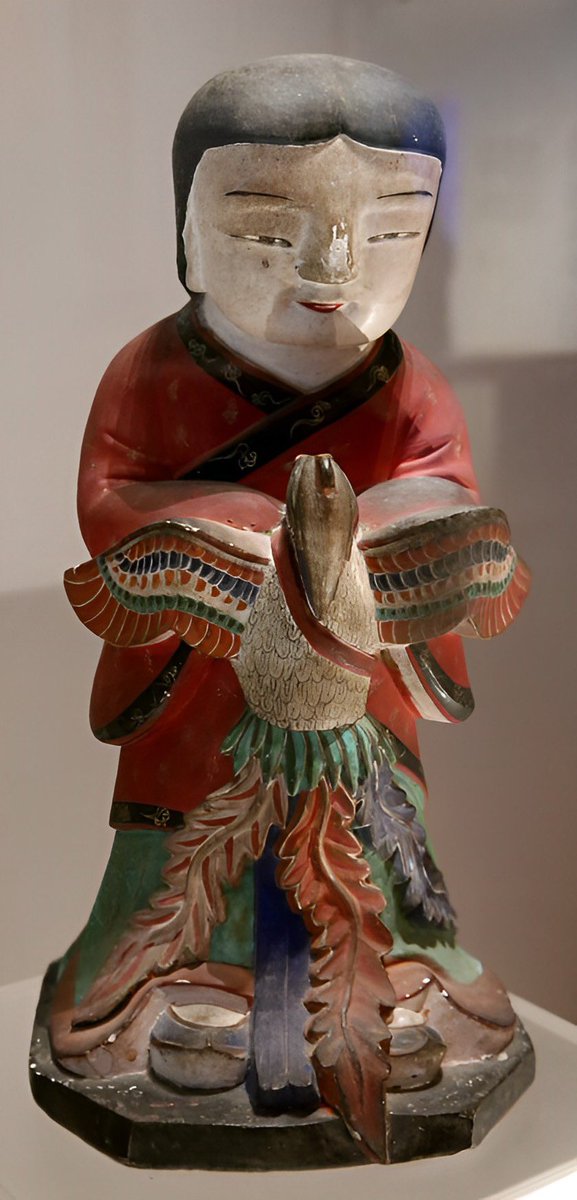
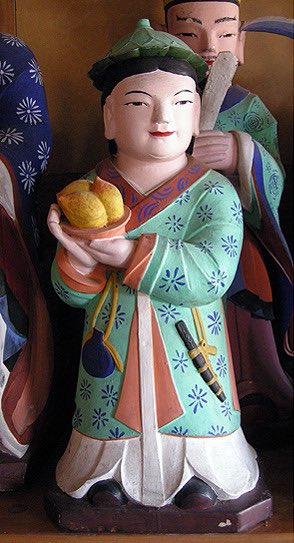
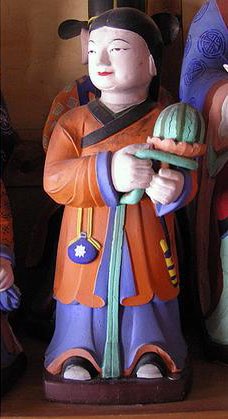
Dongja with phoenixes. In Buddhism, dongja (동자) were boy deity attendants or disciples who personified innocence and purity. These figurines were placed at Buddhist temple altars.
Joseon, 17-18th c.
Left: Okcheonsa Temple
Right: Museum für Ostasiatische Kunst
1/5
#Korea
Joseon, 17-18th c.
Left: Okcheonsa Temple
Right: Museum für Ostasiatische Kunst
1/5
#Korea
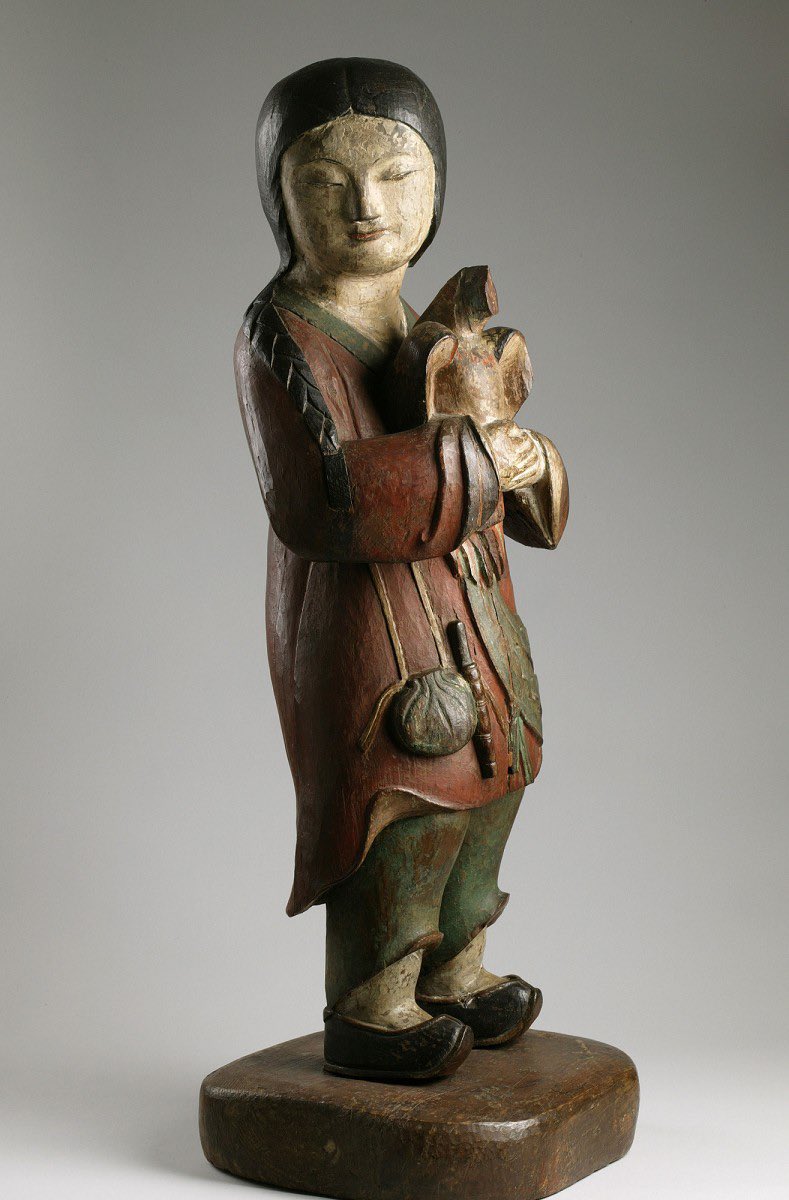
The most important task for dongja, however, was to record the sins and good deeds of people and, upon their death, give a report to one of the "Ten Kings of the Underworld”, who will decide the soul’s fate.
Joseon, 18-19th c. Philadelphia MOA & Harubang Antiques
2/5
#Korea
Joseon, 18-19th c. Philadelphia MOA & Harubang Antiques
2/5
#Korea
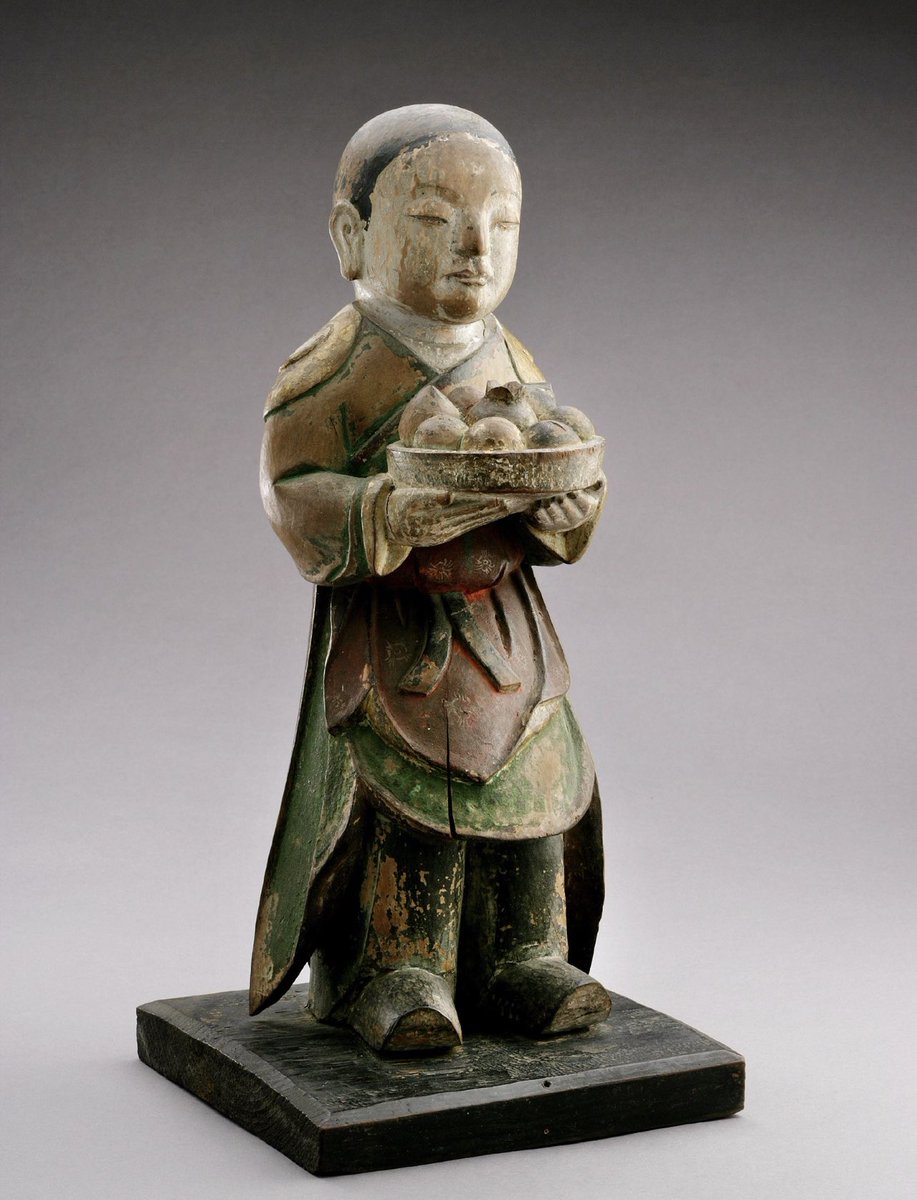
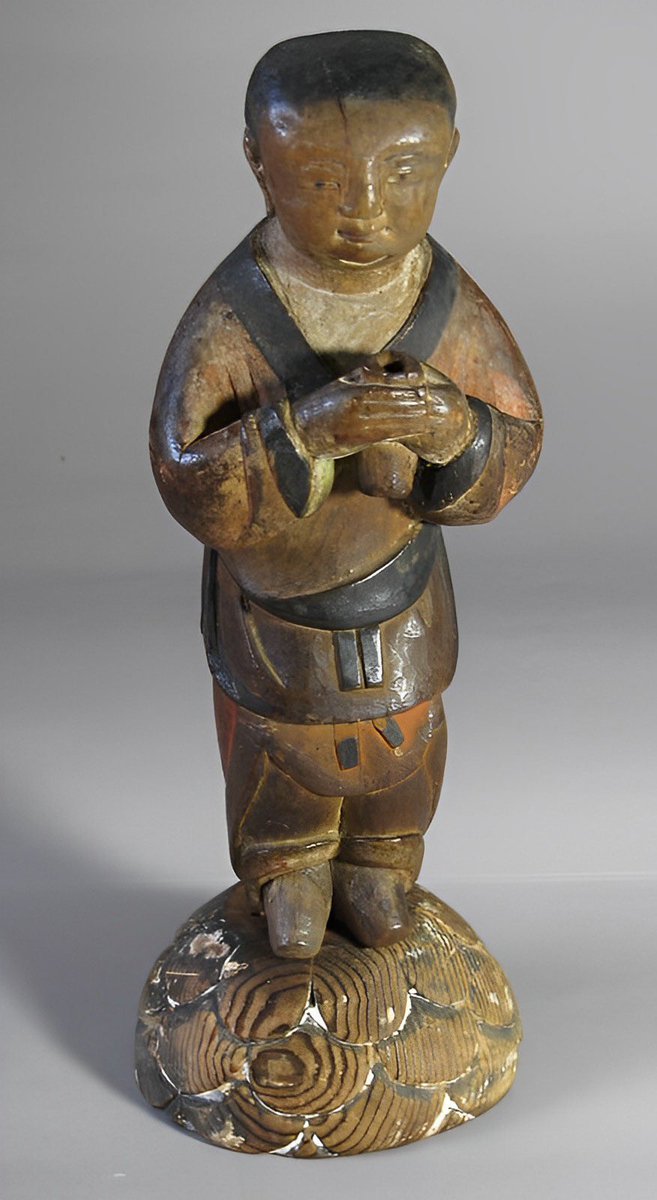
Standing dongja, Joseon, 19th c. Housed at the Saint Louis Art Museum.
Dongja with lotus leaves on head, Joseon, 18-19th c. Housed at the Cheongju National Museum.
3/5
#Korea
Dongja with lotus leaves on head, Joseon, 18-19th c. Housed at the Cheongju National Museum.
3/5
#Korea
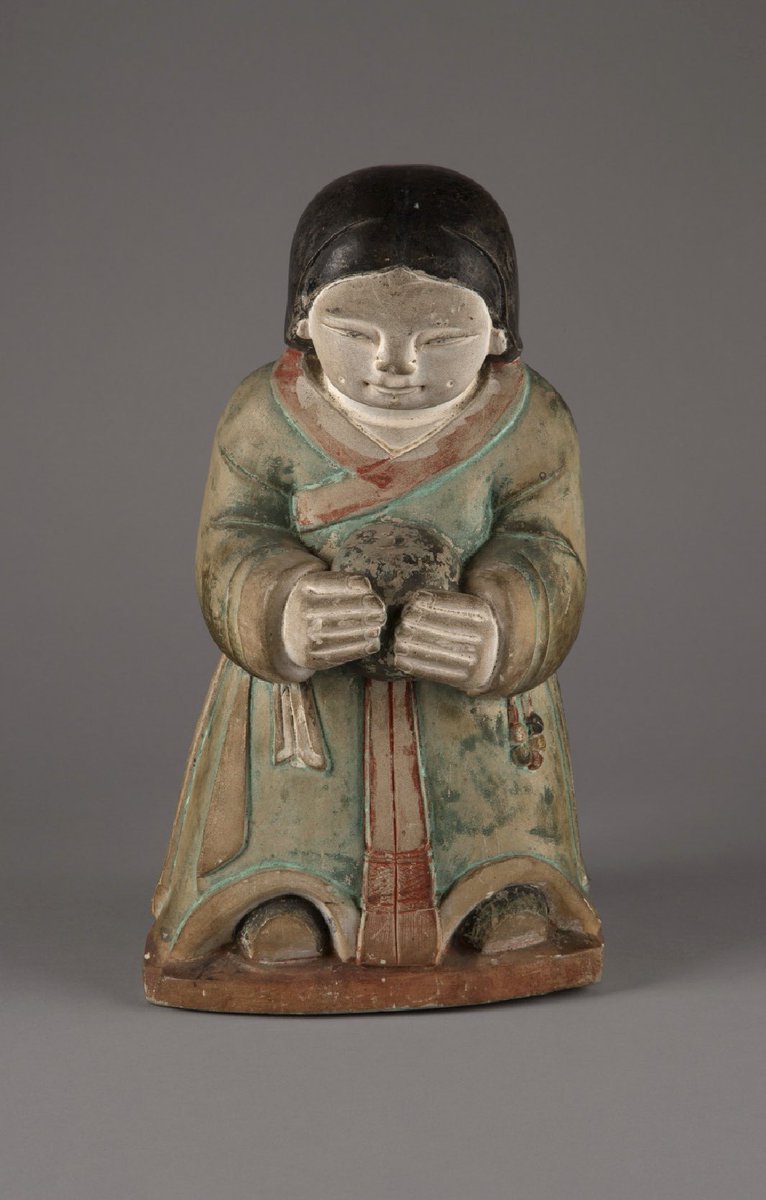
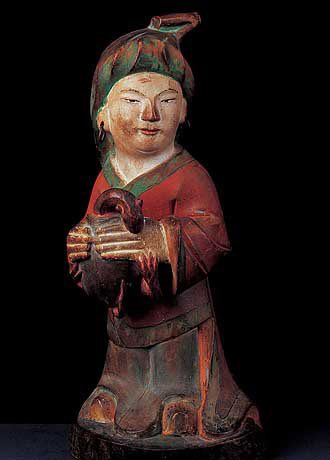
Wooden dongja standing, Joseon 19th c. Sold at auction, Artnet.
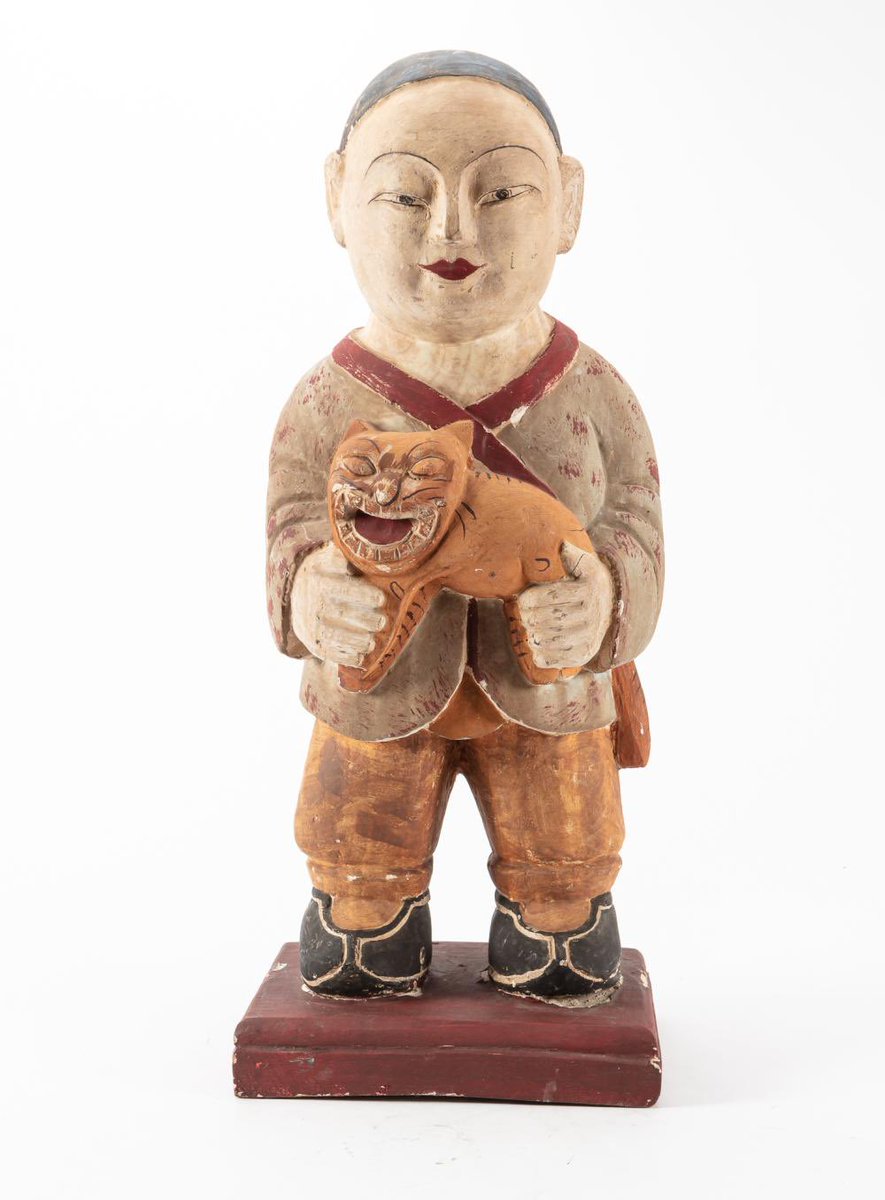
White gesso and polychrome dongja holding a feline. Date unknown. Sold at auction, Andrew Jones Auctions
4/4
#Korea
White gesso and polychrome dongja holding a feline. Date unknown. Sold at auction, Andrew Jones Auctions
4/4
#Korea
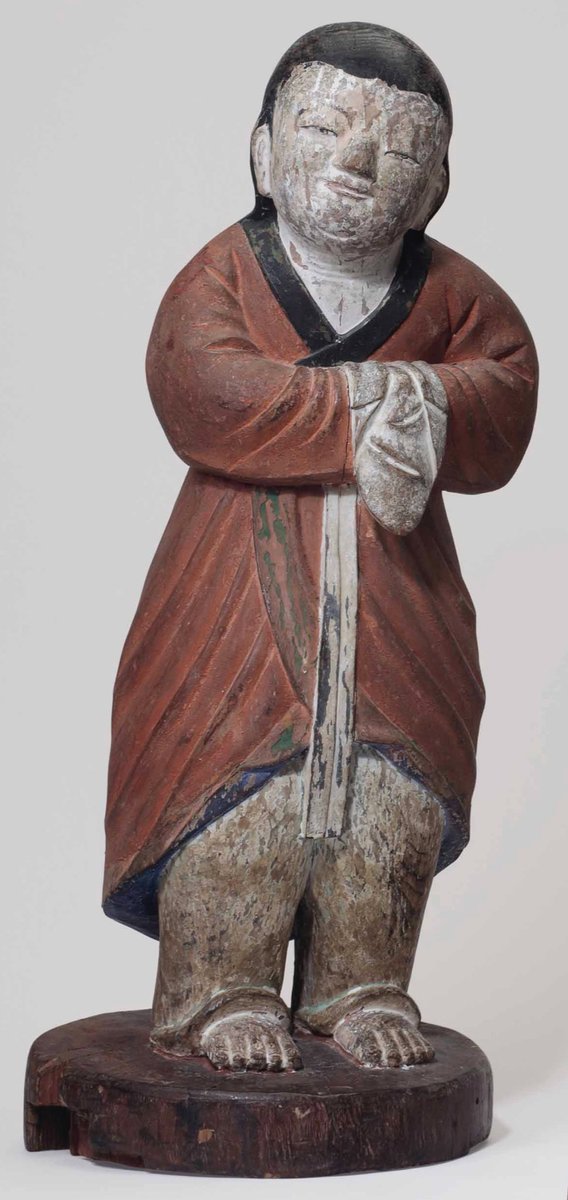
Polychrome stone dongja from Deoksa Temple in Cheongdo, South Korea. Joseon-era, 17th c., more specifically, 1678.
5/5
#Korea
5/5
#Korea
جاري تحميل الاقتراحات...