

Are you familiar with homoglyph attacks? If not, you're not alone.
These attacks have become increasingly rampant in web3 and can cause people to lose their funds to scammers.
Did you know that even Google's sponsored URL links are often linked to homoglyph attacks?
Read on👇
These attacks have become increasingly rampant in web3 and can cause people to lose their funds to scammers.
Did you know that even Google's sponsored URL links are often linked to homoglyph attacks?
Read on👇

In this thread, we'll dive into what homoglyph attacks are, the potential risks they pose, and most importantly, how to protect yourself from falling victim to these attacks.
Walk with me🚶🚶
Walk with me🚶🚶
🔹 What are Homoglyph Attacks:
Homoglyph attacks are a type of phishing attack where attackers use characters that look similar to the characters in a legitimate URL or email address to trick users into clicking on a link or entering their login credentials.
Homoglyph attacks are a type of phishing attack where attackers use characters that look similar to the characters in a legitimate URL or email address to trick users into clicking on a link or entering their login credentials.
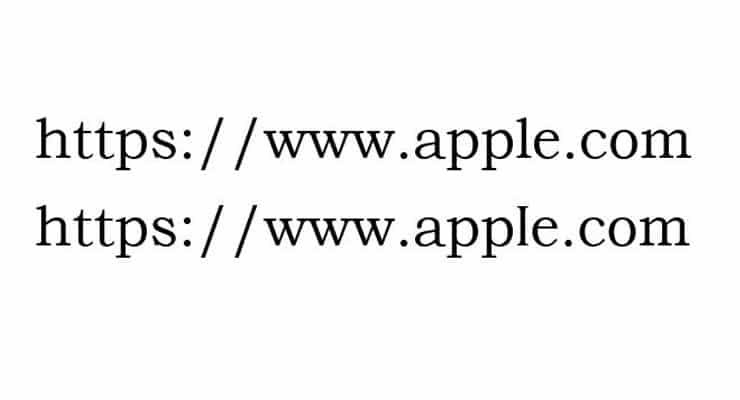
The attacker can replace a letter with a similar-looking character from a different language or symbol, making it almost impossible to spot the difference.
🔹 Risks and Consequences of Homoglyph Attacks:
The consequences of falling victim to a homoglyph attack can be severe. Attackers can use these attacks to steal sensitive information, such as login credentials, credit card information, or personal data.
The consequences of falling victim to a homoglyph attack can be severe. Attackers can use these attacks to steal sensitive information, such as login credentials, credit card information, or personal data.
They can also use it to trick users into sending cryptocurrency to their wallet address. Victims of homoglyph attacks can lose access to their accounts or have their funds stolen, which can be devastating.
🔹 Examples of Homoglyph Attacks
Homoglyph attacks are becoming increasingly sophisticated, and attackers are using them to target a wide range of web3 services. For instance, even Google's sponsored links can lead to homoglyph attacks.
Homoglyph attacks are becoming increasingly sophisticated, and attackers are using them to target a wide range of web3 services. For instance, even Google's sponsored links can lead to homoglyph attacks.
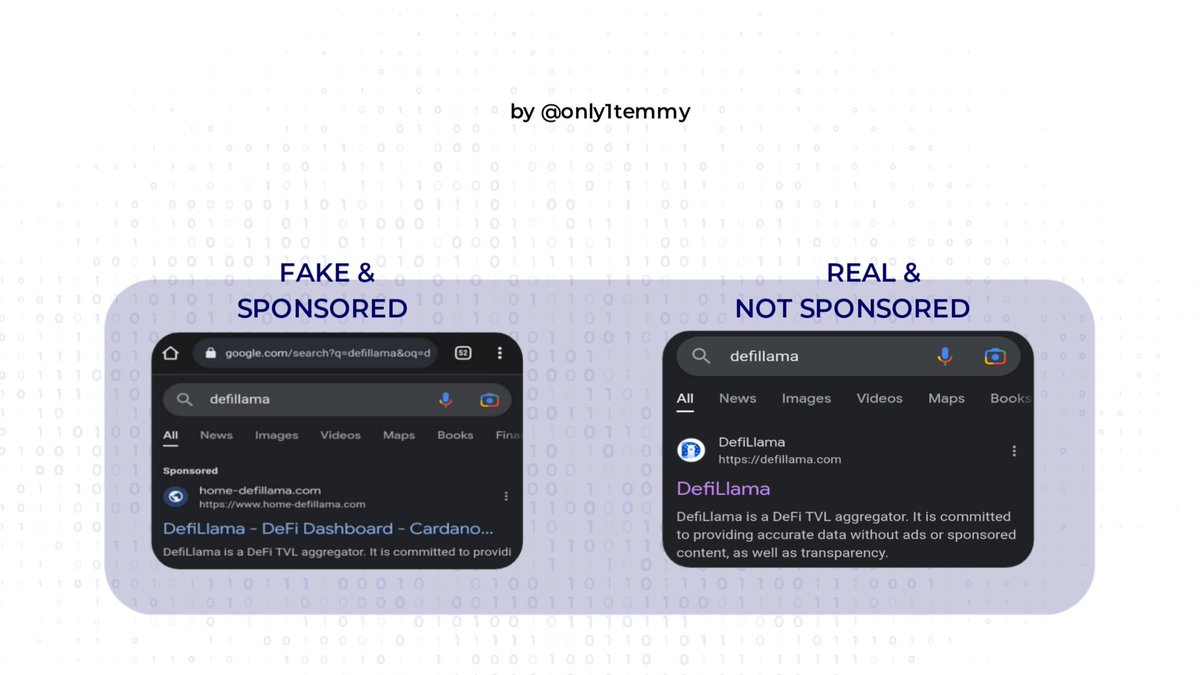
Attackers could create a fake version of a popular exchange platform, such as Uniswap, with a URL that looks almost identical to the real one.
They could also create fake emails that look like they are from a legitimate source, such as a wallet provider or a decentralized application, to trick users into clicking on malicious links.
🔹 How to Protect Yourself from Homoglyph Attacks
Protecting yourself from homoglyph attacks requires a combination of vigilance and best practices. Here are some tips to help you avoid falling victim to homoglyph attacks:
Protecting yourself from homoglyph attacks requires a combination of vigilance and best practices. Here are some tips to help you avoid falling victim to homoglyph attacks:
a. Be Wary of Links from Unknown Sources
Avoid clicking on links from unknown sources, especially if they are asking for your sensitive information. Always verify the authenticity of the website or email sender before clicking on any links or entering any information.
Avoid clicking on links from unknown sources, especially if they are asking for your sensitive information. Always verify the authenticity of the website or email sender before clicking on any links or entering any information.
b. Check the URL Carefully
Take time to scrutinize the URL of the website you are visiting. Look for subtle differences in the URL, such as the use of a Cyrillic character instead of a Latin character.
Take time to scrutinize the URL of the website you are visiting. Look for subtle differences in the URL, such as the use of a Cyrillic character instead of a Latin character.
Double-check the domain name and verify it matches the website you intend to visit
c. Use a Password Manager
Using a password manager can help you protect your accounts from homoglyph attacks by automatically filling in your login credentials. This can prevent you from accidentally entering your login credentials on a fake login page created by an attacker.
Using a password manager can help you protect your accounts from homoglyph attacks by automatically filling in your login credentials. This can prevent you from accidentally entering your login credentials on a fake login page created by an attacker.

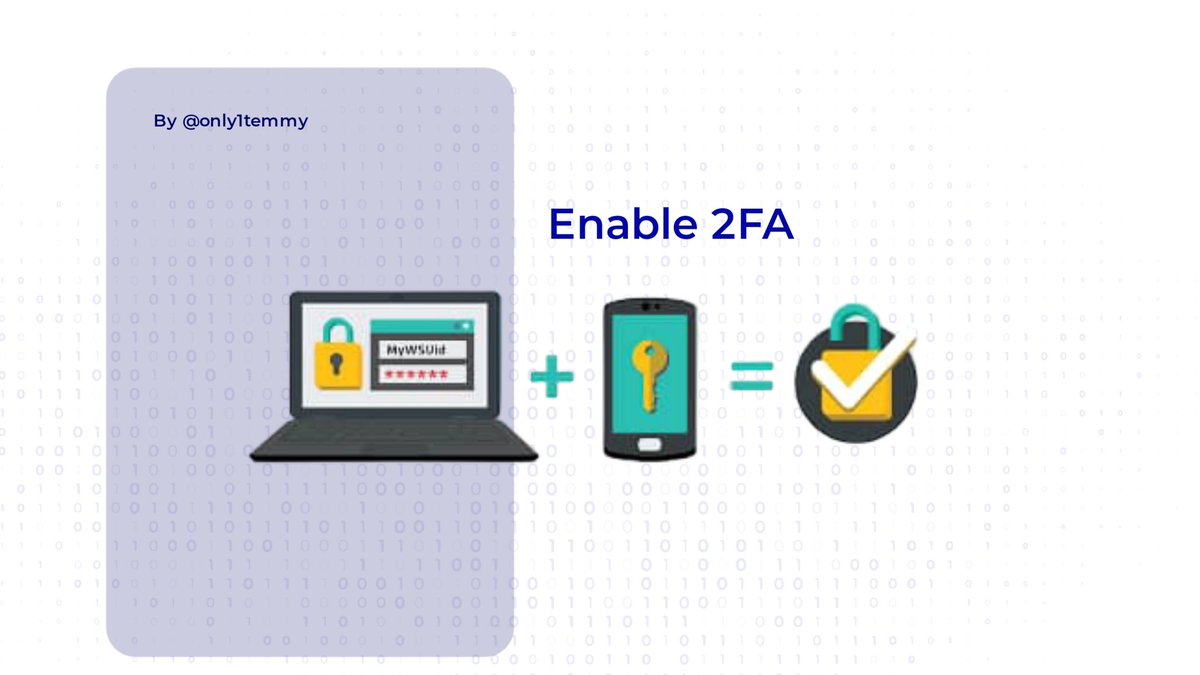
d. Enable Two-Factor Authentication (2FA)
Enabling two-factor authentication can add an extra layer of security to your accounts, making it more difficult for attackers to gain access even if they have your login credentials.
Enabling two-factor authentication can add an extra layer of security to your accounts, making it more difficult for attackers to gain access even if they have your login credentials.
e. Stay Informed
Stay informed about the latest security threats and trends in web3. Follow security experts on social media or subscribe to security blogs and newsletters to stay up-to-date on the latest threats and best practices for protecting yourself online.
Stay informed about the latest security threats and trends in web3. Follow security experts on social media or subscribe to security blogs and newsletters to stay up-to-date on the latest threats and best practices for protecting yourself online.
f. Verify URLs on Socials
To avoid falling victim to homoglyph attacks, you can verify the URLs of the projects, Dapps, or DEXs you want to interact with on their official social media accounts.
To avoid falling victim to homoglyph attacks, you can verify the URLs of the projects, Dapps, or DEXs you want to interact with on their official social media accounts.
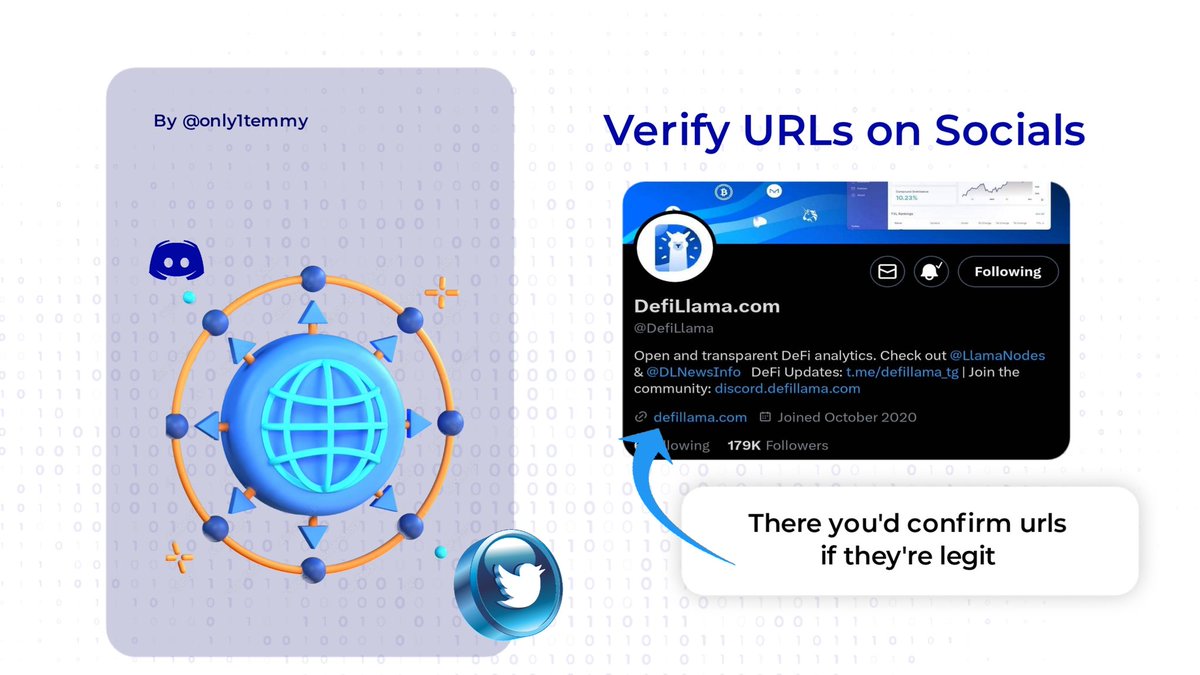
Follow them on Twitter, Discord, or Telegram, and double-check the URLs they provide before accessing any links.
In conclusion, homoglyph attacks are a serious threat in web3, and it's essential to take the necessary steps to protect yourself from them.
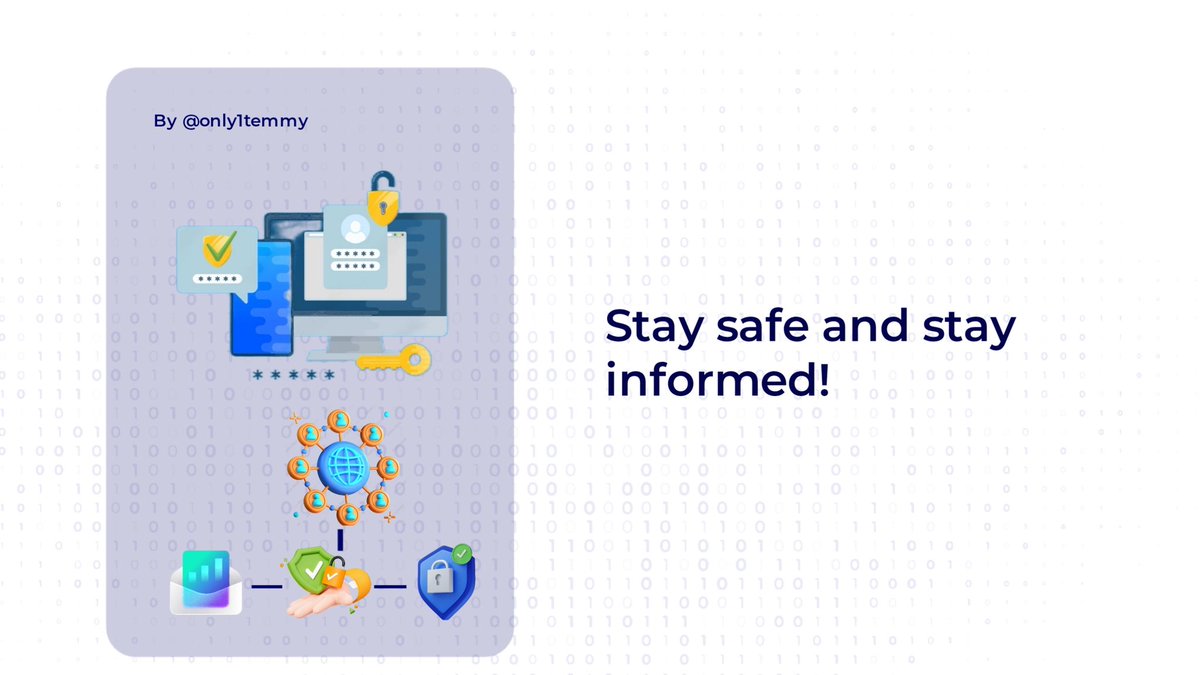
By staying vigilant and implementing best practices, such as verifying URLs and using a password manager, you can significantly reduce the risk of falling victim to homoglyph attacks.
Remember, prevention is always better than cure, so take the time to ensure your security online to keep your funds and sensitive information safe. Stay safe and stay informed!
I remain @Only1temmy your DeFi friend 😎
I remain @Only1temmy your DeFi friend 😎
Graphics Credits to @_angelicprince .
He's good at what he does
He's good at what he does
جاري تحميل الاقتراحات...