

My puzzled mother quizzed me today about what the difference is between a "reading" and an "interpretation" of the Quran.
So I made a chart to explain it, and I was pretty happy with it, so now I share it with you, with a little thread to elaborate.
So I made a chart to explain it, and I was pretty happy with it, so now I share it with you, with a little thread to elaborate.

Starting with an example of a phrase that has a single reading, and a single interpretation:
Q2:173 ʾinna ḷḷāha ġafūrun raḥīmun just means "God is Forgiving and Merciful."
You could get into the esoterica of the these attributes, but the basic meaning is clear.
Q2:173 ʾinna ḷḷāha ġafūrun raḥīmun just means "God is Forgiving and Merciful."
You could get into the esoterica of the these attributes, but the basic meaning is clear.
An example of a phrase that has 2 readings, but one interpretation is:
61:8 wa-ḷḷāhu mutimmu nūrihī / wa-ḷḷāhu mutimmun nūrahū
The difference is whether the object of a participle is marked as an accusative or genitive. But the meaning is identical: "God perfect his light."
61:8 wa-ḷḷāhu mutimmu nūrihī / wa-ḷḷāhu mutimmun nūrahū
The difference is whether the object of a participle is marked as an accusative or genitive. But the meaning is identical: "God perfect his light."
There are also many examples where multiple readings DO give multiple interpretations. A non-canonical one, but one that is fresh on my mind is:
Q30:2 ġulibat-i r-rūmu "The Romans were defeated"
ġalabat-i r-rūmu "The Romans were victorious".
Q30:2 ġulibat-i r-rūmu "The Romans were defeated"
ġalabat-i r-rūmu "The Romans were victorious".
And then there are examples where there is no disagreement at all how a verse is read, but where the understanding can differ vastly, for example:
Q86:1 wa-s-samāʾi wa-ṭ-ṭāriqi "By the sky and the ṭāriq".
aṭ-ṭāriq literally means "the knocker", but what is that knocker?
Q86:1 wa-s-samāʾi wa-ṭ-ṭāriqi "By the sky and the ṭāriq".
aṭ-ṭāriq literally means "the knocker", but what is that knocker?
Many translators translate it as "Night Visitant" or the like (one who comes knocking at your door at night), sometimes glossing it as "The Morning Star".
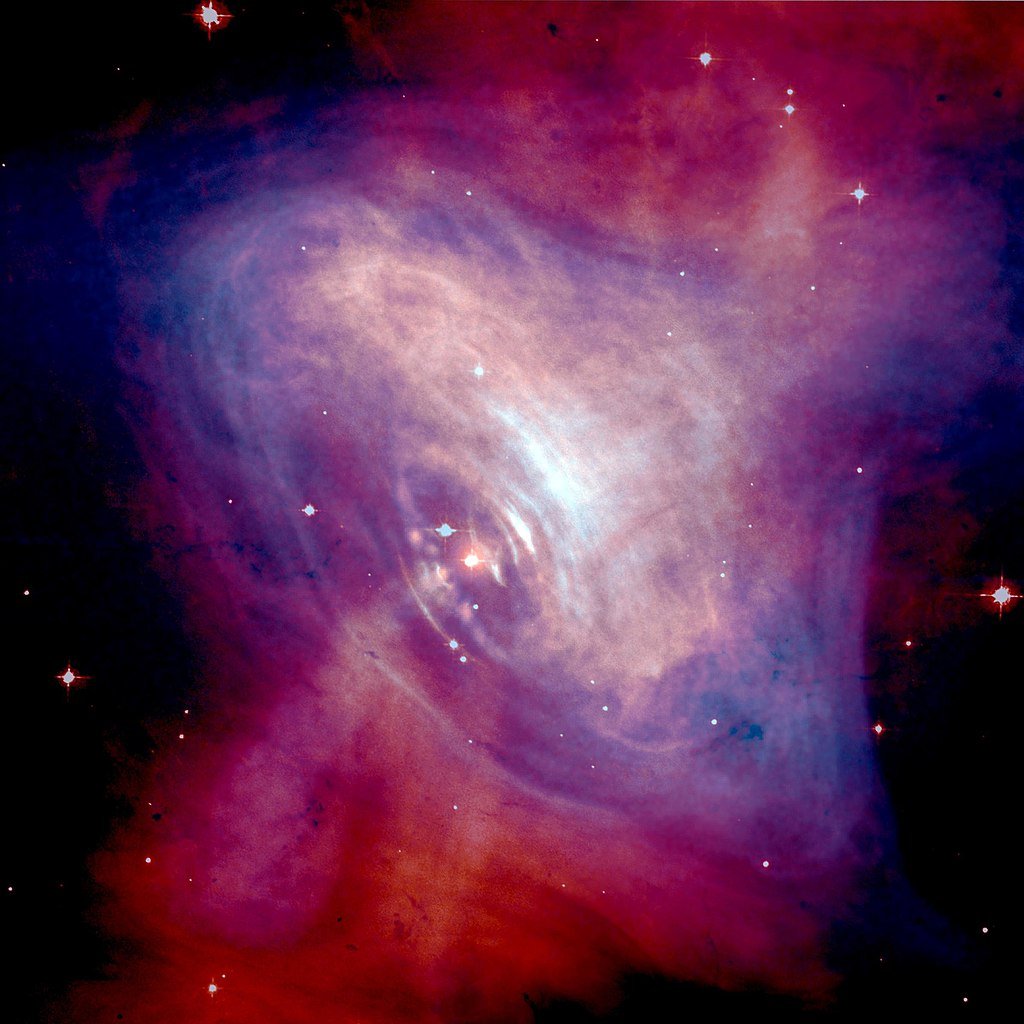
Those looking for scientific miracles in the Quran might understand the word to refer to a "Pulsar".
End.
Those looking for scientific miracles in the Quran might understand the word to refer to a "Pulsar".
End.
جاري تحميل الاقتراحات...