

Book review
1/n
A must read book on Aurangzeb, full of facts backed by primary resources. Showing the Mughal emperor as he really was.
9/10
1/n
A must read book on Aurangzeb, full of facts backed by primary resources. Showing the Mughal emperor as he really was.
9/10
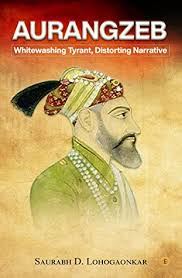
First thanks are due to @seekersaurabh1 for gifting me a copy of this wonderful work.
Wished to review earlier, but work related commitments unfortunately held me up.
So onto the book
2/n
Wished to review earlier, but work related commitments unfortunately held me up.
So onto the book
2/n
The book deals comprehensively with all the pet peeves of the apologists
1. High percentage of Hindu mansabdars
2. Forced conversions
3. Temples protected by Aurangzeb
4. Imposition of Jaziya
And various others.
3/n
1. High percentage of Hindu mansabdars
2. Forced conversions
3. Temples protected by Aurangzeb
4. Imposition of Jaziya
And various others.
3/n
I liked the use of graphs and tables.
Bit unconventional in a history book, but really helps to quickly get data and context.
Visual cues work best.
Bit unconventional in a history book, but really helps to quickly get data and context.
Visual cues work best.
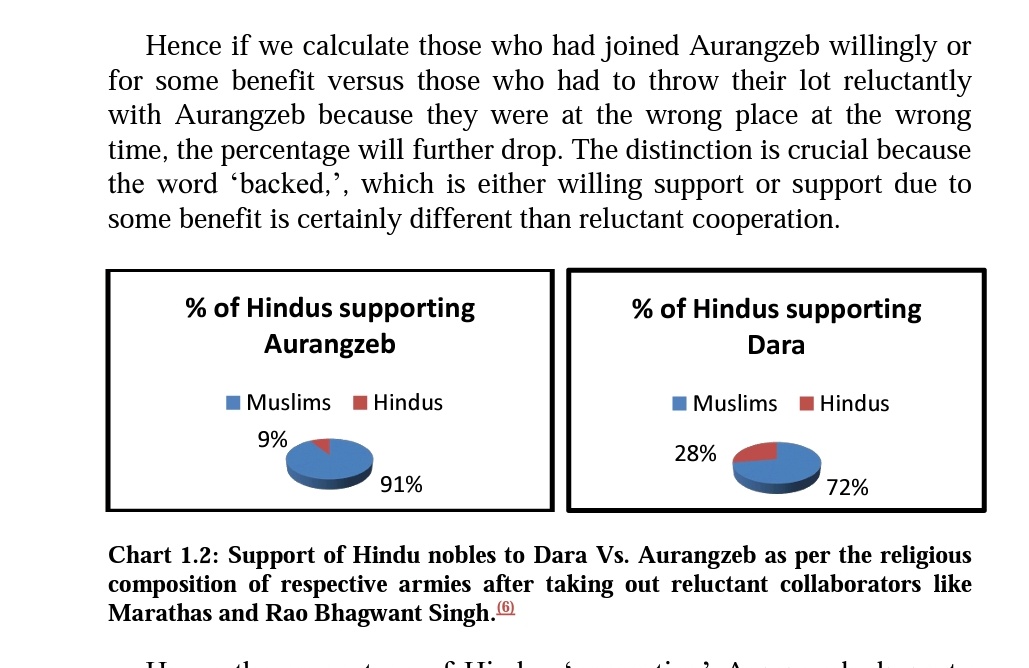
While this is not a biography of Aurangzeb, and will in fact require some basic reading to be done beforehand, the book more than makes up for it by going in great detail into the topics it does cover.
It is, as mentioned, a counter to the Secular narrative.
It is, as mentioned, a counter to the Secular narrative.
Every topic has been dealt with chapter wise and in detail. Full of facts and backed by sources. The chapter on representation of Hindus in his administration goes right up to describing what happened to high ranking Hindu nobles under him.
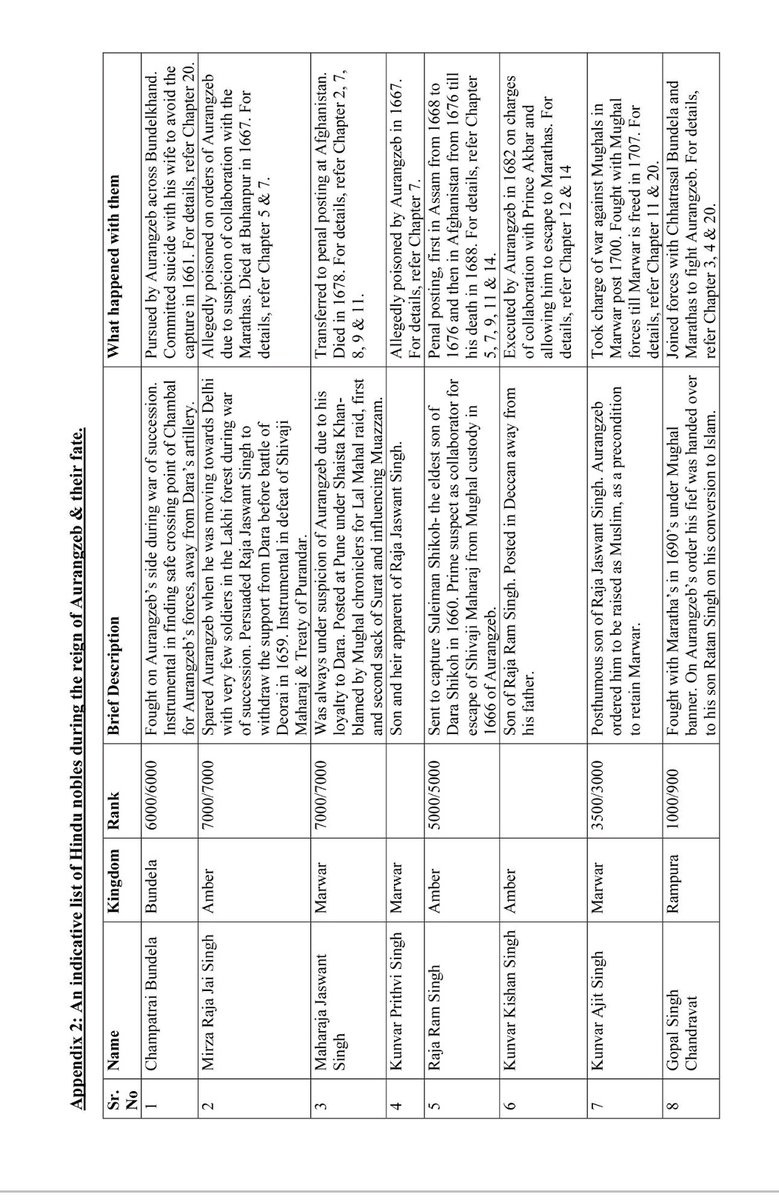
This is followed up with Aurangzeb's doings in the field of religious persecution
The book provides a full list of nearly 200 Hindus who were converted by Aurangzeb. Mind you, these were important personages who were worth finding a mention.
The book provides a full list of nearly 200 Hindus who were converted by Aurangzeb. Mind you, these were important personages who were worth finding a mention.
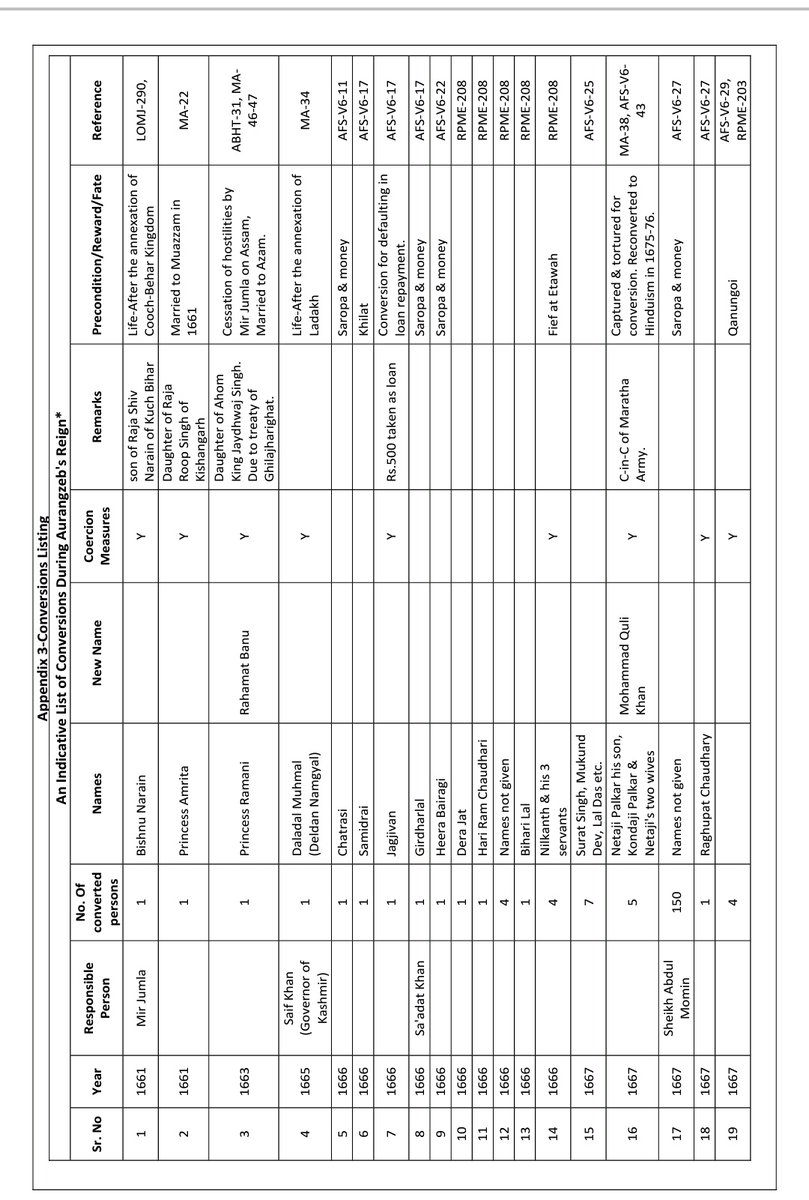
This list of conversions is something I have never come across in any work and is one of the USP's of the book.
One can only speculate the millions of nameless folk who got converted during this time when the number of worthies is 200.
One can only speculate the millions of nameless folk who got converted during this time when the number of worthies is 200.
Aurangzeb's zeal for temple demolition was present much prior to his infamous decree of 1669 as the book shows.
It goes into great detail on how Aurangzeb cunningly got Rajput nobility like Mirza Raje Jai Singh out of the way before announcing his firman.
It goes into great detail on how Aurangzeb cunningly got Rajput nobility like Mirza Raje Jai Singh out of the way before announcing his firman.
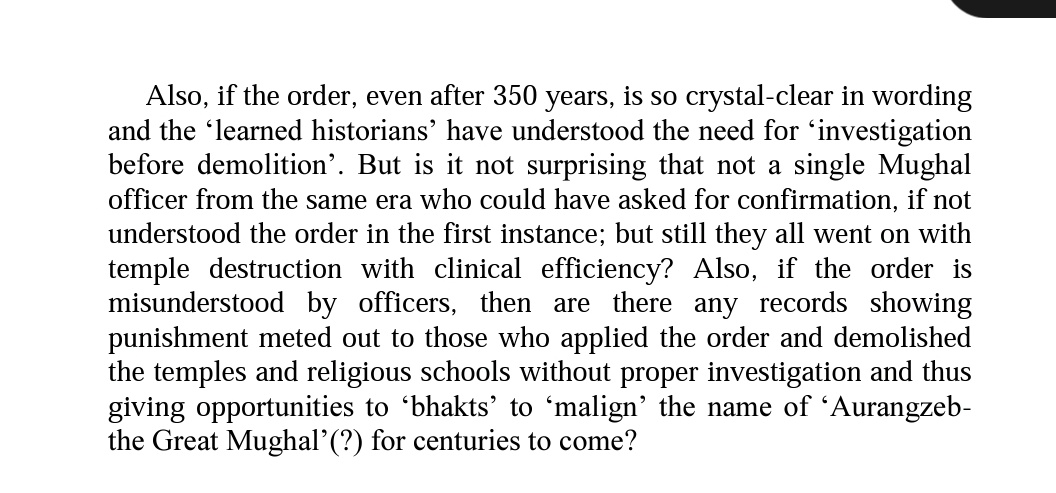
The famous firman of April 1669 is enough to display his bigotry and has been dealt with in detail. The author also demolishes the whataboutery built by a section of historians around this clear as daylight firman.
I also liked the detailed exposition of the Jaziya tax , how much it was, how much was collected and it's overall effect.
With the backing of primary resources, the author shows the theological base of the hated tax.
With the backing of primary resources, the author shows the theological base of the hated tax.
Finally, the book also covers little known aspects of Aurangzeb's reign - the persecution of Shias and Dawoodi Bohras for instance and his conflict with the Afghans.
جاري تحميل الاقتراحات...