

#BookReview - 'Aurangzeb Whitewashing Tyrant, Distorting Narrative'
Author: Saurabh Lohagaonkar (@seekersaurabh1)
History is the study of past events. But unfortunately, India’s past has never been presented along with facts.
1/25
Author: Saurabh Lohagaonkar (@seekersaurabh1)
History is the study of past events. But unfortunately, India’s past has never been presented along with facts.
1/25
Distortion of India’s past has been a favourite pastime of Marxist historians.
The misuse of history to set narratives has been a common practice since many years.
In the recent past, several attempts to secularise…
2/25
The misuse of history to set narratives has been a common practice since many years.
In the recent past, several attempts to secularise…
2/25
…the Mughals have taken place with Emperor Aurangzeb at the centre-point of this drama.
Aurangzeb has been portrayed as a secular ruler who was just with all his subjects. But this portrayal is far away from reality. Aurangzeb was the most vicious Mughal Emperor.
3/25
Aurangzeb has been portrayed as a secular ruler who was just with all his subjects. But this portrayal is far away from reality. Aurangzeb was the most vicious Mughal Emperor.
3/25
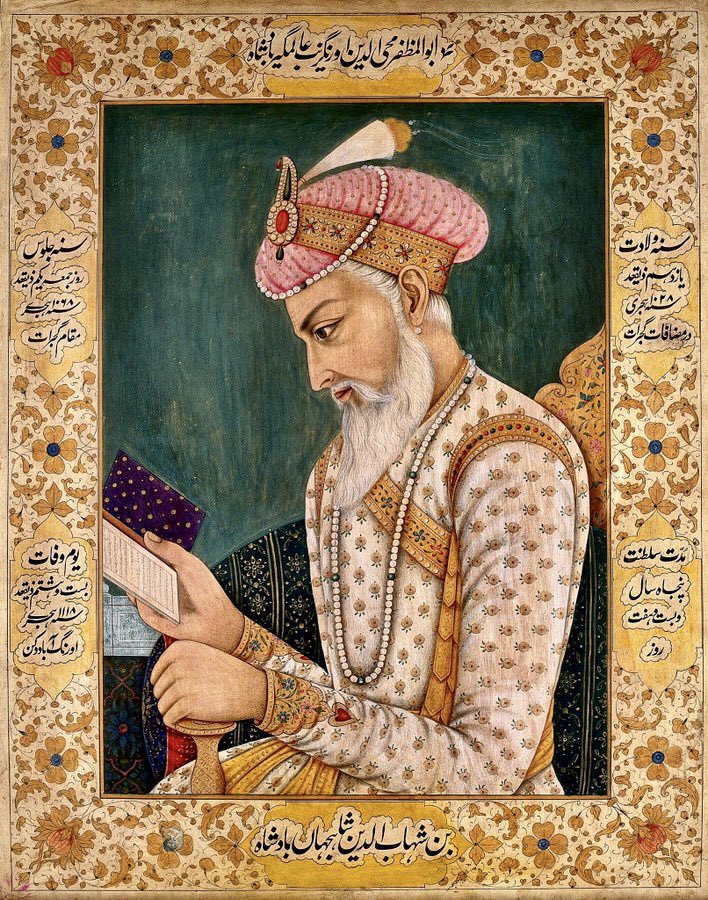
Muhi al-Din Muhammad, commonly known as Aurangzeb and by his regnal title Alamgir, was neither the eldest son of Emperor Shah Jahan nor the heir-apparent. Yet, he managed to succeed his father.
But was this succession easy? Definitely not.
4/25
But was this succession easy? Definitely not.
4/25
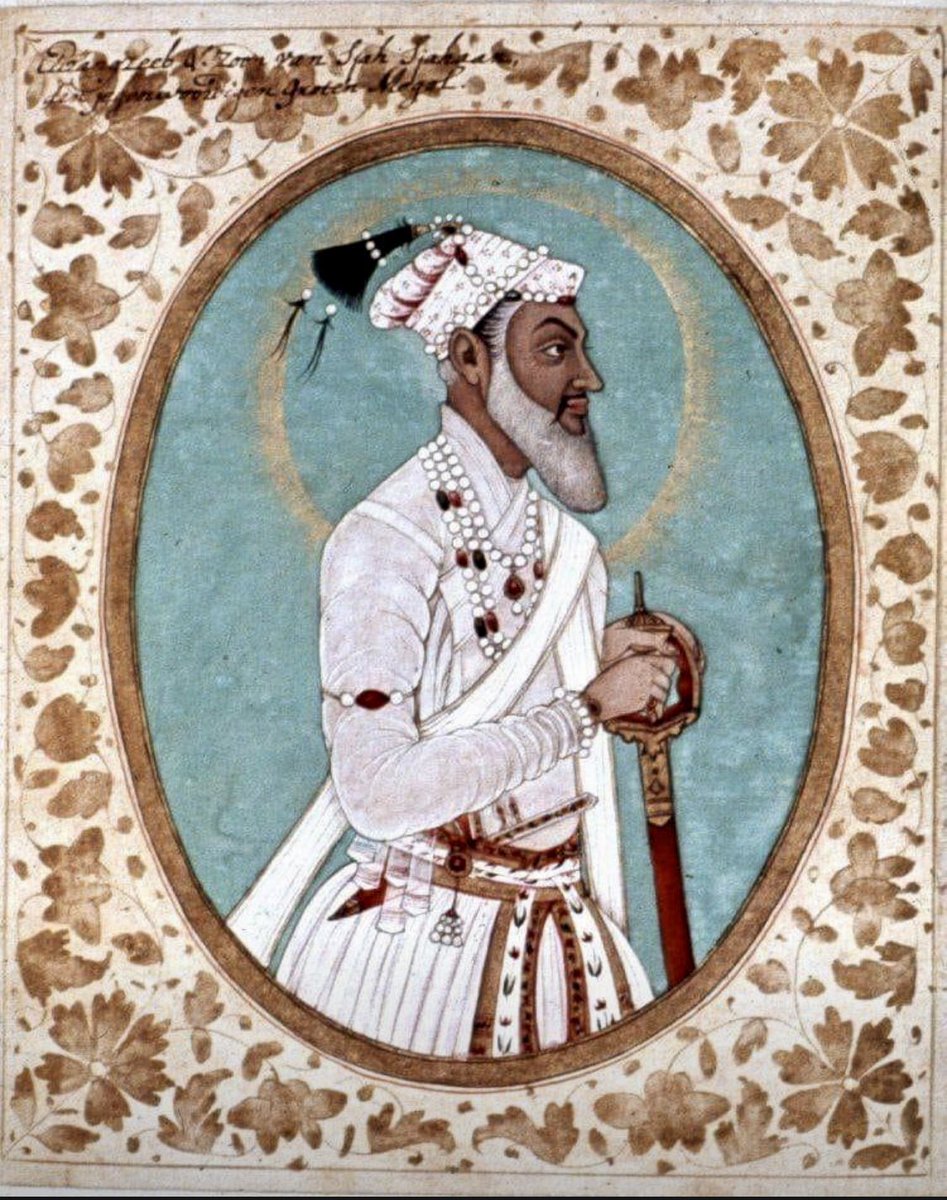
The events that took place before and after Aurangzeb’s ascension to the Mughal throne are enough to prove his cruelty.
Kavi Bhushan, a contemporary poet, has summarised these events in the following verse of his work Shiva Bavani.
5/25
Kavi Bhushan, a contemporary poet, has summarised these events in the following verse of his work Shiva Bavani.
5/25
किबलेकी ठोर बाप बादशाह सांहजहा
ताको कैद कियो मानो मक्के आग लायी हे।
बडो भाई दारा को पकरीके मारी दारियो
मेह रहू नाही माको बडो सगा भाई हे॥
बंधू तो मुरादबक्ष बादी चुक करिबे को
बिच ले कुरान खुदाकी कसम खाई हे।
भूषण सुकवी कहे सुनो नवरंग जेब
येतो काम किन्ने तेयु पादशाही पाई हे॥
6/25
ताको कैद कियो मानो मक्के आग लायी हे।
बडो भाई दारा को पकरीके मारी दारियो
मेह रहू नाही माको बडो सगा भाई हे॥
बंधू तो मुरादबक्ष बादी चुक करिबे को
बिच ले कुरान खुदाकी कसम खाई हे।
भूषण सुकवी कहे सुनो नवरंग जेब
येतो काम किन्ने तेयु पादशाही पाई हे॥
6/25
Meaning:
“Aurangzeb, you imprisoned your father, Emperor Shah Jahan. You forgot that one’s father is as great as the Holy Kaaba. This act of yours is like setting the Mecca on fire. You killed your brother Dara (Shikoh), who was born of your own mother…
7/25
“Aurangzeb, you imprisoned your father, Emperor Shah Jahan. You forgot that one’s father is as great as the Holy Kaaba. This act of yours is like setting the Mecca on fire. You killed your brother Dara (Shikoh), who was born of your own mother…
7/25
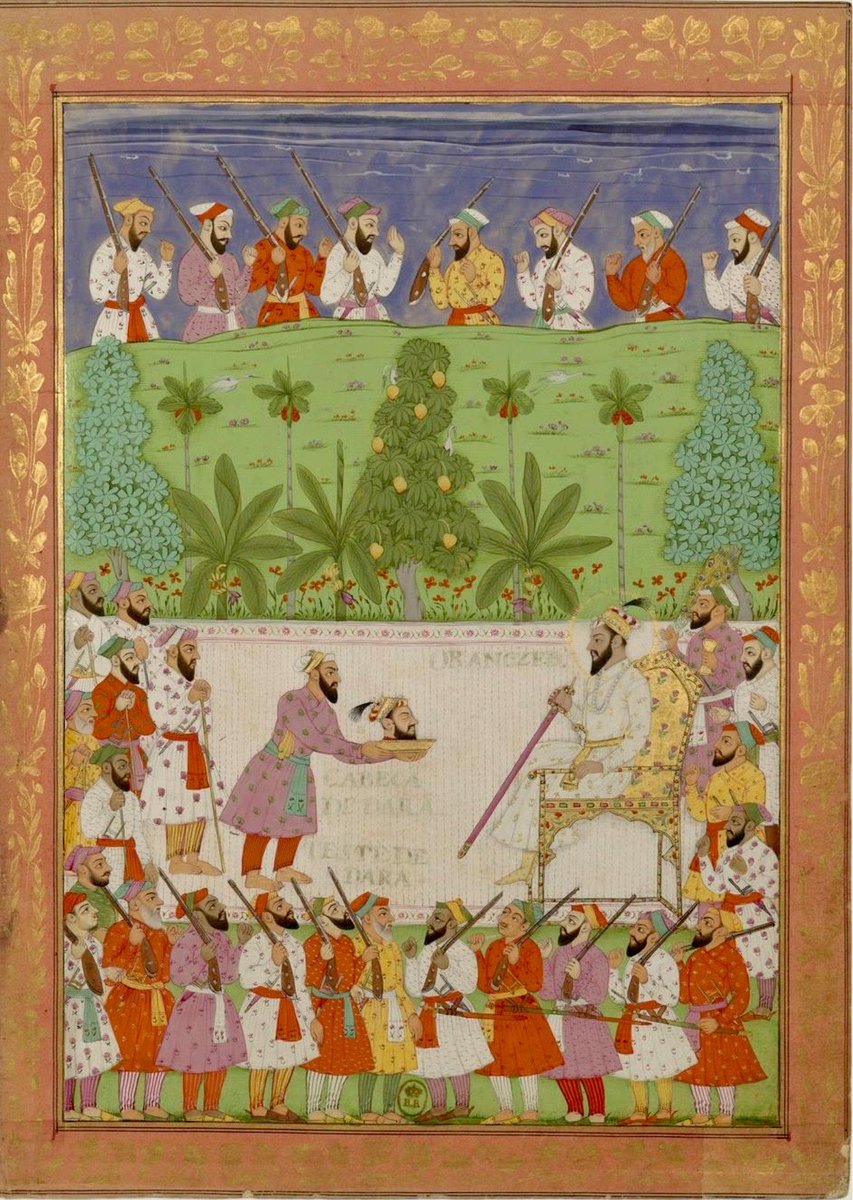
…There was no pity for him in your heart. You swore on the holy Quran that you would not betray your brother Murad (Baksh). Yet, you tricked and imprisoned him. This is how you have landed yourself on the Throne”.
8/25
8/25
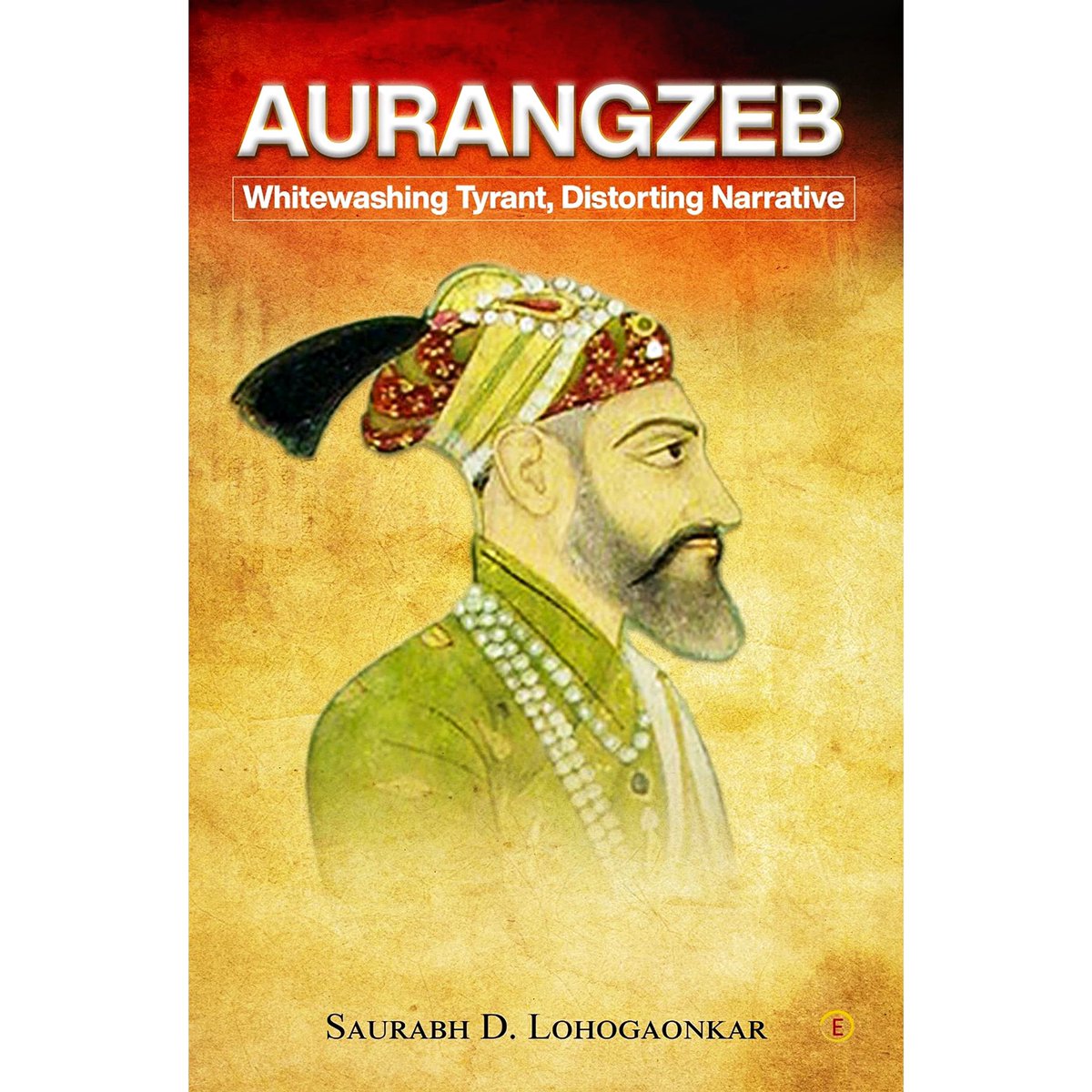
Saurabh D. Lohogaonkar, in his debut attempt, ‘Aurangzeb Whitewashing Tyrant, Distorting Narrative’ has made an exemplary effort in deconstructing the false narrative that was being built around the Mughal Emperor Aurangzeb.
9/25
9/25
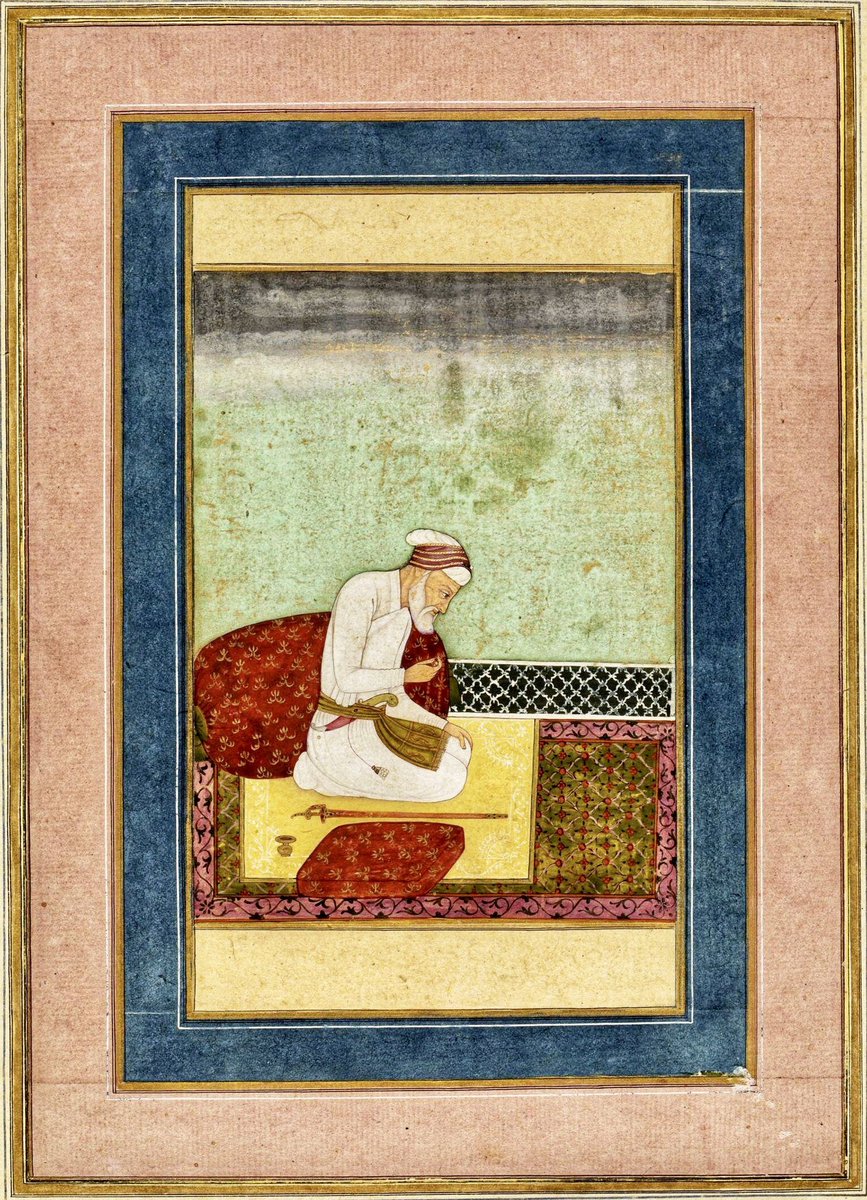
In doing so, the author has placed in front of his readers, almost all contemporaneous sources available at his disposal.
The author also sheds light on the resistance offered by the Marathas against the tyrannical rule of Aurangzeb.
10/25
The author also sheds light on the resistance offered by the Marathas against the tyrannical rule of Aurangzeb.
10/25
Maasir-i-Alamgiri, originally witten in Persian by Saqi Must’ad Khan and translated into English by Sir Jadunath Sarkar, clearly mentions that Chhatrapati Sambhaji was brutally murdered because his resistance against the Mughals was seen as a war against Islam itself.
11/25
11/25
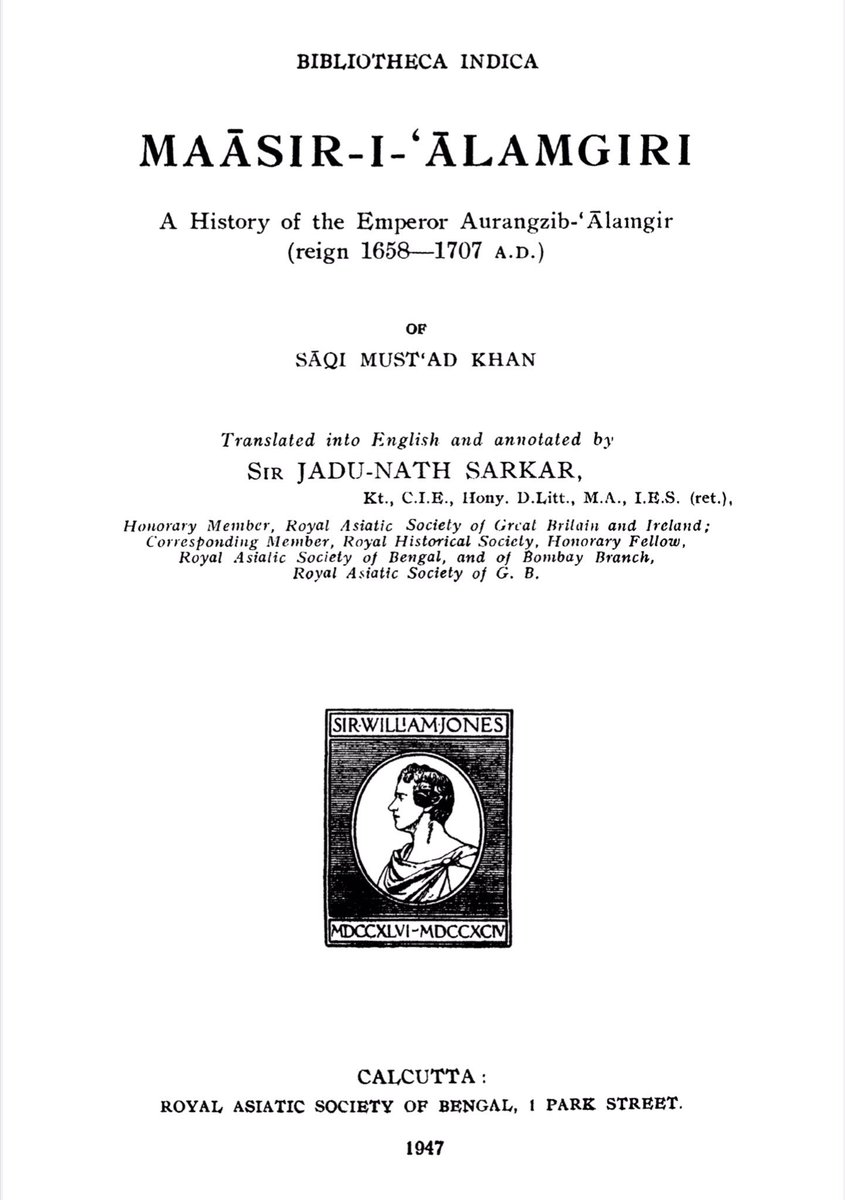
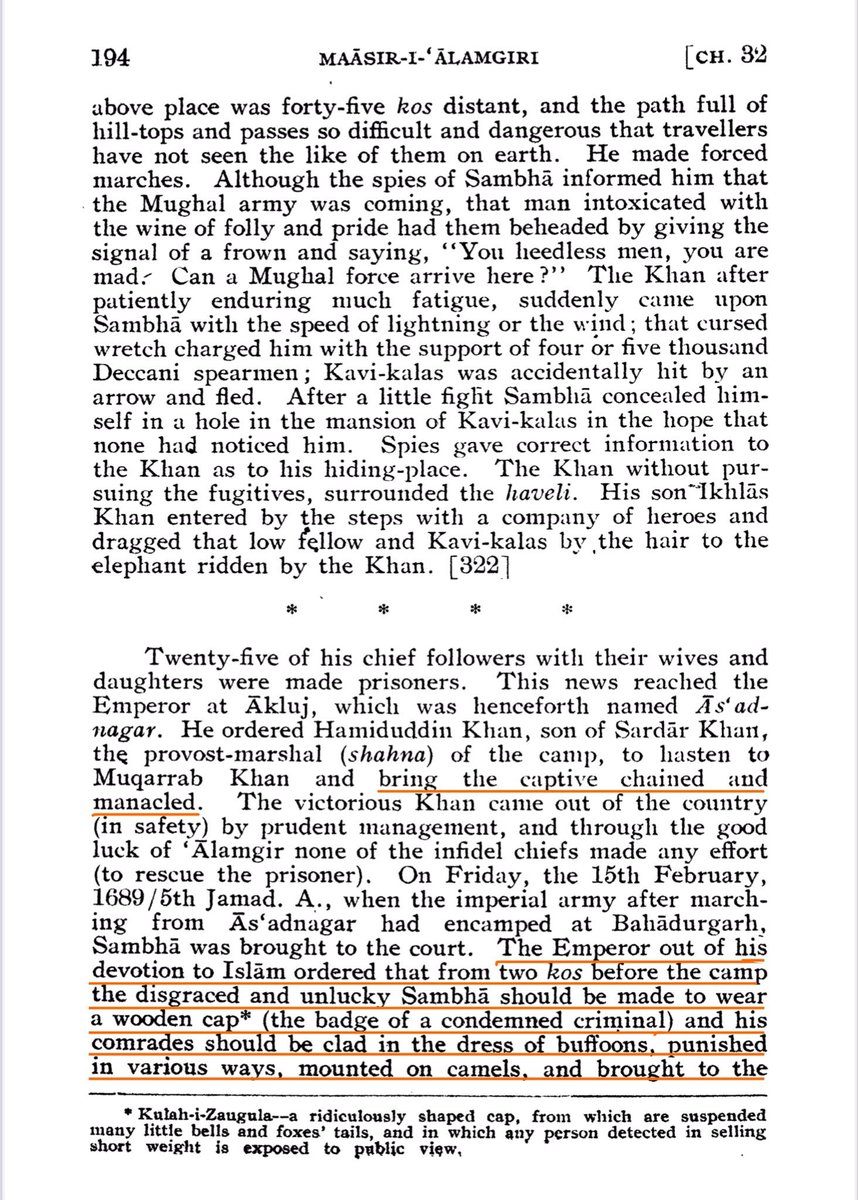
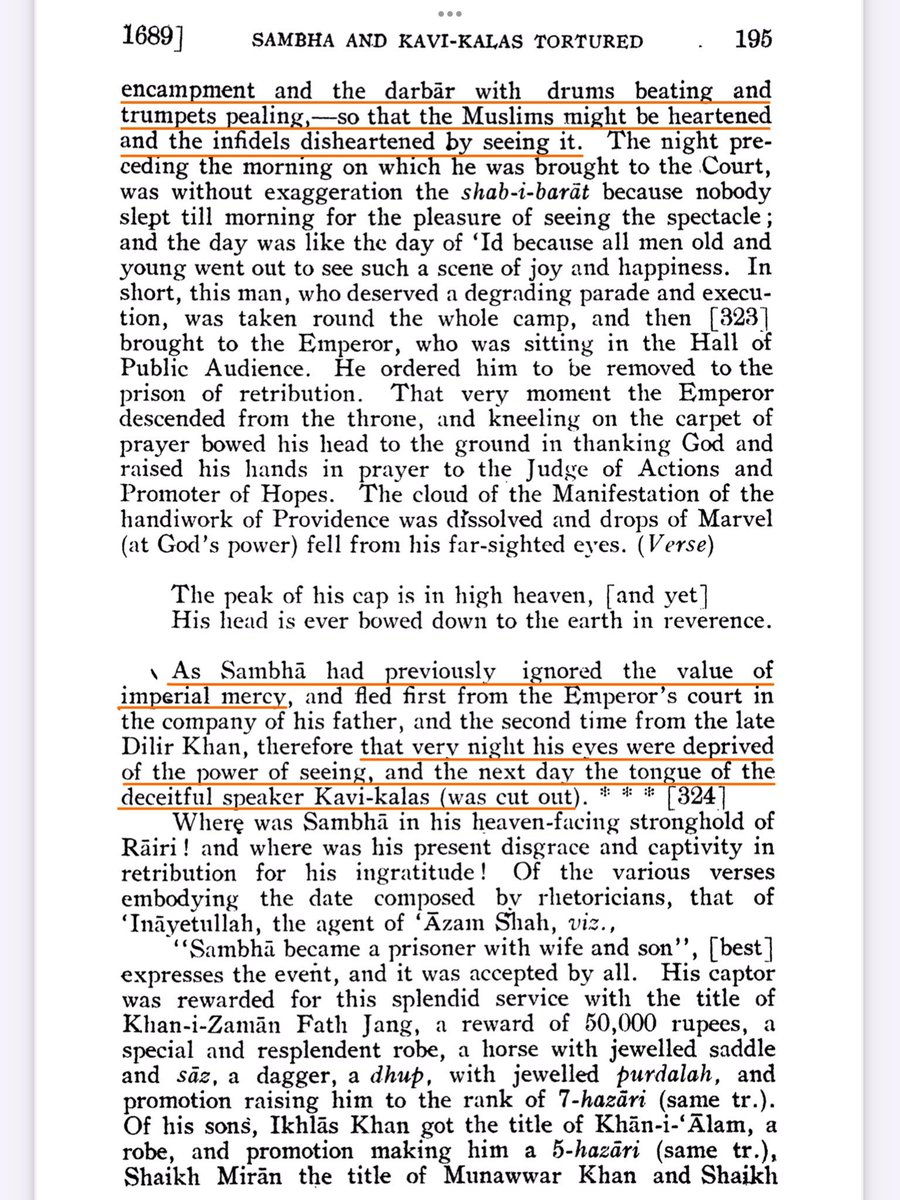
Hence, the Masters of the Holy Law and Faith (Islamic Caliphs) counselled the Emperor to pass the death sentence.
This instance alone is adequate to prove that Aurangzeb was a religious fanatic. And this fanaticism cannot be whitewashed.
12/25
This instance alone is adequate to prove that Aurangzeb was a religious fanatic. And this fanaticism cannot be whitewashed.
12/25
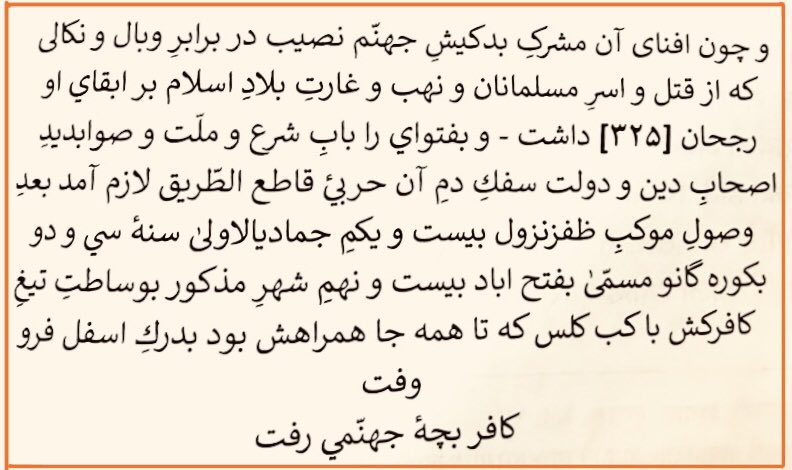
Mr. Lohogaonkar, in his attempt to deconstruct the narrative set by these modern revisionists, has provided the readers with 8 appendices which, according to me, are the essence of this academic work.
13/25
13/25
These appendices alone are sufficient to bust the lies spread by certain historians, who, in their journey to portray Aurangzeb as a secular ruler, have distorted several recorded facts.
14/25
14/25
The author has done a remarkable job of refuting this falsified history with the help of factual data enlisted in various contemporaneous sources.
Let us have a look at one example.
Myth: Aurangzeb was a secular ruler and never destroyed a temple.
15/25
Let us have a look at one example.
Myth: Aurangzeb was a secular ruler and never destroyed a temple.
15/25
Busting the Myth: The author has provided a list of 197 instances of coerced religion conversions where hundreds of Hindus were converted.
Along with this, the author has also provided the readers with a list of temples that were destructed during Aurangzeb’s reign.
16/25
Along with this, the author has also provided the readers with a list of temples that were destructed during Aurangzeb’s reign.
16/25
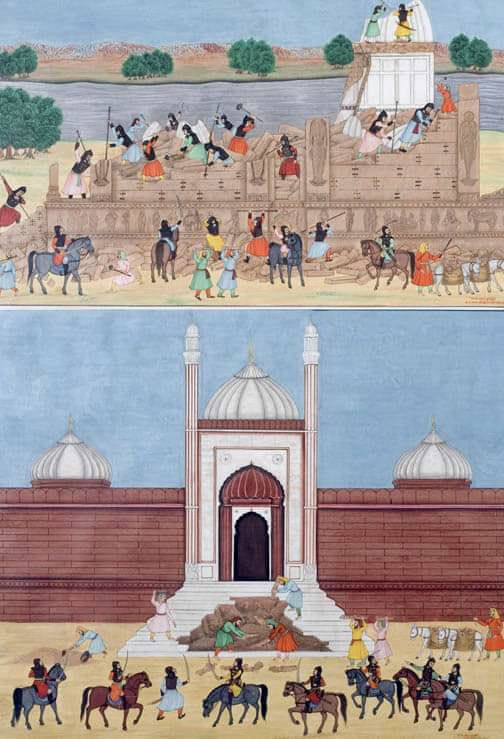
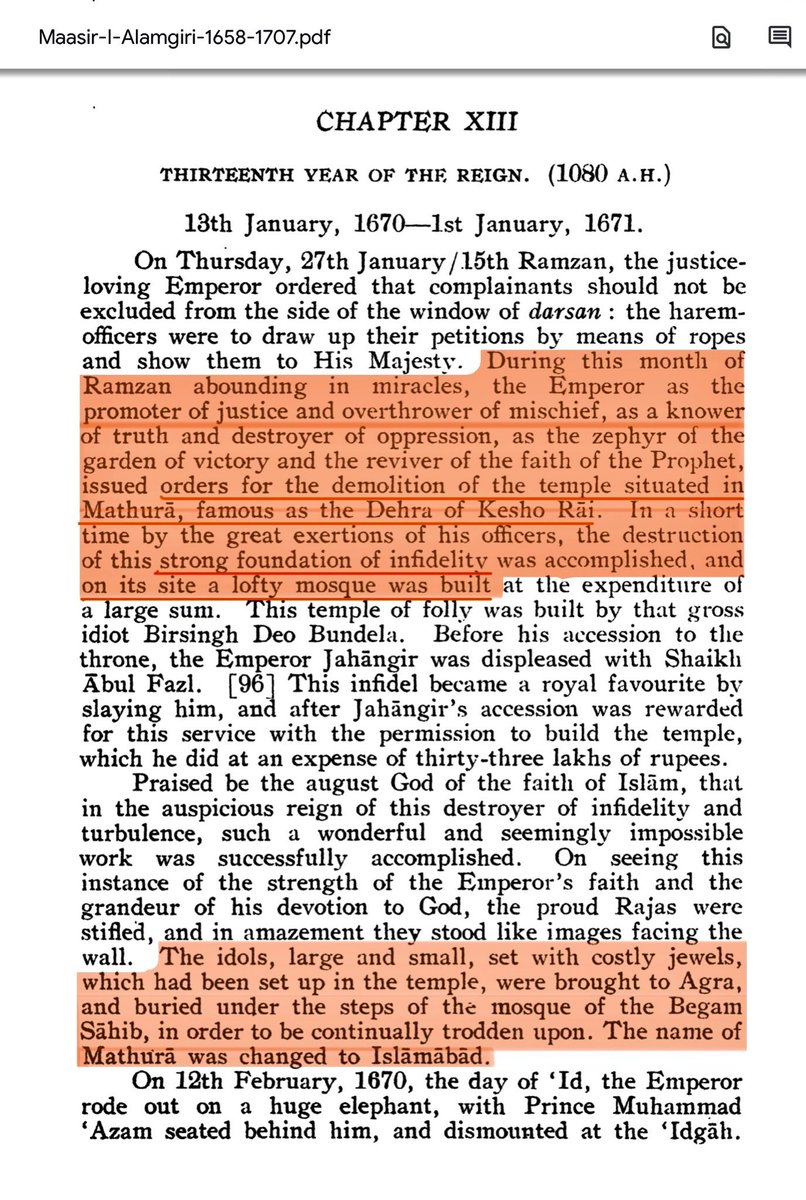
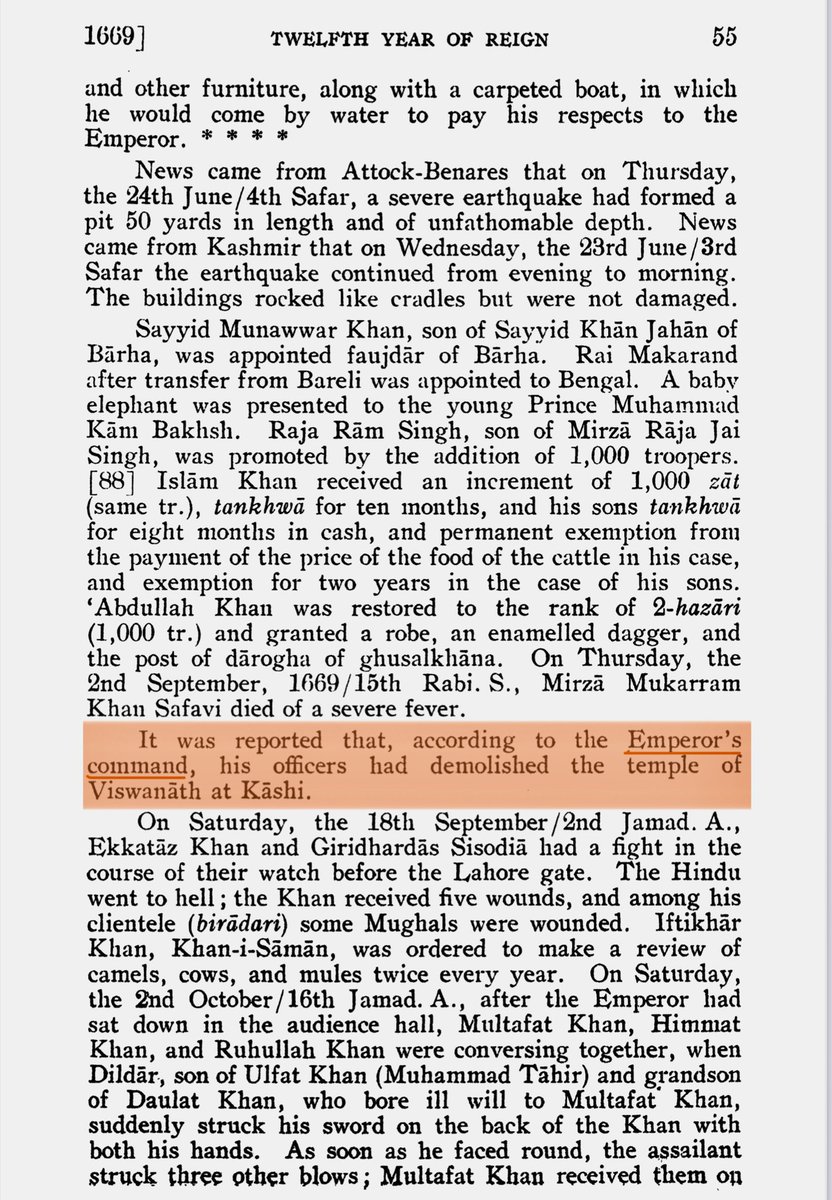
And all the above- mentioned instances of both, forceful conversions and destruction of temples, are backed by several contemporaneous sources.
Note: The lists are indicative and based on recorded instances. Unrecorded instances cannot even be anticipated.
17/25
Note: The lists are indicative and based on recorded instances. Unrecorded instances cannot even be anticipated.
17/25
The author has extensively quoted from Mughal Akhbars, Imperial Farmaans, chronicles, especially, the works of Khafi Khan (Muntakhab-al Lubab), Saqi Mustaid Khan (Maasir-i-Alamgiri),…
18/25
18/25
…Ishwardas Nagar (Futuhat-i-Alamgiri), Bhimsen Saxena (Tarikh-i-Dilkusha), all of whom, who were at some point, employed under the Mughal administration.
All the above-mentioned contemporary texts, related directly to the Mughal court can hardly be discarded.
19/25
All the above-mentioned contemporary texts, related directly to the Mughal court can hardly be discarded.
19/25
For instance, Maasir-i-Alamgiri was composed within years of Aurangzeb’s death in 1707, on the orders of Inayethullah Khan Kashmiri, Aurangzeb’s last secretary & favourite disciple.
Towards the end of this academic work, the author has briefly penned the aftermath…
20/25
Towards the end of this academic work, the author has briefly penned the aftermath…
20/25
…of the Mughal Empire post Aurangzeb.
Aurangzeb’s long war in the Deccan, against the Marathas, weakened his Empire.
The Empire that was at its zenith, literally collapsed within 50 years of Aurangzeb’s death.
21/25
Aurangzeb’s long war in the Deccan, against the Marathas, weakened his Empire.
The Empire that was at its zenith, literally collapsed within 50 years of Aurangzeb’s death.
21/25
The Marathas on the other hand, rose to become a formidable force and dominated the politics of 18th century-India.
I would like to congratulate the author, Mr. Saurabh D. Lohogaonkar, on this extensively researched academic work.
22/25
I would like to congratulate the author, Mr. Saurabh D. Lohogaonkar, on this extensively researched academic work.
22/25
“It is an axiom of historical investigation that no authority, however great, is more reliable than his sources”.
- Surendra Nath Sen (From the foreword of Foreign Biographies of Shivaji)
23/25
- Surendra Nath Sen (From the foreword of Foreign Biographies of Shivaji)
23/25
After thorough reading of this book, I can assure all the readers that the author, Mr. Saurabh D. Lohogaonkar has lived by these words.
History must be presented factually as the events in the past cannot be changed in the present.
24/25
History must be presented factually as the events in the past cannot be changed in the present.
24/25
I am sure the readers will benefit from this work.
You can order the book from:
amazon.in
Happy reading!
25/25
You can order the book from:
amazon.in
Happy reading!
25/25
جاري تحميل الاقتراحات...