

The seeds of the 08’ financial crisis were planted during years of rock-bottom interest rates and loose lending standards that fueled a housing price bubble in the U.S. and elsewhere.
investopedia.com
investopedia.com
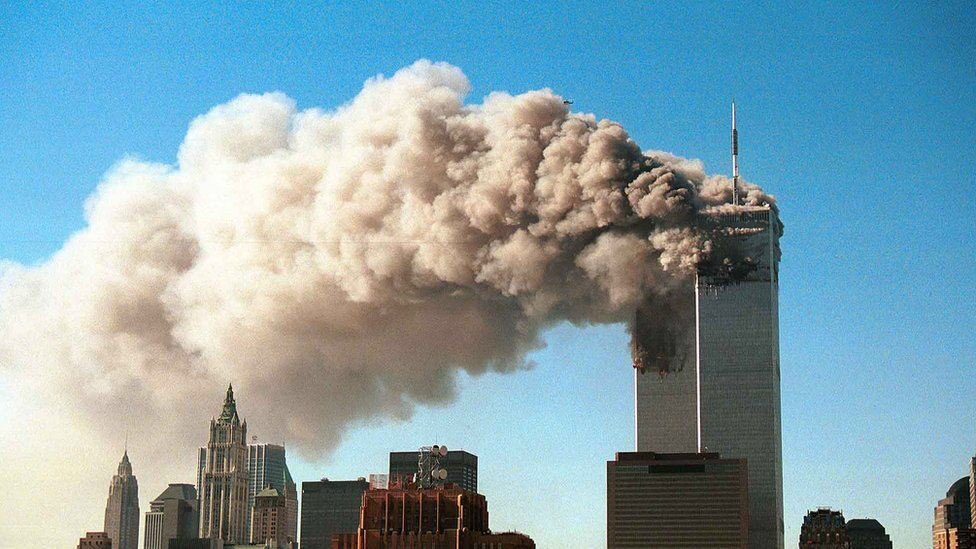
Faced with the bursting of the dot-com bubble, a series of corporate accounting scandals, and the September 11 terrorist attacks, the Federal Reserve lowered the federal funds rate from 6.5% in May 2000 to 1% in June 2003.
The aim was to boost the economy by making money available to businesses and consumers at bargain rates.
The result was an upward spiral in home prices as borrowers took advantage of the low mortgage rates.
The result was an upward spiral in home prices as borrowers took advantage of the low mortgage rates.
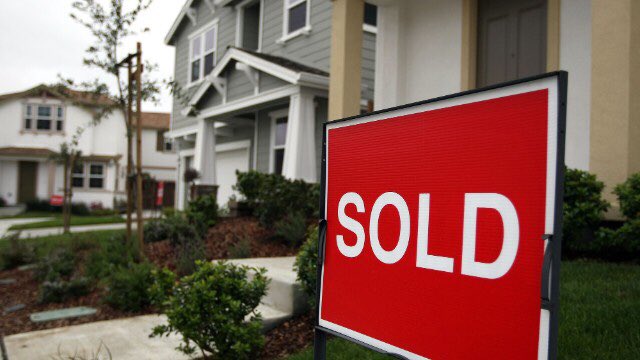
The banks then sold those loans on to Wall Street banks, which packaged them into what were billed as low-risk financial instruments such as mortgage-backed securities.
Soon a big secondary market for originating and distributing subprime loans developed.
Soon a big secondary market for originating and distributing subprime loans developed.
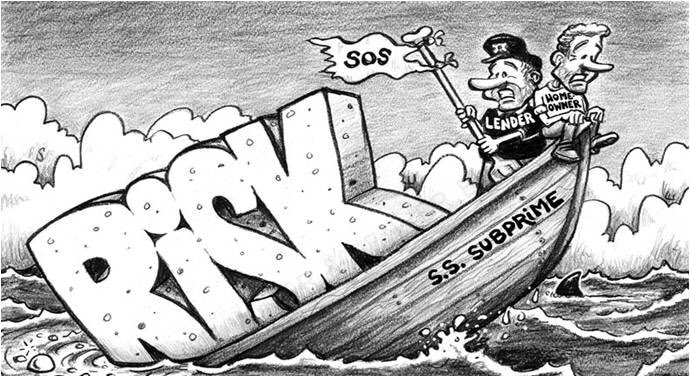
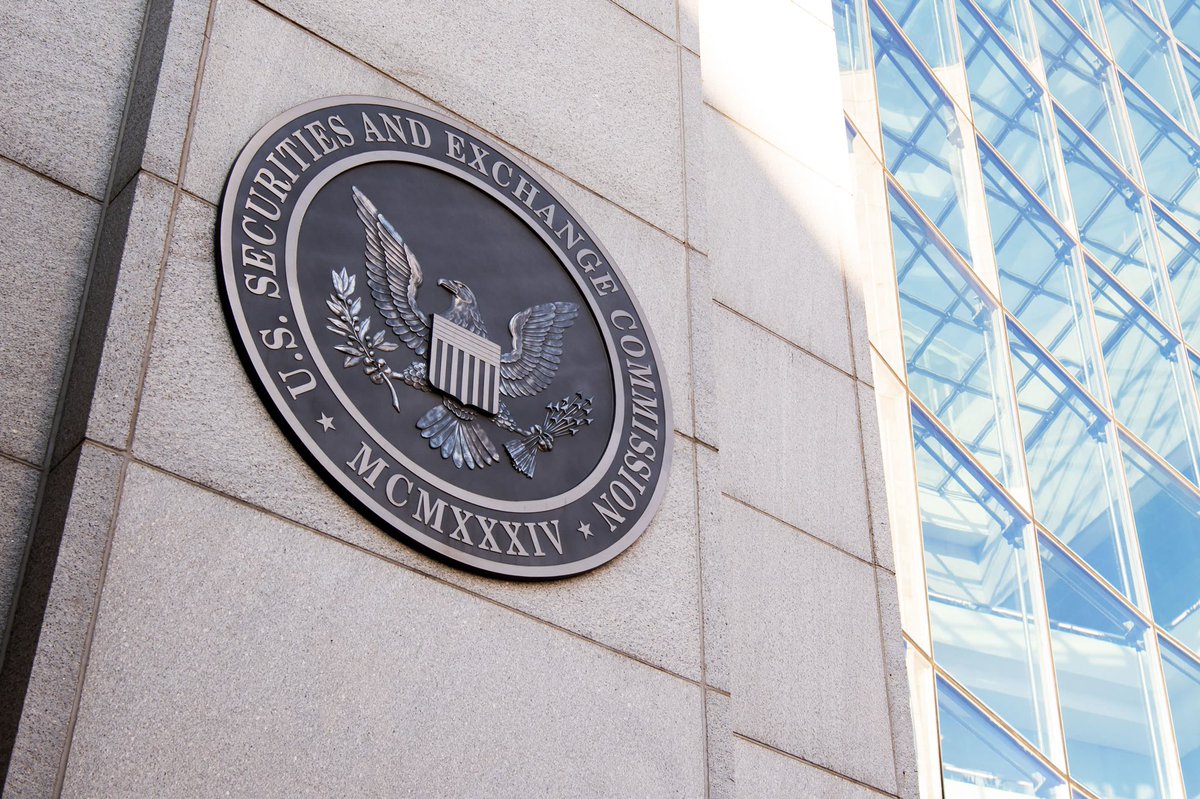
Fueling greater risk-taking among banks, the Securities and Exchange Commission (SEC) in October 2004 relaxed the net capital requirements for 5 investment banks, including Lehman Brothers.
That freed them to leverage their initial investments by up to 30 times or even 40 times.
That freed them to leverage their initial investments by up to 30 times or even 40 times.
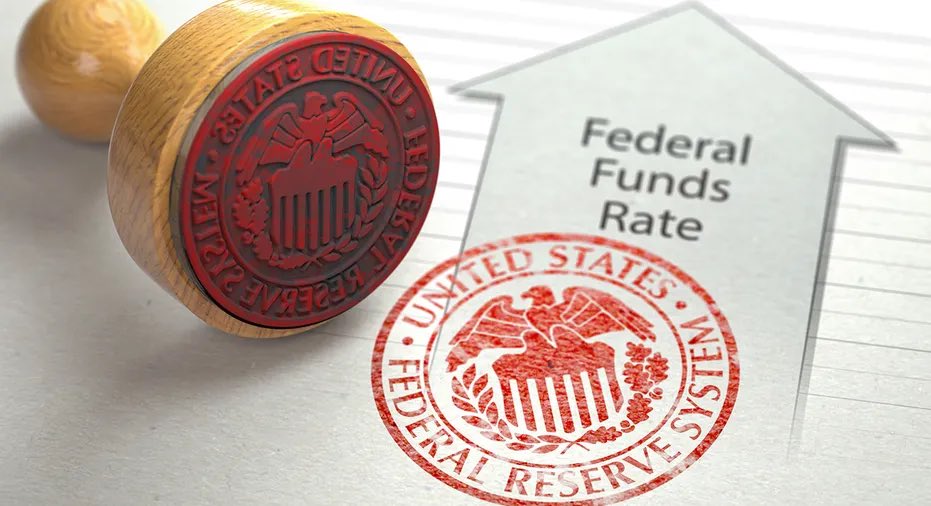
Eventually, interest rates started to rise and homeownership reached a saturation point. The Fed started raising rates in June 2004, and two years later the Federal funds rate had reached 5.25%, where it remained until August 2007.
By the summer of 2008, the carnage was spreading across the financial sector. IndyMac Bank became one of the largest banks ever to fail in the U.S., and the country's two biggest home lenders, Fannie Mae and Freddie Mac, had been seized by the U.S. government.
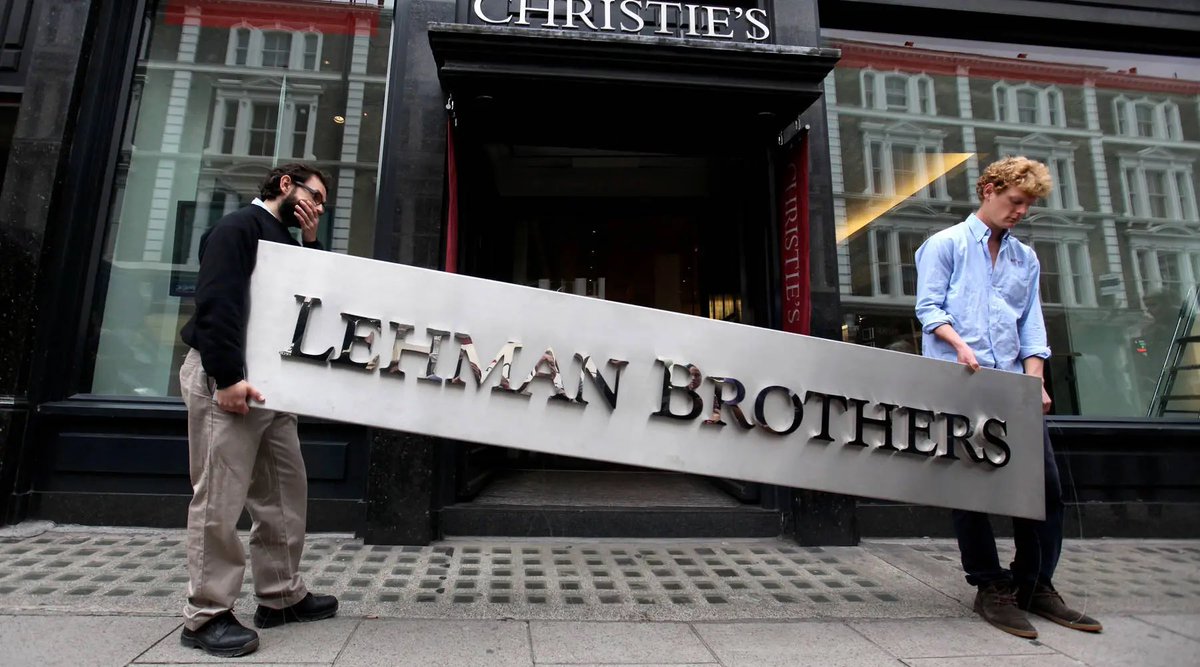
Yet the collapse of the venerable Wall Street bank Lehman Brothers in September marked the largest bankruptcy in U.S. history.
That same month, financial markets were in free fall, with the major U.S. indexes suffering some of their worst losses on record.
That same month, financial markets were in free fall, with the major U.S. indexes suffering some of their worst losses on record.
The Response: Interest Rate Cuts & Quantitative Easing
- - -
Starting in September 2007, the Fed began steadily reducing interest rates until June 2008.
At the June meeting, the August meeting, and even the September 2008 meeting held the day after Lehman Brothers (Cont.)
- - -
Starting in September 2007, the Fed began steadily reducing interest rates until June 2008.
At the June meeting, the August meeting, and even the September 2008 meeting held the day after Lehman Brothers (Cont.)
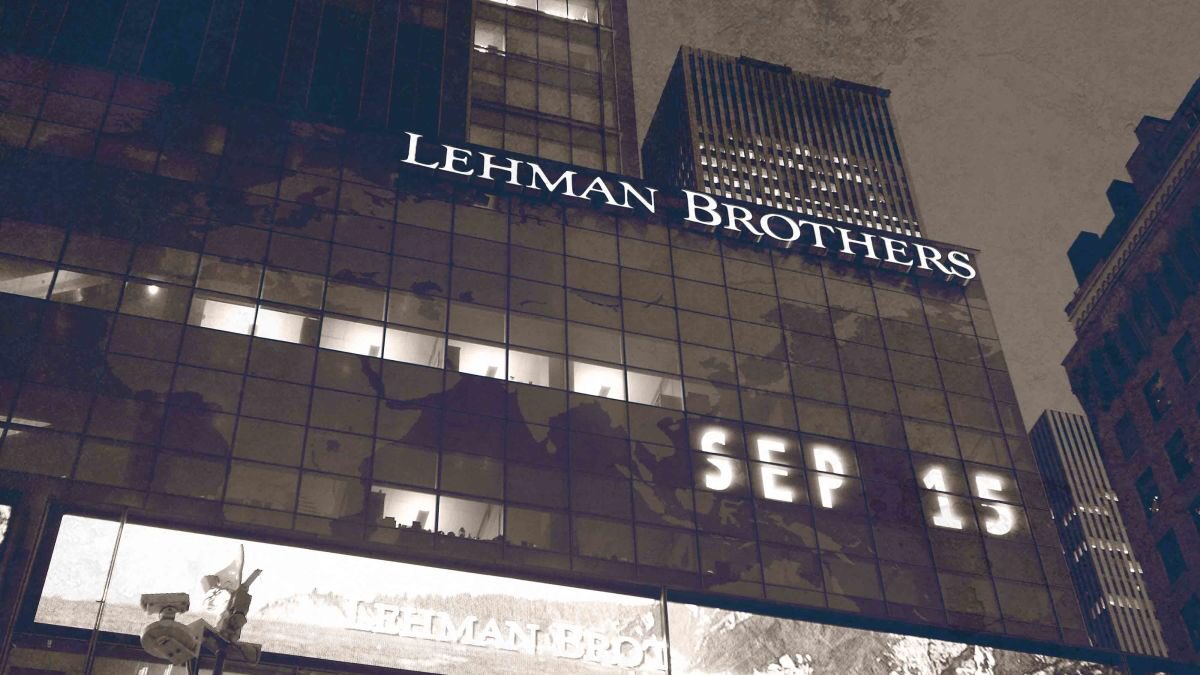
had went bankrupt, the Fed held its policy rate steady at 2 percent.
The economic situation deteriorated precipitously in the following months, and by mid-December 2008 the Federal Funds Rate had reached nearly 0 percent and could go no lower.
The economic situation deteriorated precipitously in the following months, and by mid-December 2008 the Federal Funds Rate had reached nearly 0 percent and could go no lower.

Another response to the collapse was Quantitative Easing (or Large-Scale Asset Purchases).
Quantitative easing involves the Fed making new money. It then uses that money to buy bonds (MBS, Treasuries), injecting extra money into the banking system.
vox.com
Quantitative easing involves the Fed making new money. It then uses that money to buy bonds (MBS, Treasuries), injecting extra money into the banking system.
vox.com

Between 2008 and 2015, the Fed's balance sheet, its total assets, ballooned from $900 billion to $4.5 trillion.
cnbc.com
cnbc.com
In March 2020, as the COVID-19 pandemic roiled international financial markets, threatening the economy, the Federal Reserve began again buying hundreds of billions of dollars of Treasury and government-backed mortgage securities.

In the latest QE round, the Fed’s balance sheet more than doubled from $4.3 trillion in March 2020 to $8.9 trillion in May 2022, when it announced that it would begin to shrink its securities holdings.
brookings.edu
brookings.edu
Why does this all matter? This was a planned destruction of our economy.
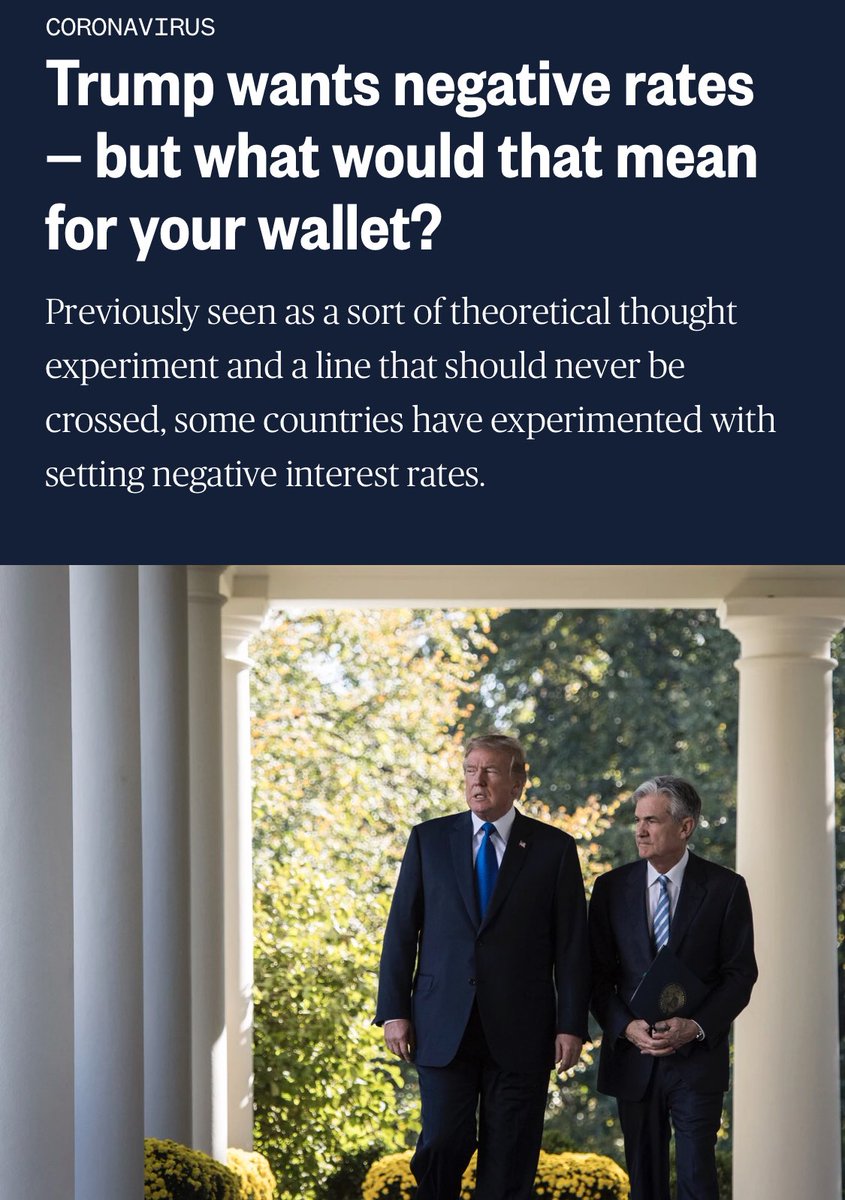
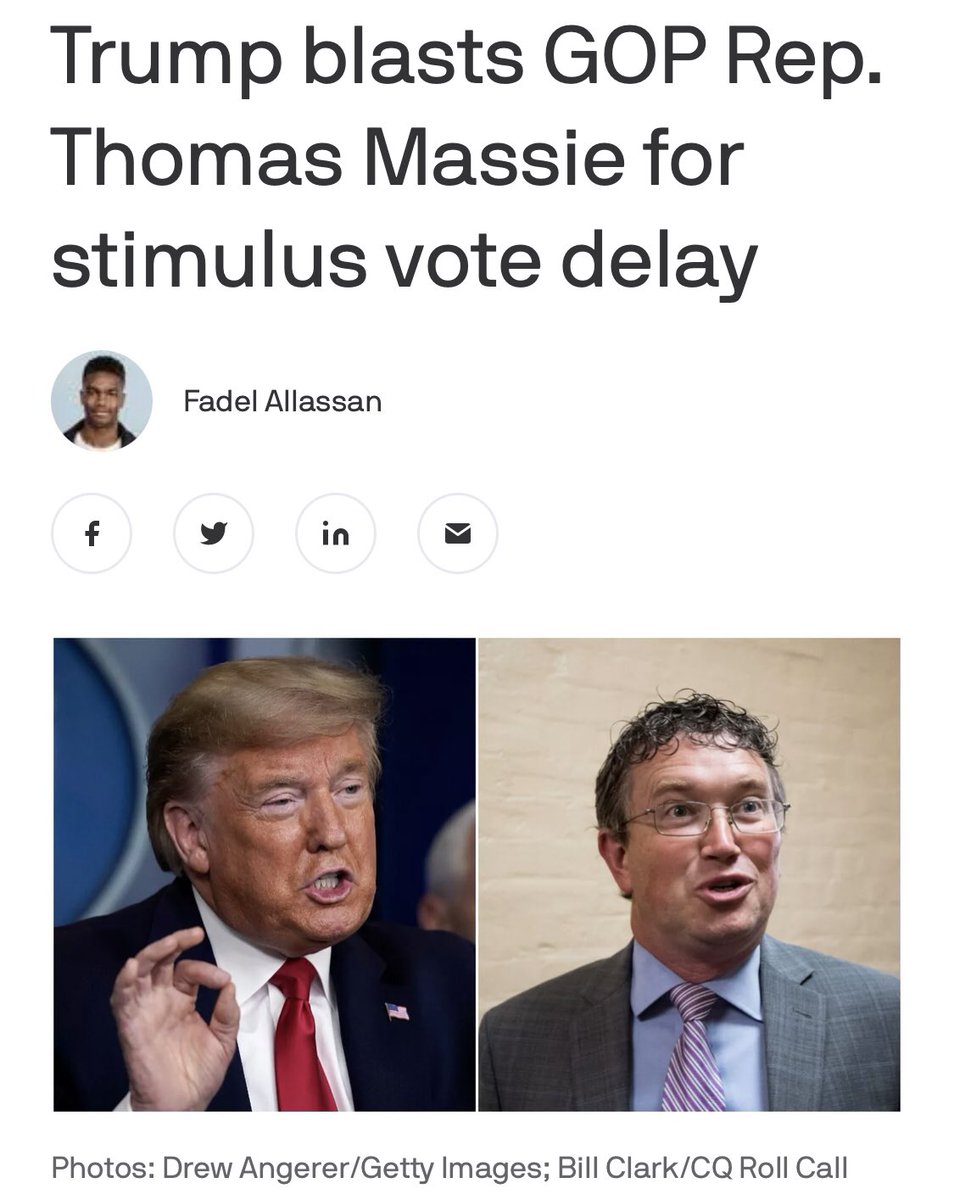
When you increase the money supply, the purchasing power of your dollar decreases. You should be fuming at the fact that Trump advocated for so much Covid Relief money; we’re now experiencing inflation.
When you increase the money supply, the purchasing power of your dollar decreases. You should be fuming at the fact that Trump advocated for so much Covid Relief money; we’re now experiencing inflation.
So what are we currently doing?
The Fed has risen rates to 3-3.25%, wanting it at 4.25-4.5% before 2022 ends.
They are also participating in Quantitive Tightening, the opposite of Quantitative Easing, to reduce the Fed’s balance sheet.
bankrate.com
The Fed has risen rates to 3-3.25%, wanting it at 4.25-4.5% before 2022 ends.
They are also participating in Quantitive Tightening, the opposite of Quantitative Easing, to reduce the Fed’s balance sheet.
bankrate.com
What’s this all mean for the average American? More suffering.
We were told that the current inflation we’re experiencing would be transitory (Inflation increases for short time, but is eventually slowed and levels out). However, Janet Yellen lied.
cnbc.com
We were told that the current inflation we’re experiencing would be transitory (Inflation increases for short time, but is eventually slowed and levels out). However, Janet Yellen lied.
cnbc.com
We were also told by Yellen that we would not experience a crisis or recession (2 Consecutive Quarters Negative GDP), but we have reached that point.
usnews.com
usnews.com
A May 2022 projection by the Federal Reserve Bank of New York shows the balance sheet declining to $5.9 trillion in 2025 as reserves fall to about 8 percent of nominal GDP and reverse repos are eliminated.
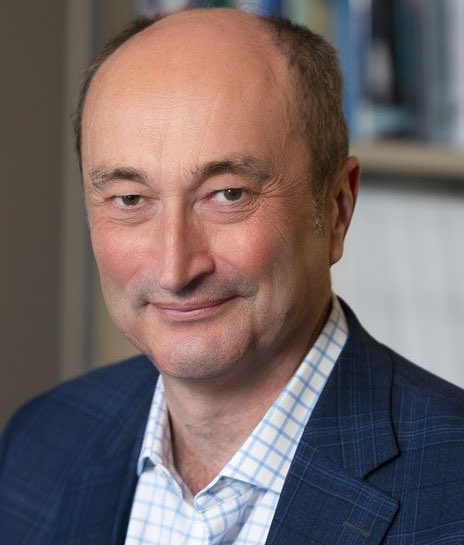
Economist Jonathan H. Wright said that likely is too big a drop.
Economist Jonathan H. Wright said that likely is too big a drop.
When reserves last neared that level in September 2019, market turmoil threatened the Fed’s ability to control short-term interest rates. And, he said, reverse repos are an important part of the transmission of monetary policy.

Thus, Wright expects the Fed’s balance sheet to decline only to about $7.5 trillion by the end of 2023 before it starts to grow again.
“My assumption is that QE will never get reversed, or even largely reversed,” Wright said.
brookings.edu
“My assumption is that QE will never get reversed, or even largely reversed,” Wright said.
brookings.edu
Cyber Attack & CBDC
- - -
I expect 2023 & beyond to be horrible. Not just politically, but economically. Most people are waiting on a complete dollar collapse & a false flag that leads to a reset of the financial system. I think it will occur through a cyber attack.
- - -
I expect 2023 & beyond to be horrible. Not just politically, but economically. Most people are waiting on a complete dollar collapse & a false flag that leads to a reset of the financial system. I think it will occur through a cyber attack.

Israel led a 10-country simulation of a major cyberattack on the global financial system. Sensitive data emerged on the DarkWeb.
The attack impacted global foreign exchange & bond markets, liquidity, etc.
The attack impacted global foreign exchange & bond markets, liquidity, etc.
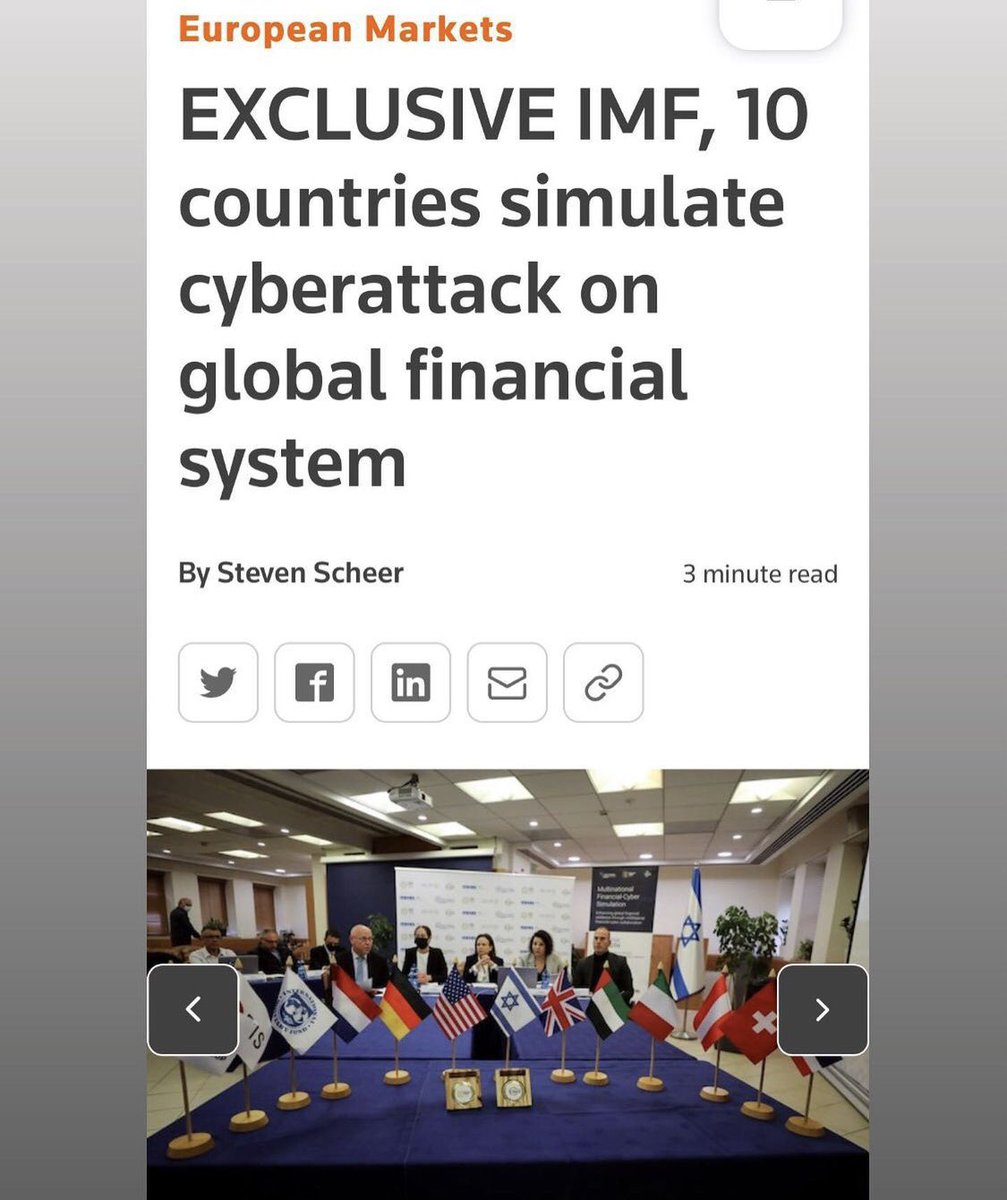
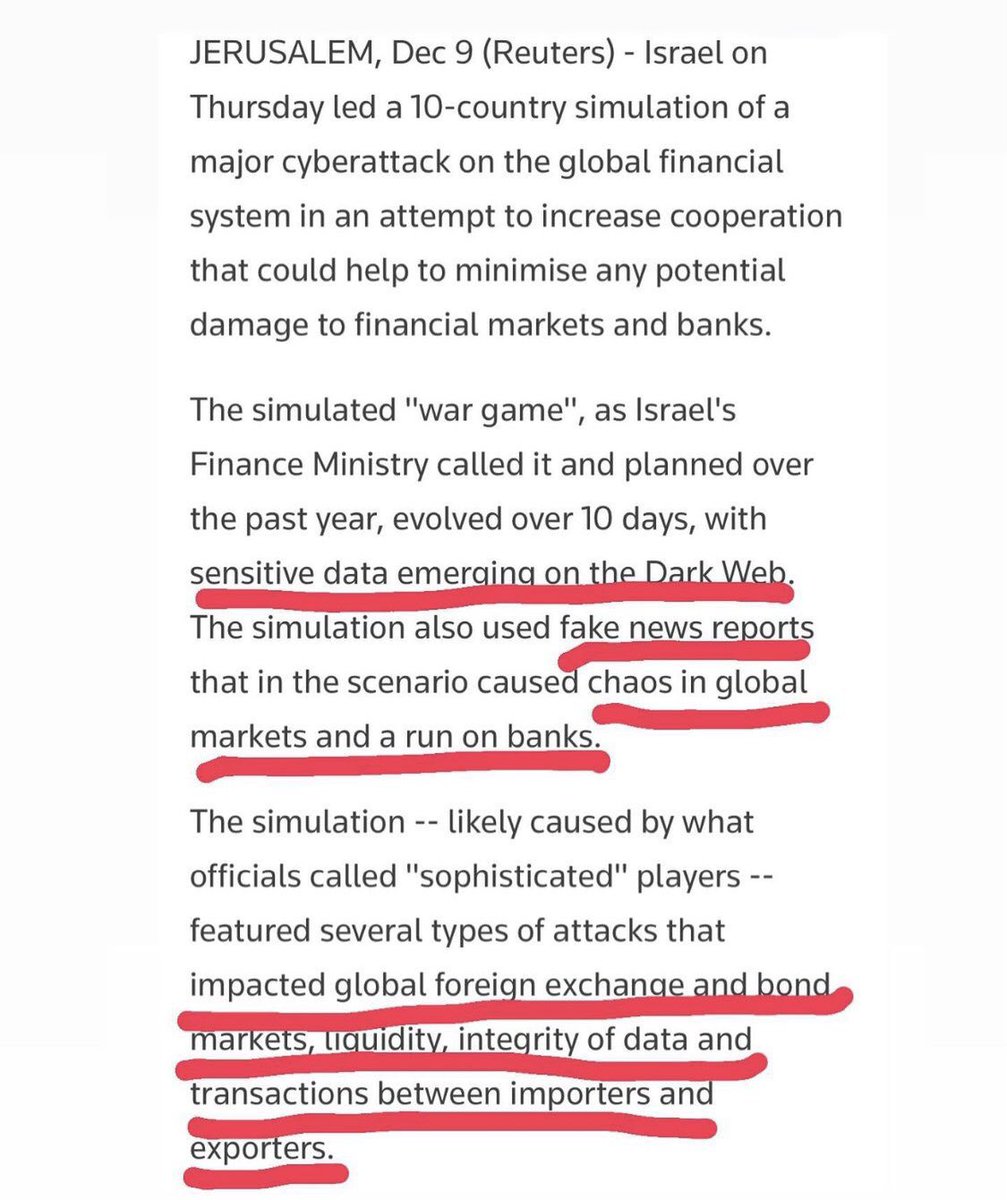
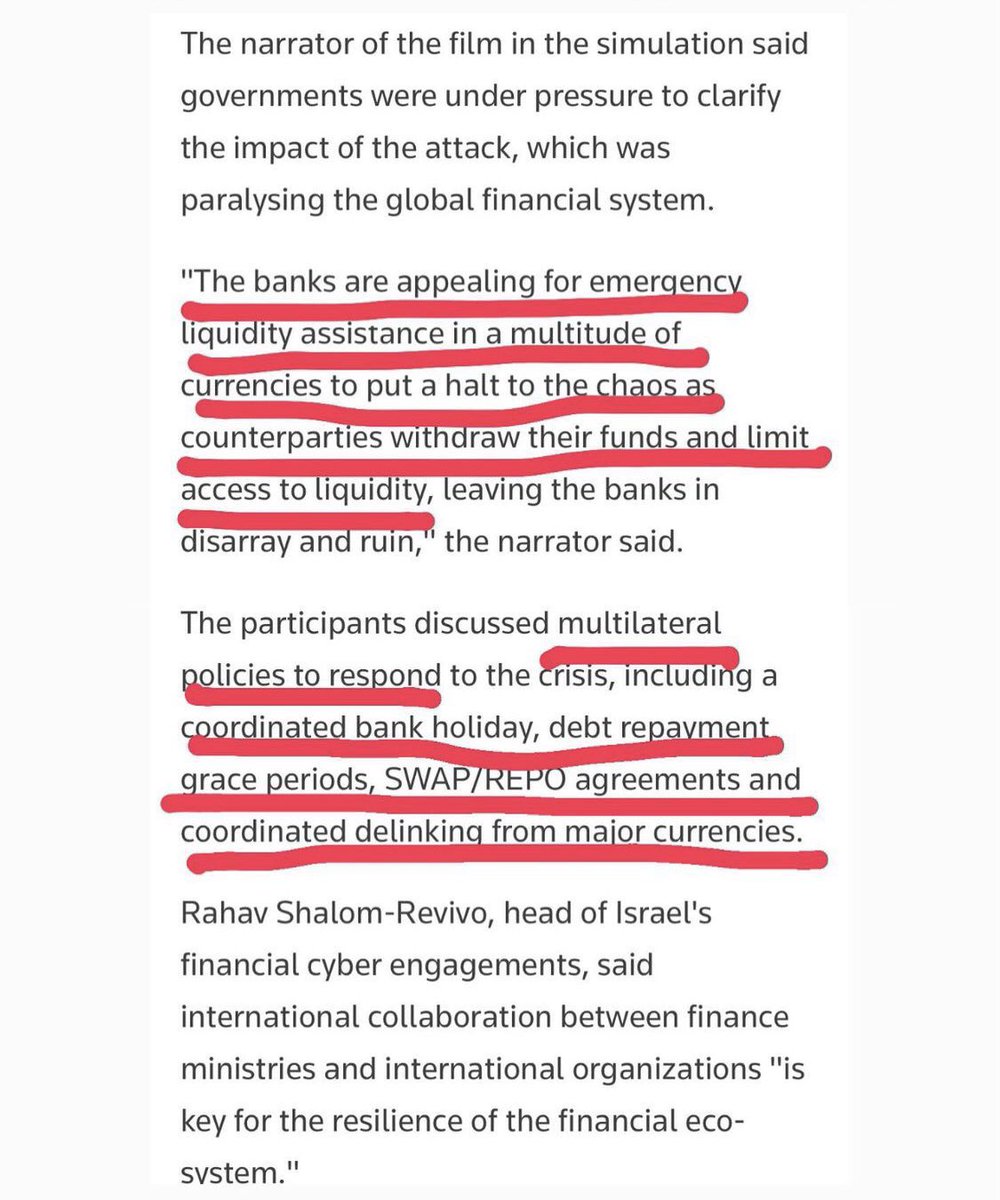
The participants discussed multilateral policies to respond to the crisis, including a coordinated bank holiday, debt repayment grace periods, SWAP/REPO agreements, and coordinated delinking from major currencies.
Predictive Programming
- - -
The X-Files: Take Over of America
- - -
The X-Files: Take Over of America
Klaus Schwab, WEF speaking on the threat of a cyber attack.

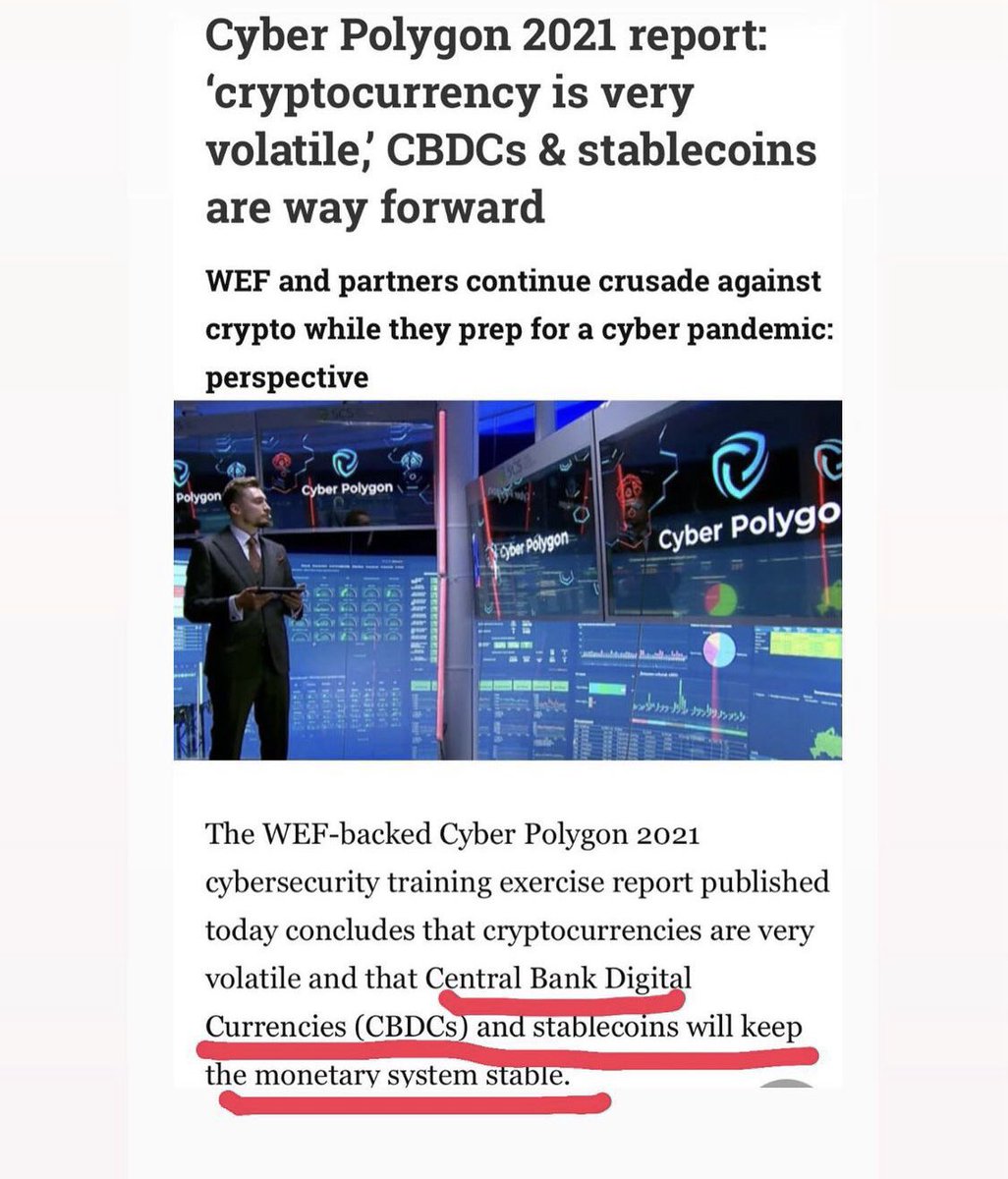
WEF has recommended Central Bank Digital Currencies as the solution moving forward, following the collapse of our current system.
Money and Payments: The U.S. Dollar in the Age of Digital Transformation
federalreserve.gov
federalreserve.gov

جاري تحميل الاقتراحات...