

Sawai Jai Singh of Amber was a unique personality of the 18 century, not many match his zeal for development & creation of forgotten sciences of astronomy, town planning & architecture when the country was torn by feud, intrigue & rebellion.
He ruled for 44 years, (1699-1743) !
He ruled for 44 years, (1699-1743) !
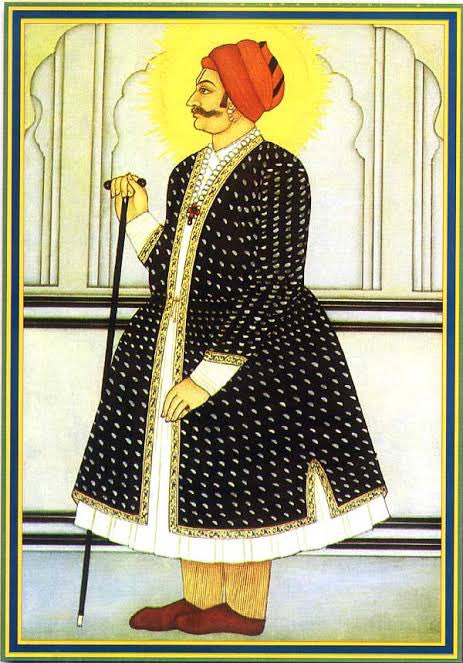
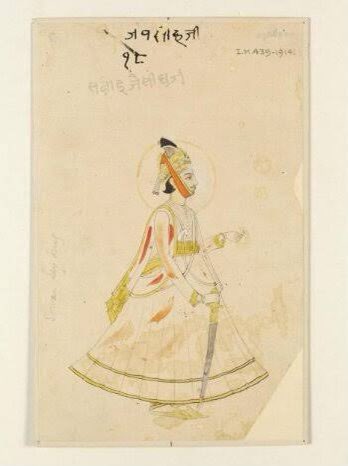
Contemporary of 5 Mughal Emperors, a keen astronomer who propagated the ancient science throughout the country.
5 stone observatories are testimony to his developmental urge.
Delhi
Jaipur
Varanasi
Ujjain &
Mathura.
Revived old traditions & ushered new celestial observatories !
5 stone observatories are testimony to his developmental urge.
Delhi
Jaipur
Varanasi
Ujjain &
Mathura.
Revived old traditions & ushered new celestial observatories !
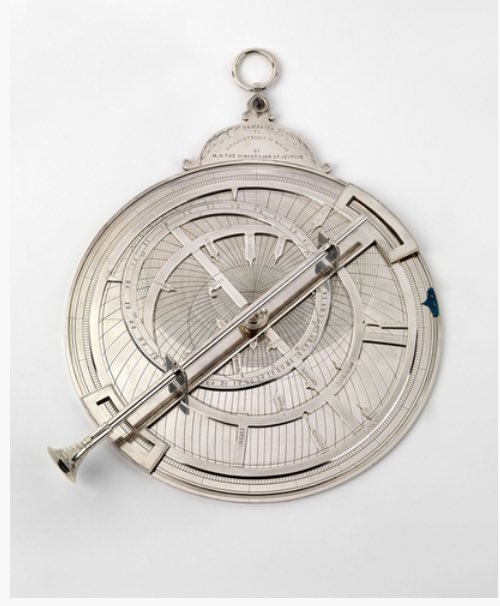
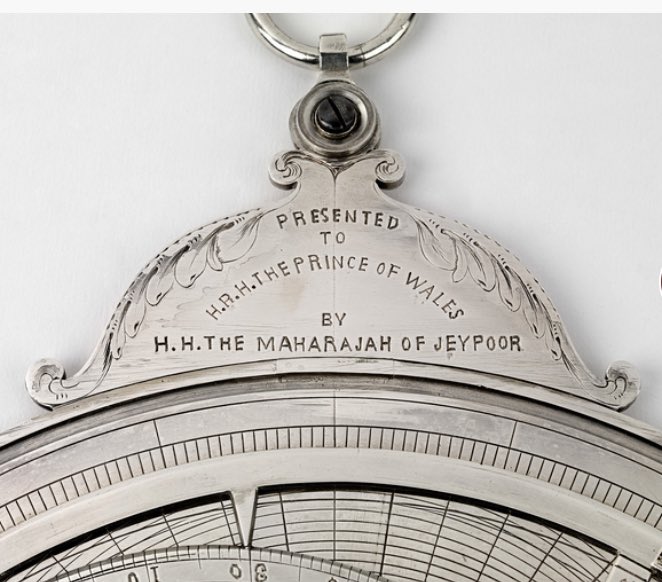
He is regarded as one of the most prominent astronomers for his contribution during Dark Ages of History. His work #Yantra_Raja in 2 vol, explains theory & practice of an astrolabe.
This presented by Ram Singh II to Prince of Wales.
Translated Arab & Persian works in Sanskrit.
This presented by Ram Singh II to Prince of Wales.
Translated Arab & Persian works in Sanskrit.
Scholars like Pandits Jagannath, (Samrat), Kewal Ram, Ratnakar, Vidhyadhar adorned his court.
Sawai Jai Singh brought fresh learning to astronomy, setting a unique tradition at a time when this science was dying out in India due to invasions & intermingling into Hindu traditions
Sawai Jai Singh brought fresh learning to astronomy, setting a unique tradition at a time when this science was dying out in India due to invasions & intermingling into Hindu traditions
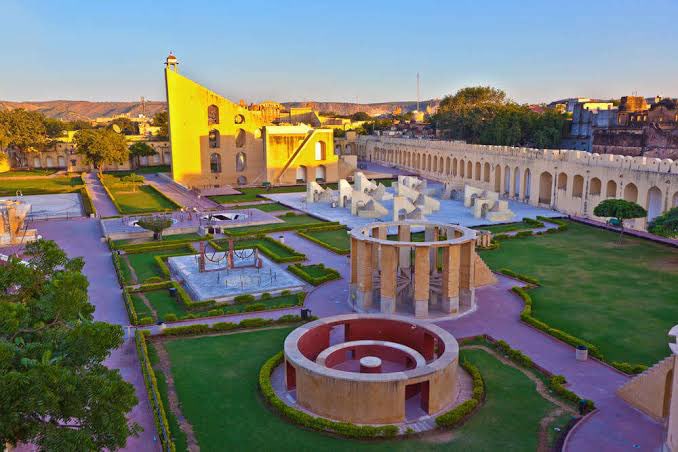
He built 5 great Stone Observatories, was a follower of ancient traditions of astronomy. He however, made huge masonry instruments rather than the older metal & wooden instruments of smal dimensions.
Samrat Yantra, it achieved precision in time measurement like never before.
Samrat Yantra, it achieved precision in time measurement like never before.
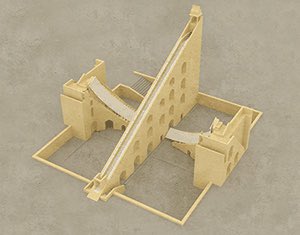
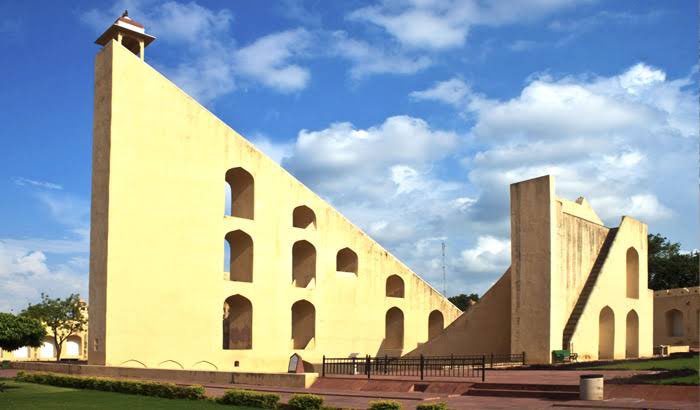
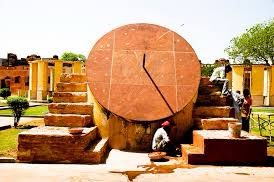
He himself developed instruments like Samrat, Jai Prakash & Rama Yantras. His instruments are free from European influences is another exceptional thing of the times. His contact with Europeans came after he had completed his Observatories. Though he did meet them earlier too.
Nehru, “Jai Singh would have been a remarkable Man anywhere & at any time. The fact that he rose & as a scientist in a typically feudal milieu of Rajputana & during the darkest ages, when disruption, tumult & war filled the scene, is very significant”!
The first observatory was completed in 1724 in Delhi, the second came up at his capital of Jaipur in 1734, 10 years after the first in Delhi & completed another three at Mathura, Ujjain & Varanasi in 15 years flat.
Ones at Delhi & Jaipur are well maintained. His instruments…
Ones at Delhi & Jaipur are well maintained. His instruments…

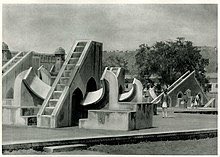
have astonished even modern scholars. WW Hunter, “Jai Singh himself devised 3 instruments Samrat, Jai Prakash & Rama Yantras are peculiar to his observatories & must be attributed to his ingenuity”.
Rama Yantras are inscribed with scales indicating angles of altitude & azimuth !
Rama Yantras are inscribed with scales indicating angles of altitude & azimuth !
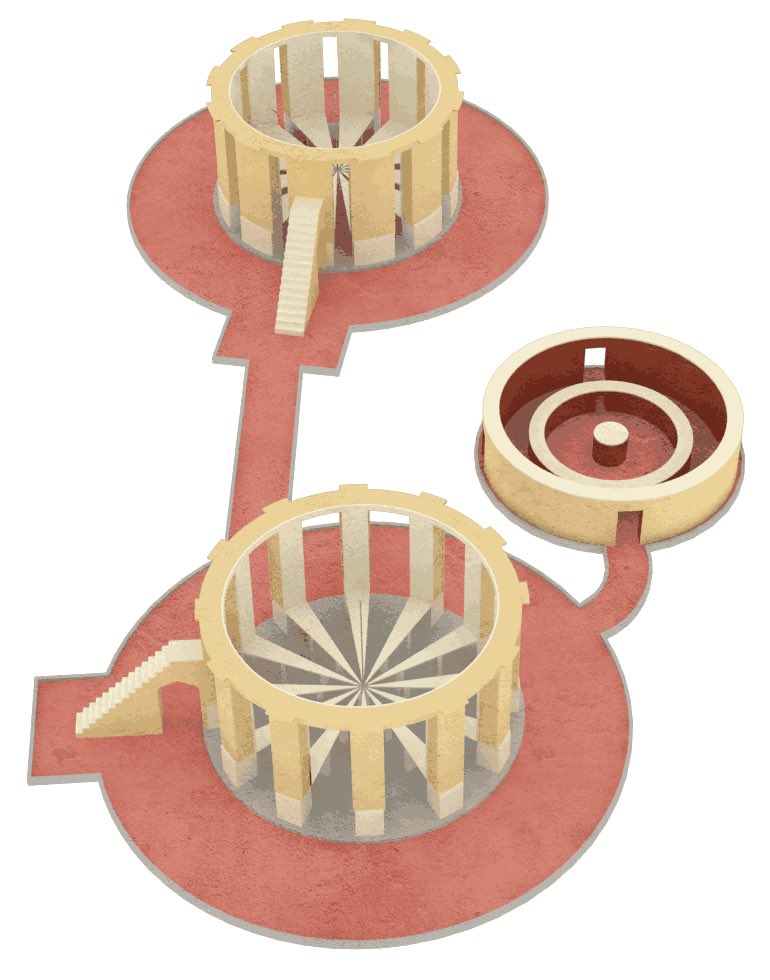
Jai Prakash Yantra is the most elaborate & complex instrument of Jai Singh. Consists of hemispherical cavities… ideal instrument for demonstrating the so called ‘doctrine of sphere’ & showing to eye the apparent motions of Sun.
It is more versatile than any of its predecessors.
It is more versatile than any of its predecessors.
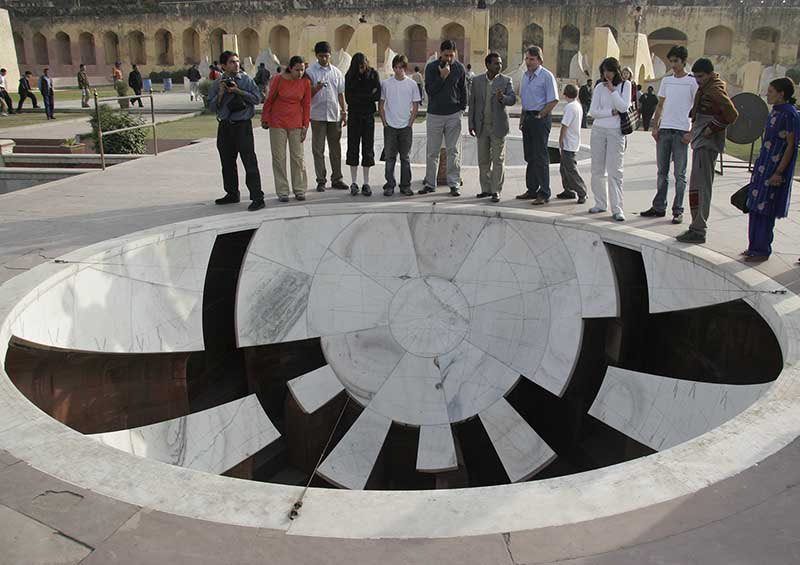
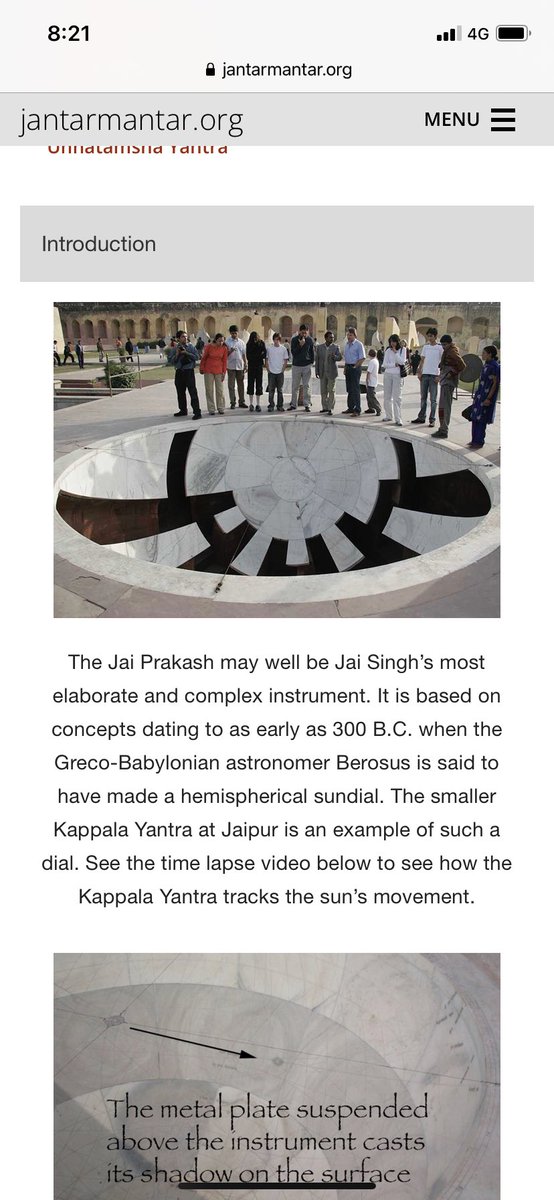
Besides these 3, other are ‘Ravi Valaya Yantra’, a group of 12 instruments in solid masonry for determining latitude & longitude. ‘Dakshina Vriti’ yantra for Meridian altitudes & ‘Yantra Raja’ an astrolabe.
He superseded astronomical tables of Ulugh Beg.
He superseded astronomical tables of Ulugh Beg.
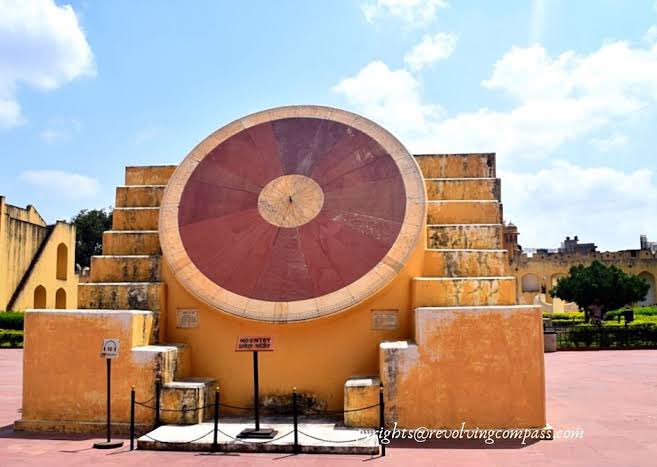
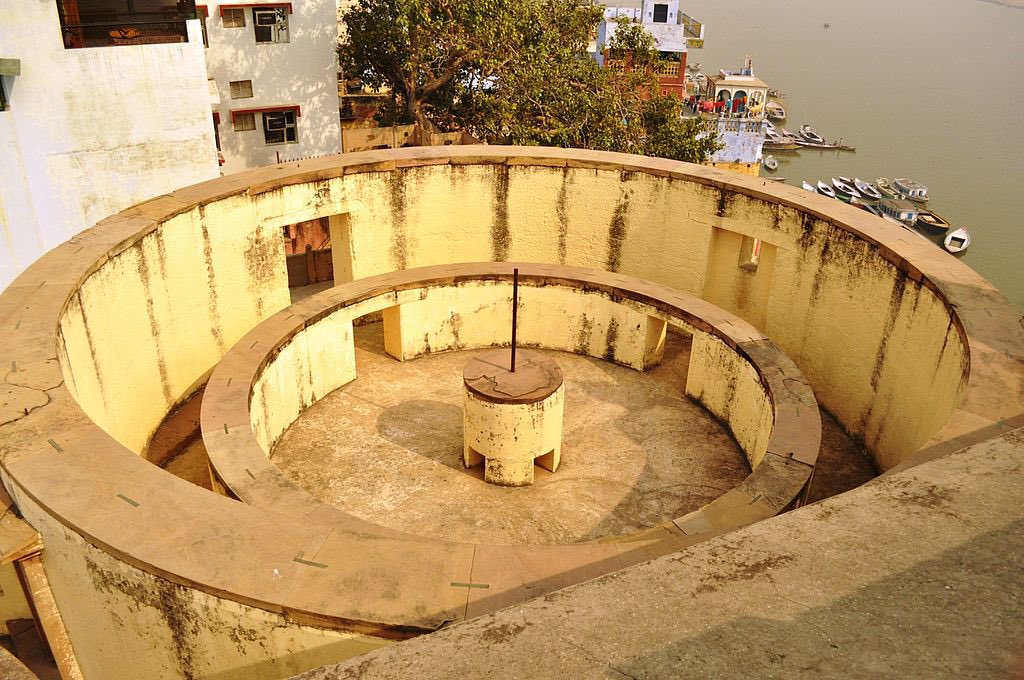
Jai Singh himself says, “since in the place by aid of Artificer, astronomical instruments have been constructed with all exactness that the heart can desire & the motions of the stars have for a long period constantly been observed with them”
Jai Singh collected French & Bavarian
Jai Singh collected French & Bavarian
missionaries besides maps & globes from the ‘Fereenghis’ from English at Surat. Also procured “Pere-de-la Hire’s tables from Portugal as well as other European tables.
He even sent his men overseas to collect more tables. Portuguese King sent Xavier De Silva to Jai Singh.
He even sent his men overseas to collect more tables. Portuguese King sent Xavier De Silva to Jai Singh.
Jai Singh invited French priest-astronomer Father Claude Boutier from Chandranagar.
Tieffenthaler visited Jaipur in 1745 two years after the death of Sawai Jai Singh.
It’s said that Jai Singh detected error in Pere de la Hire’s tables of half a degree in assigning Moon’s place…
Tieffenthaler visited Jaipur in 1745 two years after the death of Sawai Jai Singh.
It’s said that Jai Singh detected error in Pere de la Hire’s tables of half a degree in assigning Moon’s place…
as also in other planets. Dr Zakir Hussain while inaugurating a statue of Jai Singh remarked, “he had the courage to question #Surya_Siddanta which held sway in India for more than one & half millennium”. Also pointed errors in Ptolemy, Nasiruddin Tusi, Hipparchus, Ulugh Beg &…
Mulla Chand Fariduddin Masud, court astronomer of Shah Jahan. In his mathematical calculations he found the hypothesis that the orbits Sun & Moon had two diameters instead of one & confirmed his hypothesis meaning that orbits were elliptical than circular.
Though this was …
Though this was …
anticipated by Kepler a 100 years ago. But Jai Singh came to this conclusion independently of Kepler’s discovery.
So was his discovery of 4 satellites of Jupiter, this too wAs independent of Kepler, also established that Moon, Venus, Mercury received light from Sun.
So was his discovery of 4 satellites of Jupiter, this too wAs independent of Kepler, also established that Moon, Venus, Mercury received light from Sun.
Study of Astronomy has been universal but credit goes Sawai Jai Singh for freeing astronomy from foreign influences & impact. Provided new impetus to study & research on Indian soil with Indian background.
جاري تحميل الاقتراحات...