

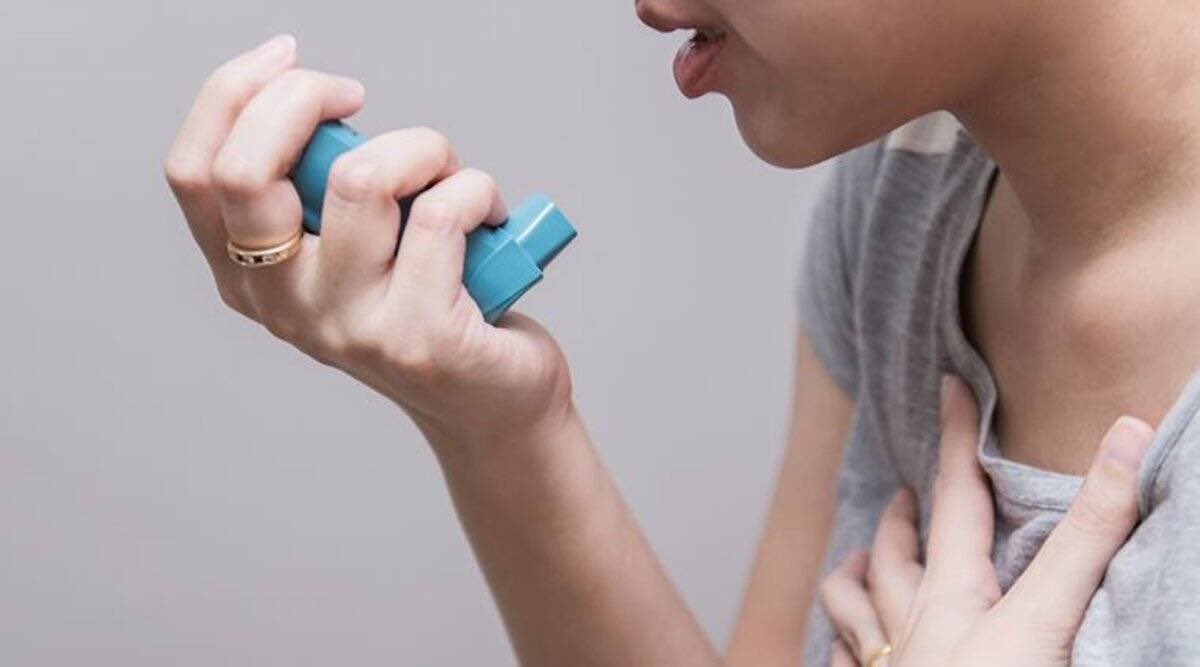
Definition:
chronic inflammatory disease of the respiratory system (narrowing airway passages),characterized by bronchial
hyperresponsiveness, episodic exacerbation(asthma attacks), and reversible airflow obstruction.
Note 📝 Asthma considered as obstructive and it’s reversible
chronic inflammatory disease of the respiratory system (narrowing airway passages),characterized by bronchial
hyperresponsiveness, episodic exacerbation(asthma attacks), and reversible airflow obstruction.
Note 📝 Asthma considered as obstructive and it’s reversible
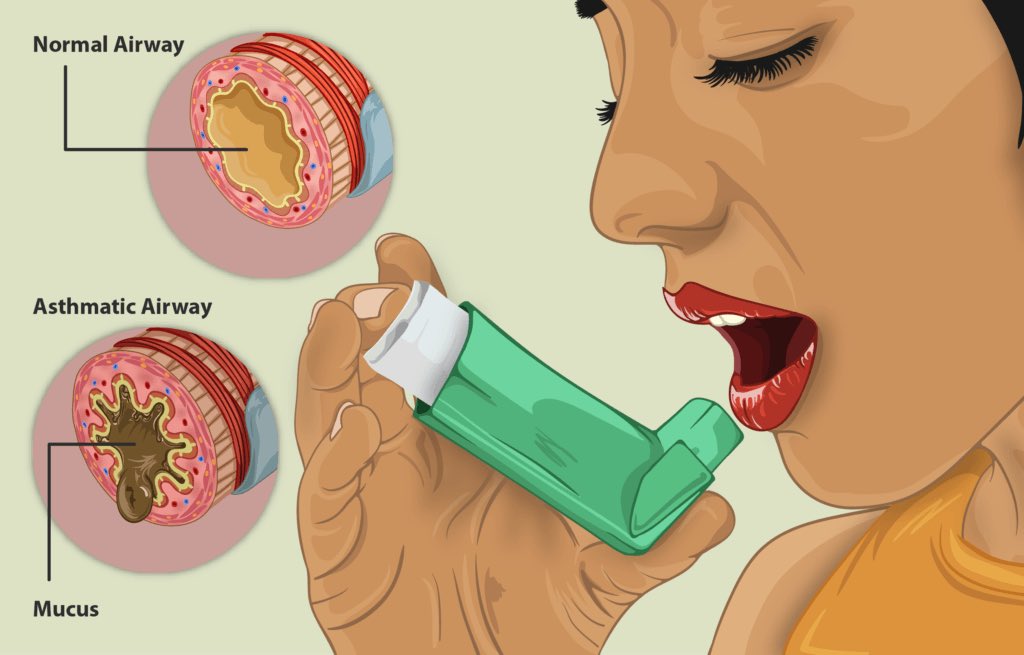
Etiology:
The exact etiology of asthma remains unknown.
Asthma triggers:
1-allergic asthma:
• Environmental allergens: pollen (seasonal), dust mites, domestic animals, mold spores.
• Allergic occupational asthma from exposure to allergen in the workplace (e.g., flour dust)
The exact etiology of asthma remains unknown.
Asthma triggers:
1-allergic asthma:
• Environmental allergens: pollen (seasonal), dust mites, domestic animals, mold spores.
• Allergic occupational asthma from exposure to allergen in the workplace (e.g., flour dust)


2-non allergic asthma
• Viral respiratory tract infections
• Cold air
• Physical exertion
• GERD
• Chronic sinusitis or rhinitis
• Medication: like ASA, NSIDS and beta blockers
• Irritant-induced asthma (e.g., from exposure to solvents, ozone, tobacco or wood smoke).
• Viral respiratory tract infections
• Cold air
• Physical exertion
• GERD
• Chronic sinusitis or rhinitis
• Medication: like ASA, NSIDS and beta blockers
• Irritant-induced asthma (e.g., from exposure to solvents, ozone, tobacco or wood smoke).
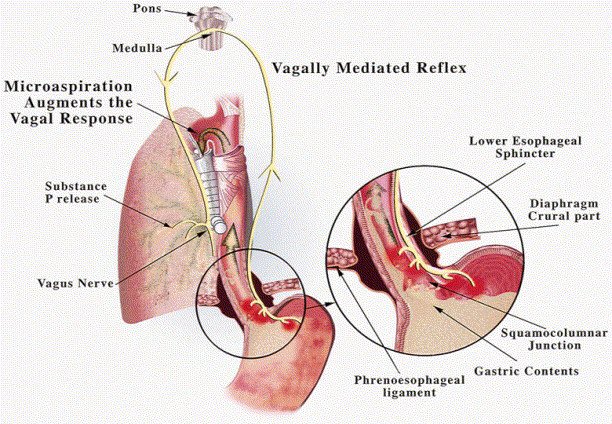
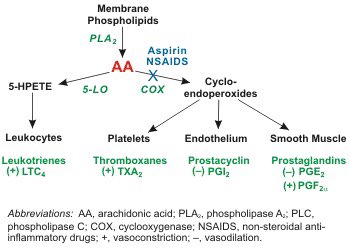
Pathophysiology:
Allergen bind to (T-helper ll cells) release:
•interleukin-4
•interleukin-5
•interleukin-4 activate plasma to release more (IgE) it’s bind to mast cells to release histamine and leukotrienes.
•interleukin-5 eosinophils to release leukotrienes and proteases.
Allergen bind to (T-helper ll cells) release:
•interleukin-4
•interleukin-5
•interleukin-4 activate plasma to release more (IgE) it’s bind to mast cells to release histamine and leukotrienes.
•interleukin-5 eosinophils to release leukotrienes and proteases.
All this lead to:
1-bronchiconstriction
2-inflamed mucosa and build up mucous
3-increase vascular permeability
Note 📝 this can be by over time fibrotic and leave scars on lung tissues.
1-bronchiconstriction
2-inflamed mucosa and build up mucous
3-increase vascular permeability
Note 📝 this can be by over time fibrotic and leave scars on lung tissues.

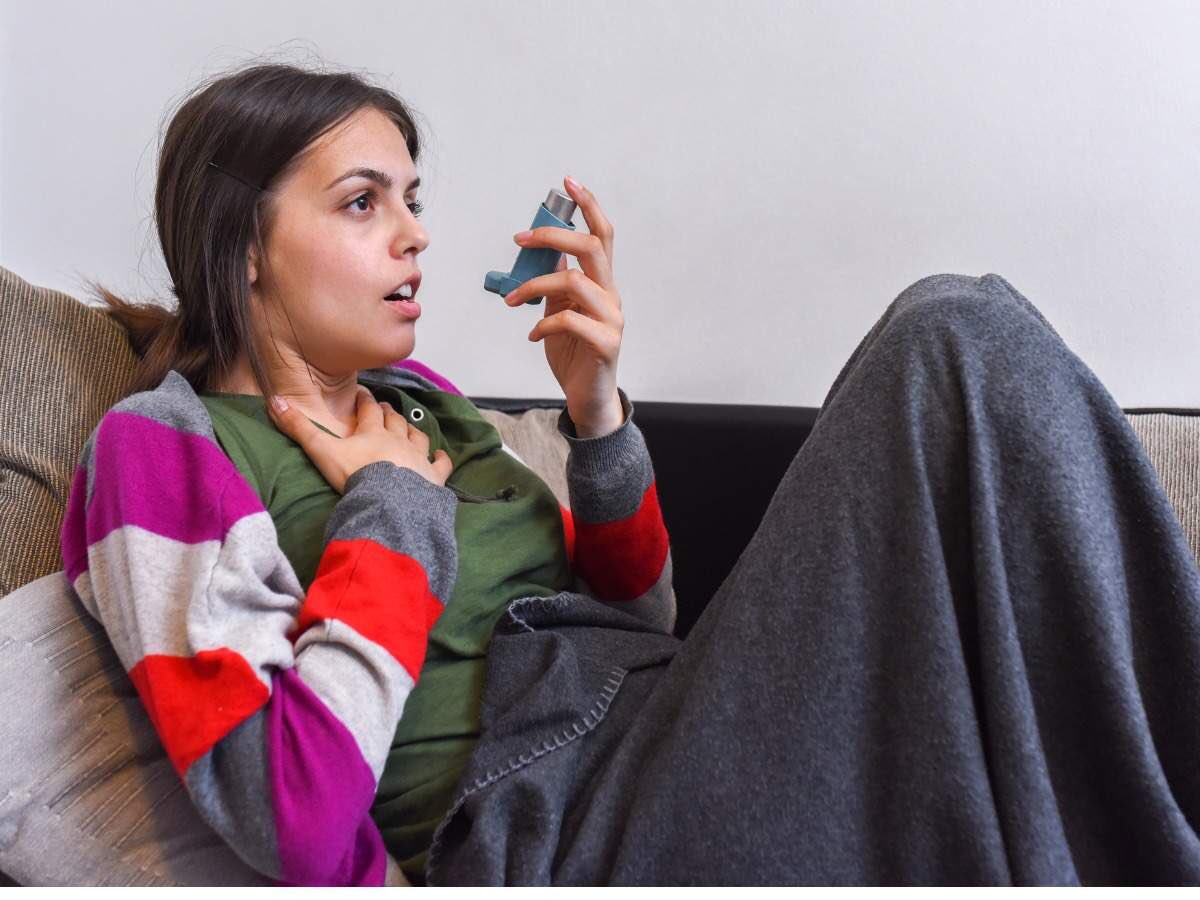
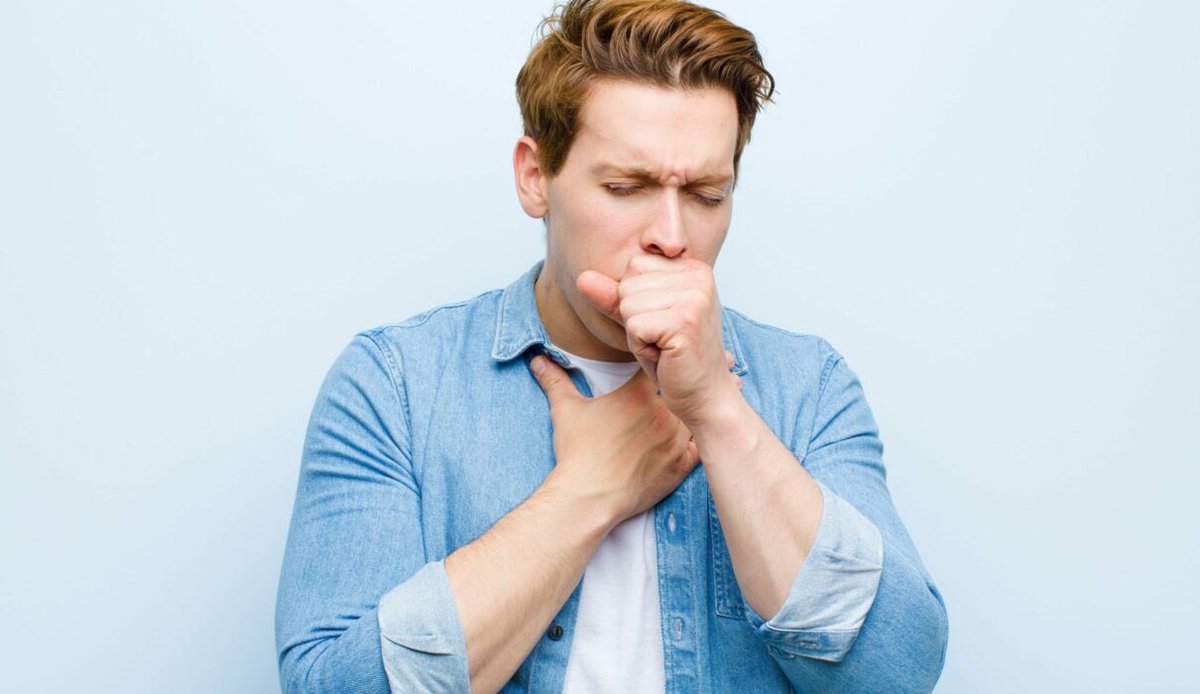
Signs and symptoms include:
• Shortness of breath.
• Coughing.
• Chest tightness or pain.
• Wheezing when exhaling.
• Accessory muscles use.
• Hyper-resonance with percussion
• Shortness of breath.
• Coughing.
• Chest tightness or pain.
• Wheezing when exhaling.
• Accessory muscles use.
• Hyper-resonance with percussion
Diagnosis of asthma:
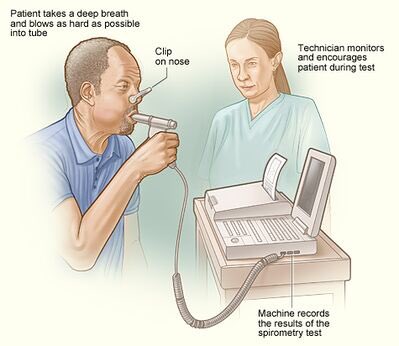
1-pt symptomatic we do:
Pulmonary function test (PFT)
Depends on:
-Forced vital capacity (FVC)
-Forced expiratory volume in one second (FEV1)
FEV1/FVC <75% ➡️Obstructive
If we give pt (SABA) beta2 agonist short-acting:
FEV1 > 12% ➡️asthma.
FEV1 < 12% ➡️COPD
1-pt symptomatic we do:
Pulmonary function test (PFT)
Depends on:
-Forced vital capacity (FVC)
-Forced expiratory volume in one second (FEV1)
FEV1/FVC <75% ➡️Obstructive
If we give pt (SABA) beta2 agonist short-acting:
FEV1 > 12% ➡️asthma.
FEV1 < 12% ➡️COPD
2-if pt asymptomatic we do:
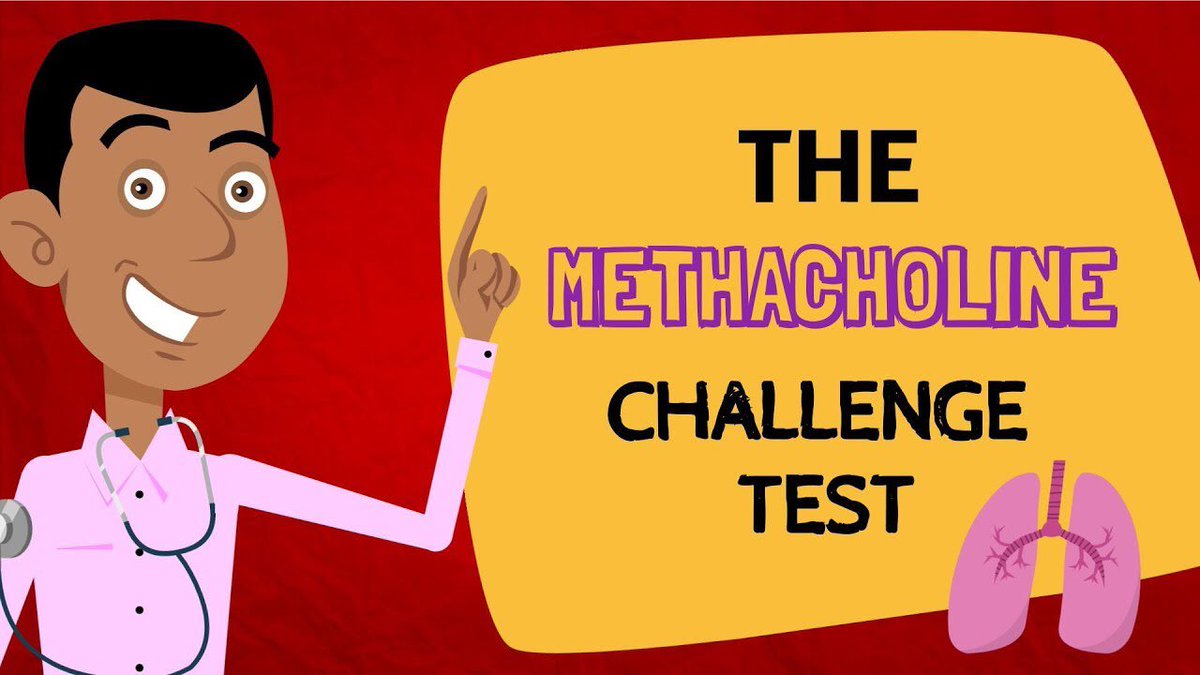
methacholine challenge test
FEV1/FVC < 75% and we give methacholine (muscarinic agonist, a bronchoconstrictor agent) cause bonchoconstriction.
If PEV1 drops 20% or more from the original so it’s asthma.
methacholine challenge test
FEV1/FVC < 75% and we give methacholine (muscarinic agonist, a bronchoconstrictor agent) cause bonchoconstriction.
If PEV1 drops 20% or more from the original so it’s asthma.
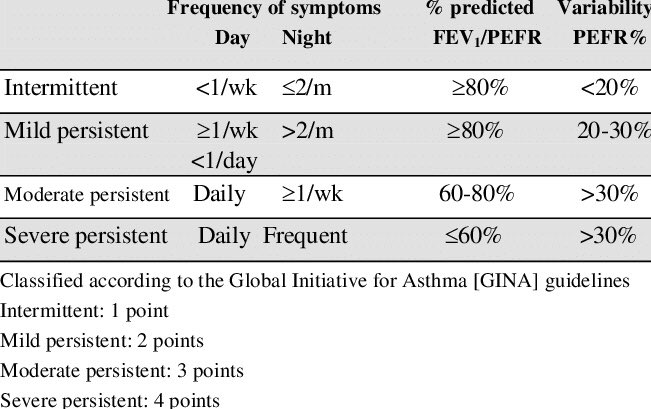
Classification of severity of asthma:
1-intermittent
2-mild persistent
3-moderate persistent
4-severe persistent
1-intermittent
2-mild persistent
3-moderate persistent
4-severe persistent
Treatment:
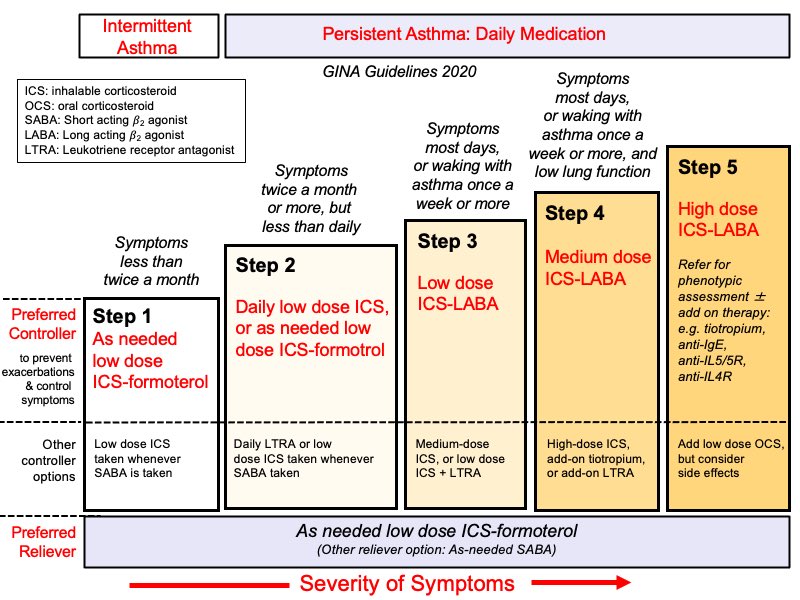
1-intermittent (SABA) short acting beta2 agonist.
2-mild persistent (SABA + low dose of inhaled corticosteroid ICS).
3-moderate persistent (SABA + medium dose ICS).
or (SABA + low dose of ICS + LABA long acting beta2 agonist).
1-intermittent (SABA) short acting beta2 agonist.
2-mild persistent (SABA + low dose of inhaled corticosteroid ICS).
3-moderate persistent (SABA + medium dose ICS).
or (SABA + low dose of ICS + LABA long acting beta2 agonist).
4-severe persistent:
1- SABA + medium dose ICS + LABA
If doesn’t work
2-SABA + high dose ICS + LABA
If doesn’t work
3-SABA + high dose ICS + LABA + oral corticosteroid
1- SABA + medium dose ICS + LABA
If doesn’t work
2-SABA + high dose ICS + LABA
If doesn’t work
3-SABA + high dose ICS + LABA + oral corticosteroid
Note 📝 we can replace low or medium dose ICS or LABA with:
1-mast cell stabilizers (chromoly sodium).
2-leukotrienes receptor antagonist (LTRA).
3-anti IgE (omalizumab).
1-mast cell stabilizers (chromoly sodium).
2-leukotrienes receptor antagonist (LTRA).
3-anti IgE (omalizumab).
exacerbation of asthma (asthma attack):
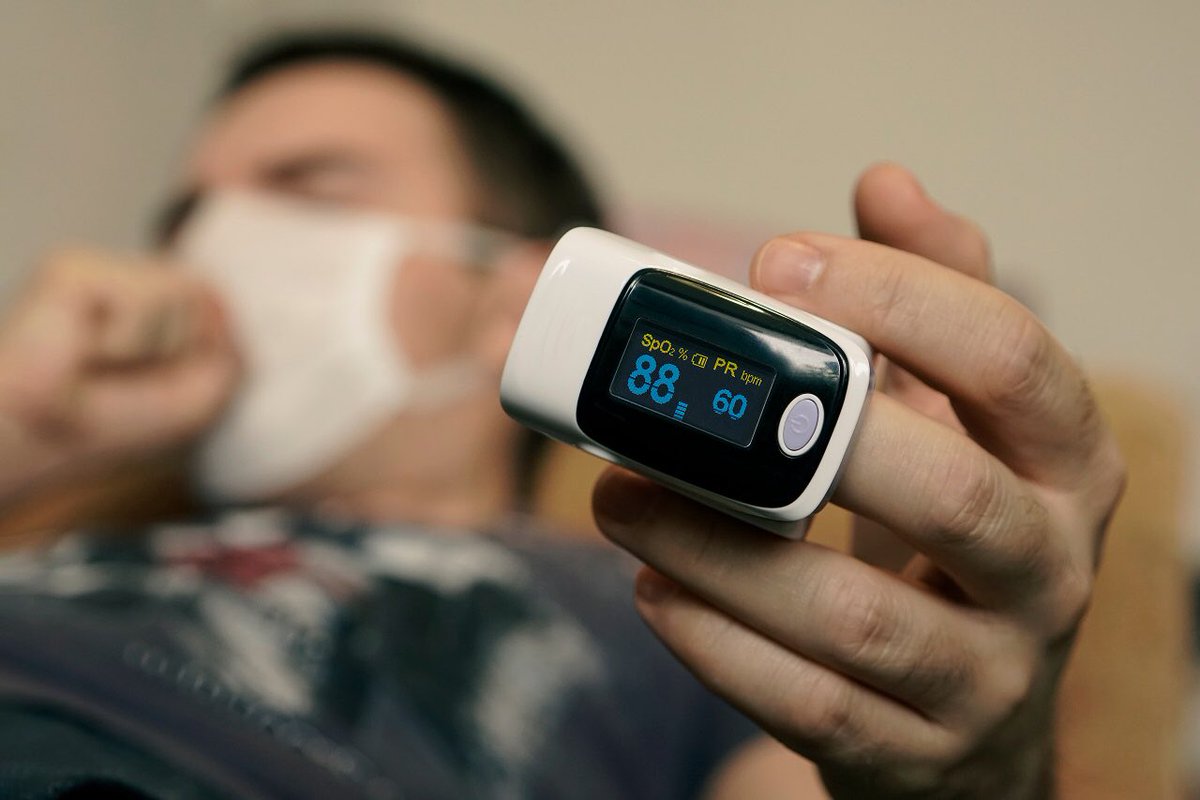
O2 < 92%
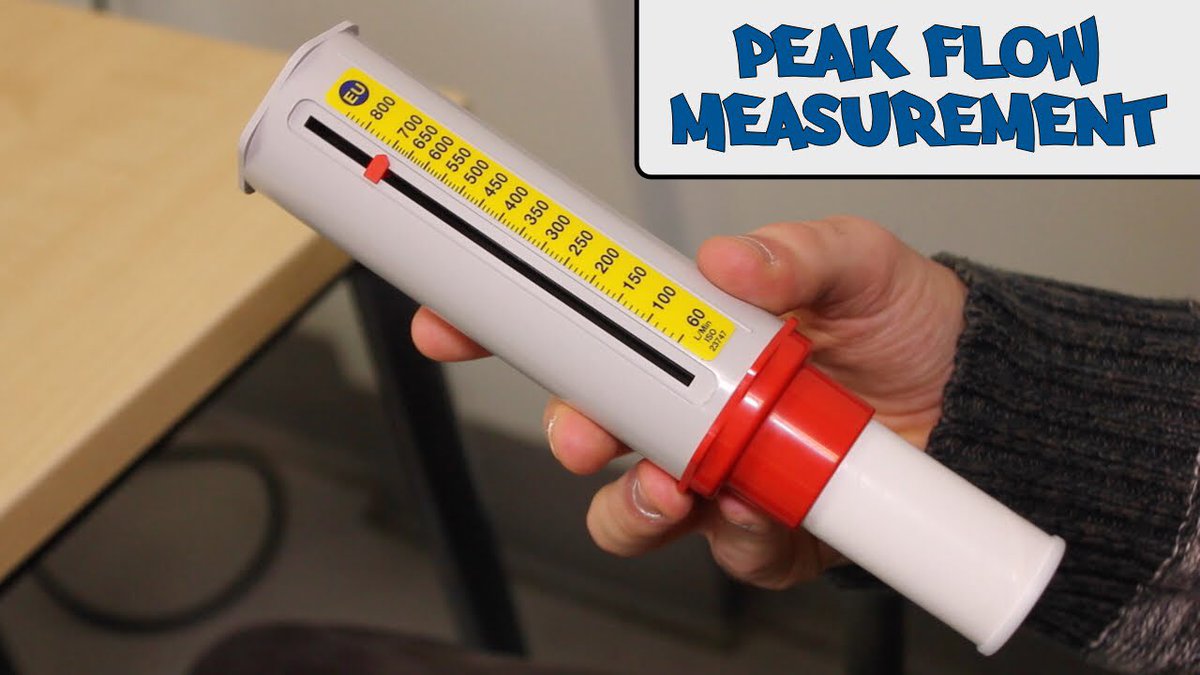
Peak expiratory flow rate (PEFR) <25%
No wheezing
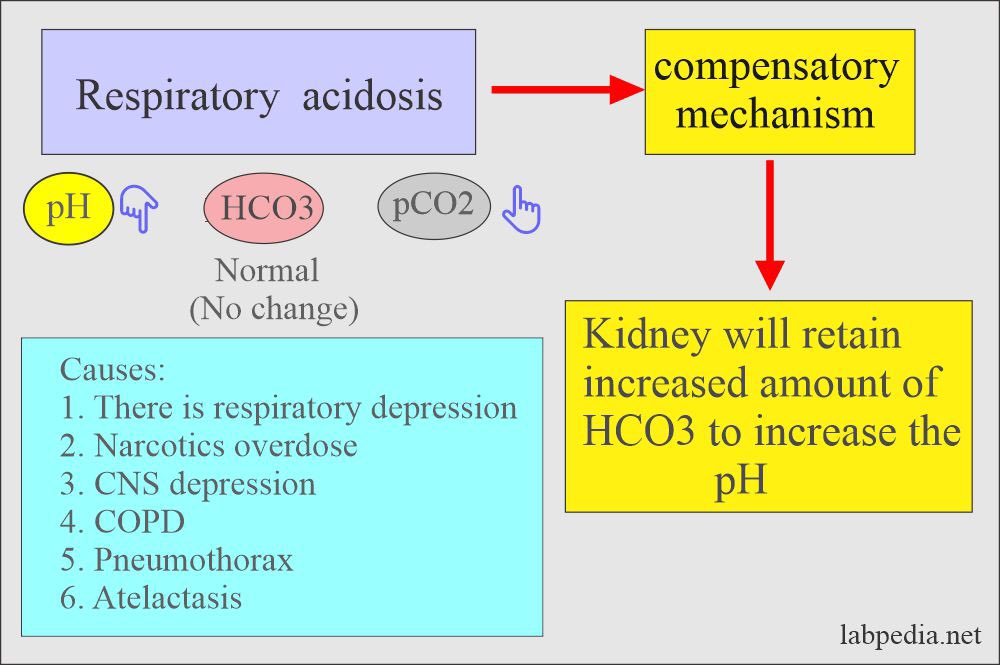
ABG shows increase PCO2 (respiratory acidosis).
O2 < 92%
Peak expiratory flow rate (PEFR) <25%
No wheezing
ABG shows increase PCO2 (respiratory acidosis).
Management:
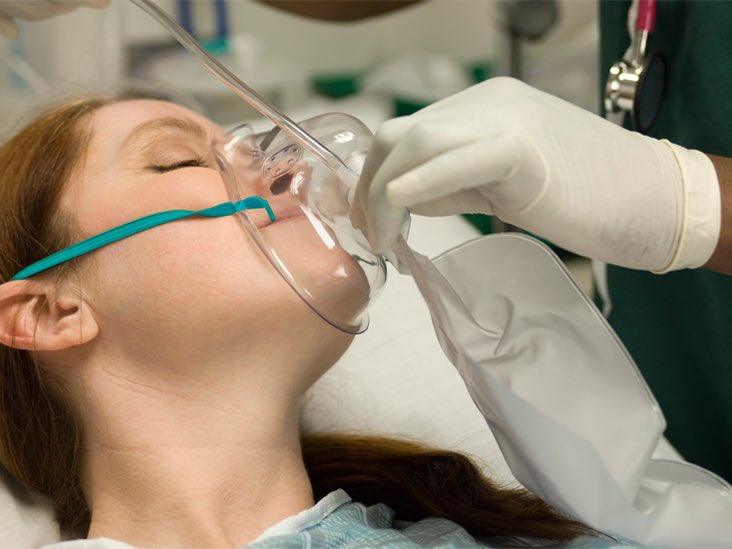
1-non rebreather mask
1-non rebreather mask
If doesn’t work
2-SABA + Ipratropium bromide (muscrinic receptor antagonist).
If doesn’t work
3-IV or PO corticosteroids
2-SABA + Ipratropium bromide (muscrinic receptor antagonist).
If doesn’t work
3-IV or PO corticosteroids
If doesn’t work
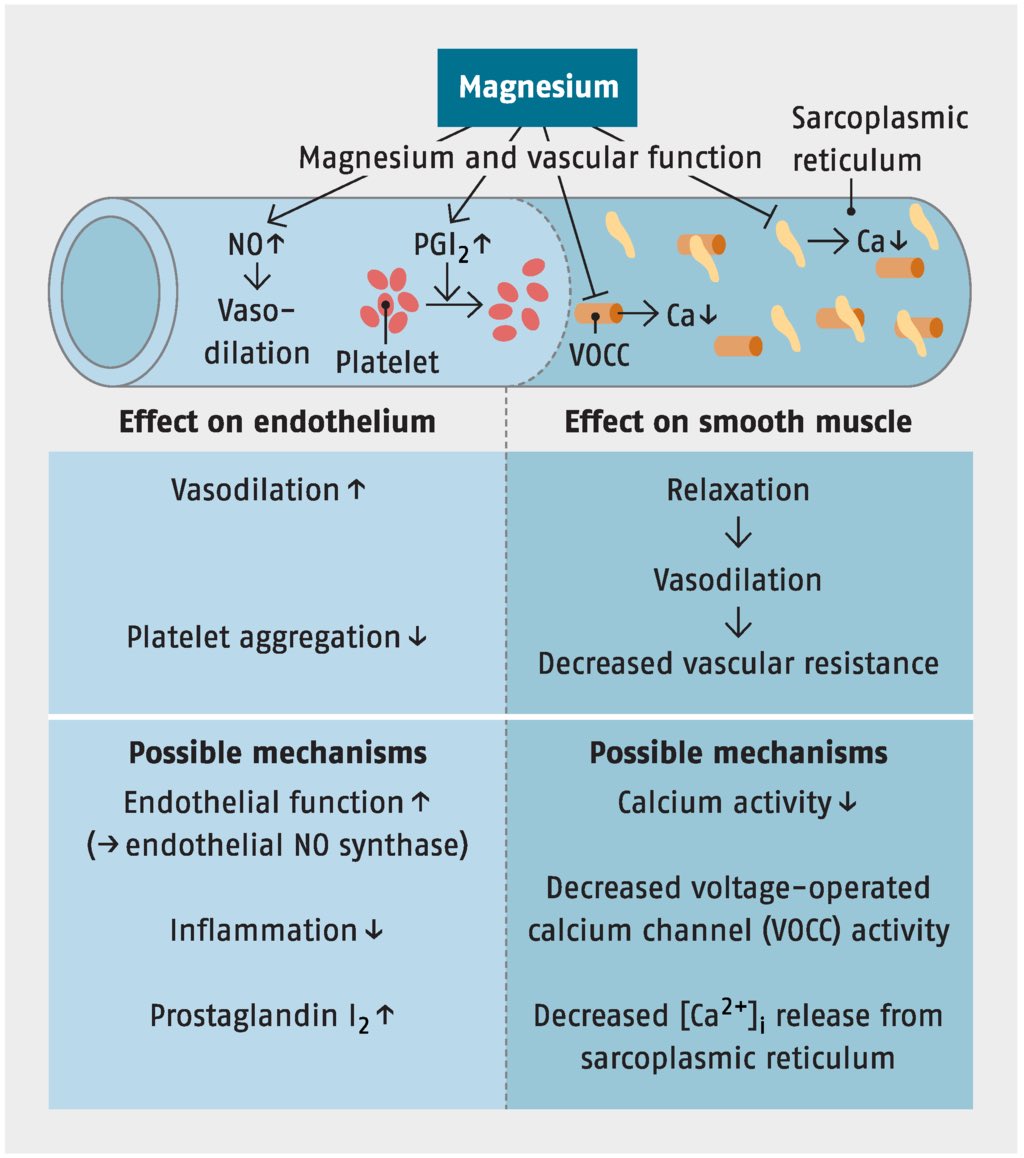
4-iV magnesium sulfate (block calcium channels and cause smooth muscles dilation).
4-iV magnesium sulfate (block calcium channels and cause smooth muscles dilation).
If doesn’t work
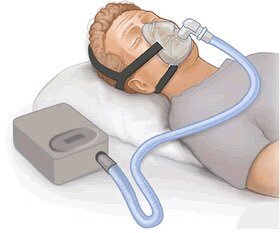
5-positive pressure ventilation (CPAP)
5-positive pressure ventilation (CPAP)
If doesn’t work
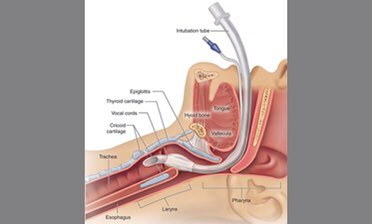
6-intubate the pt
6-intubate the pt
جاري تحميل الاقتراحات...