

Lets talk a bit about orderblocks, a key component for every price action trader. I'll walk you through the principles that govern them and how to use the fundamentals behind them to your advantage.
But first, we need to understand two key concepts: supply and demand.
But first, we need to understand two key concepts: supply and demand.

What is supply? What is demand?
Supply and demand levels tend to be untouched areas of interest that can potentially provide short-term liquidity to give the market a reversal.
How do we spot supply and demand zones? Through orderblocks.
Supply and demand levels tend to be untouched areas of interest that can potentially provide short-term liquidity to give the market a reversal.
How do we spot supply and demand zones? Through orderblocks.
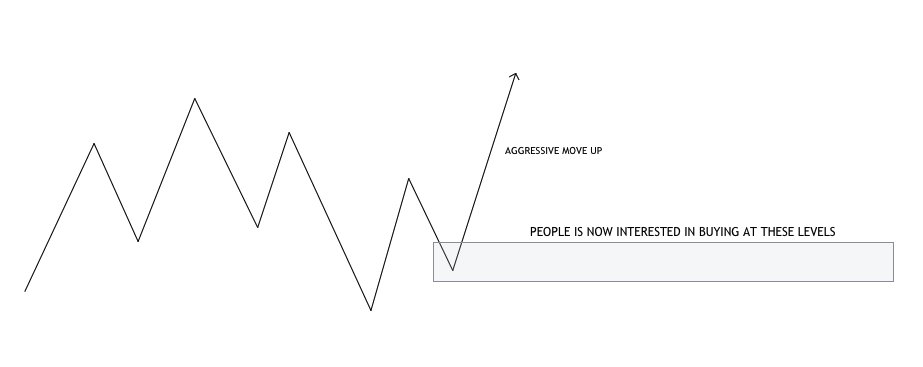
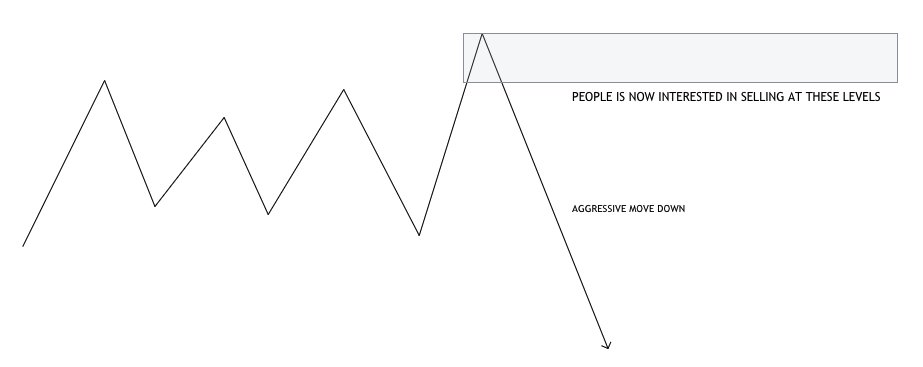
Orderblocks constitute supply and demand areas in a visual way. They offer precise entries and easy invalidation levels; therefore, they are a fundamental pillar to price action trading.
But fundamentally speaking, orderblocks are zones in which price denotes a level of interest, as its name states: collective/group of orders can be found in them. Therefore they allow us to be strict in our SL placement.
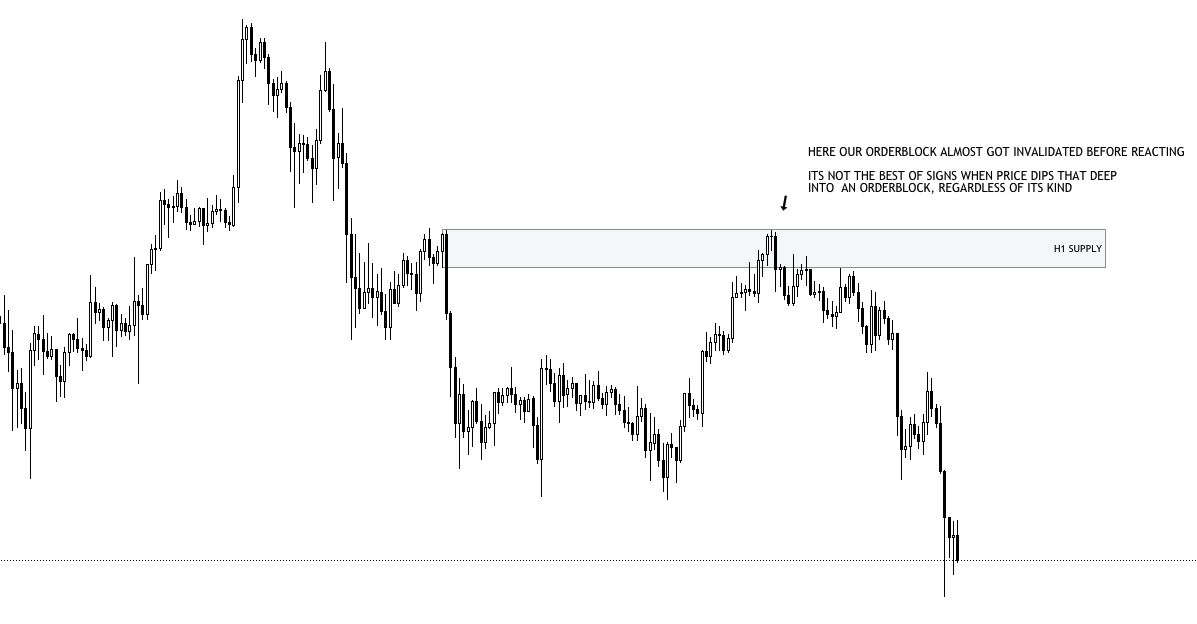
In orderblocks, liquidity is injected to be used at a future time, therefore the reaction from them is usually aggressive.
Now, how can we identify an oderblock in our charts?
An orderblock is a down/up candle near a key level that preceded an impulsive move up/down.
Now, how can we identify an oderblock in our charts?
An orderblock is a down/up candle near a key level that preceded an impulsive move up/down.
There is two types of them: bullish and bearish.
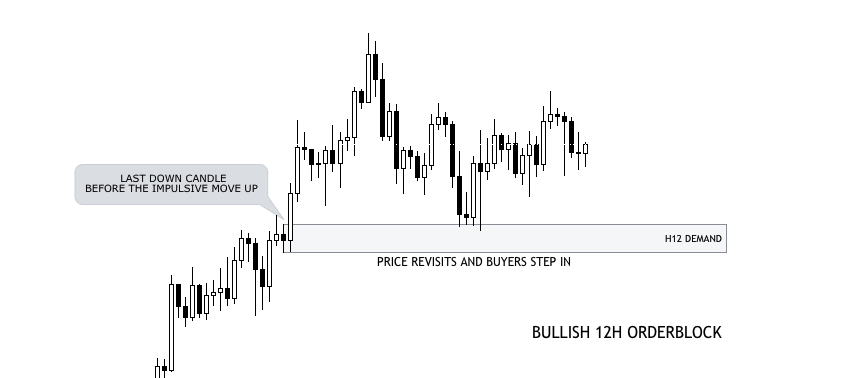
-A bullish orderblock is a down candle near a support level that preceded an impulsive move up
-A bearish orderblock is an up candle at/near a resistance level that preceded an impulsive the move down
-A bullish orderblock is a down candle near a support level that preceded an impulsive move up
-A bearish orderblock is an up candle at/near a resistance level that preceded an impulsive the move down
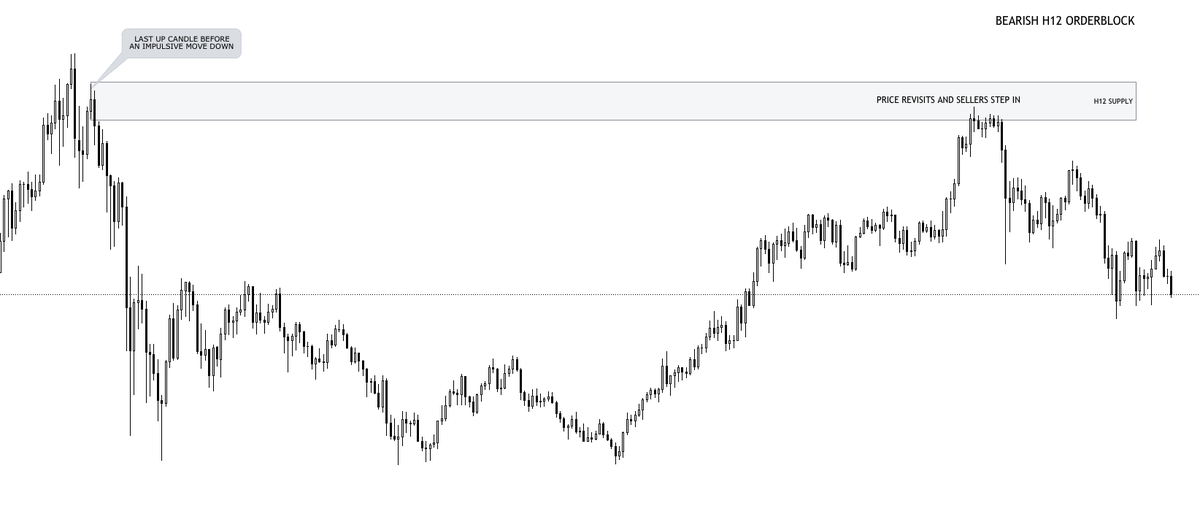
But not all orderblocks are tradeable orderblocks. What makes an orderblock valid? Well, there is some criteria to it.
For an Orderblock to be valid (personal criteria)
1. It should be located near a HTF support or resistance level (at least on a directional bias timeframe)
2. The orderblock must precede a break in market structure
3. The rally preceded by the orderblock must be two times the OB
1. It should be located near a HTF support or resistance level (at least on a directional bias timeframe)
2. The orderblock must precede a break in market structure
3. The rally preceded by the orderblock must be two times the OB
It doesnt have to fit the three of them, but the more you have, the better. Executing involves a lot of context and is expected from you to add some.
How can you execute on them? There is two ways to approach orderblocks.
How can you execute on them? There is two ways to approach orderblocks.
1. Setting bids/asks at the top/bottom of the orderblock and placing your SL on the opposite extreme
2. Sniping entries (refining them through LTF price action)
Here is method 1, using some live examples:
2. Sniping entries (refining them through LTF price action)
Here is method 1, using some live examples:
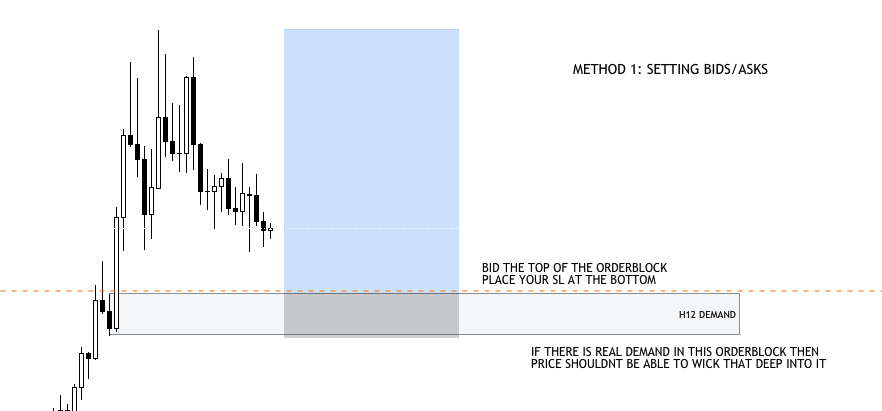
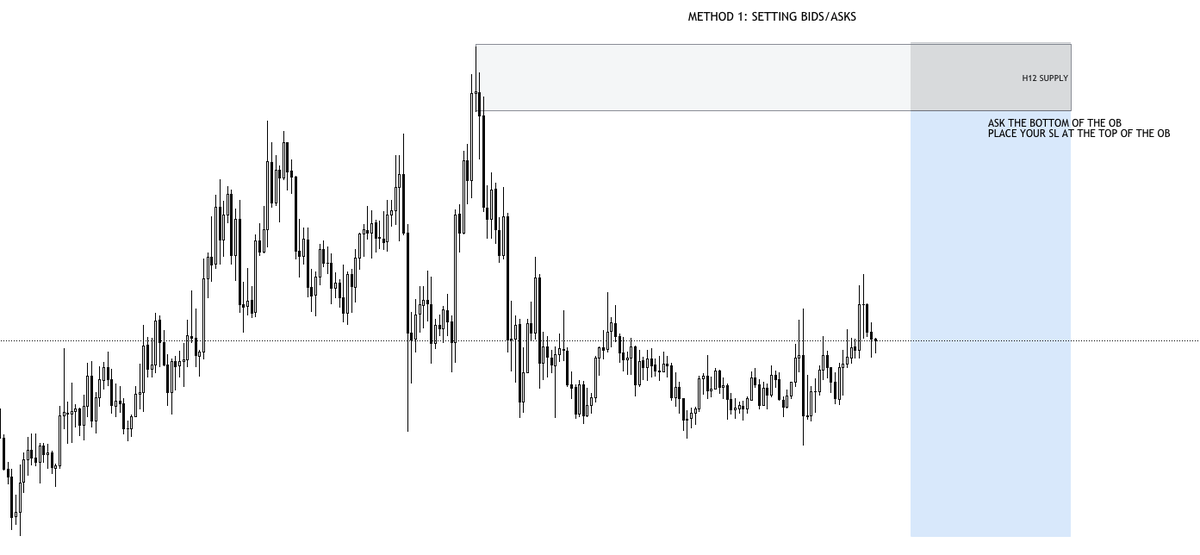
Now some examples on method 2, using past price action.
Here, you just must monitor price action as it approaches your orderblocks. @JoS7821 made an excellent thread on how to time tops and bottoms using this technique.
Here, you just must monitor price action as it approaches your orderblocks. @JoS7821 made an excellent thread on how to time tops and bottoms using this technique.
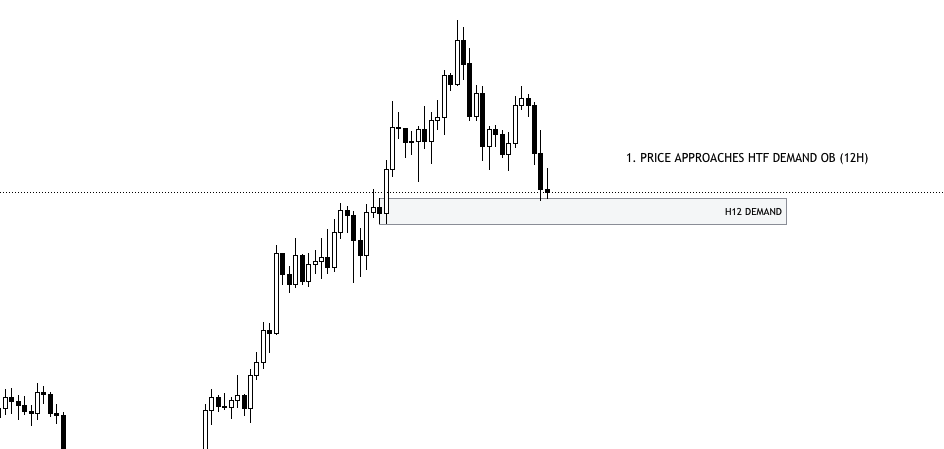
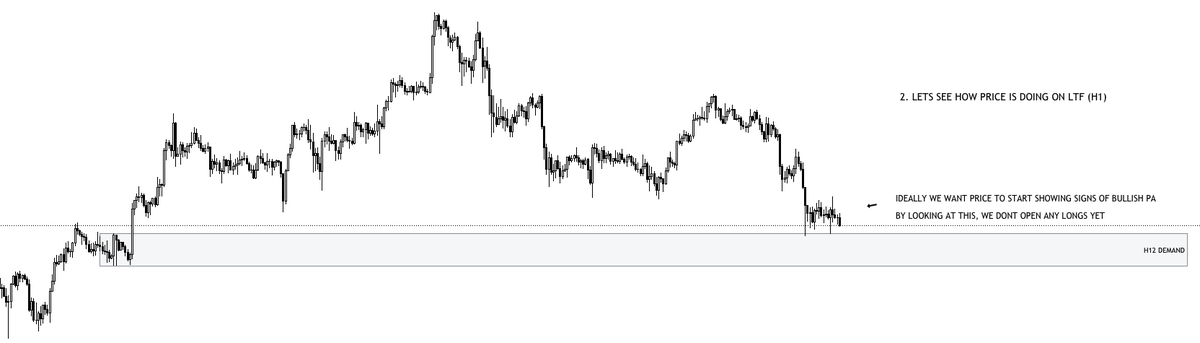
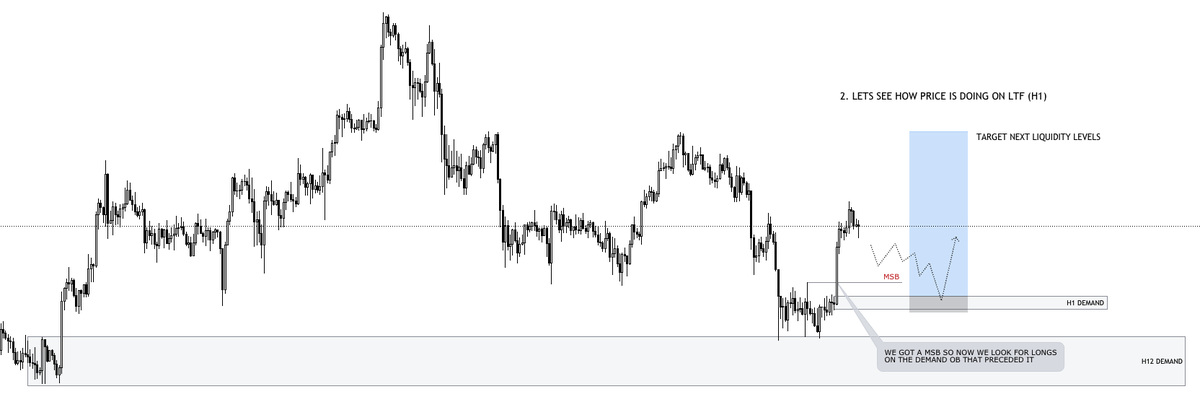
@JoS7821 What's the logic behind it?
If price is coming near a demand OB after a retracement then you’d like to see a shift in structure in lower timeframes for you to bid the demand orderblock/breaker from where price rallied. Its utilizing method 1 but executing based on the reaction.
If price is coming near a demand OB after a retracement then you’d like to see a shift in structure in lower timeframes for you to bid the demand orderblock/breaker from where price rallied. Its utilizing method 1 but executing based on the reaction.
@JoS7821 Remember utilizing context and adding extra criteria to your analysis, it’s all about enhancing the probabilities of your setups.
Adding this confluence to your orderblocks will increase the probabilities of them being successful. And if not, well, we'll always have breakers.
Adding this confluence to your orderblocks will increase the probabilities of them being successful. And if not, well, we'll always have breakers.

جاري تحميل الاقتراحات...