


Def:
is a life-threatening condition that occurs when the body is not getting enough blood flow. Lack of blood flow means the cells and organs do not get enough oxygen and nutrients to function properly. Many organs can be damaged as a result. Shock requires immediate treatment.
is a life-threatening condition that occurs when the body is not getting enough blood flow. Lack of blood flow means the cells and organs do not get enough oxygen and nutrients to function properly. Many organs can be damaged as a result. Shock requires immediate treatment.

Shock happen when BP become low, How?
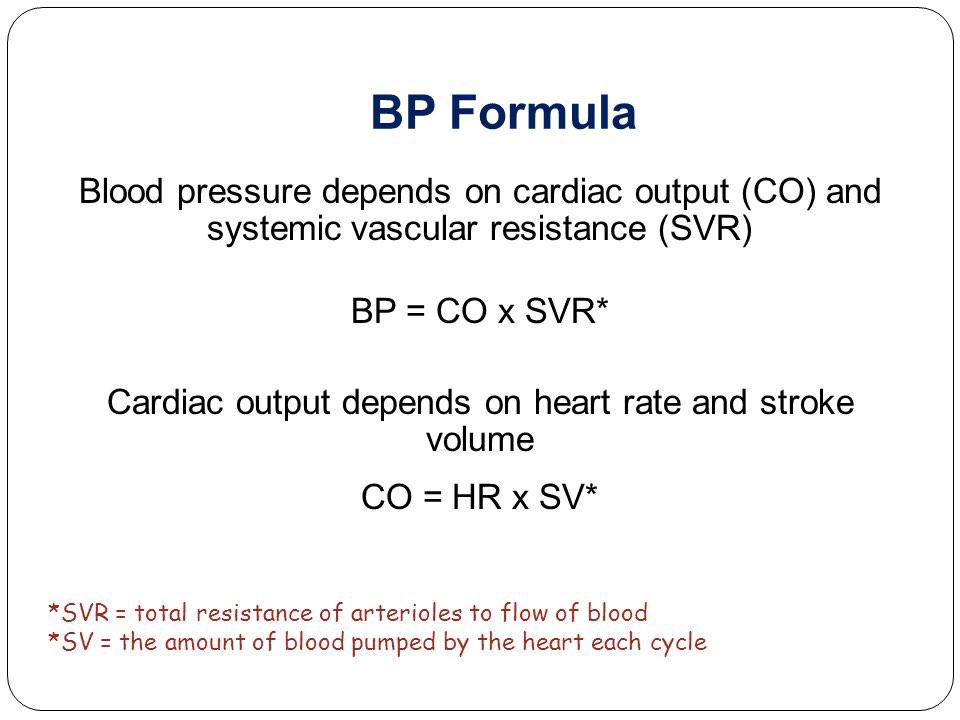
-BP depends on Cardiac output (CO) and systemic vascular resistance (SVR).
-CO depends on Heart rate (HR) and stroke volume (SV).
-SV depends on End diastolic volume (EDV) and End systolic volume (ESV).
-BP depends on Cardiac output (CO) and systemic vascular resistance (SVR).
-CO depends on Heart rate (HR) and stroke volume (SV).
-SV depends on End diastolic volume (EDV) and End systolic volume (ESV).
Types of shock:
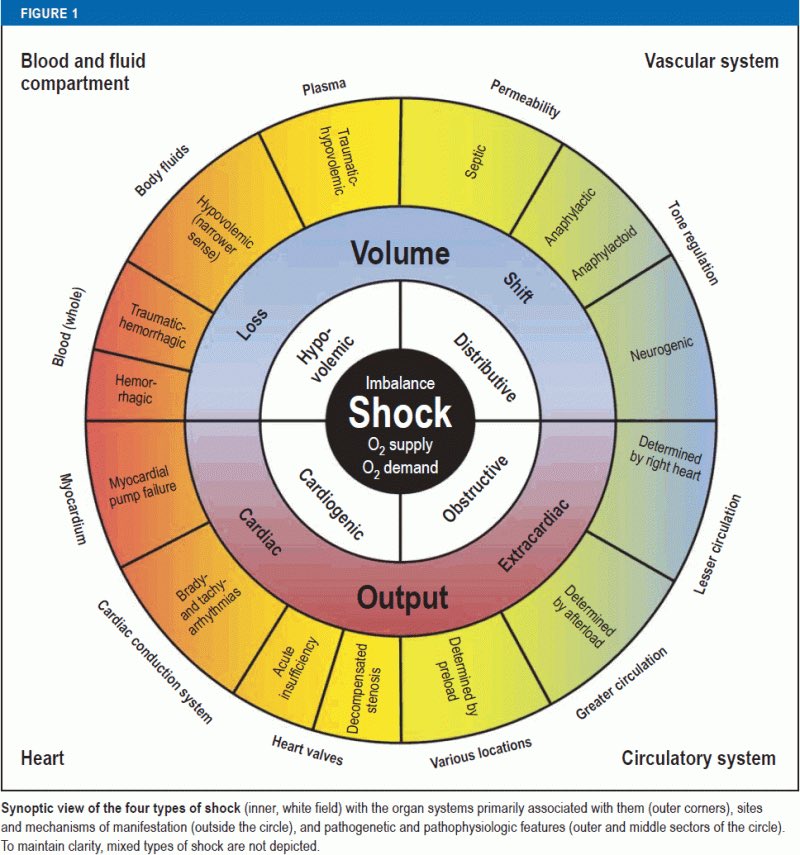
1-hypovolemic shock
2-cardiogenic shock
3-obstructive shock
4-septic shock
5-anaphylactic shock
6-neurogenic shock
1-hypovolemic shock
2-cardiogenic shock
3-obstructive shock
4-septic shock
5-anaphylactic shock
6-neurogenic shock
Hypovolemic shock:
is an emergency condition in which severe blood or other fluid loss makes the heart unable to pump enough blood to the body.
is an emergency condition in which severe blood or other fluid loss makes the heart unable to pump enough blood to the body.
Etiology:
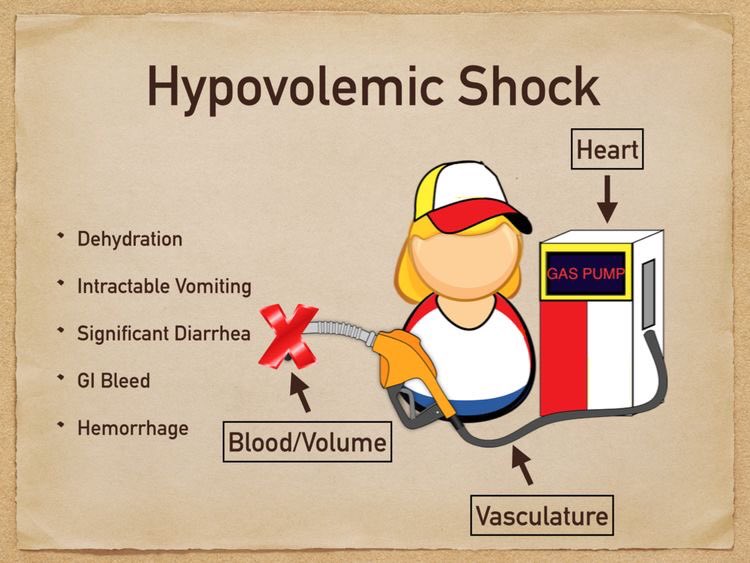
Blood loss (GI bleeding- AAA rupture- Trauma- Postpartum hemorrhage- Ectopic pregnancy- Hemoptysis).
Non blood-fluid loss (3rd degree burn- vomiting- diarrhea- bowel obstruction- Acute pancreatitis- DKA).
Blood loss (GI bleeding- AAA rupture- Trauma- Postpartum hemorrhage- Ectopic pregnancy- Hemoptysis).
Non blood-fluid loss (3rd degree burn- vomiting- diarrhea- bowel obstruction- Acute pancreatitis- DKA).
pathophysiology:
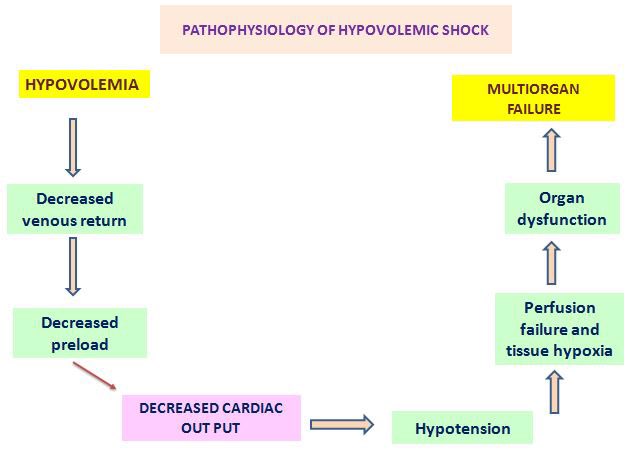
When blood volume decreased the barotrceptors that located in aortic and carotid sinus stimulating the medullary center to send action potentials the goes to:
1-vessels within Tunica media (blood vessels constricted)⬆️ SVR .
When blood volume decreased the barotrceptors that located in aortic and carotid sinus stimulating the medullary center to send action potentials the goes to:
1-vessels within Tunica media (blood vessels constricted)⬆️ SVR .
2-heart to increase HR and contractility ⬆️ HR.
the Renin agoitension aldosterone system activated.
But End diastolic drop so lead ⬇️ CO and ⬇️BP.
the Renin agoitension aldosterone system activated.
But End diastolic drop so lead ⬇️ CO and ⬇️BP.
Signs and symptoms:
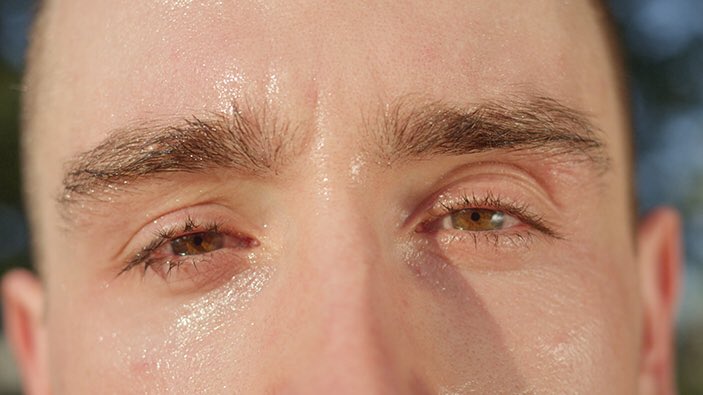
Cool, clammy skin.
Confusion.
Decreased or no urine output.
Generalized weakness.
Pale skin color (pallor) or cyanotic
Rapid breathing.
Sweating, moist skin.
Cool, clammy skin.
Confusion.
Decreased or no urine output.
Generalized weakness.
Pale skin color (pallor) or cyanotic
Rapid breathing.
Sweating, moist skin.
Management:
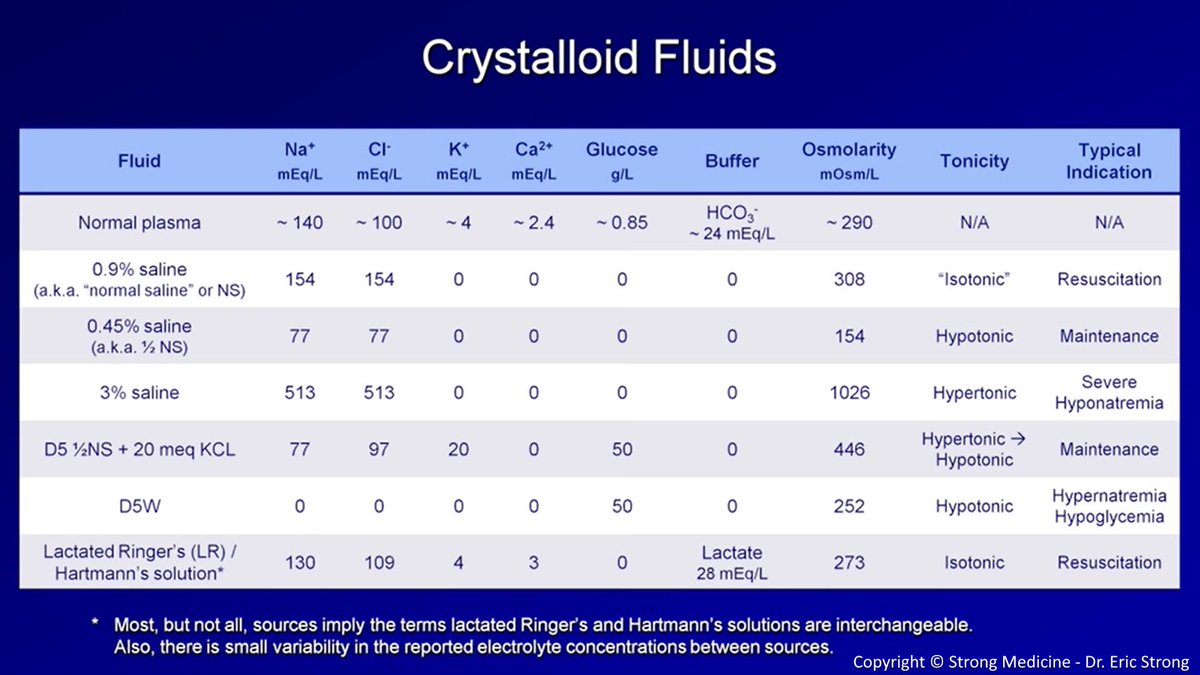
-IV Crystalloid fluids (NS or RL)
-Give albumin or Hydroxyethyl starch (maintain osmotic pressure)
-Control temp
-IV Crystalloid fluids (NS or RL)
-Give albumin or Hydroxyethyl starch (maintain osmotic pressure)
-Control temp
Cardiogenic shock:
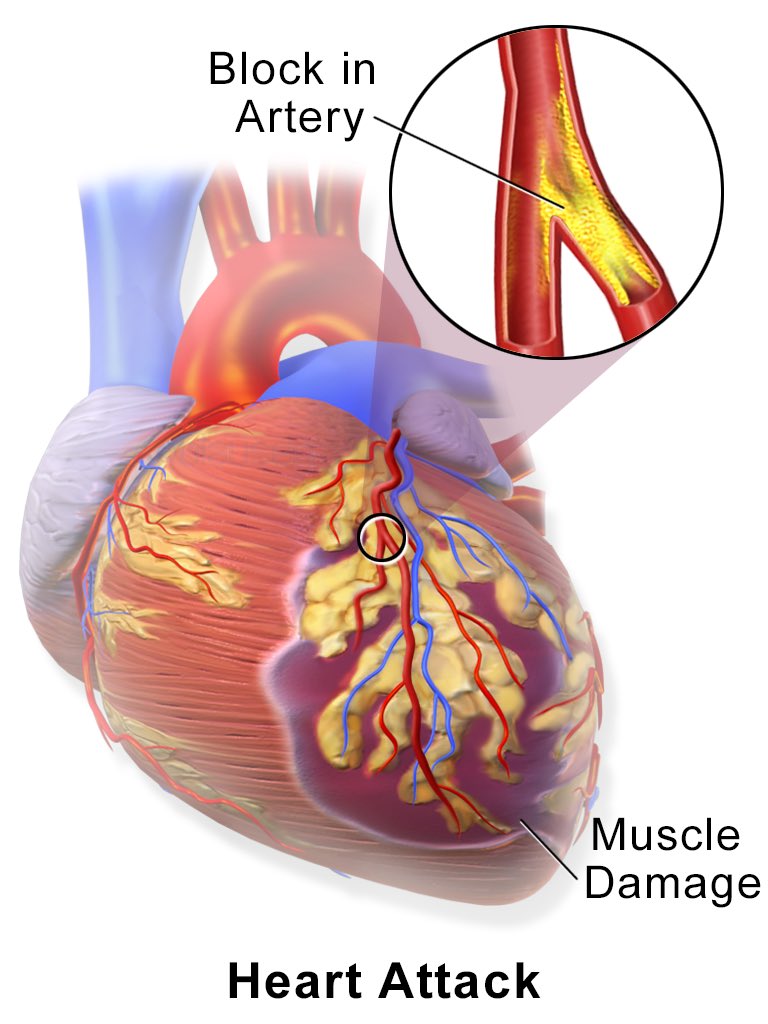
is a life-threatening condition where your heart suddenly stops pumping enough oxygen-rich blood to your body (pump failure).
is a life-threatening condition where your heart suddenly stops pumping enough oxygen-rich blood to your body (pump failure).

Etiology:
-myocarditis
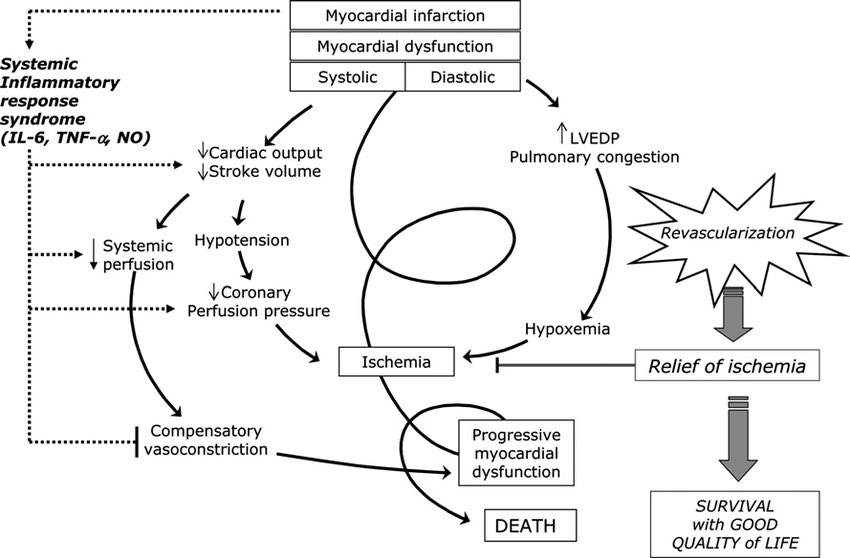
-multiple MI’s
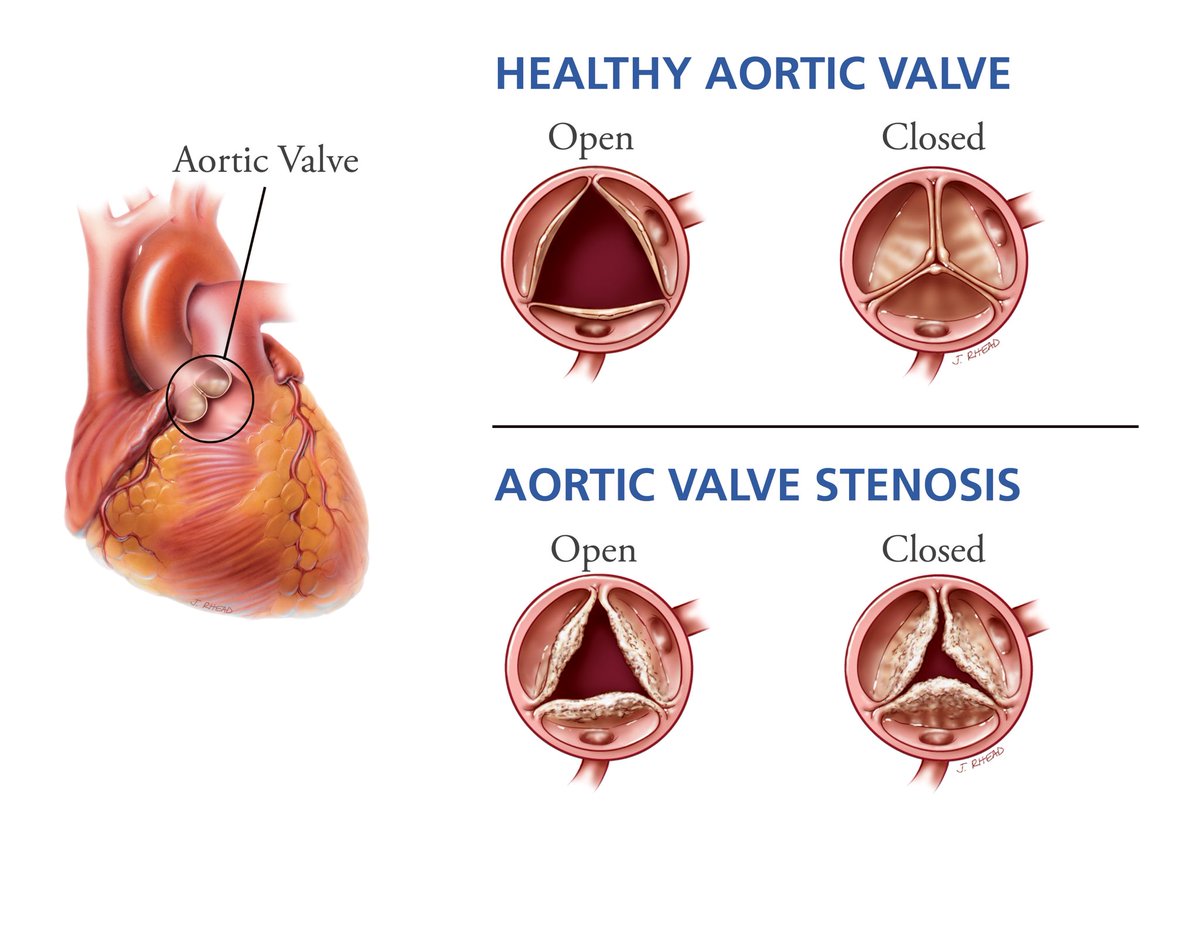
-aortic valve / mitral valve stenosis
-arrhythmias
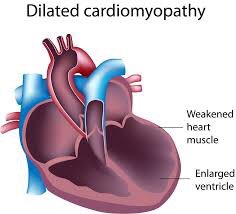
-dilated cardiomyopathy
-congenital heart diseases
-myocarditis
-multiple MI’s
-aortic valve / mitral valve stenosis
-arrhythmias
-dilated cardiomyopathy
-congenital heart diseases
pathophysiology:
HR ⬆️
Co ⬇️
SVR ⬆️
BP ⬇️
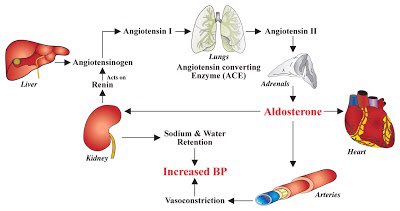
And renin angiotensin aldosterone system activated.
Note 📝 when oxygen decreased in tissues, lead to decrease ATP then increase lactic acid ➡️ more proton (very acidic), finally cause Metabolic acidosis.
HR ⬆️
Co ⬇️
SVR ⬆️
BP ⬇️
And renin angiotensin aldosterone system activated.
Note 📝 when oxygen decreased in tissues, lead to decrease ATP then increase lactic acid ➡️ more proton (very acidic), finally cause Metabolic acidosis.
Treatment:
-Give oxygen
-little of isotonic fluids
-vasopressors
Epinephrine (+inotropic and increase SVR).
Dobutamine (+inotropic).
Amrinone (+inotropic, used in irreversible period).
-Treat underlying causes
For Example:
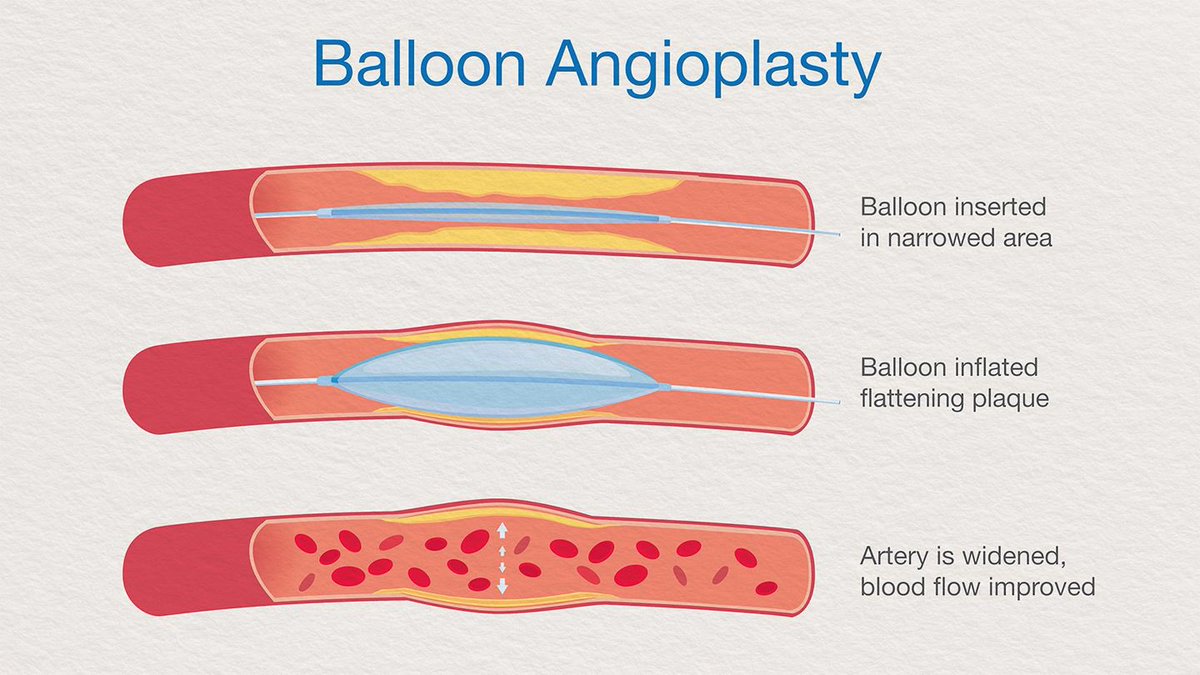
myocardial infraction (thrombolytics/angioplasty).
-Give oxygen
-little of isotonic fluids
-vasopressors
Epinephrine (+inotropic and increase SVR).
Dobutamine (+inotropic).
Amrinone (+inotropic, used in irreversible period).
-Treat underlying causes
For Example:
myocardial infraction (thrombolytics/angioplasty).
Obstructive shock:
is a form of shock associated with physical obstruction of the great vessels or the heart itself.
is a form of shock associated with physical obstruction of the great vessels or the heart itself.

Etiology:
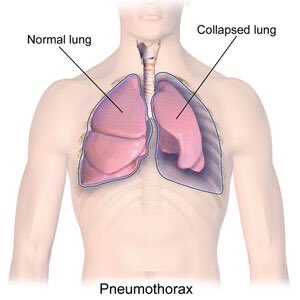
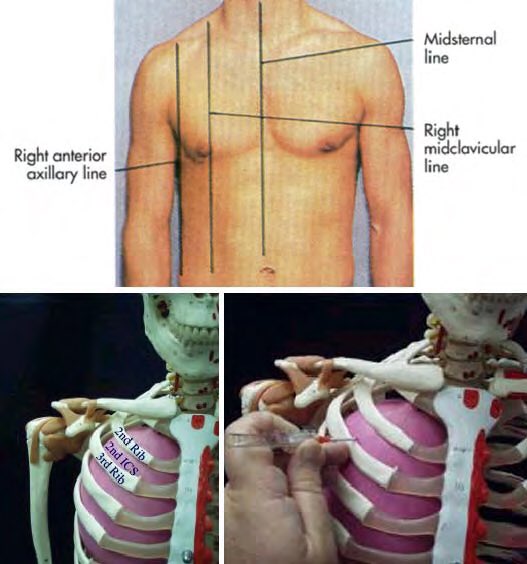
-tension pneumothorax (JVD, ⬇️BP, hyperresonance sound in the lungs).
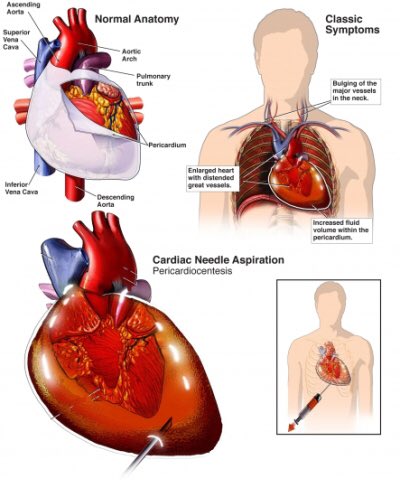
-cardiac tamponade (JVD, ⬇️BP, muffled heart sound) Beck’s triad.
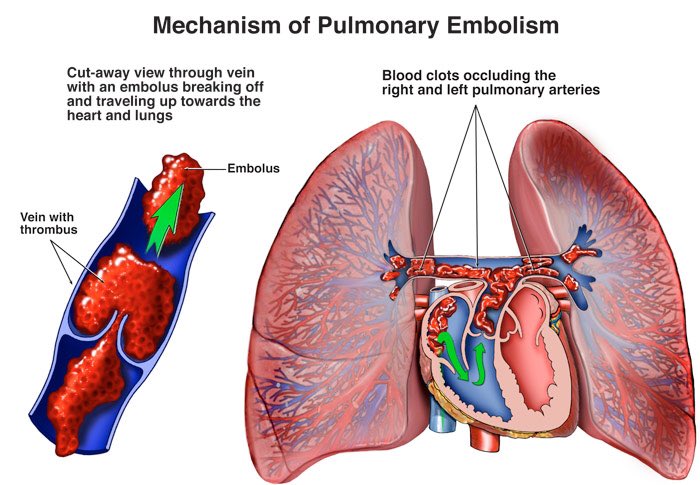
-pulmonary embolism (you gonna see on ABG, PCO2 < 80 mmHg lactic acid increased).
-proximal aortic dissection
-tension pneumothorax (JVD, ⬇️BP, hyperresonance sound in the lungs).
-cardiac tamponade (JVD, ⬇️BP, muffled heart sound) Beck’s triad.
-pulmonary embolism (you gonna see on ABG, PCO2 < 80 mmHg lactic acid increased).
-proximal aortic dissection

Treatment:
-oxygen
-isotonic fluids
-vasopressors
-treat underlying causes:
Tension pneumothorax (needle decomposition)
Cardiac tamponade (pericardiocentesis)
-oxygen
-isotonic fluids
-vasopressors
-treat underlying causes:
Tension pneumothorax (needle decomposition)
Cardiac tamponade (pericardiocentesis)
Septic shock:
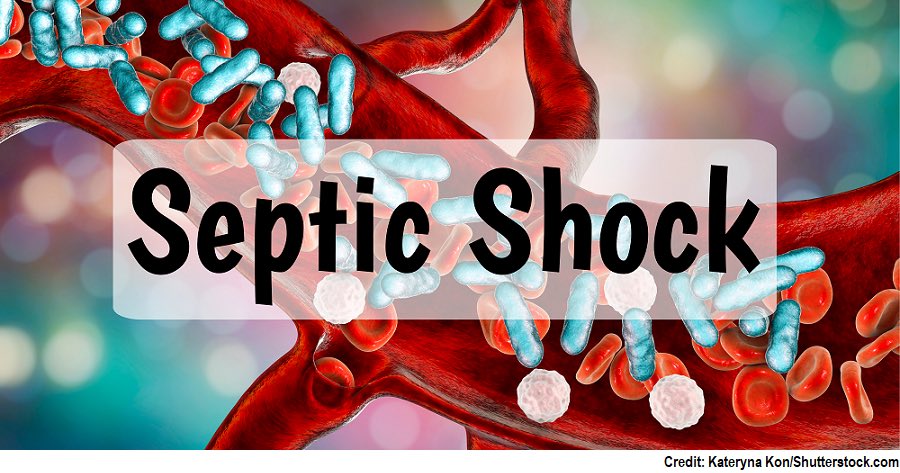
is a potentially life-threatening condition that occurs when the body's response to an infection damages its own tissues. When the infection-fighting processes turn on the body, they cause organs to function poorly and abnormally.
is a potentially life-threatening condition that occurs when the body's response to an infection damages its own tissues. When the infection-fighting processes turn on the body, they cause organs to function poorly and abnormally.
pathophysiology:
⁃Gram- bacteria has endotoxins damage tissues
⁃Release prostaglandins + leukotriene
⁃Goes to mast cells, and release prostaglandins + leukotriene + proteases + chemotactic agents like histamine.
⁃Gram- bacteria has endotoxins damage tissues
⁃Release prostaglandins + leukotriene
⁃Goes to mast cells, and release prostaglandins + leukotriene + proteases + chemotactic agents like histamine.
The histamine goes to vessels and cause vasodilation + ⬆️ permeability of vessels
⁃Lead to ⬇️ blood volume so ⬇️ BP
⁃chemotactic agents pull more WBC out of vessels to fight bacteria
⁃When this happened some chemicals goes to hypothalamus and increaseTemp.
⁃Lead to ⬇️ blood volume so ⬇️ BP
⁃chemotactic agents pull more WBC out of vessels to fight bacteria
⁃When this happened some chemicals goes to hypothalamus and increaseTemp.
Note 📝 neutrophils release reactive oxygen species (ROS) this starts to damage endothelial wall so lead to ⬆️ blood clots.
⁃In septic shock you gonna see (⬆️CO, ⬇️SVR, ⬇️BP).
⁃In septic shock you gonna see (⬆️CO, ⬇️SVR, ⬇️BP).

Treatment:
IV antibiotic (ceftriaxone + zosyn).
Fluids crystalloids (NS or RL).
If not respond to fluids, give vasopressors.
IV antibiotic (ceftriaxone + zosyn).
Fluids crystalloids (NS or RL).
If not respond to fluids, give vasopressors.
Anaphylactic shock:
is a rare but severe allergic reaction that can be deadly if you don't treat it right away.
is a rare but severe allergic reaction that can be deadly if you don't treat it right away.
Etiology:
-Bee stings
-food allergies
-drug allergies
-iv contrast
-Bee stings
-food allergies
-drug allergies
-iv contrast
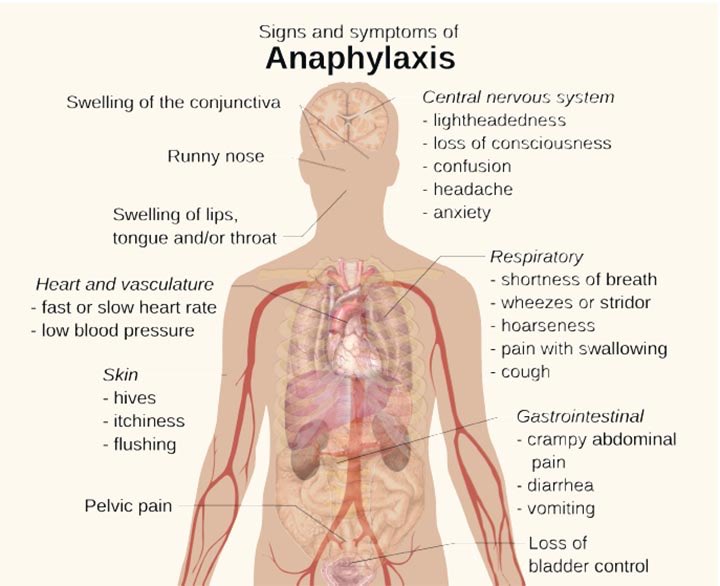
pathophysiology:
⁃allergen bind to mHc-ll receptor on macrophage
⁃Macrophages bind to CDy on T-helper cells (THC)
⁃THC release interleukins ll, lV, V
⁃This stimulates B cells to convert to plasma cell
⁃Plasma cell release antibodies IgE
⁃allergen bind to mHc-ll receptor on macrophage
⁃Macrophages bind to CDy on T-helper cells (THC)
⁃THC release interleukins ll, lV, V
⁃This stimulates B cells to convert to plasma cell
⁃Plasma cell release antibodies IgE
IgE bind to mast cells and release leukotrienes and histamine
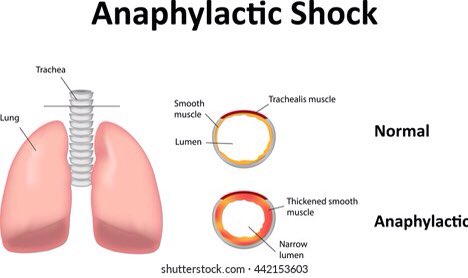
⁃Histamine cause (dilate blood vessels and respiratory distress also may cause laryngeal edema).
⁃Vasodilation lead to ⬇️SVR and ⬇️BP
⁃Histamine cause (dilate blood vessels and respiratory distress also may cause laryngeal edema).
⁃Vasodilation lead to ⬇️SVR and ⬇️BP
Treatment:
Vasopressors (epinephrine)
Anti-histamine (Benadryl or Ranitidine)
Vasopressors (epinephrine)
Anti-histamine (Benadryl or Ranitidine)
Neurogenic shock:
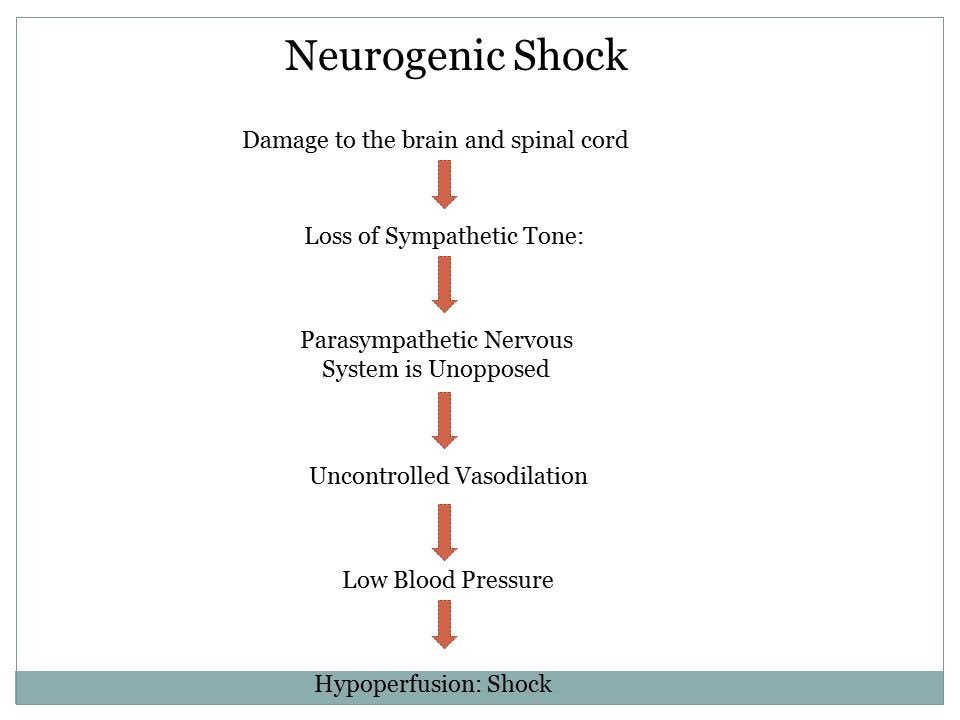
is a combination of both primary and secondary injuries that lead to loss of sympathetic tone and thus unopposed parasympathetic response driven by the vagus nerve.
is a combination of both primary and secondary injuries that lead to loss of sympathetic tone and thus unopposed parasympathetic response driven by the vagus nerve.
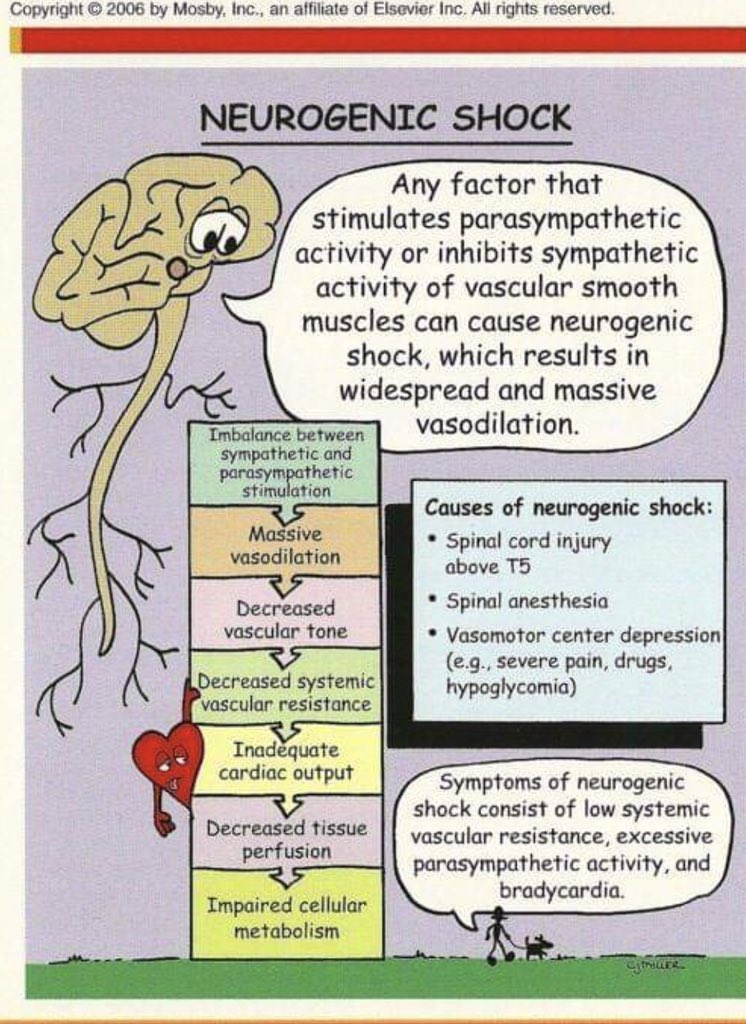
Vasomotor center activities neurons in spinal cord between T1-L2, the information goes to:
1-the heart (SA, AV node and the myocardium). Cause increase heart rate + chronotropic and increase contractility +inotropic
2-blood vessels cause vasoconstriction
1-the heart (SA, AV node and the myocardium). Cause increase heart rate + chronotropic and increase contractility +inotropic
2-blood vessels cause vasoconstriction
Note 📝 in neurogenic shock this process is blocked (Autonomic blockade).
And the vagus nerve cause unposed vegal tone (lead to bradycardia)
And vasodilation.
And the vagus nerve cause unposed vegal tone (lead to bradycardia)
And vasodilation.
Treatment:
Iv fluids
Vasopressors:
-Dobutamine
-Epinephrine
-Atropine
Note 📝 sometimes you can use corticosteroids.
Iv fluids
Vasopressors:
-Dobutamine
-Epinephrine
-Atropine
Note 📝 sometimes you can use corticosteroids.
بكذا انتهى الثريد للي حاب يطلع اكثر ، تركتلك هذا الرابط راح يفيدك كثير 🙏❤️
amboss.com
amboss.com
جاري تحميل الاقتراحات...