

بسم الله وعلى بركة الله نبدأ ثريد طويل عن صناعة مشتقات البلازما
@aalanazi
@ADELALGHAMDIA
@Pharma_Connect
@industries_ph
@ic_gov_sa
@Saudi_FDA
@pharmaksaorg
@aalanazi
@ADELALGHAMDIA
@Pharma_Connect
@industries_ph
@ic_gov_sa
@Saudi_FDA
@pharmaksaorg
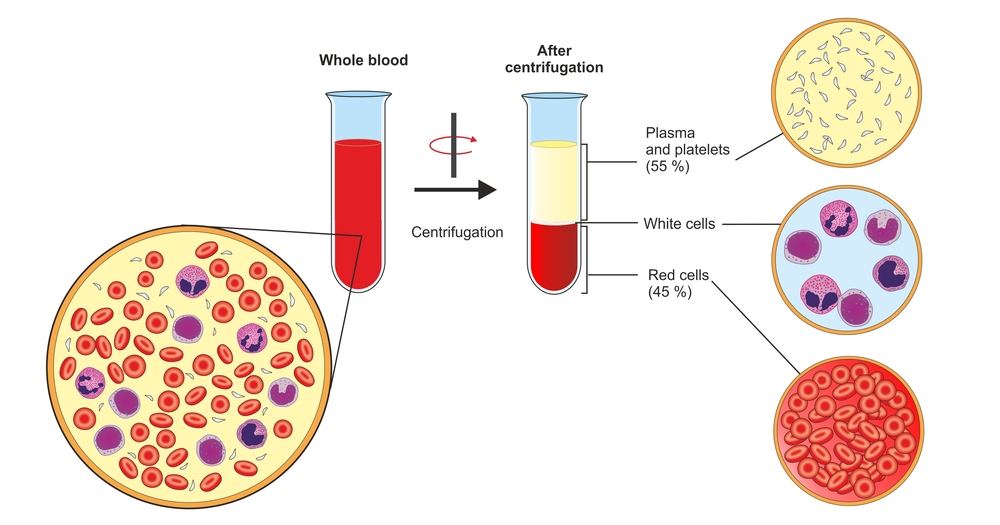
Human blood is composed of 54% plasma and 46% multiple cells, and plasma contains around 92% water and 8% solids. It mainly includes: Coagulation factors,
Plasma proteins such as albumin and immunoglobulins
Plasma proteins such as albumin and immunoglobulins
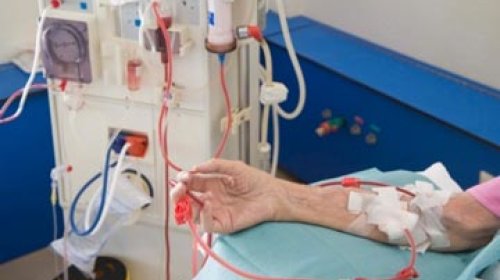
Generally, plasma is sourced in two ways (a) whole blood collected from nonremunerated donors, and via (b) plasmapheresis (donors may receive remuneration
by commercial collection centres).
by commercial collection centres).
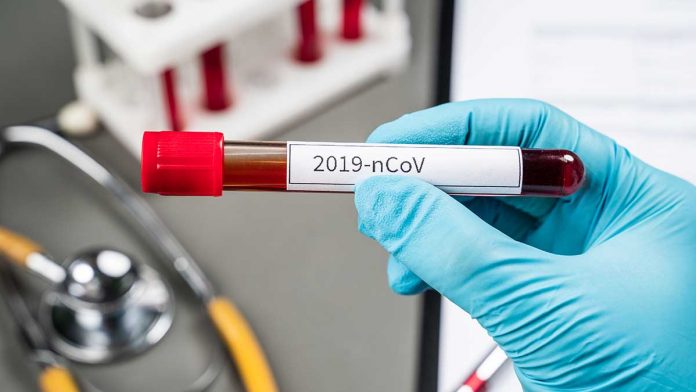
According to the FDA regulations, the collected plasma undergoes a series of tests to identify transmittable diseases, especially hepatitis A, B, and C as well as syphilis and HIV.
Whole blood donors give 200ml plasma every eight to ten weeks while plasmapheresis collect 600ml plasma every
ten day and up to 24 times yearly.
ten day and up to 24 times yearly.
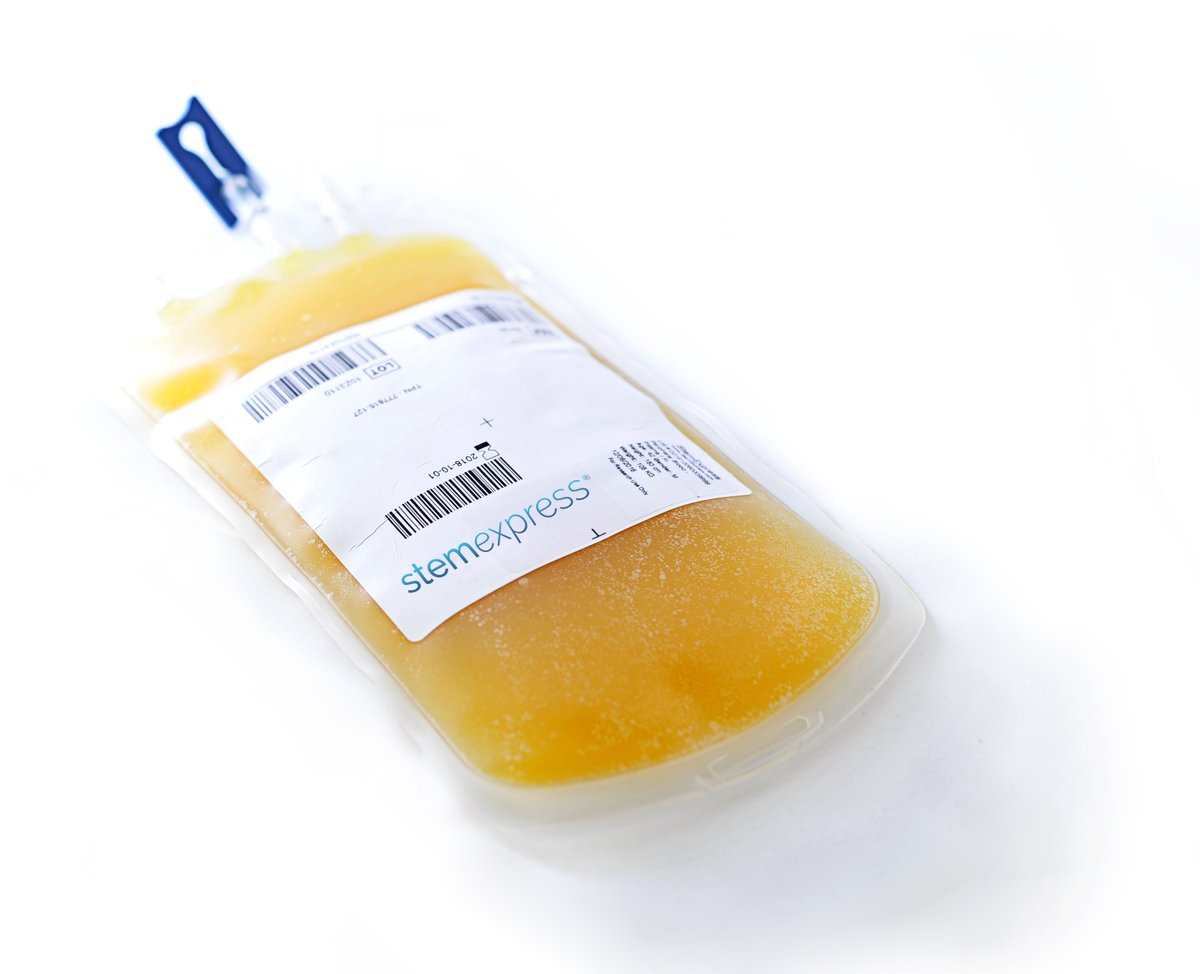
The main plasma derived products are: immunoglobulin G (IVIG), coagulation factors (IIIV and IX) and albumin and their market size is projected to reach USD 34.9 billion
by 2024 from USD 25.4 billion in 2019 as it is largely driven by the growing use of immunoglobulins usage.
by 2024 from USD 25.4 billion in 2019 as it is largely driven by the growing use of immunoglobulins usage.
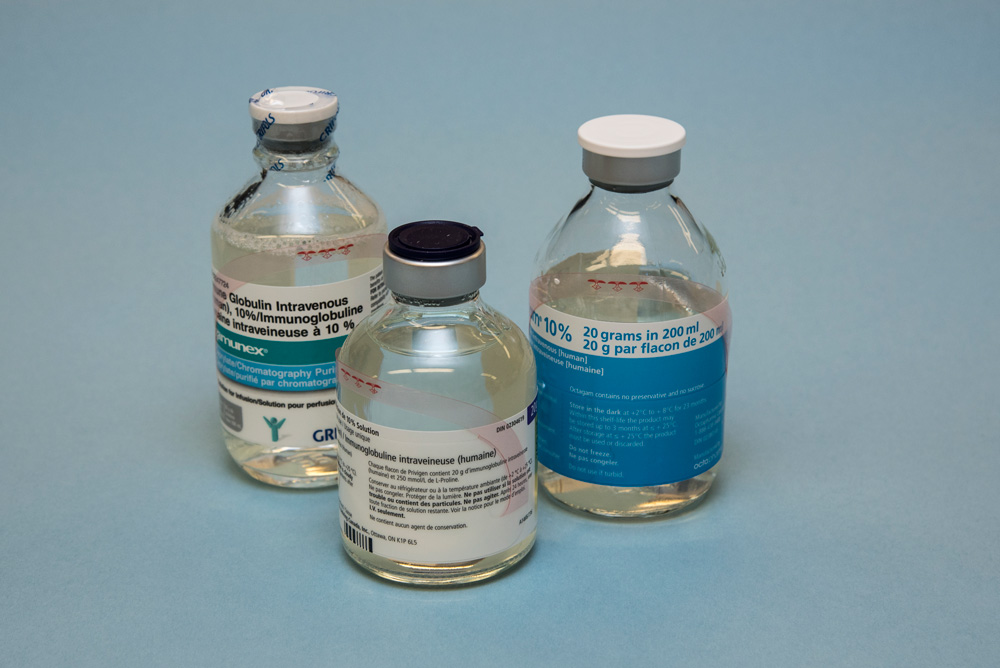
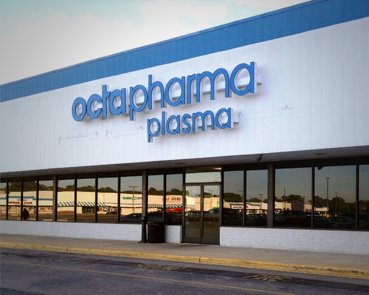
The major players in the global plasma fractionation industry include CSL (Australia), Grifols (Spain), Shire (Ireland), Octapharma (Switzerland), Kedrion (Italy), BPL (UK), Sanquin (Netherlands), LFB (France), Biotest (Germany).
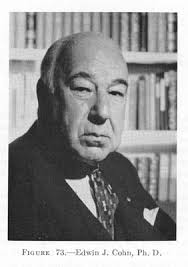
The current plasma fractionation methods used by the pharmaceutical industry still derive from the cold ethanol precipitation process developed in the 1940’s by Cohn
and his collaborators.
and his collaborators.
This method rely mainly on using multiple concentration of ethanol ranging from 8% to 40%, PH levels ranging from 4.5 to 7.4, Temperatures ranging from –5° to –7° C.
The average industrial yields of the fractionation process
per liter of plasma are around 200 IU Factor VIII, 350 IU Factor IX, 3.5 g Immunoglobulin G and 25 g Albumin
per liter of plasma are around 200 IU Factor VIII, 350 IU Factor IX, 3.5 g Immunoglobulin G and 25 g Albumin
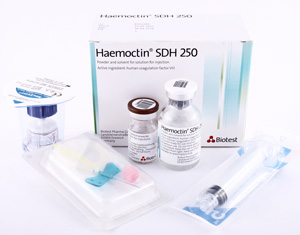
The plasma fractionation market demands are very complex and unstable due to multiple variables such as new applications of IGIV resulting in global shortage of
supply while albumin is overproduced.
supply while albumin is overproduced.
However, the high cost of plasma products,
limited reimbursements, and the emergence of recombinant alternatives are expected to restrain the growth of this market in future.
limited reimbursements, and the emergence of recombinant alternatives are expected to restrain the growth of this market in future.
On the other hand, The WHO estimates that 15%of the world’s population consumes 91% of the world’s production of pharmaceuticals including plasma derivatives. In 2000, the Americas and Europe
consumed 83% of the plasma-derived Factor VIII and almost all recombinant products.
consumed 83% of the plasma-derived Factor VIII and almost all recombinant products.
In the same report, Europe and North America accounted for about three quarters of the IVIG. For all products, the use of plasma derivatives in Africa is only about 1% of the total productions.
From an economical point of view, plasma main fractionators looking for at least 250 to 300 thousand liter plasma continues supply to start local fractionation and to
construct domestic fractionation facilities.
construct domestic fractionation facilities.
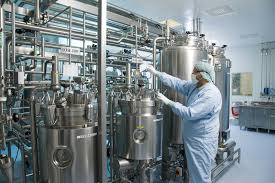
Due to that, self-sufficiency in plasma-derived products from national plasma has a high priority in developing countries that cannot collect the commercial quantities and start local fractionation.
Self-sufficiency programs based mainly in collection of local plasma (15,000 to 20,000 liters) and fractionate it through special contract with one of big sharks; this protocol will ensure a safe and secure supply of blood and blood products.
كان للمملكة العربية السعودية عدة تجارب للاستثمار وتوطين هذه الصناعة الحيوية بدأتها الشركة السعودية للصناعات الدوائية (سبيماكو) منذ عام1414 هـ حيث أيدت الدراسة التي قامت بها الشركة مع معهد الأمير عبدالله بجامعة الملك سعود بالرياض ضرورة وأهمية مثل هذا النوع من الاستثمارات
كذلك أهمية توطين هذه الصناعة الاستراتيجية إلا أن غياب الشريك الاستراتيجي المصنّع لهذه المنتجات وكذلك عدم إمكانية جمع كمية تجارية من البلازما لغرض التصنيع بالاضافة الى الحاجة الكبيرة لدعم الشركة من قبل القطاع الصحي ا كانت العقبات الرئيسة التي واجهت الشركة في هذا النوع من الاستثمار
ثم جاءت بعد ذلك تجربة مدينة جدة للتقنية الحيوية حيث تم الإعلان في ابريل 2002 في المؤتمر الأول للتقنية الحيوية عن مشروع مدينة جدة للتقنية الحيوية وان الشركة تعمل ضمن رؤية تركز على أهمية امتلاك التقنية الحيوية وتسهيل التعامل معها وتطويرها، الا ان هذه التجربة لم ترى النور
ظهرت بعد ذلك تجربة جريئة للشئون الصحية بالحرس الوطني حيث كانت تقوم على جمع كمية معينة من البلازما لاتقل عن 5000 لتر تجزأ عن طريق أحد المصنعين العالميين خارج المملكة ممن لديهم الخبرة الكافية في هذا المجال ولديهم مصنع ومنتجات مسجلة وتتوفر في مصانعهم الشروط للتصنيع الجيد
إلا أن هاتين التجربتين على مايبدو واجهت تلك الصعوبات التي واجهتها (سبيماكو) سابقاً وخاصة فيما يتعلق بجمع كميات تجارية من البلازما البشرية تفي بالحد الأدنى المطلوب لبرامج تجزئة البلازما على المستوى العالمي
This is the end of the first thread and I hope you enjoyed it.
جاري تحميل الاقتراحات...