

#الالتزام_بحظر_التجول
#السودان_الطوارئ_الصحيه
?Allergic patients during COVID-19 pandemic:
Informations and Advices from World Allergy Organization (WAO):
I have asthma and allergic rhinitis and I am worried about everything I hear about COVID-19; what
should I do?
#السودان_الطوارئ_الصحيه
?Allergic patients during COVID-19 pandemic:
Informations and Advices from World Allergy Organization (WAO):
I have asthma and allergic rhinitis and I am worried about everything I hear about COVID-19; what
should I do?
1. Don’t panic, and read on to learn what we currently know about the novel coronavirus disease
called COVID-19. What is known about the virus (SARS-Cov-2) is updated fairly frequently as we
learn more about it. The information provided here is based on the best currently
called COVID-19. What is known about the virus (SARS-Cov-2) is updated fairly frequently as we
learn more about it. The information provided here is based on the best currently
available data.
People with asthma, children and adults, are included in a higher risk group for coronavirus disease, but fortunately the available data showed that almost all of these
patients were not severely affected, with no reference to asthmatics among the series
People with asthma, children and adults, are included in a higher risk group for coronavirus disease, but fortunately the available data showed that almost all of these
patients were not severely affected, with no reference to asthmatics among the series
of patients already known.
The same situation has been found in relation to other allergic diseases such as allergic
rhinitis and atopic dermatitis.
There is currently no specific treatment or vaccine to prevent COVID-19.
The same situation has been found in relation to other allergic diseases such as allergic
rhinitis and atopic dermatitis.
There is currently no specific treatment or vaccine to prevent COVID-19.
The best way to avoid getting the illness is to avoid being exposed to anyone with the virus.Maintaining social distance and practicing good hand hygiene is the best way to protect yourself and the others from being exposed to the virus.
Stay away from others who are sick
Stay away from others who are sick
Avoid crowds or large gatherings
Practice regular hand hygiene by washing with hot water and soap for at least 20 seconds at a time
Do not touch your mouth, nose or eyes with unwashed hands
2. It is important that you continue to take your medications for asthma,
Practice regular hand hygiene by washing with hot water and soap for at least 20 seconds at a time
Do not touch your mouth, nose or eyes with unwashed hands
2. It is important that you continue to take your medications for asthma,
allergic rhinitis or any other allergic disease exactly as prescribed. Do not change or stop your medications, including
specific immunotherapy(antiallergic vaccine), without talking to your allergist or other health care provider. There is currently no evidence that inhaled
specific immunotherapy(antiallergic vaccine), without talking to your allergist or other health care provider. There is currently no evidence that inhaled
corticosteroids (nasal or bronchial), antihistamines or biologic medications have any effect on the risk of contracting COVID-19. If
you stop or modify your treatment, you run the risk that your allergic disease, particularly your
asthma control, could become worse,
you stop or modify your treatment, you run the risk that your allergic disease, particularly your
asthma control, could become worse,
causing you to need rescue medical treatment or be admitted to the hospital.
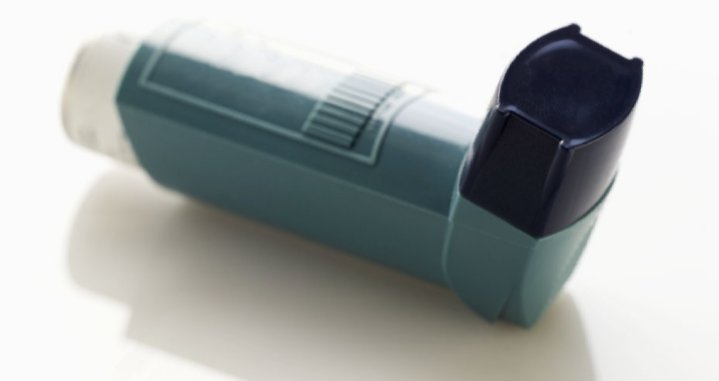
Know how to use your inhaler(s), and use them as prescribed.
Avoid your asthma triggers, such as indoor and outdoor allergens and irritants /pollutants and ban smoke, particularly important for
Know how to use your inhaler(s), and use them as prescribed.
Avoid your asthma triggers, such as indoor and outdoor allergens and irritants /pollutants and ban smoke, particularly important for
those that are on quarantine.
Ensure you have an asthma action plan and follow it.
Ensure that you have enough medicine in the home to maintain your supply.
Perform some respiratory exercises.
Keep in touch with your allergist!
Ensure you have an asthma action plan and follow it.
Ensure that you have enough medicine in the home to maintain your supply.
Perform some respiratory exercises.
Keep in touch with your allergist!
جاري تحميل الاقتراحات...