

اهلين حبيت ابدا مجموعة تويتات عن المايكرو بتكون اساسيات وشي خفيف منه تكون مراجعه لي ومعلومات للي حاب يستفيد 👌🏻😍 # microbiology 🧫
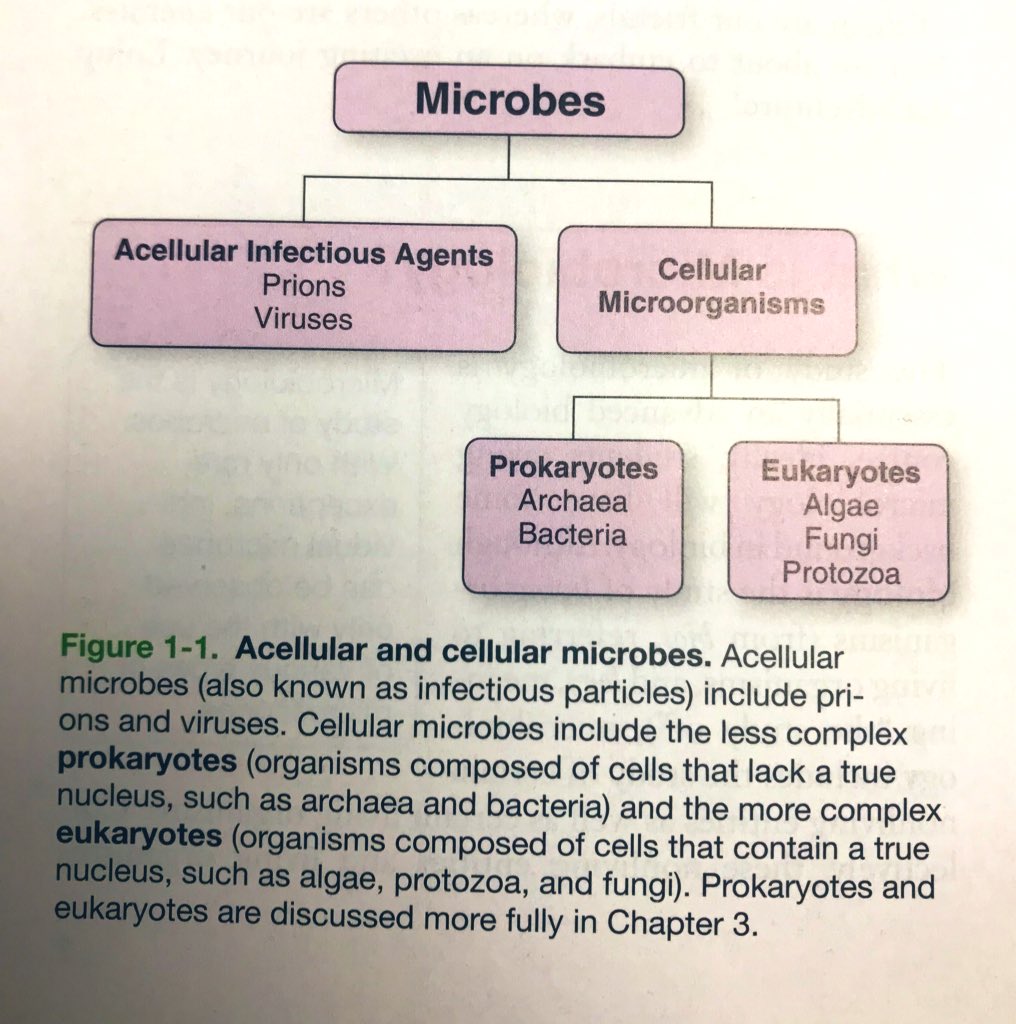
راح ابدا اليوم بالتقسيم الأساسي لل microbes 🦠
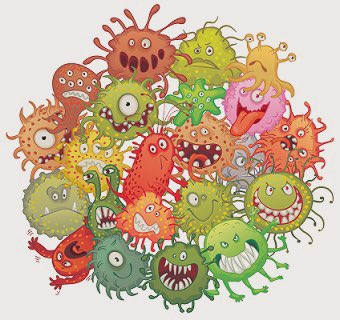
3% only of the microbes 🦠 are pathogenic.
Opportunistic pathogens do not cause disease under ordinary conditions but have the potential to cause disease once the opportunity present itself.
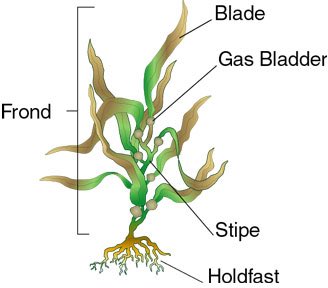
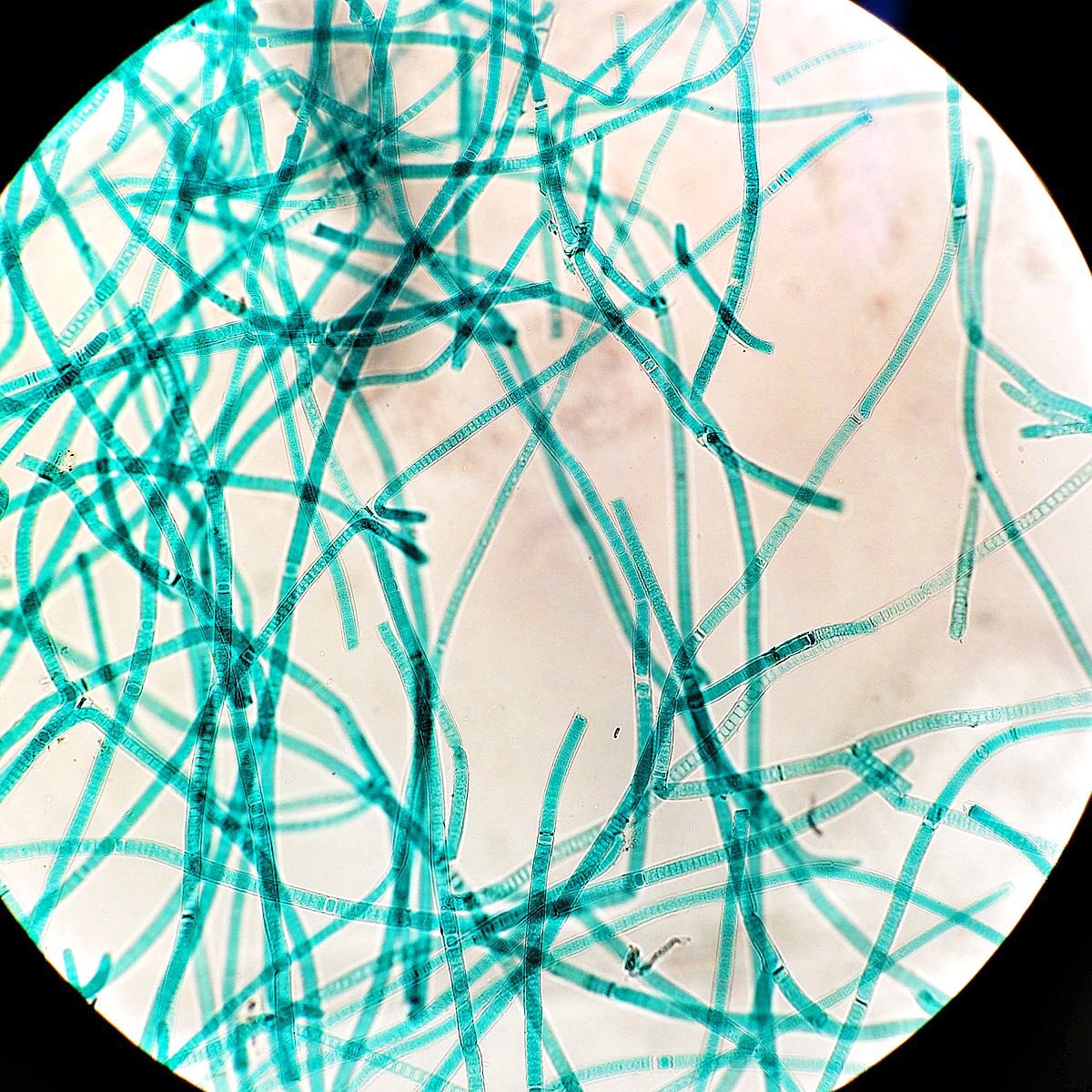
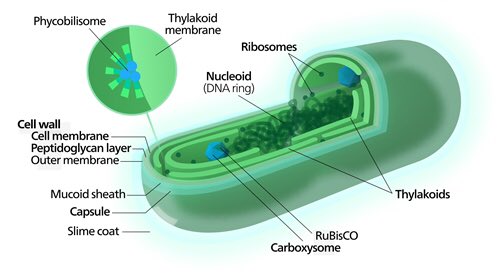
Actually . Microbes 🦠 contribute more oxygen to our atmosphere than plants 🌱 do . For example : algae and Cyanobacteria ( a group of photosynthetic bacteria )that produces oxygen.
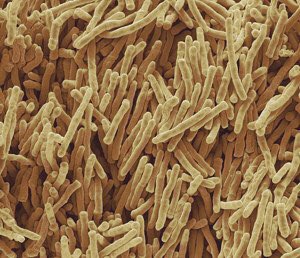
Many microbes are involved in the decomposition of dead organisms and the Waste products of living organisms . Collectively , these microbes are referred to as decomposers or saprophytes .
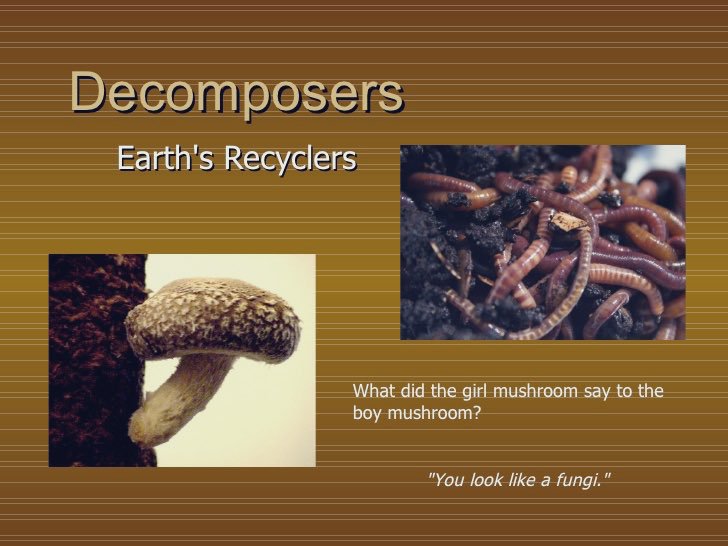
Decomposition is the process by which substances are broken down into simpler forms of matter. By definition, a sapro phyte is an organism that lives on dead or decaying organic matter .
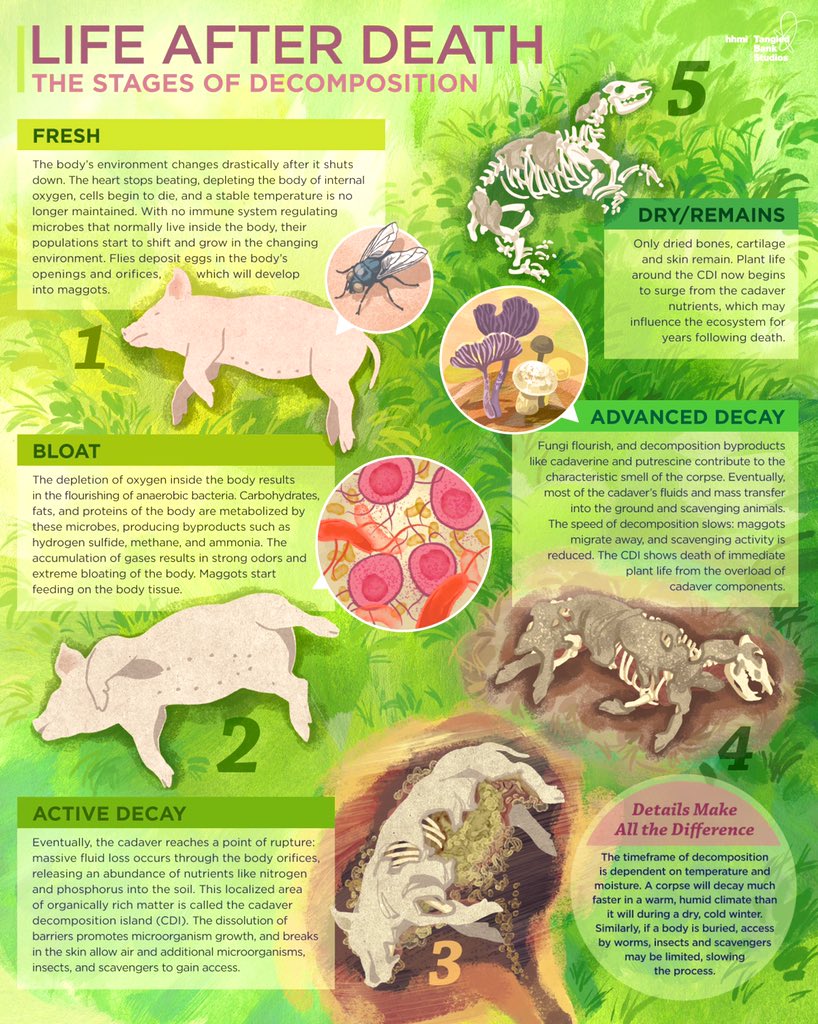
Saprophytes aid in fertilization by returning inorganic nutrients to the soil. They break down dead and dying organic substances into nitrates, phos phates, and other chemicals necessary for the growth plants 🌱.
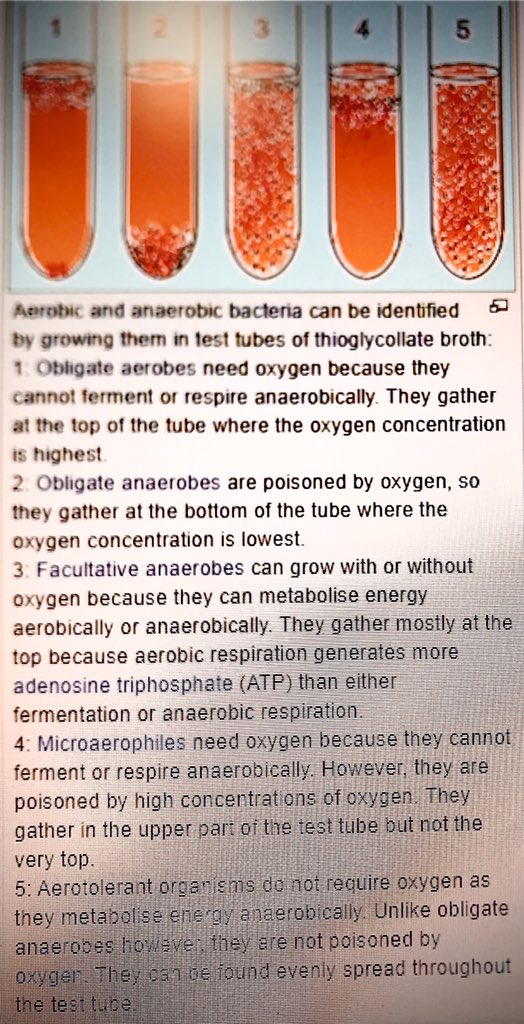
Anaerobic bacteria 🦠: any organism that doesn’t require oxygen to grow.
How did they discover the anaerobic Jars ?
In 14 June 1680 Antoine Leeuwenhoek experimented on 2 glass jars filling them with about halfway with crushed pepper powder ,To which clean rain water was added.
How did they discover the anaerobic Jars ?
In 14 June 1680 Antoine Leeuwenhoek experimented on 2 glass jars filling them with about halfway with crushed pepper powder ,To which clean rain water was added.
He sealed one of the jars using a flame 🔥 and left the other jar open. Several days later ,the open jar was filled with very little organisms. He was surprised to find the sealed jar contains organisms that were round and bigger than on the open jar.
The conditions in the sealed jar had become quite anaerobic owing to consumption of oxygen by aerobic organisms.
In 1913 Martinus Beijerinck repeated the experiment and identified Clostridium butyricum as anaerobic bacteria.
In 1913 Martinus Beijerinck repeated the experiment and identified Clostridium butyricum as anaerobic bacteria.
Classification:
1- Obligate Anaerobic: which it is harmed by the presence of oxygen like Clostridium spp.
2- Aerotolerant organisms: can’t use oxygen for growth but can tolerate its presence.
3- Facultative Anaerobic: which grows without oxygen but it can use oxygen if present.
1- Obligate Anaerobic: which it is harmed by the presence of oxygen like Clostridium spp.
2- Aerotolerant organisms: can’t use oxygen for growth but can tolerate its presence.
3- Facultative Anaerobic: which grows without oxygen but it can use oxygen if present.
Pioneers in the Science of Microbiology 🧫:
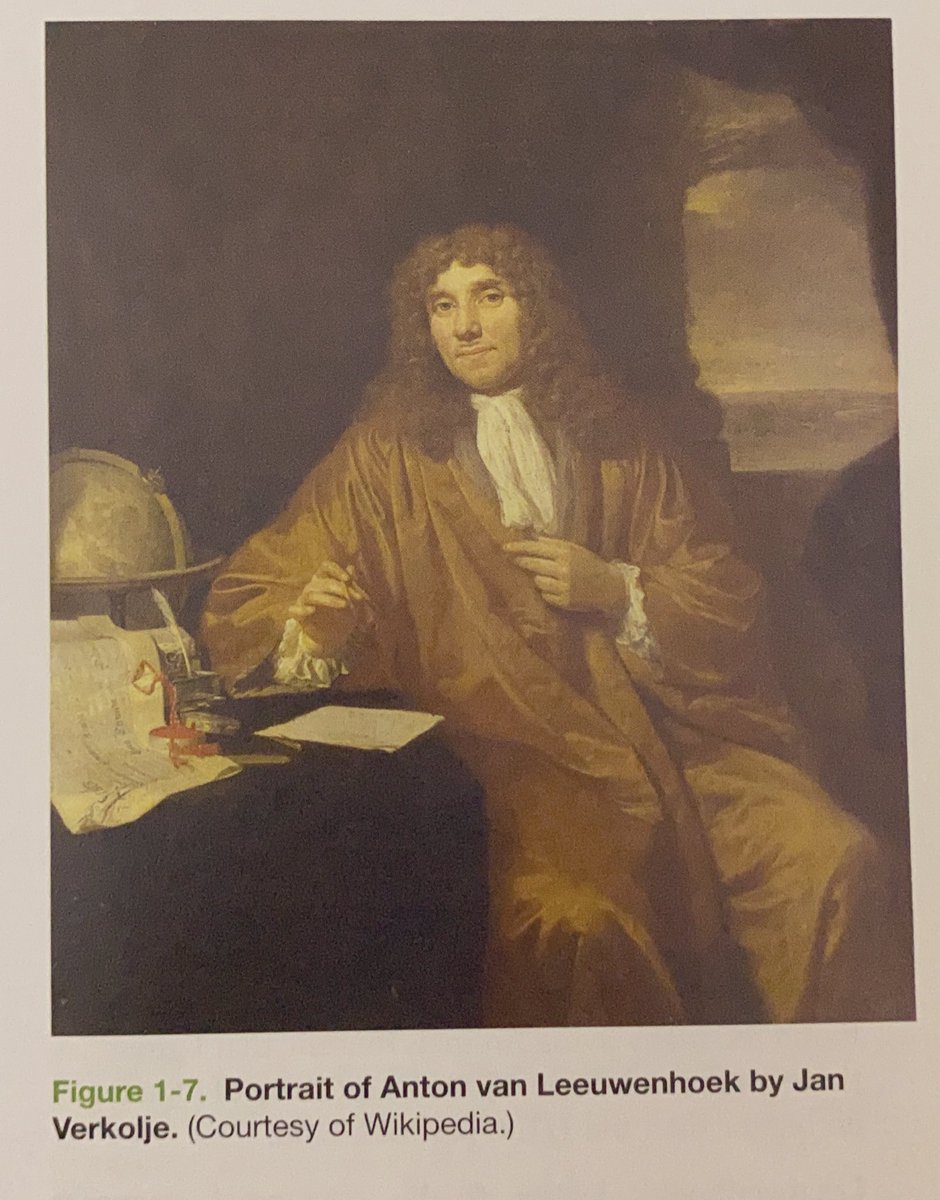
1- Anton van Leeuwenhoek (1632-1723)
He was the first person who saw live bacteria and Protozoa. He was not a trained scientist. He was a fabric merchant. As a hobby, he ground tiny glass lenses, which he mounted in metal frame.
1- Anton van Leeuwenhoek (1632-1723)
He was the first person who saw live bacteria and Protozoa. He was not a trained scientist. He was a fabric merchant. As a hobby, he ground tiny glass lenses, which he mounted in metal frame.
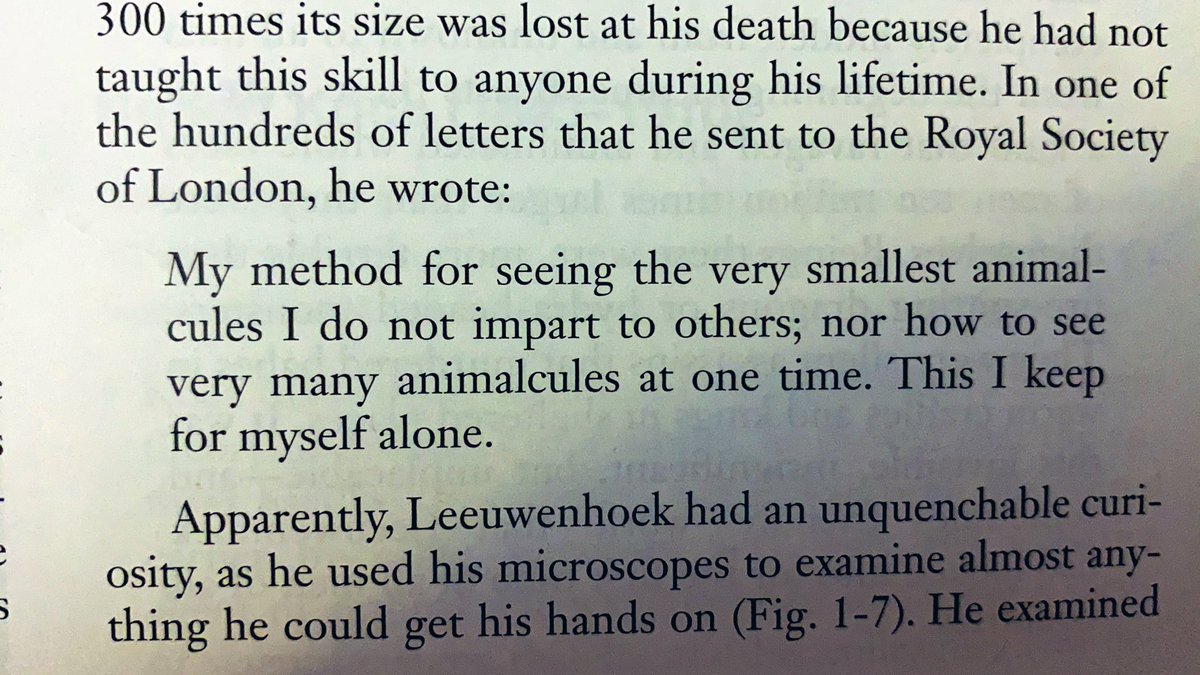
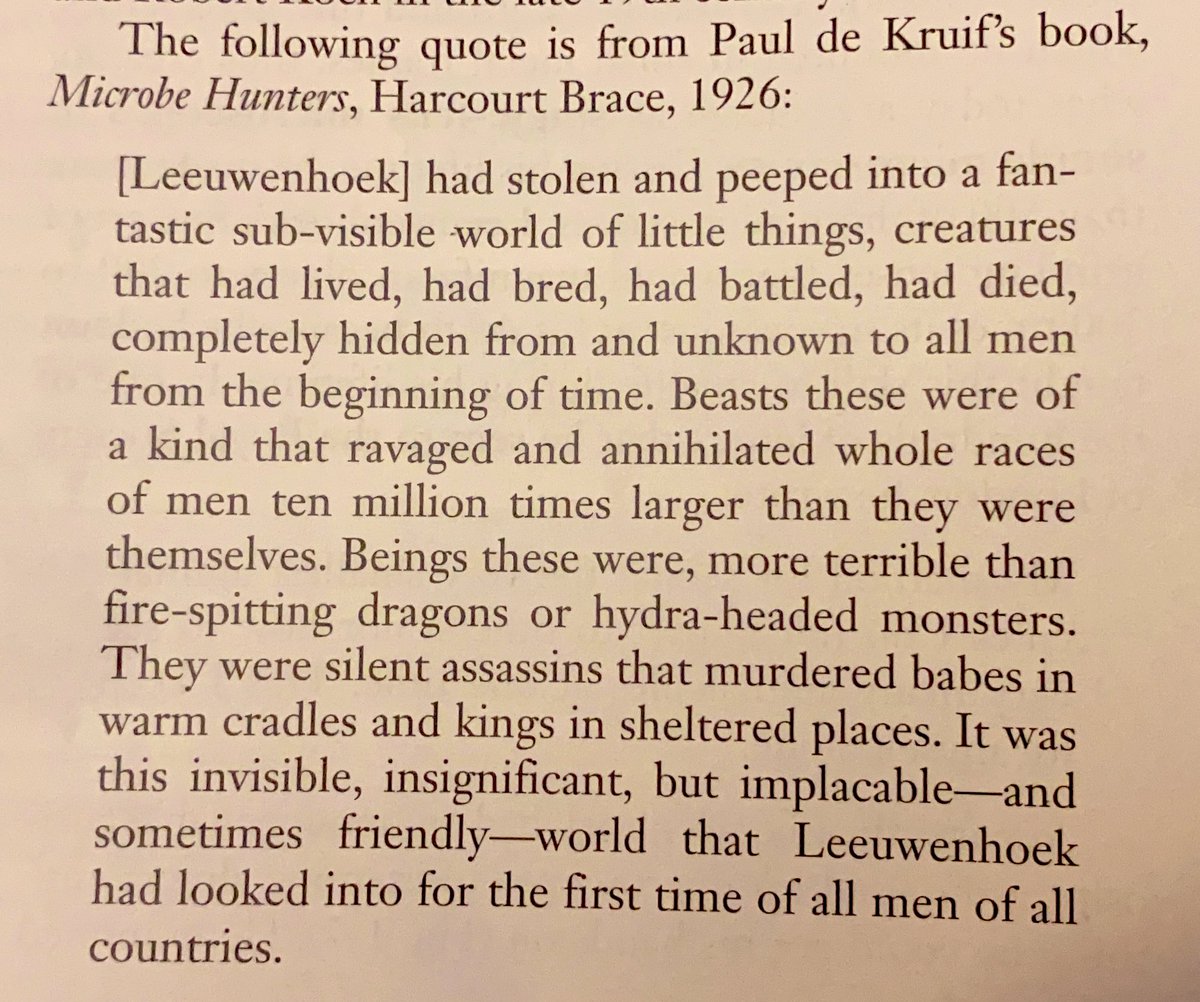
Which is known today as single-lens microscope or simple microscope. This lens will magnify any object to 200-300 times its size. He past away with out teaching anyone how to make it..in one of hundred litters for the Royal Society of London, he wrote:
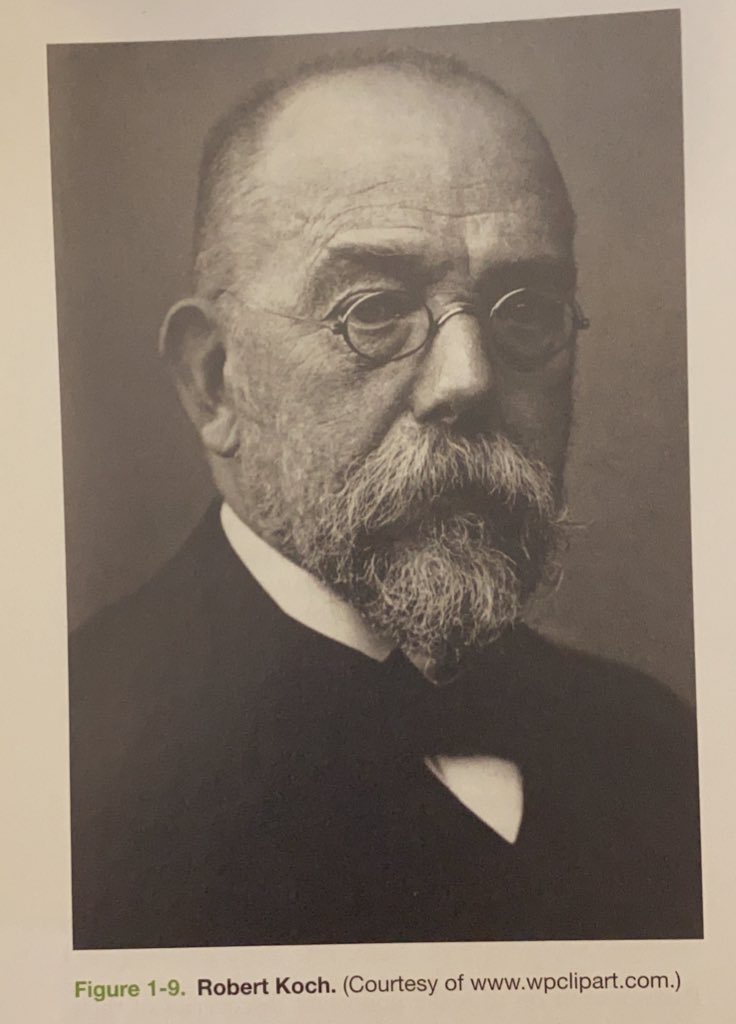
2- Louis Pasteur (1822-1895)
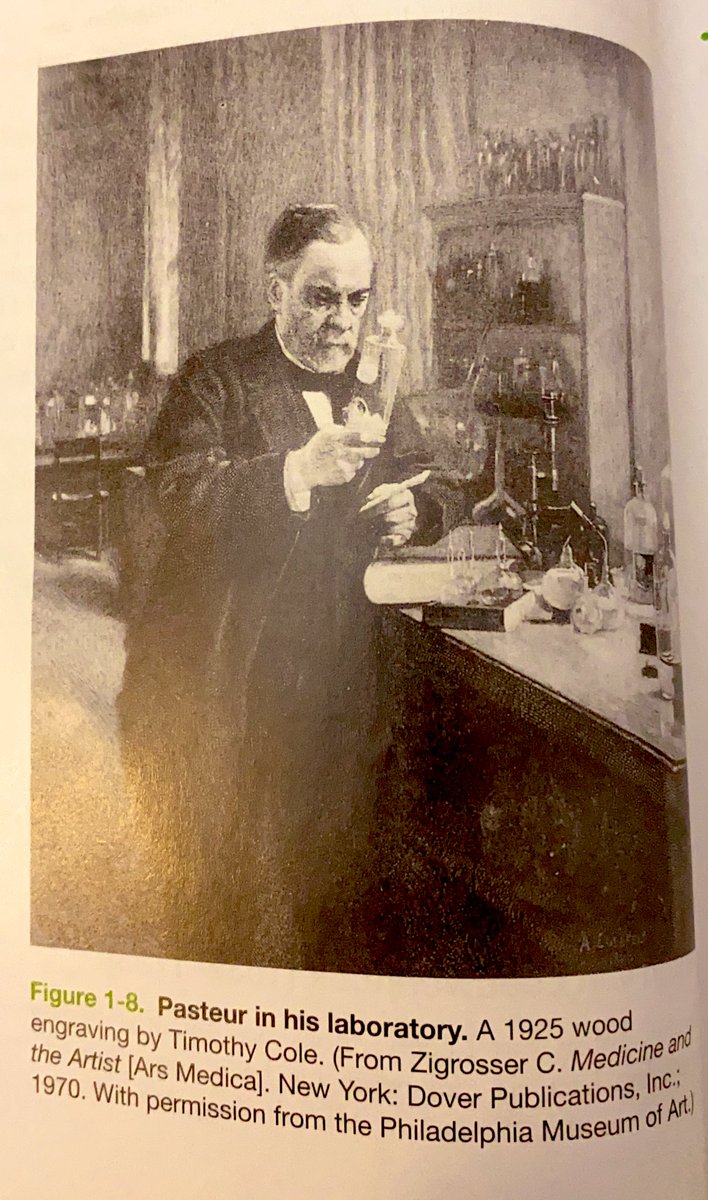
He demonstrated the different types of microbial fermentation products. For example yeast convert the glucose in grapes 🍇 to ethyl alcohol ( ethanol) by fermentation, but certain contamination by bacteria, such as Acetobacter, convert glucose into acetic acid ( vinegar).
He also developed a process known today as pasteurzition which is killing pathogens in many types of liquids. He discovered the infectious agent that cussed the silkworm disease. He developed different vaccines for chicken cholera , anthrax and swine erysipelas to treat animals
And for humans he developed the rabies vaccine.
3- Robert Koch ( 1843-1910)
Koch discovered that B. anthrax produces spores to resist different conditions.
He also developed methods for fixing,starting and photographing bacteria 🦠.
Koch discovered that B. anthrax produces spores to resist different conditions.
He also developed methods for fixing,starting and photographing bacteria 🦠.
He developed methods to cultivating bacteria on solid media using the Petri dish 🧫. The waif of another Kock’s colleagues who suggested the use of agar ( taking from seaweed) as solidifying agent.

He discovered M. Tuberculosis that cause tuberculosis and vibrio cholera that causes cholera.
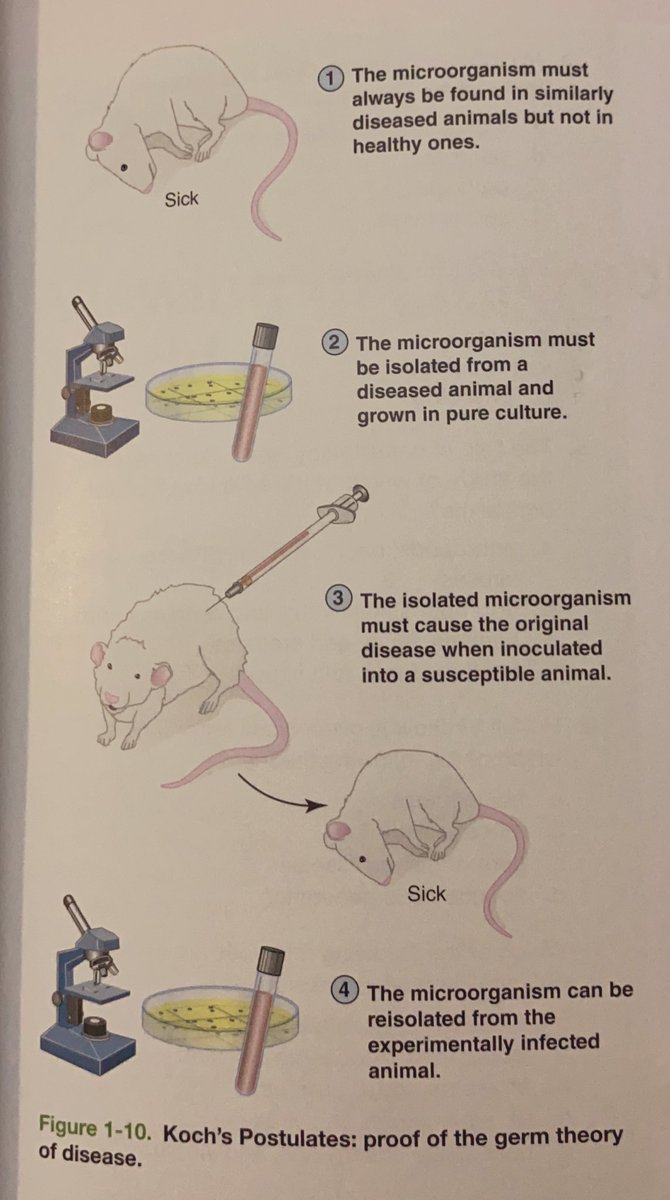
He developed tuberculin skin test. And he established Koch’s Postulate:
He developed tuberculin skin test. And he established Koch’s Postulate:
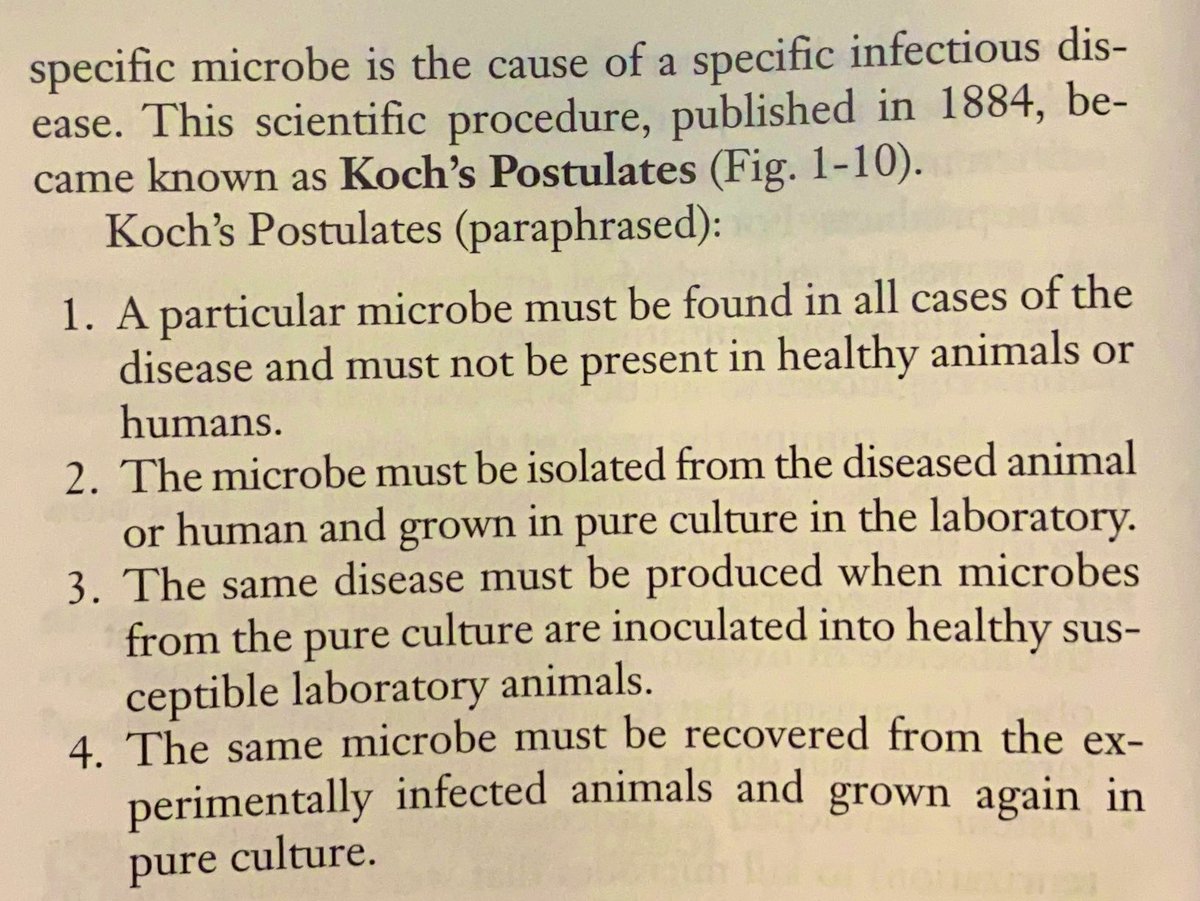
Koch’s Postulates not only helped prove the germ theory of the disease, but also tremendous boost to development of microbiology using laboratory culture and identification of microbes .
Exceptions to Koch’s Postulates :
-Not all the microbes can grow on culture some of them are intra-cellular or fastidious require certain conditions to grow.
-Also not all microbes affect the same host and not all of them causing disease in laboratory animals.
-Not all the microbes can grow on culture some of them are intra-cellular or fastidious require certain conditions to grow.
-Also not all microbes affect the same host and not all of them causing disease in laboratory animals.
-Some disease called synergistic infection which cussed by not one microbe no but multiple microbes.
- Also some of the microbes will lose their pathogenicity if cultivated in vitro.
- Also some of the microbes will lose their pathogenicity if cultivated in vitro.
جاري تحميل الاقتراحات...